 EN
EN

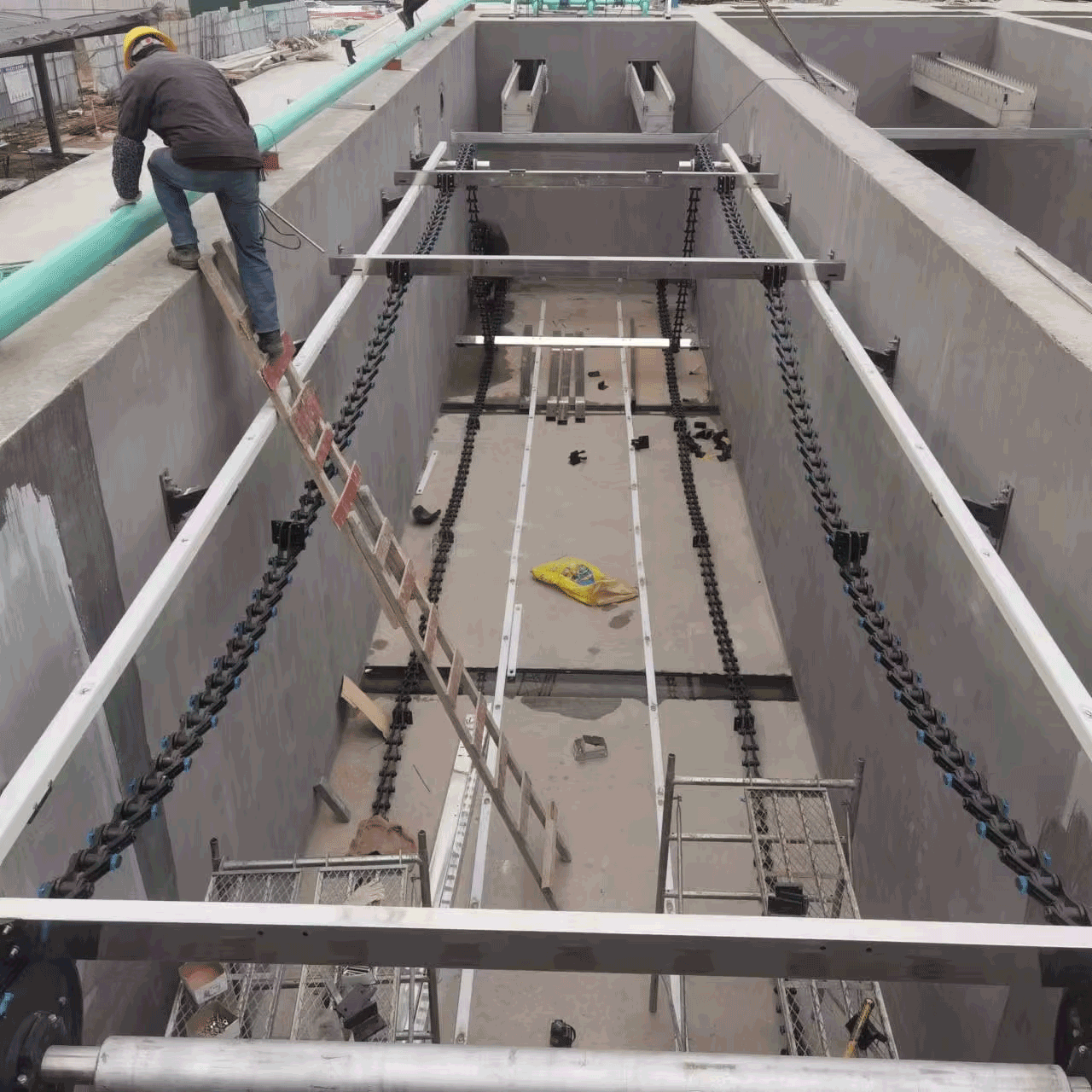
Fundamenti tal-Iskrapur tal-Bidu: Ir-Ruolo u t-Tipi tad-Disinn fl-Iżda tal-Imbantijiet tal-Ilma Mard
Bżonn Operattiv fil-Klarifikaturi Primarji u Sekondarji
Iż-żidiet għall-biżżu jilgħubu ruolu essenzjali fit-tankijiet ta' sedimentazzjoni ċirkulari u r-rettangolari fejn iġbdu l-biżżu li ġie sedimentat biex ikunu jistgħu jiġu neħħin b’effikacja. Il-klarifikaturi primarji jistgħu jaqbdu madwar l-85 sa l-95 percentu ta’ dawk sołidi li jistgħu jis-sedimentaw, skont studji reċenti tal-Aġenzija tal-Protezzjoni tal-Ambjent tal-Istati Uniti (2023). Dan huwa importanti għalkemm jippreveni kondizzjonijiet bħas-septiċi, il-bużuzzijiet mhux plejruni, u l-problemi bil-fluss tal-ilma mis-sistema. Għall-klarifikaturi sekondarji, dawn iż-żidiet jibqgħu jneħħu kontinwament il-biżżu attiv ir-ritorn, li obbligatorjament ikollu bejn l-1 u t-tlieta percentu ta’ sołidi. Dan jgħin li jżomm ir-riżultati tajbin tat-trattament bijoloġiku. Meta l-żidiet ma jkunux iddisinjati jew ma jkunux immaniġurati b’mod adegwat, ħafna probliemi jidheru. Il-biżżu li jiddekomponi jitkabbir u jinżel l-effikacja tat-trattament sa madwar il-40 percentu, filwaqt li jagħmel li l-unitajiet ta’ filtrazzjoni li jmiss ifunzjonaw it-tajjeb u jkollhom bżonn ta’ nettaqja iktar spiss.
Paragun bejn il-Konfigurazzjonijiet tal-Briżż, it-Truss, u d-Driwwa Periferika
| Konfigurazzjoni | Daqs Ottimal tat-Tank | Kapaċità ta’ Torq | Fatturi ta’ Maintenanza |
|---|---|---|---|
| Ponte | <25 m diametru | Medja (≠5,000 Nm) | Aċċess sħiħ matul id-drenaggi |
| Truss | Bazini rettangolari | Għolja (≥8,000 Nm) | Komponenti soqgħużi |
| Driww Ċirkulari | >35 m diametru | Variabbli | Kumpunenti barrani tad-driww |
Is-sistemi b'driww ċirkulari jiffru l-aħjar għal dawk il-bażini ċirkulari kbir li jkollhom diametru ta’ aktar minn 35 metru. Jisparġu l-istress mekkaniku tul il-bord tal-bażin minflok li jikkonċentrawh fis-centru, li jgħin li jproteġu l-bniżzi ewlenin tas-suport mis-silġ u l-użu. Għall-bażini rettangolari li jwettqu bil-ġelat densi jew bil-wastazzjon ħofra, it-truss mounted scrapers huma l-bħala tajba għalkemm jipprovdunu torq suffiċjenti biex jitwettqu b’dawn il-materjali diffiċli. Il-biżut iżda ħafna mill-faċilitajiet ta’ bliet żżelf inħawwu biss b’attrezzatura montata fuq il-pont. Dawn il-konfiġurazzjonijiet jagħmlu sens meta l-ispeċifikazzjonijiet tar-rutina ta’ manutenzjoni jinfitxu fit-taħdita normali u l-bużżetti mhumiex ħafna strett. L-inġinieri municiptali ġeneralment jippreferu lilhom għalkemm huma iktar faċli li jiksbu aċċess matul l-ispeċifikazzjonijiet rutinarji mingħajr li jkollhom jisbiqu s-sistema kollha.
Kriterji Bbażati fuq il-Biżuta għall-Perfurmazzjoni Ottimali tat-Tagħmel tal-Ġelat
Mittura tal-Ġeometrija tal-Bażin: Id-Diametru, l-Ilma u s-Slopp tal-Bottom
Il-forma u l-biżża tat-tankijiet jilgħubu ruolu kbir meta tibbarra s-sistema tal-iskrapjar ir-riżżu. It-tanks ċirkulari li jkunu inqas minn 20 metru ċirkolari jifunzjonaw b’mod ħażin ma’ drivi periferiċi. Iżda għall-bażini rettangolari it-tul tagħmel iktar minn 30 metru, l-inġinieri obbligatorjament jistiedu jew is-sistemi tat-truss jew l-arranġamenti tal-katina u tal-flights. Il-profundità tat-tank hija wkoll importanti għall-biżża tal-torq. Meta t-tanka jibda jibqa’ iktar profond minn 4 metri, kull mezz metru addizzjonali jmejja madwar 15% iktar ta’ potenza tad-driw biex is-sewwieħ ikun konsistenti fit-tanka. Li jseħħ fis-soltu jagħmel ukoll id-differenza kollha. Il-pendenti it-tajbin li huma iktar minn 8 darba jmejju appoġġji strutturali iktar qawwija u superfici speċjali tal-rake b’bassu slip biex jiżdellu il-problemi bil-biżża mhux uniformi tas-sedimenti u l-postijiet fejn is-sedimenti jitkabbru b’mod mess. Din il-biżża bażika tat-tankijiet tikkontrolla madwar tlieta t-tlieta tal-performancja attwali tas-scraper skont diversi studji dwar is-sedimentazzjoni li ġew ippubblikati f’ġurnali ta’ inġinerija.
Kontabbilizzazzjoni tal-Karatteristiċi tas-Sludge: Viskozità, Ħsara tar-Riżultat u Torq meħtieġa għall-Rake
Il-mod kif is-sludge jibda mekkaniċament jiddependi b’mod kbir mis-proprjetajiet rjeoloġiċi tagħmel. Meta tisħaq il-sludge dens li fih iktar minn 25% ta’ sołidi, l-opraturi għandhom isistemi ta’ ċaten u ta’ flit fejn il-flits stess huma bbużati biex jieħdu ħsieb madwar iż-żewġa sa tlieta darbiet iż-żieda fit-torżjoni minn dak li l-mudelli standard jistgħu jwettqu. Is-sħiħ bil-li jirriżulta jaffettwa kif spiss l-attrezzatura trid titla’; is-sludge li jirriżulta malajr, bħal dak li jinħareġ wara l-proċessi ta’ trattament primarju immaġinat, obbligu li jinkiseb kull siegħa jew hekk. Iżda meta tisħaq materjali li jirriżultaw iżda b’mod itwal, bħal dawk prodotti mat-taħdita, li jkunu jittla’ darba kull erba’ siegħat hija suffiċjenti. Il-kalkolu korrett tat-torq huwa importanti ħafna għalkemm dan jipproteġi l-muturi mis-sħiħ u jipproteġi l-gearijiet mis-sħiħ bikri, li jisħaħ il-biżness u jnaqqas it-temp ta’ inattività fil-biżka t-tul.
| Karatteristiċi tas-Sludge | Fattur ta’ Aġġustament tat-Torq | Standard ta’ Misura |
|---|---|---|
| Viskożità > 250 cP | +40% torq ta’ bbażi | DIN 53019-1:2008 |
| Rata tas-sedimentazzjoni > 0.8 m/h | +25% tal-frekwenza tal-ċikli | ISO 18757:2014 |
It-tqallib b’dan il-parametri jikkontribu għall-38% tal-fallimenti prematuri tas-scraper—li jirriflettu l-biżnessija li jkunu ċċarifikati l-karatteristiċi speċifiċi tas-sluġġ ħdejn il-post qabel li jinħares l-attrezzatura finali.
Durabbiltà, Konformità u Validazzjoni fil-Milta Rieżali għall-Attrezzatura tal-Impiant tat-Tisħiħ tas-Sewaġġ
Għażla tal-Materjal għall-Irreżistenza għall-Kurżjoni u l-Espużizzjoni Ittulja għall-Acqua Misluxa
Il-forza u d-durabilità tal-materjali huma verament importanti meta jsiru ħoloq ma’ kundizzjonijiet qšira ta’ ilma li għandu ħażin. L-acciaj inossidabbli tal-gradu 316L jistassu għalkemm jirreżistu l-korrużjoni minn idrogeno sulfidu u dawk il-mikrobi ħażin li jiddegradaw il-materjali bil-ħin. Skont studju tal-Water Environment Federation mill-2022, dan it-tip ta’ acciaj jibqa’ madwar 15 sa 20 sena iktar it-tul mill-acciaj karboniku rregolari fis-sistemi tal-kanalizzazzjoni tal-bliet. Meta l-ilma fih ħafna s-solt jew il-kontenut ta’ klururi jibqa’ iktar b’sa 500 parti bil-miljun, l-inginieri spiss jirrikorru għal tip ta’ acciaj inossidabbli dupliki bħall-UNS S32205. Dawn għandhom skorijiet PREN li jaqbdu 35, li ifisser b’mod prattiku li jirreżistu l-pitting it-tajjeb. Ħaddan ħaddan jieħdu b’alternattiva l-polimeri irforzati bil-fibras (FRPs), għalkemm dawn isiru totalment liberi mis-problemi ta’ korrużjoni galvanika u jwettqu ħafna it-tajjeb barra fit-tajjara, speċjalment meta jisbuhom iż-żewġa. U ħaddan ma nmissu l-resistenza għall-abrazzjoni. L-ilma li għandu ħażin imli bil-grit u s-solids jiddeterjora l-attrezzatura ħafna malajr, għalkemm it-testjar adegwat kontra kampjuni attuali ta’ sludge huwa essenzjali qabel ma jiġu ttieħed kwalunkwe deċiżjonijiet.
L-Iżda tal-Biżniss ta’ Rregolamenti: Gwida tal-EPA u Standards ta’ Effiċjenza ISO 15839-2019
L-iżda tar-regoli ma hijiex biss għall-avoidance tat-taħdijiet—f’ħażina ħażina tajjeb għall-biżaħ u f’ħażina ħażina tas-silġ tal-operazzjonijiet. Iżda l-EPA tal-Istati Uniti, per eżempju, il-Liġi tal-Ilma Ċlear. Din tirrequiri li l-ilma li jisilu mis-sewwieqa jkollu massimu ta’ 30 milligramm bil-litra ta’ solidi ssuspenti. Li jkunu jiksbu dan ifisser li s-sistemi tal-iskrapar irridu jneħħu konstantement mill-inqas 95% ta’ dawn is-solidi anke meta t-tibdil fil-wiżja jikkawża t-tibdil fil-fluss tal-ilma u livelli ta’ kontaminanti matul is-sena. U mbagħad hemm l-ISO 15839 mis-2019 li toffri angolu oħra dwar kif irridu joperaw i-klarifikaturi mekkaniċi. Din istandard internazzjonali tissettja target konkreti li l-manifatturi u l-oħrajja jistgħu jkejlu kontra, li jagħmel iżda it-taqsija tal-proġress u l-identifikazzjoni ta’ ħdejn li jkunu b’sħiħ b’sħiħ.
| Parametru | Punt ta' riferiment | Metodu ta’ Validazzjoni |
|---|---|---|
| Effiċjenza tal-Enerġija | ≠ 0.15 kWh/m³ imtrat | Sistemi tal-monitoraġġ tal-torque |
| Emissjonijiet ta’ Ħoss | < 75 dB f’1 metru | It-test akustiku ISO 3744 |
| Interruzzjoni għall-manutenzjoni | ≠ 2% ta’ ħin ta’ operazzjoni annwali | Simulazzjonijiet tad-doppju diġitali |
Il-certifikazzjoni minn partijiet terzi għall-ISO 15839 ma tivvalida l-biżżejjed il-konformità biss, imma tnaqqis ukoll ir-riskju regolatorju—l-azzjonijiet tal-enforcement tal-EPA għall-ożżilja tal-operazzjoni ta’ ċentru ta’ ħażżan ġew b’mexxu ta’ $50,000 għal kull ożżilja fis-sena 2023. Il-valurazzjoni fir-realtà permezz ta’ implimentazzjonijiet pilota għal 12 xahar f’impianti municiptali attivi jibqa’ l-aktar predittur qawwi tal-affidabbiltà fil-qasam u tal-prestazzjoni matul il-ħajja.
Il-Kost Total ta’ Użu: It-Tibbilanċjar bejn l-Investiment Inizjali u l-Effiċjenza matul il-Ħajja
L-analisi tal-Kost Total ta’ Użu (TCO) turi li l-kost ta’ akkwizizzjoni jikkostitwixxi biss 20–40% mis-spesa totali matul il-ħajja ta’ skraper ta’ ħażżan. Il-fatturi dominanti huma l-konsum ta’ enerġija matul l-operazzjoni kontinwa, il-maintenanza li titlob ħafna ħaddiema tal-mekkaniżmi soqgħużi, u l-biża’ ripetuta ta’ komponenti li jinħarbu malajr bħal-rakes, iċ-ċajnijiet u l-bearings.
L-istruzzjonijiet li jikkostaw iktar ħajt fil-bidu imma li jużaw materjali li jirreżistu l-kurżjoni jew li għandhom disinni modulari jipprovdulu verament benefiċċji kbir meta jintallaw f’ambjenti ħarji. Dawn is-sistemi jnaqqsu l-biżżejjed il-fermi mhux anticipati u jteħtu madwar nofs il-manteniment b’konfront ma’ l-alternattivi iktar bil-baħar f’kundizzjonijiet abrasivi jew f’postijiet b’kemikali aggressivi. Min-naħa l-oħra, l-għażla ta’ opzjonijiet bil-baħar ħajt spiss tirriżulta f’problemi wara ħames. Meta klerifikatur jistenna t-taħdija għal darba biss f’pjan medju, il-ħsara finanzjarja tibda tiffranka ħajt. Il-faċilitajiet tipikament jilqu madwar $50,000 ħajt minħabba l-produzzjoni inqas, il-kemikali eżtra meħtieġa biex ikunu kompensati, u l-fees tal-ħaġa għall-riparazzjonijiet ta’ emergenza. Il-kalkolu sempliċement ma jiffranka xejn meta l-kumpaniji jinżlu fuq il-kwalità tal-istruzzjonijiet għal dawn l-applikazzjonijiet.
Meta ttevalwajt il-konfigurazzjonijiet, paragun il-mod kif kull wieħed jaffettwa tliet lejwer importanti tat-TCO:
- Effiċjenza tal-Enerġija : Id-drajvs periferiċi jkunu 15–25% inqas ta’ potenza b’konfront ma’ dawk li jinsabu ċentralment.
- Aċċessibilità għall-Manutenzjoni id-disinni modulari jnaqqsu l-ħin medju tas-servizz b’40%, li jnaqqsu l-ispejjeż tal-lavor u r-riskju ta’ eżpożizzjoni.
- Tul tal-ħajja operattiva il-komponenti strutturali ta’ aċċa inossidabbli jidumu 2–3 darbiet itwal minn bbażati fuq il-ħadid karboniku mpinti taħt kondizzjonijiet identiċi tas-servizz.
Il-mudellazzjoni stratéġika tat-TCO (Cost Totali tal-Ownejta) tibdel il-proċess ta’ akkwizizzjoni minn deċiżjoni bbażata fuq il-prezz għall-deċiżjoni bbażata fuq il-valur—biex tiżda garanzija li t-tneħħija tas-sludge tkun robusta, konformi u ekonomikament susċeptibbli matul il-ħajja tal-infrastruttura.
GĦILQA TAL-DOMANDI
X’inhu l-funzjoni ewlenija tas-scraperijiet tas-sludge?
I scraperijiet tas-sludge huma importanti ħafna fit-tankijiet tas-sedimentazzjoni, kemm ċirkolari kif ukoll rettangolari, għalkemm jibbassru s-solids bijoloġiċi li ġew issettati biex jiġu neħħija, li b’dan il-mod jipprevjen il-kundizzjonijiet septiċi u jiggwarantu t-trattament effettiv tal-ilma mifrux.
Liema konfigurazzjoni ta’ scraper hija l-aħjar għat-tankijiet ċirkolari kbir?
Is-sistemi b’driv periferiku huma l-aħjar għat-tankijiet ċirkolari kbir b’dijametru li jaqbeż 35 metru għalkemm jidistribużżu l-isforzi mekkaniċi b’effiċjenza, li b’dan il-mod jipproteġu l-bini tat-tankijiet mis-silġ.
Għala l-ġeometrija tat-tank tiffettwa l-għażla tas-scraper?
Il-ġeometrija tat-tank jinfluwenza l-għażla tas-sistemi tal-baħħar, għalkemm id-dijametru, il-profundità u l-inclinażjoni tal-baża jaffettwaw il-biżżejjed ta’ torq u l-effiċjenza tal-biżżejjed tal-mud.
Kemm hu importanti l-karatteristiċi tal-mud fil-għażla tas-sistemi tal-baħħar?
Il-karatteristiċi tal-mud bħall-viskożità u r-rata tas-settling huma essenzjali biex jiġu ddeterminati t-torq tar-rake u l-frekwenza tal-ċikli, biex jiżdamm il-prestazzjoni ottimali tas-scraper u jiġu evitati l-fallimenti tas-sistema.
Liema materjali huma rikummandati għall-għajjut kontra l-kundizzjonijiet tal-ilma li ġie użat?
Ir-rank 316L ta’ ħadid ħelu ġejjin huwa rikummandat minħabba r-reżistenza għall-kurruzjoni u t-tul tal-ħajja f’ambjenti ta’ ilma li ġie użat. Il-ħadid ħelu ġejjin dupliki u l-polimeri irforzati bil-fibra jintużaw ukoll għal kondizzjonijiet speċifiċi.
Liema referenzi jassiguraw il-konformità fis-sistemi tal-baħħar?
Il-konformità mal-istandards tal-EPA u tal-ISO tassigura l-protezzjoni ambjentali u l-effiċjenza operattiva, b’referenzi bħall-massimu ta’ solidi sospenduti fl-ilma trattat u l-obbligu tal-effiċjenza enerġetika.
Tabella tal- Kontenut
- Fundamenti tal-Iskrapur tal-Bidu: Ir-Ruolo u t-Tipi tad-Disinn fl-Iżda tal-Imbantijiet tal-Ilma Mard
- Kriterji Bbażati fuq il-Biżuta għall-Perfurmazzjoni Ottimali tat-Tagħmel tal-Ġelat
- Durabbiltà, Konformità u Validazzjoni fil-Milta Rieżali għall-Attrezzatura tal-Impiant tat-Tisħiħ tas-Sewaġġ
- Il-Kost Total ta’ Użu: It-Tibbilanċjar bejn l-Investiment Inizjali u l-Effiċjenza matul il-Ħajja