 EN
EN

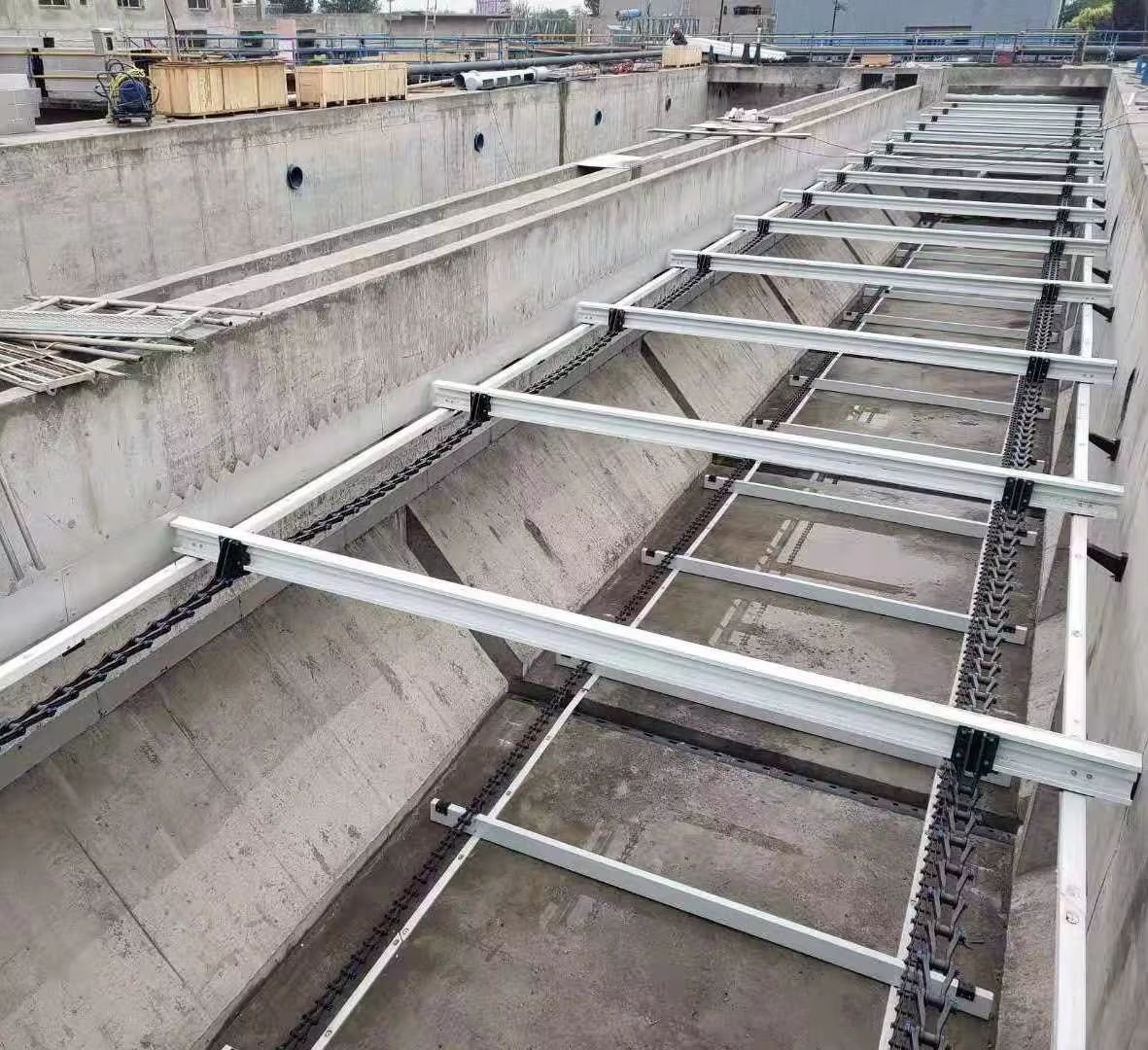
Виживання в екстремальних умовах: неметалеві літаючі скребки для стічних вод, що «з’їдають» метал
Високококорозивні стічні води pH нижче 3, концентрації сульфідів вище 200 ppm, рівень хлоридів понад 5000 ppm руйнують літаючі скребці з вуглецевої сталі протягом 12-18 місяців і значно деградують нержавіючу сталь 316L протягом 3-4 років Це не припущення з матеріальної таблиці даних; це операційна реальність, задокументована EPA в звітах з моніторингу 2022 року, що показують, що неметалеві літаючі скрабники підтримують ефективний транспорт бруду в цих екстремальних умовах понад 8 000 годин роботи без структурних компромісів
Повністю неметалевий літаючий скребок — крила з УВМП-ПЕ, конструкційні рами зі скловолокна, зірочки та направляючі елементи з ПА66 — не містить жодних компонентів, які корозійні стічні води могли б хімічно атакувати. Скребок працює в середовищі, що розчиняє метал, але залишає полімер незмінним. Питання полягає не в тому, чи може неметалевий літаючий скребок витримувати висококорозійні умови — польові дані доводять, що так — а в тому, чи є конкретний неметалевий дизайн та вибір матеріалів підходящими для геометрії резервуарів, характеристик осаду та експлуатаційних вимог конкретного об’єкта.
Як працюють літаючі скребки в корозійних умовах
Механічна проблема
Летючий скребок — також відомий як літальний скребок або скребок із ланцюгом і лопатями — використовує безперервну ланцюгову петлю, що приводить у рух занурені лопаті по дну прямокутного осадового резервуару. Лопаті штовхають осілий осад до збірного бункера на одному кінці резервуару, тоді як зворотний шлях ланцюга проходить над поверхнею води, повертаючи лопаті до початкової позиції. Скребок працює безперервно або за заданим циклом, забезпечуючи стабільне видалення осаду без втручання оператора.
У корозійних стічних водах кожний занурений металевий компонент стає місцем відмови. Осі шарнірів ланцюга кородують і заклинюють. Болти кріплення лопатей втрачають поперечний переріз через точкову корозію, поки не зрізаються під навантаженням. Зубці зірочок ерозують, що призводить до прослизання ланцюга й помилок синхронізації лопатей. Натяжні колеса зворотного шляху — які часто ігнорують під час технічного обслуговування — кородують у зонах контактів підшипників, збільшуючи опір руху ланцюга, доки двигун приводу не вимкнеться через перевантаження.
Неметалевий літаючий скребок усуває всі ці точки відмови, видаляючи матеріал, що виходить з ладу. Ланки ланцюга виготовлені з інженерного полімера. Скребки — з УВМПЕ. Зірочки — зі скловолоконного PA66. Напрямні колеса — з полімера з герметичними підшипниками, ізольованими від контакту з стічними водами. Вся занурена конструкція хімічно інертна в діапазонах pH, хлоридів та сульфідів, що зустрічаються в системах очищення стічних вод.
Дані про експлуатаційні характеристики матеріалів
Поверхні крил із УВНМ-ПЕ у середовищах з рН 2–4 та насичених сульфідами демонструють швидкість втрати матеріалу нижче 0,05 мм на рік — показник, що призводить до непомітної зміни розмірів протягом 10-річного терміну експлуатації. Для порівняння, вуглецева сталь у тих самих умовах втрачає 1,0–2,0 мм на рік через поєднання корозії та абразивного зносу. Дані моніторингу Агентства з охорони навколишнього середовища США (EPA) за 2022 рік підтвердили, що неметалеві лопатеві скребки в комунальних очисних спорудах із рівнем H₂S понад 200 ppm зберігали повну ефективність транспортування осаду понад 8 000 годин роботи — приблизно 11 місяців безперервної експлуатації — без вимірюваних ознак деградації поверхонь крил або ланок ланцюга.
Конструкційні рами зі скловолокна зберігають межу міцності на розтяг приблизно 290 МПа, що порівняно з алюмінієвими конструкційними сплавами, при цьому вага їх на 75 % менша за вагу сталевих елементів аналогічних розмірів. Зменшення ваги знижує навантаження на ланцюг приблизно на 30 % порівняно з повністю сталевим літаючим скребком тих самих габаритів, що, у свою чергу, зменшує знос зірочок і споживання електроенергії приводним двигуном.
Hengshui Huake Rubber & Plastic Co., Ltd. виробляє ці неметалеві системи літаючих скребків у конфігураціях, адаптованих до прямокутних розмірів осадових резервуарів — від невеликих комунальних станцій до великих промислових очисних споруд. Вісімнадцятирічний досвід компанії у виробництві неметалевого обладнання для очистки стічних вод, поєднаний із сертифікованими відповідно до ISO 9001-2008 виробничими процесами та сертифікацією продукції SGS, забезпечує якість, необхідну покупцям у застосуваннях у корозійно-агресивних середовищах.
Реальне застосування в екстремальних умовах
Металообробний завод у Німеччині експлуатує систему очищення стічних вод, що переробляє промивну воду з рН у межах від 1,8 до 3,2 і містить розчинені хром, нікель та мідь у концентраціях, які катастрофічно прискорюють гальванічну корозію в будь-якій багатометалевій системі скребків. Оригінальні летючі скребки з вуглецевої сталі на цьому заводі потрібно було повністю замінювати кожні 14–16 місяців — ланки ланцюга розчинялися в шарнірних з’єднаннях, лопаті втрачали геометрію різального краю протягом 8 місяців, а зірочки підлягали заміні при кожній заміні ланцюга.
Після переходу на повністю неметалеву систему літаючих скребків, виготовлену компанією Hengshui Huake, завод працював 3,5 року без заміни жодного компонента. Щорічне технічне обслуговування полягає у візуальному огляді натягу ланцюга та стану зубців зірочок — ця процедура триває 2 години й виконується під час планового технологічного простою. Керівник технічного обслуговування заводу розрахував, що премія за закупівлю неметалевої системи була відшкодована за рахунок економії на витратах на замінні деталі протягом 15 місяців, а всі подальші економії напряму надходять до операційного бюджету.
Поширені запитання
У якому діапазоні pH можуть працювати неметалеві літаючі скребки?
Компоненти з УВНМ-ПЕ, СКМ та ПА66 витримують тривалий контакт із рН у діапазоні від 1 до 14 без хімічного розкладу. Практичний робочий ліміт визначається конкретним сортом полімеру та наявністю розчинників або окиснювачів, які можуть впливати на певні пластики. Компанія Hengshui Huake надає дані щодо хімічної сумісності кожного матеріалу у скребковому вузлі стосовно конкретної хімії стічних вод замовника.
У чому різниця між літаючим скребком і звичайним ланцюговим скребком?
Літаючий скребок використовує безперервне кільце, де зворотний шлях проходить над поверхнею води й повертає лопаті до початку руху. Звичайний ланцюговий скребок може працювати з обох шляхів у зануреному стані. Літаючі скребки зазвичай застосовують у прямокутних осаджувачах, де вільний простір над водою для зворотного шляху забезпечує простий доступ до ланцюга та зірочок під час технічного обслуговування.
Яка максимальна довжина резервуара для неметалевого літаючого скребка?
Неметалеві літаючі скребки розроблено для прямокутних резервуарів завдовжки до приблизно 60 метрів. Для довших резервуарів потрібні проміжні приводні станції або двосекційні скребкові системи. Інженерна команда з застосування Hengshui Huake аналізує розміри резервуара, навантаження осадом та вимоги до натягу ланцюга, щоб визначити відповідну конфігурацію системи.
Чи потрібне неметалевим літаючим скребкам мастило?
Ні — полімерні ланки ланцюга та зірочки самозмащуються завдяки властивостям матеріалу. Відмова від мастила на основі мастила усуває як обов’язкове технічне обслуговування, так і потенційне джерело забруднення стічних вод через протікання мастила в технологічний потік.
Як неметалеві лопаті кріпляться до ланцюга?
Поліетиленові лопаті UHMW-PE кріпляться до ланок ланцюга за допомогою нержавіючих або полімерних кріпильних елементів залежно від ступеня корозії. У екстремальних умовах (pH < 3) полімерні кріпильні елементи повністю усувають останній металевий компонент у зануреній конструкції. Модульна конструкція кріплення лопатей від компанії Hengshui Huake дозволяє замінювати окремі лопаті без розбирання ланцюга.
Які сертифікати застосовуються до неметалевих лопатевих скребків?
Сертифікат якості ISO 9001 підтверджує контроль над процесами виробництва виробника. Сертифікати, що стосуються конкретних матеріалів — звіти про випробування на металургійних заводах для полімерних марок, випробування продукції SGS — підтверджують якість компонентів. Компанія Hengshui Huake має сертифікат ISO 9001-2008 і надає документацію про випробування продукції з сертифікацією SGS разом із кожною поставкою системи. Муніципальні покупці також повинні перевірити відповідність будь-яким місцевим стандартам обладнання водних служб, що діють у їхньому регіоні.