 EN
EN

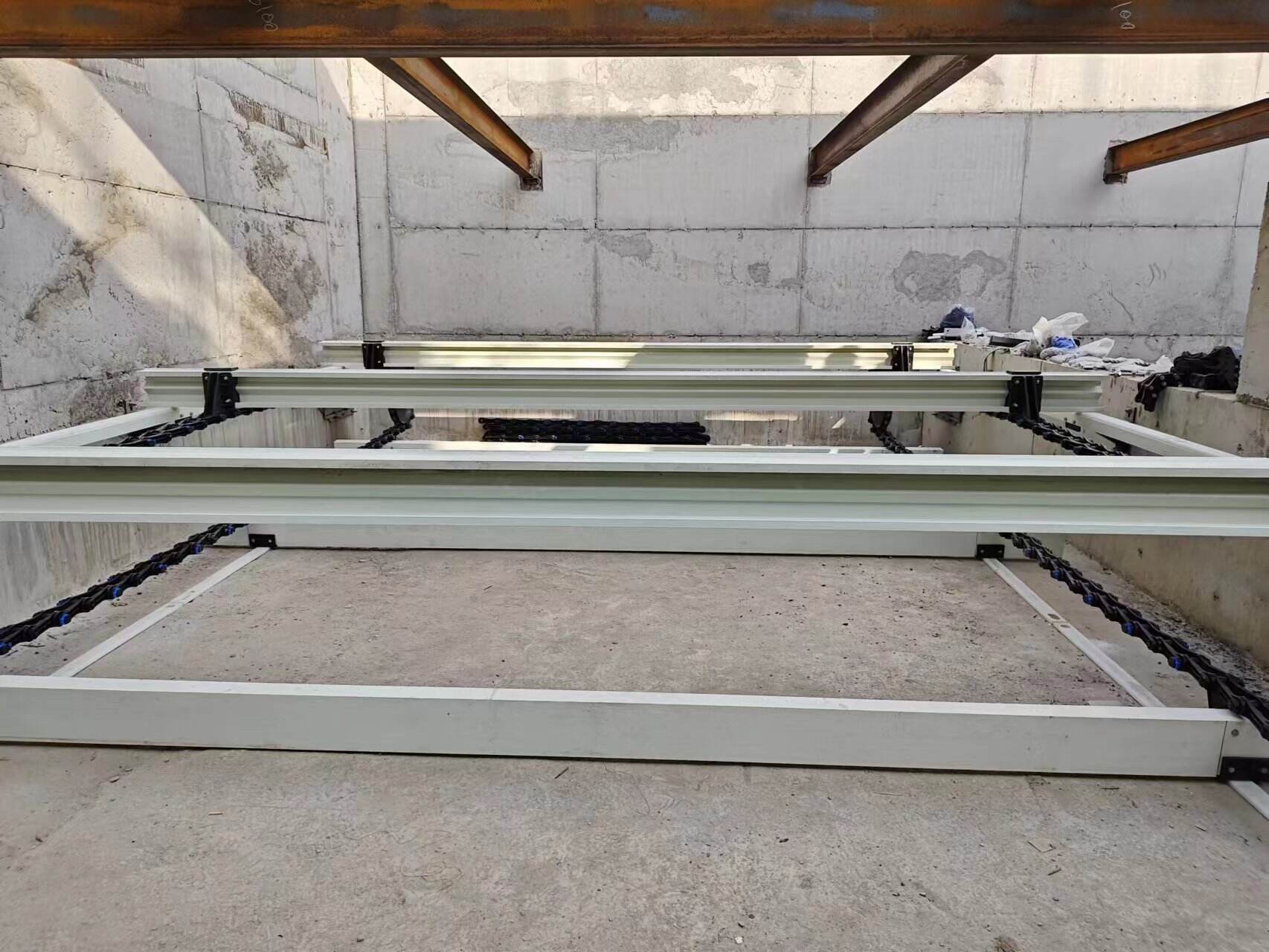
Energy Efficiency of Mud Scrapers: Design and Performance
Why Energy Efficiency Matters in Modern Wastewater Treatment
Wastewater treatment plants (WWTPs) consume 3–4% of global electricity, with sludge removal systems accounting for 25–40% of site energy use. Energy-efficient mud scrapers significantly reduce operational costs and support compliance with the 2023 Clean Water Act revisions and corporate ESG goals.
How Peripheral Drive and Low-Speed, High-Torque Systems Reduce Power Use
Peripheral drive systems eliminate central column friction, requiring 19–23% less torque than traditional designs. Paired with low-speed (1–3 RPM) gear reducers, they maintain effective sludge removal while lowering motor loads. Field data shows this configuration uses 34% less energy than chain-and-sprocket drives in tanks over 30 meters in diameter.
Case Study: Energy Savings in Municipal WWTP Using Advanced Mud Scrapers
A 2022 upgrade at a 50,000 m³/day municipal plant replaced aging central drive scrapers with peripheral models powered by brushless DC motors. Over 14 months, monitoring revealed:
- 42% reduction in scraper system kWh consumption
- 28% lower maintenance costs
- ROI achieved in 2.7 years through energy rebates
Optimizing Motors and Drives for Lower Energy Consumption
IE4 high-efficiency motors combined with helical gear reducers achieve 92–95% energy conversion efficiency. Manufacturers now use computational fluid dynamics to size motors within 10% of actual load requirements, eliminating the 18–22% energy waste typical of oversized units.
The Role of Variable Frequency Drives and Smart Controls
Variable frequency drives (VFDs) adjust motor speed based on sludge viscosity, delivering 35–38% energy savings during low-load periods. When integrated with IoT-enabled SCADA systems, these controls enable predictive load balancing across multiple tanks, further optimizing performance.
Service Life and Durability of Mud Scrapers: Materials and Maintenance
Common Causes of Premature Failure in Sludge Removal Systems
Mud scrapers often fail prematurely due to abrasive sediments (1.5–3.0 mm hardness), chemical corrosion in low-pH environments (below 4.0), and mechanical stress from unbalanced loads. Industry surveys show 30–50% of municipal WWTPs experience corrosion-related failures within five years when using carbon steel components.
Corrosion-Resistant Materials: The Impact of Stainless Steel and Coatings
Material selection plays a critical role in longevity:
| Material | Annual Corrosion Rate | Replacement Cycle |
|---|---|---|
| 316L Stainless Steel | <0.1 mm | 15–20 years |
| GRP Composites | Negligible | 20–25 years |
| Carbon Steel | 1.2–2.5 mm | 2–3 years |
The 2024 Corrosion Protection Study found duplex stainless steel scrapers reduced unscheduled downtime by 70% compared to standard models. Epoxy-polyurethane hybrid coatings now offer over 12,000 hours of salt spray resistance—three times longer than conventional finishes.
Case Study: Extended Lifespan in Industrial Applications
At a petrochemical facility handling wastewater with pH levels between 1.8 and 2.4, switching to glass-reinforced plastic (GRP) mud scrapers increased operational availability to 98%. Over a decade, annual maintenance costs dropped from $184,000 to $28,500, and service intervals extended from every six months to once every five years.
Reducing Wear with Balanced Load Design and Sealing Technology
Scraper arms that have been optimized using finite element analysis (FEA) cut down on component stress by about 40%. How? Well, they distribute radial forces across at least three contact points, compensate dynamically for torque variations within plus or minus 2%, and feature non-metallic blade edges with friction coefficients under 0.3. When it comes to sealing technology, advanced triple-lip designs keep lubricant in place for over 800 operating hours. That's roughly 16 times better than what we see with standard gasket solutions. The numbers come from recent bearing maintenance studies published in 2023, which makes sense given how critical proper lubrication is for these systems.
Predictive Maintenance and IoT Integration for Longevity
Today's advanced systems come equipped with vibration sensors capable of picking up tiny imbalances down to 0.05 mm. They also include current draw monitors that spot signs of motor wear before it becomes a problem. Plus there are algorithms tracking corrosion rates based on live data from pH levels and temperature readings. According to research from the Maintenance Technology Institute back in 2023, these internet-connected features can predict equipment failures with around 92% accuracy as much as 30 days ahead of time. This gives maintenance teams plenty of warning so they can schedule repairs when it makes sense operationally rather than dealing with unexpected breakdowns.
Comparative Reliability: Central vs. Peripheral Drive Mud Scrapers
Maintenance Frequency and Downtime Analysis
The central drive scraper systems need quite a bit of upkeep because they have those submerged gearboxes, radial bearings, and torque tubes sitting underwater. We're talking about around six to eight maintenance checks every year, which translates into roughly twelve to eighteen hours lost each month just waiting for repairs. Peripheral drive options work differently though. They rely on traction wheels mounted above water level with much simpler drivetrain designs. This means technicians only need to check them two or three times yearly, and downtime drops down to four to six hours per month instead. That's actually about half what central drives typically experience. The reason? Peripheral systems just don't have as many critical components to fail. Most models come with four to six main parts compared to over a dozen in traditional setups, plus nothing gets submerged where corrosion becomes an issue.
Failure Rates and Operational Uptime in Real-World Installations
Central drive systems might need more maintenance work, but they still manage to stay running at around 98.5% uptime in city wastewater plants, which is actually 4.3 percentage points better than what we see with peripheral models. The problem with peripheral scrapers is pretty straightforward: they tend to fail about 2.1 times each year because those rubber wheels wear out so fast when dealing with thick sludge buildup. Central drives only fail roughly 0.8 times annually though. Looking at industrial records, central drives last about 14 months between breakdowns on average, almost twice as long as the 8 months typically seen with peripheral units. Sure, peripheral systems come in at 20% cheaper upfront costs, but all those extra repairs and replacements really eat into any potential savings when these machines are pushed hard day after day for ten years straight.
Economic and Environmental Benefits of High-Performance Mud Scrapers
Lower Energy Use and Reduced Carbon Footprint in WWTPs
Modern mud scrapers can cut down on energy usage anywhere from 30 to almost half compared to older versions thanks to better motor designs, variable frequency drives, and intelligent control systems. The peripheral drive systems come equipped with torque adjustment features that stop them from running at full speed when it's not needed, which really brings down the electricity bill. Take for instance a wastewater treatment plant located somewhere in Ohio that managed to slash their yearly carbon dioxide output by around 42 metric tons once they swapped out their old sludge removal equipment back in 2023 according to EPA reports. Plus there are those internet connected sensors now built into these systems too. They actually stop things like trying to scrape an empty floor area, something that wastes both time and resources. All these upgrades make life easier for facility managers dealing with ever changing environmental rules, especially those aiming to hit those tough EU Urban Wastewater Directive goals set for 2030.
FAQ
What are mud scrapers used for in wastewater treatment?
Mud scrapers are used in wastewater treatment to remove sludge and sediments from tanks, ensuring efficient cleaning and processing of wastewater.
How do peripheral drive mud scrapers save energy?
Peripheral drive mud scrapers save energy by reducing the torque requirements and eliminating central column friction, thereby lowering motor loads and energy consumption.
Why are corrosion-resistant materials important for mud scrapers?
Corrosion-resistant materials are important because they extend the lifespan of mud scrapers by preventing damage from chemical corrosion and abrasive sediments, reducing maintenance needs and downtime.
What role does IoT play in predictive maintenance for mud scrapers?
IoT allows for real-time monitoring of mud scraper systems, predicting potential failures based on sensor data related to vibration, motor wear, and corrosion rates, thereby facilitating timely maintenance.
How do mud scrapers contribute to environmental conservation?
High-performance mud scrapers contribute to environmental conservation by reducing energy usage, thus minimizing the carbon footprint of wastewater treatment plants, and helping meet stringent environmental regulations.
Table of Contents
-
Energy Efficiency of Mud Scrapers: Design and Performance
- Why Energy Efficiency Matters in Modern Wastewater Treatment
- How Peripheral Drive and Low-Speed, High-Torque Systems Reduce Power Use
- Case Study: Energy Savings in Municipal WWTP Using Advanced Mud Scrapers
- Optimizing Motors and Drives for Lower Energy Consumption
- The Role of Variable Frequency Drives and Smart Controls
-
Service Life and Durability of Mud Scrapers: Materials and Maintenance
- Common Causes of Premature Failure in Sludge Removal Systems
- Corrosion-Resistant Materials: The Impact of Stainless Steel and Coatings
- Case Study: Extended Lifespan in Industrial Applications
- Reducing Wear with Balanced Load Design and Sealing Technology
- Predictive Maintenance and IoT Integration for Longevity
- Comparative Reliability: Central vs. Peripheral Drive Mud Scrapers
- Economic and Environmental Benefits of High-Performance Mud Scrapers
-
FAQ
- What are mud scrapers used for in wastewater treatment?
- How do peripheral drive mud scrapers save energy?
- Why are corrosion-resistant materials important for mud scrapers?
- What role does IoT play in predictive maintenance for mud scrapers?
- How do mud scrapers contribute to environmental conservation?