 EN
EN

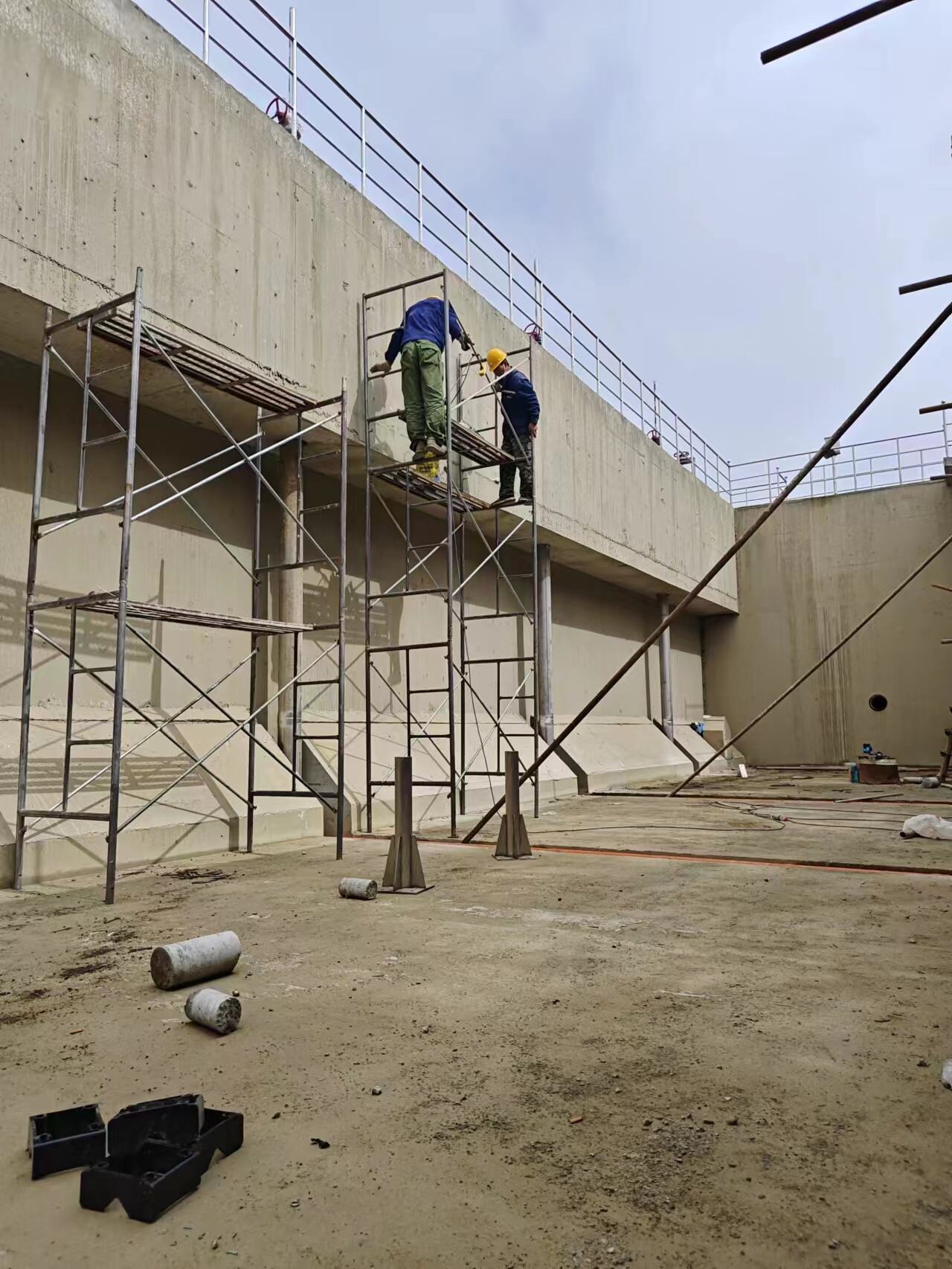
The 45% Maintenance Cost Reduction: Verified Across Aviation and Sewage Treatment Environments
FAA-certified MRO case studies: labor savings, blade longevity, and reduced rework
Aircraft maintenance shops have found that switching to non-metallic scrapers cuts down labor time by about 30% when working on composite surfaces. According to FAA audits, there's been around 60% less need for surface repairs than with old fashioned metal blades because these new tools don't score the underlying material as much thanks to their better edge control. Take the Boeing 787 sealant removal work for example Torlon blades stick around for 8 whole months while steel ones only last about 3 months when used continuously, which means changing blades happens 45% less often. All these improvements together explain why 12 different FAA certified aviation facilities saw their maintenance costs drop by nearly half according to records kept there.
Sewage treatment facility field data: corrosion resistance and extended tool life in aggressive chemical environments
Wastewater treatment facilities have found that their non-metallic scrapers last almost three times longer than traditional options when tackling stubborn biofilm buildup in concrete sedimentation tanks. PEEK blades stay strong and functional for around 1,200 operating hours even in extreme pH conditions ranging from 2 to 11. Carbon steel alternatives? They typically start showing signs of pitting corrosion after just 300 hours of operation. The difference in longevity makes a huge impact on plant operations, cutting down unexpected shutdowns by roughly 70% during those crucial cleaning cycles. And there's another benefit worth mentioning: facilities save approximately $18,000 each year by avoiding costly galvanic corrosion damage to tank surfaces. These real world savings highlight why many operators are now turning to advanced polymer solutions instead of conventional metal components for their toughest chemical processing challenges.
Material Science Advantage: Why Non-Metallic Blades Minimize Substrate Damage and Rework
Torlon® and PEEK Scraper Blades: Thermal Stability, Low Abrasion, and Controlled Edge Compliance on Composites and Coated Steel
Torlon® and PEEK polymers are changing how surfaces get prepared in industries where regulations matter most. These materials stay stable even when temperatures climb past 300°F (around 150°C), so blades maintain their shape without warping or getting soft. This means no more scoring from hot metal tools messing up substrates. According to FAA inspections, these polymer tools show about 70 percent less wear compared to regular stainless steel when working on composite panels. What makes them really useful is how they adapt to curves and contours. The edges flex just enough to make good contact without damaging coated steel digesters or delicate composite parts during maintenance work.
Three material properties drive rework reduction:
- Low Friction Coefficients (0.2–0.3 vs. metal’s 0.7) reduce adhesive buildup, sustaining cutting efficiency
- Galvanic Corrosion Immunity prevents electrochemical reactions on coated substrates
- Tailored Hardness (Rockwell R120–R125) balances wear resistance with surface preservation
In wastewater applications, non-metallic blades achieve 3× longer service life removing calcium sulfate scale from coated tanks—thanks to inherent chemical resistance that avoids pitting-induced coating failures. For aviation composites, PEEK’s modulus of elasticity (3.6 GPa) enables precise, delamination-free material removal. This science-backed performance underpins the cross-industry 45% maintenance cost reduction.
Real-World Validation: Comparative Performance in High-Stakes Refurbishment Tasks
Boeing 787 composite panel sealant removal: plastic vs. steel scrapers (damage rate, throughput, FAA audit readiness)
In FAA regulated aerospace refurbishment work, non metallic scrapers actually perform better than their metal counterparts. When removing sealant from Boeing 787 composite panels, these polymer blades create about 72 percent fewer micro fractures on the surface according to recent composite integrity research. This means technicians can complete repairs roughly 40% quicker overall. Steel tools often need some sort of rework for around one out of every five panels they handle. But the non metallic blades stay dimensionally stable even when temperatures change during different stages of maintenance, which helps ensure those panels pass FAA audits right the first time without needing corrections later. Plus there's another benefit worth mentioning too their non conductive properties prevent any electrostatic discharge issues that could potentially damage sensitive aircraft electronics nearby during repair operations.
Sewage treatment plant coating removal: eliminating pitting, galvanic corrosion, and unplanned downtime
When dealing with harsh conditions in sewage treatment plants, non-metallic scrapers tackle those annoying corrosion problems that come up during routine tank maintenance. Municipal wastewater facilities have found that polymer blades stop those pesky galvanic reactions on coated steel surfaces, cutting down on pitting defects by around two thirds compared to regular carbon steel tools. Maintenance crews are seeing replacement intervals stretch out to about 18 months now, which is roughly three times longer than what they used to experience. What really matters for plant operators is the dramatic drop in unexpected downtime after switching over these tools. The fact that they don't spark makes all the difference in areas where methane buildup creates serious safety concerns. Plus, these materials just sit there without breaking down even after months of contact with hydrogen sulfide and leftover chlorine chemicals in the system.
FAQs
Why are non-metallic scrapers preferred in aviation and sewage treatment facilities?
Non-metallic scrapers are preferred due to their ability to reduce labor time, minimize substrate damage, and withstand extreme conditions longer than traditional metal scrapers, thereby reducing maintenance costs significantly.
How does the use of non-metallic blades impact the maintenance cost?
The use of non-metallic blades impacts maintenance cost by reducing the frequency of blade changes, lowering the need for surface repairs, and extending tool life, leading to significant cost savings in both aviation and sewage treatment facilities.
What benefits do Torlon® and PEEK blades offer in industrial maintenance?
Torlon® and PEEK blades offer benefits such as thermal stability, low abrasion, controlled edge compliance, reduced adhesive buildup, galvanic corrosion immunity, and tailored hardness, making them highly effective in minimizing substrate damage and rework.