 EN
EN

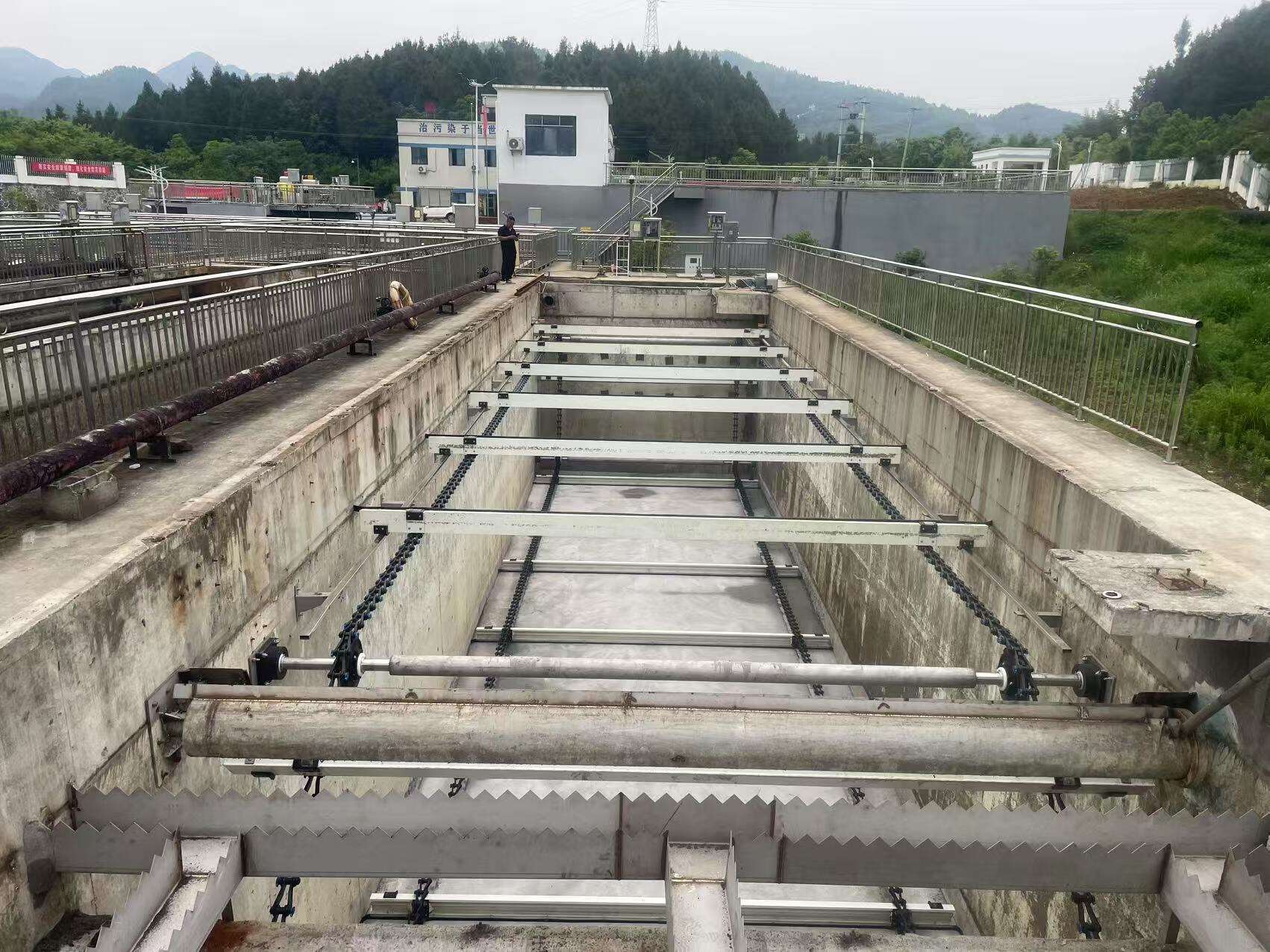
Why Metal Scrapers Fail in Sewage Environments
HâS, organic acids, and microbiologically influenced corrosion (MIC) accelerate metal degradation
When hydrogen sulfide (H2S) gets into sewage systems, it turns into sulfuric acid which eats away at those protective oxide coatings on metal surfaces. At the same time, all those organic acids bring down the pH level below 4, creating really harsh conditions that tear apart the thin protective films on metals. Then there's Microbiologically Influenced Corrosion or MIC for short, which makes things even worse. These sulfate reducing bacteria (SRB) basically feast on both sulfates and metals themselves, causing damage rates that are 200 to 400 percent higher than what we see from regular non-biological corrosion processes. According to various corrosion engineering reports, stainless steel components exposed to these conditions typically wear down between 0.8 and 1.2 millimeters each year. That helps explain why nearly half (around 43%) of metal scrapers used in acidic environments inside sewage treatment facilities need replacing every 18 months or so. The financial impact adds up fast when equipment keeps failing prematurely.
Galvanic corrosion and pitting in stainless steel and cast iron scraper components
When different metals come into contact, like those stainless steel bolts sitting on cast iron frames, we end up with galvanic cells forming between them. These little electrochemical reactions actually eat away at materials anywhere from three to five times quicker than normal corrosion would do on its own. Chloride ions love finding their way through tiny defects in stainless steel surfaces. Once they get inside, they start creating these nasty pits that really weaken the structure. We've seen cases where structural integrity drops somewhere around 40 to 60 percent after just a few years of exposure. Meanwhile, cast iron has its own problems too. The graphite in these materials tends to corrode first, while the ferrite parts dissolve away, leaving behind what looks like Swiss cheese but isn't strong enough to hold anything together anymore. Things get even worse when the pH level dips below 4, which happens quite often near industrial sites. Suddenly that equipment that was supposed to last a decade starts failing within two years instead. Maintenance crews spend roughly 74 percent more money fixing these metal failures compared to simply replacing parts with plastic scrapers, which might sound expensive initially but ends up saving money in the long run.
How Plastic Scrapers Achieve Superior Corrosion Resistance
Electrochemical Inertness: No Oxidation or Ion Leaching in Aggressive Wastewater Chemistry
Materials such as ultra high molecular weight polyethylene (UHMWPE) and nylon 6/66 stand out because they don't react chemically in harsh conditions. These engineered polymers simply won't oxidize or release ions when exposed to corrosive wastewater. What makes them special is their molecular makeup which doesn't conduct electricity at all, so there's no chance of galvanic corrosion happening between different materials. The density range for these plastics sits around 0.94 to 0.98 grams per cubic centimeter, creating surfaces so tight that microbes struggle to stick and chemicals find it hard to penetrate. Even when faced with chlorine concentrations reaching 500 parts per million or sulfuric acid solutions below pH 1 level, these materials still hold up remarkably well with about 98% corrosion resistance intact. Laboratory tests accelerated over time show something impressive too: after equivalent real-world exposure spanning roughly 10,000 hours across extremely acidic to alkaline conditions from pH 2 to 12, the materials keep approximately 89% of their original tensile strength. This kind of durability means polymer components can last much longer than traditional metal alternatives before showing signs of degradation.
Chemical Resistance Profile of Nylon 6/66 and UHMWPE to Sulfides, Chlorine Residuals, and Low-pH Organics
Nylon 6/66 stands up really well against hydrogen sulfide levels found in those anaerobic digesters. Meanwhile, UHMWPE has this water-repelling surface that keeps away those acidic compounds at lower pH levels which tend to eat into metal surfaces pretty aggressively. When it comes to resisting chlorine disinfectants and cracks caused by sulfides, these plastics beat out epoxy coated metals four times over according to some accelerated testing done on them. And all this chemical resistance actually makes a big difference in the money side of things too. Studies looking at wastewater systems show operators save around two thirds on overall costs when using these materials instead of stainless steel options.
Plastic Scraper Design Advantages Beyond Corrosion Resistance
MIC Mitigation: Non-Conductive, Non-Nutritive Surfaces Inhibit Sulfate-Reducing Bacteria (SRB) Biofilm Formation
Plastic scrapers actually work pretty well against Microbiologically Influenced Corrosion (MIC) because they take away two big factors that make it happen: electrochemical reactions and available nutrients. The plastic material doesn't conduct electricity, so it messes up the way sulfate-reducing bacteria (SRB) transfer electrons during their metabolic processes. Plus, since plastic isn't metal and doesn't contain carbon sources, there's nothing for bacteria to stick to when forming those pesky biofilms. Research from wastewater treatment facilities indicates that Ultra High Molecular Weight Polyethylene (UHMWPE) can cut down SRB biofilm attachment by around 70%. This significantly reduces problems with pitting caused by sludge buildup and means operators don't have to resort to expensive biocides or time-consuming mechanical cleaning methods as often.
Operational Benefits: Reduced Maintenance, Longer Service Life, and Lower Total Cost of Ownership vs. Metal Alternatives
The electrochemical stability factor brings some pretty good benefits to operations on the ground. Plants across the country have seen around 40% cuts in their yearly maintenance time when they switch over to these systems made from plastic modules. What's even better? Those pesky corrosion problems that used to eat up so much technician time just disappear completely. Stainless steel parts tell a different story though. They need replacing every other year, and we're talking about serious money here - somewhere around $700k plus change for each new setup. Plastic scrapers tell a totally different tale. These things keep going strong for over a decade with just a quick look once a year. The numbers back this up too. Looking at lifecycle costs shows savings of about 30-35%, something that real world experience confirms. Take one wastewater treatment facility in the Midwest as an example. After making the switch to plastic scrapers, they managed to knock nearly 18% off their total expenses within just twelve months of operation.
FAQ
Why do metal scrapers fail in sewage environments?
Metal scrapers fail in sewage environments due to factors like hydrogen sulfide turning into sulfuric acid, lowering pH levels, and microbiologically influenced corrosion (MIC) from sulfate-reducing bacteria.
How do plastic scrapers achieve superior corrosion resistance?
Plastic scrapers, made from materials like UHMWPE and nylon 6/66, are electrochemically inert and do not oxidize or corrode in aggressive wastewater conditions, maintaining up to 98% corrosion resistance.
What are the operational benefits of using plastic scrapers?
Plastic scrapers offer reduced maintenance, longer service life, and lower total cost of ownership. They mitigate corrosion, last over a decade, and require less frequent replacements compared to metal alternatives.