 EN
EN

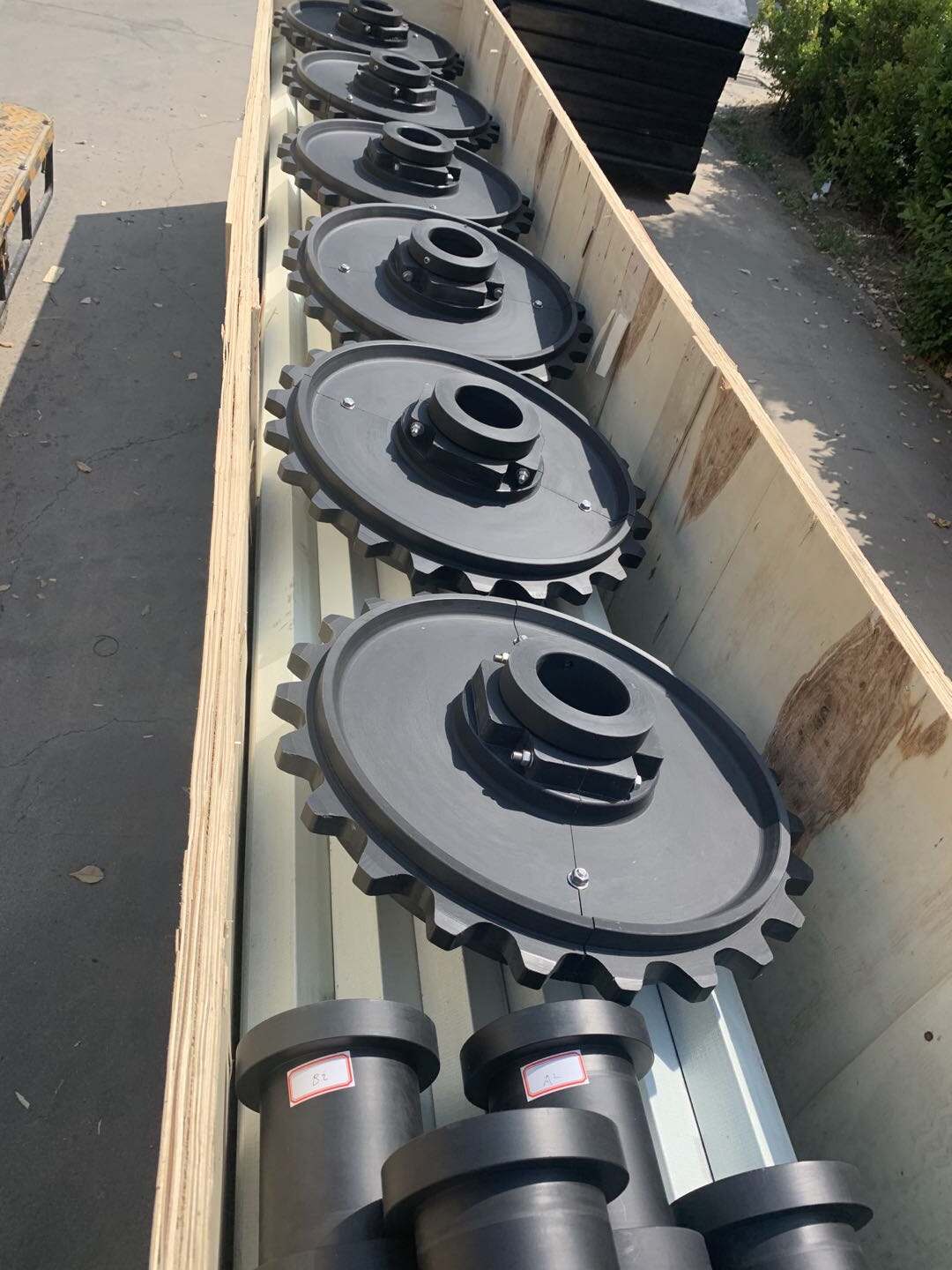
Superior Corrosion Resistance for Reliable Sewage Treatment Operations
Chemical and microbial corrosion challenges in anaerobic/aerobic wastewater zones
Corrosion problems plague sewage treatment plants coming from chemicals and living organisms alike. When areas without oxygen form, they produce hydrogen sulfide gas (H2S) that turns into sulfuric acid once it hits oxygen rich parts of the system. This creates wild fluctuations in acidity levels ranging from very acidic at pH 2 all the way up to highly alkaline at pH 12. At the same time, certain bacteria known as sulfate reducers cause what's called microbiological corrosion or MIC for short, which speeds up how fast metals break down. These combined issues really weaken structures over time. The financial impact is staggering too - according to research by Ponemon Institute last year, these unexpected repair costs run around 740 thousand dollars every single year just within American wastewater treatment centers alone.
Performance comparison: stainless steel vs. UHMWPE/FRP scrapers in pH 2–12 and H₂S-rich sewage treatment environments
Non-metallic scrapers offer decisive advantages over metallic alternatives in corrosive sewage environments. While 316L stainless steel performs adequately under moderate conditions, it is vulnerable to pitting and stress corrosion cracking in high-chloride or H₂S-saturated zones. In contrast:
- UHMWPE (Ultra-High-Molecular-Weight Polyethylene) resists the full pH spectrum (1–14) and is chemically inert to H₂S
- FRP (Fiber-Reinforced Polymer) retains tensile strength and dimensional stability under continuous acid exposure
- Polymer-based systems eliminate galvanic corrosion risks inherent in mixed-metal installations
This immunity delivers a 7:1 service life advantage in low-pH environments (pH < 4):
| Material | Max pH Range | H₂S Resistance | Avg. Service Life |
|---|---|---|---|
| 316L Stainless Steel | 4–9 | Moderate | 3–5 years |
| UHMWPE/FRP | 1–14 | High | 15+ years |
Field data from multiple municipal wastewater facilities show a 92% reduction in scraper-related maintenance interventions when switching to non-metallic designs.
Longer Service Life and Lower Total Cost of Ownership in Sewage Treatment Plants
Non-metallic scrapers deliver substantial economic value through extended service life and minimized lifecycle expenditures.
Lifecycle cost analysis: 40% lower TCO over 15 years vs. galvanized steel scrapers
Independent lifecycle assessments confirm non-metallic scrapers reduce total cost of ownership by approximately 40% over 15 years compared to galvanized steel alternatives. Their resistance to chemical and microbial degradation eliminates recurring replacement cycles—metallic systems typically require full overhaul every 5–7 years, whereas engineered polymers maintain performance beyond 15 years of continuous operation.
Elimination of repainting, cathodic protection, and unplanned downtime in continuous sewage treatment operations
Non metallic scrapers tackle those big money drains that keep eating into budgets. Think about it this way: companies typically spend around $12,000 every other year just for repainting operations. Then there's the whole mess of cathodic protection systems which cost about $35,000 to install and another $7,000 annually for maintenance. And let's not forget the hidden costs of corrosion related downtime. These scrapers stand up against pH swings and hydrogen sulfide exposure without needing extra protective measures. As a result, facilities see roughly 98.5% uptime in their continuous flow processes. This kind of reliability makes a real difference when it comes to keeping operations running smoothly and staying compliant with all those regulations that seem to change overnight.
Optimized Sludge and Scum Removal Performance in Rectangular Sewage Treatment Tanks
Delrin® and UHMWPE Edge Compliance: Reduced Tank Wall Wear and Improved Scum Blanket Capture
The flexible non metallic edges constructed from UHMWPE and Delrin material really boost how well sludge gets removed from those rectangular clarifiers. These aren't your standard rigid metal scrapers that just scrape along the walls. Instead, they actually adapt to small bumps and uneven spots on tank walls, which means better contact across the entire surface area. No more gaps forming where solid waste can build up over time. According to field reports from several water treatment plants, operators have noticed around 70 percent reduction in abrasive damage to concrete surfaces after switching to these newer materials. The difference is pretty remarkable when looking at long term maintenance costs.
Flexible materials work better at grabbing scum from the top of liquids. The edges that bend and flex keep good contact with the surface during the whole scraping process, which helps push those floating bits into the collection area all on their own. Plants that have switched to these systems report around 40% fewer problems with scum messing up operations according to industry reports. This matters a lot for facilities running nonstop where water quality needs to stay consistent day after day without constant adjustments or downtime.
Energy Efficiency Gains from Low-Friction Non-Metallic Scrapers in Sewage Treatment Systems
Friction coefficient differential: UHMWPE (0.12) vs. stainless steel (0.65) driving 18–22% motor energy reduction
The UHMWPE scrapers have a friction coefficient around 0.12 which is over five times better than the 0.65 seen with stainless steel alternatives. What does this mean practically? Well, it cuts down on the torque needed for those sludge removal motors. And when we look at actual operations running continuously, facilities typically see between 18 to 22 percent less energy usage. The impact goes beyond just saving power bills too. Less electricity means less strain on all those moving parts inside the drive systems. Components wear out slower and everything lasts longer before needing replacement. For wastewater treatment plants dealing with tight budgets and environmental regulations, these improvements make a real difference in day to day operations while keeping costs under control over time.
FAQ
Q: What are the main corrosion challenges in sewage treatment plants?
A: Sewage treatment plants face chemical corrosion from hydrogen sulfide gas forming sulfuric acid in oxygen-rich zones, and microbial corrosion from bacteria causing metals to break down.
Q: Why are non-metallic scrapers recommended over stainless steel in sewage treatment?
A: Non-metallic scrapers like UHMWPE and FRP are chemically inert, resist a wider pH range, and offer longer service life compared to stainless steel in corrosive environments.
Q: How do non-metallic scrapers impact lifecycle costs?
A: They reduce total cost of ownership by eliminating frequent replacements and maintenance needs associated with metallic systems, offering a 40% cost savings over 15 years.
Q: What energy efficiency benefits do non-metallic scrapers offer?
A: Non-metallic scrapers have lower friction coefficients, reducing motor energy consumption by 18-22%, lessening strain on mechanical components and extending their lifespan.
Table of Contents
- Superior Corrosion Resistance for Reliable Sewage Treatment Operations
- Longer Service Life and Lower Total Cost of Ownership in Sewage Treatment Plants
- Optimized Sludge and Scum Removal Performance in Rectangular Sewage Treatment Tanks
- Energy Efficiency Gains from Low-Friction Non-Metallic Scrapers in Sewage Treatment Systems