 EN
EN
Reducing Energy and Labor Costs with Automated Sludge Scrapers
Phenomenon: Rising Operational Expenses in Sewage Treatment Plants
Municipal wastewater facilities face escalating operational costs, with energy consumption accounting for 30-40% of total expenses (Water Environment Federation 2023). Manual sludge removal intensifies these pressures, requiring frequent labor interventions to address equipment blockages and inefficient sedimentation. This reactive approach increases downtime and inflates both labor and maintenance budgets.
Principle: How Sludge Scrapers Optimize Solids Removal
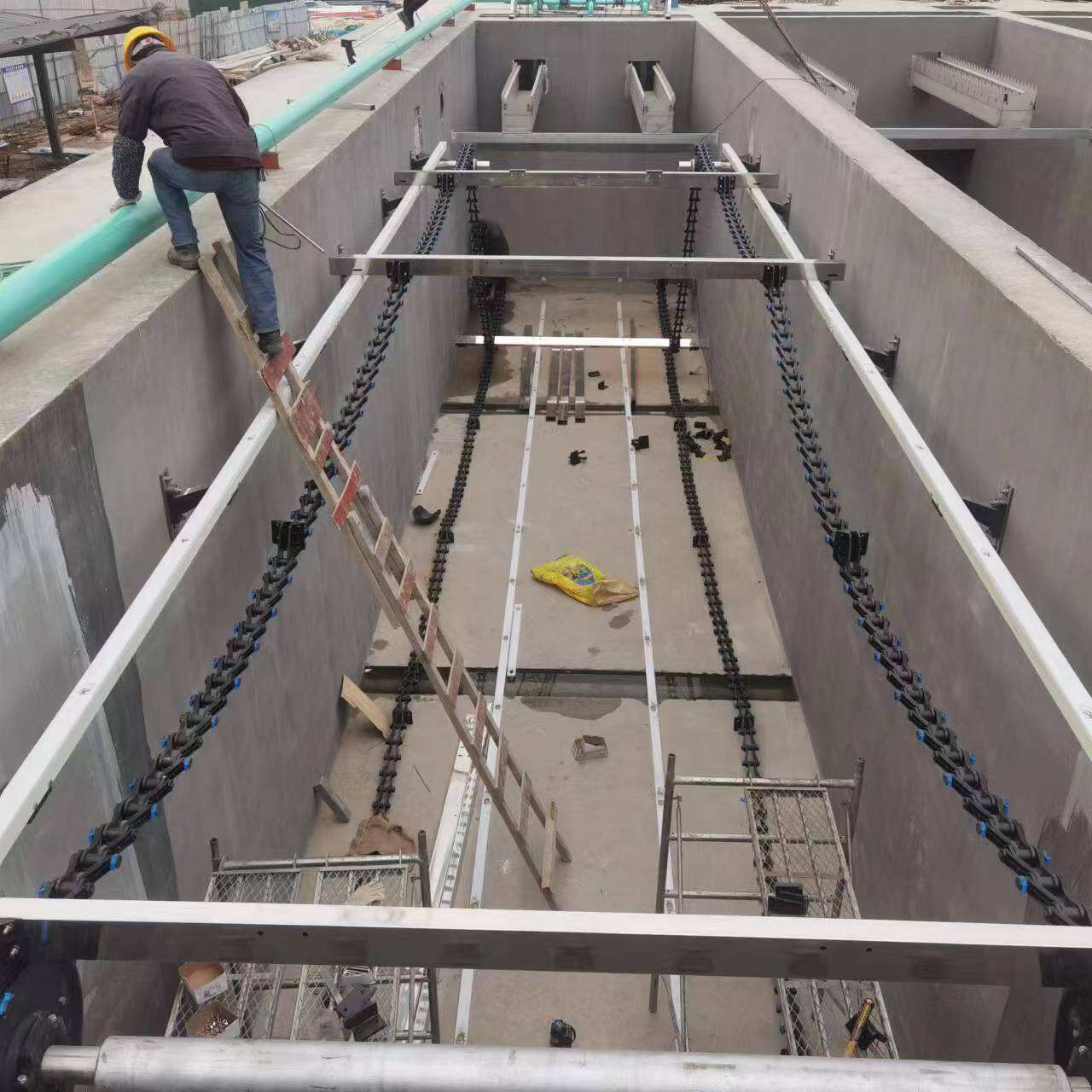
Sludge scraper systems that are automated typically rely on either continuous chains or rotating arms to move settled solids toward collection areas, which helps get rid of those stagnant spots in clarifiers where problems tend to build up. When these systems keep working consistently, they cut down on BOD levels somewhere around 15 to maybe even 20 percent when compared with old fashioned manual cleaning approaches. Operators can tweak the speed and torque settings as needed during operation, so the solids stay at just the right concentration level. This makes everything run smoother further along in the treatment process, saving time and resources for plant managers who need reliable performance day after day.
Case Study: Energy and Labor Savings at a Municipal Wastewater Facility
A Midwestern U.S. plant reduced energy use by 40% after retrofitting its clarifiers with automated scrapers. Variable-frequency drives minimized peak motor loads, while remote diagnostics eliminated 15 weekly labor hours previously spent on manual inspections. The combined electricity and labor savings exceeded $18,000 annually.
Trend: Automation and Real-Time Monitoring in Sludge Scraper Systems
Modern systems integrate IoT sensors to monitor torque, sludge density, and equipment health. Advanced automation platforms enable predictive maintenance, reducing unplanned downtime by 55% in adopting facilities. Cloud-based analytics optimize scraper cycles using influent flow data, delivering an additional 8-12% reduction in energy consumption.
Lowering Sludge Disposal Costs Through Improved Dewatering Efficiency
Wastewater plants spend $50-$200 per ton on sludge disposal, with moisture content directly influencing final costs. Sludge containing 80% water requires four times more transportation and incineration energy than material with 25% solids concentration (ScienceDirect 2019). Efficient dewatering is therefore a critical cost-control measure.
How Sludge Water Content Affects Final Disposal Costs
High-moisture sludge drives up expenses through three primary mechanisms:
- Transportation surcharges: Haulers charge based on weight, making excess water costly
- Thermal processing penalties: Incinerators consume 30% more fuel per percentage point of residual moisture
- Landfill restrictions: Many jurisdictions prohibit disposal of sludge with less than 20% solids, forcing expensive alternatives
Automated sludge scrapers mitigate these issues at the source by delivering thicker, more uniform sludge to dewatering units.
Enhancing Dewatering Efficiency with Consistent Sludge Scraping
By maintaining optimal sludge blanket depths, modern scraper systems prevent the density fluctuations that impair dewatering performance. A 2024 wastewater operations study found that plants with automated scrapers achieved significantly better results:
| Metric | Scraper-Equipped Plants | Manual Removal Plants |
|---|---|---|
| Average sludge solids | 5.2% | 3.8% |
| Polymer consumption | $0.28/ton | $0.41/ton |
| Disposal cost/ton | $142 | $211 |
The 24% higher solids content enables downstream equipment to extract 2-3% more water before disposal, improving overall efficiency.
Data Insight: 20-30% Lower Polymer Usage Due to Improved Sludge Quality
Consistent mechanical scraping stabilizes organic content in sludge feed, allowing polymer dosing systems to maintain effective flocculation with 23% less chemical use on average. Facilities using adaptive scraper speed controls report annual savings of $18,000-$45,000 in conditioning agents.
Maximizing Clarifier Performance and Uptime with Reliable Sludge Scraping
Principle: Continuous Sludge Removal Prevents Settling Complications
Keeping clarifiers running efficiently really comes down to stopping those pesky solids from building up inside them. When systems get overloaded, this buildup can cut hydraulic capacity anywhere from 30% to almost half according to recent studies by Water Environment Federation folks back in 2023. The good news is automated scrapers do away with all that tedious manual raking work. These machines constantly push settled material towards collection points, which helps avoid those trouble spots where sludge just sits around and turns into floating scum problems that mess up water clarity readings. Running these systems nonstop keeps sludge layers at just the right thickness—somewhere between 60cm and 120cm deep—which matches what most operators consider standard practice for proper settling processes in wastewater treatment plants across North America.
Case Study: Increased Clarifier Uptime in a High-Load Treatment Plant
A 150 MGD municipal plant reduced clarifier downtime by 22% after upgrading to chain-driven scrapers with torque monitoring. Previously, biweekly shutdowns were required to clear accumulated solids from secondary clarifiers. Post-installation performance shows:
| Metric | Before Scraper Upgrade | After 6 Months |
|---|---|---|
| Avg. downtime/month | 14 hours | 3 hours |
| Effluent TSS | 18-22 mg/L | 8-12 mg/L |
| Energy use per ML | 9.1 kWh | 6.8 kWh |
Real-time sludge blanket sensors now adjust scraper speeds automatically, preventing solids carryover during storm events.
Strategy: Optimizing Scraper Speed and Cycle Timing for Energy Savings
Variable-frequency drives (VFDs) cut scraper motor energy use by 35-50% compared to fixed-speed systems. Strategic speed modulation includes:
- Low-load periods: 0.8-1.2 RPM minimizes power draw while avoiding compaction
- Peak flows: Brief bursts at 2.5 RPM clear excess solids without sustained high-energy operation
- Night cycles: 2-hour pauses during low inflow reduce daily runtime by 18%
This strategy balances process stability with extended equipment life, prolonging scraper chain service by 3-5 years.
Reduced Wear on Downstream Equipment Due to Early Sludge Handling
By removing 85-90% of solids before they reach pumps and digesters, sludge scrapers reduce abrasive wear. A 2023 analysis of 12 plants revealed:
- 30% fewer pump seal replacements
- 19% longer dewatering centrifuge lifespan
- 14% reduction in digester grit cleaning costs
Early extraction also limits hydrogen sulfide formation in pipelines, a major contributor to corrosion-related failures that cost medium-sized plants an average of $740k annually (Ponemon Institute, 2022).
Long-Term Maintenance Savings and Equipment Lifespan Extension
Extended Lifespan of Clarifiers and Pumps Through Regular Sludge Scraping
Regular sludge removal stops the buildup that puts extra stress on drive shafts and those scraper arms we all know and love. When facilities manage to cut down on anaerobic breakdown and keep abrasive materials from piling up, they tend to see their clarifier bearings last around 30% longer between services. Pump impellers also show about 25% less wear over time according to those latest industry maintenance stats from 2024. Take one plant in the Midwest as an example they actually got nearly 40 thousand extra operating hours out of their clarifier systems once they tweaked how often those scrapers were running. Makes sense when you think about it these small adjustments really add up in the long run for maintenance budgets and equipment lifespan.
Controversy Analysis: Upfront Investment vs. Long-Term O&M Savings
Although automated sludge scrapers require initial capital investment ($50k-$200k depending on clarifier size), lifecycle analysis shows payback periods under three years for most municipal plants:
| Cost Factor | Manual System | Automated Scraper |
|---|---|---|
| Annual labor hours | 480 | 80 |
| Motor replacements | 3/year | 0.5/year |
| Sludge pump repairs | $12k/year | $3k/year |
Equipment refurbishment combined with modern scraping systems extends asset lifespans by 5-7 years compared to conventional approaches.
Use of Scrapers and Conveyor Systems in Sludge Traps to Minimize Blockages
Integrated conveyor mechanisms in sludge hoppers maintain steady material flow, preventing bridging and compaction-the root cause of 68% of grit chamber maintenance calls. Real-time torque monitoring allows operators to adjust scraper speeds proactively, reducing emergency repairs by 55% (2023 wastewater maintenance logs).
Mechanical Pre-Treatment as a Proactive Maintenance Strategy
Removing solids early through mechanical scraping reduces downstream equipment loading by 40-60%, leading to fewer clogs and valve failures. Plants using staged scraper systems in primary treatment report a 90% decrease in digester mixer breakdowns caused by fibrous material ingress.
FAQ Section
What are the benefits of using automated sludge scrapers in wastewater treatment plants?
Automated sludge scrapers help reduce energy consumption by 15-20%, lower maintenance costs, and increase sludge quality for better dewatering efficiency. They also minimize manual labor and enhance operational efficiency.
How do automated sludge scrapers reduce operational costs?
These systems optimize sludge removal, leading to reduced downtime and maintenance. The integration of IoT sensors allows for real-time monitoring and predictive maintenance, resulting in lower energy consumption and labor costs.
What is the typical payback period for investing in automated sludge scrapers?
The payback period for automated sludge scrapers is typically under three years for most municipal plants, considering savings from reduced labor hours and lower maintenance costs.
How do sludge scrapers improve dewatering efficiency?
Automated scrapers maintain consistent sludge blanket depths, preventing density fluctuations and improving sludge quality, which enhances water extraction efficiency during the dewatering process.