 EN
EN

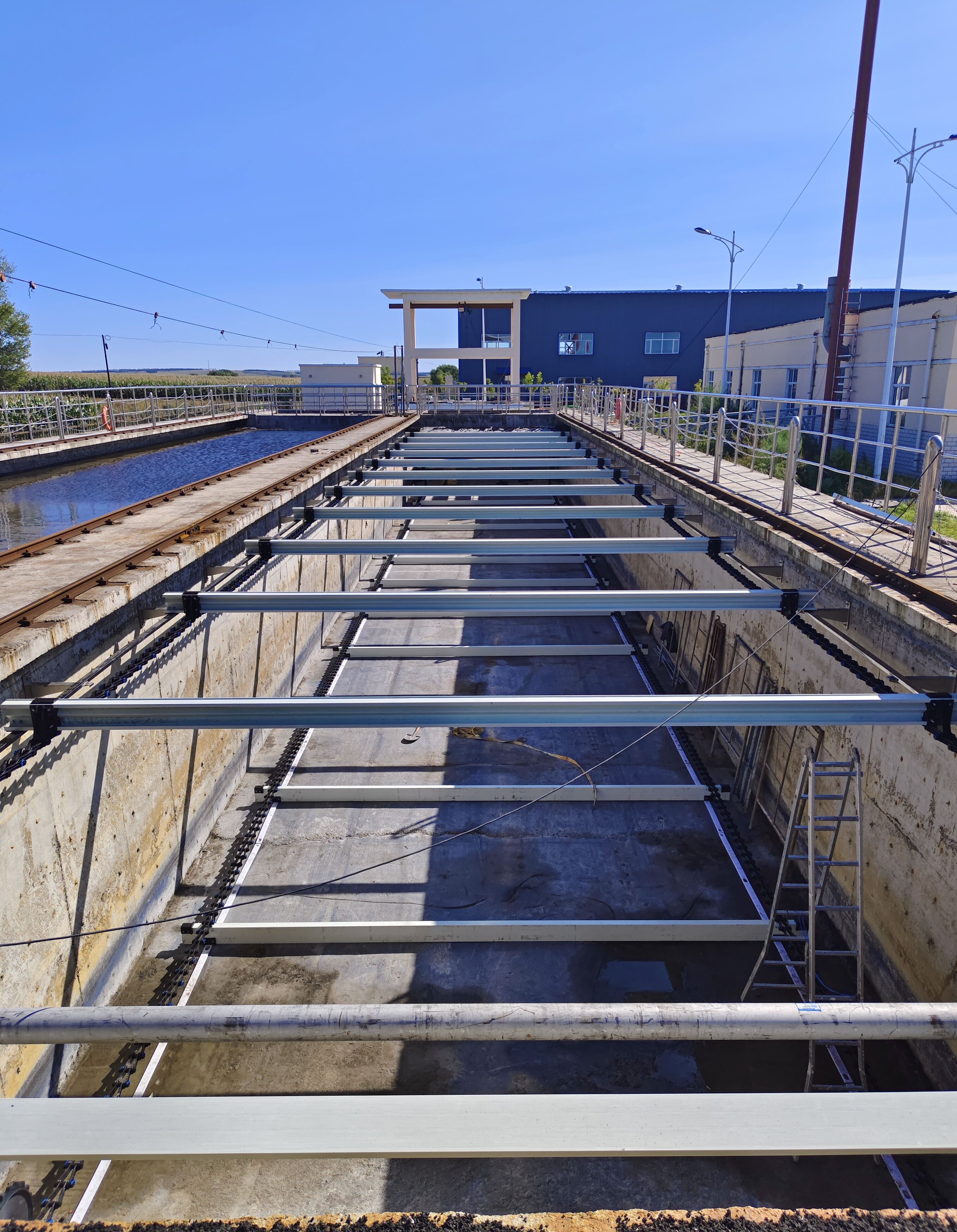
The Impact of Strict Quality Control on Scraper Durability
How Strict Quality Control Correlates With Extended Scraper Service Life
When manufacturers implement strict quality control measures, they're actually extending the life of their scrapers thanks to better precision in manufacturing processes. According to research published in IIoT World back in 2023, machines that went through thorough QC procedures saw about 27% fewer breakdowns before their expected lifespan compared to what's normally seen across the industry. Looking specifically at scraper components, quality assurance involves several key steps. First comes testing for material hardness within a tight ±2% margin. Then there are dimensional checks to ensure everything fits together properly. And finally, engineers run stress tests that simulate thousands of real-world operating cycles right in the R&D phase. These extra precautions might seem time consuming, but they pay off in the long run with equipment that lasts longer and performs more reliably on site.
Key Stages in Quality Control During Scraper Manufacturing
Four critical QC checkpoints ensure durability:
- Raw material spectroscopy to verify alloy composition
- Real-time monitoring of heat treatment temperatures (450°C–600°C range)
- Automated crack detection via eddy-current testing
- Load-bearing capacity validation at 125% of rated capacity
Skipping even one stage increases blade wear by 19%, according to 2024 wear analysis data.
Case Study: Comparing Scrapers From High- and Low-Quality-Control Production Lines
A 2024 analysis of 1,200 industrial scrapers revealed:
| QC Tier | Average Lifespan | Edge Deformation Rate |
|---|---|---|
| Strict | 8,200 hours | 0.3 mm/year |
| Basic | 3,500 hours | 1.7 mm/year |
High-QC models lasted 57% longer and maintained blade integrity under 40 kN/m² abrasive loads.
Growing Trend of ISO-Certified Processes in Scraper Manufacturing
89% of leading scraper manufacturers now follow ISO 9001-certified processes, up from 62% in 2020. Third-party audits show these facilities have 34% fewer material defects than non-certified counterparts, reinforcing the link between standardized QC and product longevity.
Material Selection: Building Longer-Lasting Scrapers
Why Polyurethane (PU) Enhances Wear Resistance in Scraper Blades
The unique makeup of polyurethane gives it both stretchiness and toughness, so cutting blades made from it can handle impacts without losing their sharp edges. Regular hard materials just can't do this. PU actually bends around bumps and uneven spots on conveyors, which means the wear doesn't concentrate in one area. Recent field tests from 2023 showed something interesting too. After running for about 10,000 hours in tough mining conditions, these PU blades kept 92% of their original resistance to wearing down. That's actually 34 percentage points ahead of what we see with rubber alternatives. And there's another benefit nobody talks about much but matters a lot in practice. These blades don't crack as easily when subjected to constant vibrations that would normally create those tiny fractures over time.
Comparing Durability: PU vs. Rubber vs. Metal Scraper Materials
| Material | Abrasion Resistance | Corrosion Resistance | Flexibility | Service Life (Avg.) |
|---|---|---|---|---|
| Polyurethane (PU) | 9.2/10 | 8.5/10 | High | 12–18 months |
| Rubber | 6.8/10 | 7.1/10 | Moderate | 6–9 months |
| Steel | 8.5/10 | 4.3/10* | Low | 8–12 months |
*Stainless steel variants improve to 7.9/10 (ASTM International 2022)
PU’s Shore hardness range (75A–85A) balances cleaning efficiency with deformation recovery—essential for handling abrasive materials like iron ore or gravel.
Corrosion and Abrasion Resistance Under Harsh Operating Conditions
In chemical processing plants with acidic slurries, PU scrapers last 4.6× longer than steel alternatives. Their closed-cell structure resists moisture ingress, while hydrolytic stabilizers prevent degradation in high-humidity environments. Carbon-black-infused PU maintains flexibility at temperatures up to 120°C, outperforming rubber, which becomes brittle under similar conditions.
Reliable Material Sourcing and Consistency in Mass Production
The best manufacturers rely on ISO 9001 certified processes for blending polymers, which helps keep hardness levels within about 2% variation between different batches. This kind of consistency matters a lot when engineers are working on scraper systems that need to work reliably across an entire fleet of vehicles. When it comes to materials, traceable resin sources that meet ASTM D2000 standards make all the difference. Without proper compliance, there's a real risk of filler contamination creeping into the mix, something that can cut down on wear life by nearly half according to field tests. Automated curing systems have become standard practice these days because they create consistent cross linking throughout the material, making sure products perform as expected even when produced at scale for commercial applications.
Design Features That Extend Scraper Service Life
Optimizing Rake Angle, Blade Width, and Penetration Depth for Performance
Precision rake angles (35°–50°) prevent blade deformation while optimizing material flow. Narrower blades (10–12 cm) cut friction-related energy loss by 22–28% compared to oversized designs. A penetration depth of 3–5 mm ensures effective cleaning without excessive belt abrasion, validated through ASTM F2659-15 wear testing.
Understanding Soil-Scraper Interaction in Challenging Environments
Hardened tungsten carbide edges last 3.2× longer than standard steel blades when handling abrasive materials like iron ore tailings. Hydrophobic PU formulations reduce clay adhesion by 74% in wet conditions, maintaining consistent pressure. Temperature-resistant compounds (-40°C to 120°C) prevent brittle failure in extreme climates such as Arctic mining sites.
Structural Reinforcements to Prevent Breakage and Fatigue Failure
Embedded steel cores boost polyurethane blade torsional rigidity by 43% without sacrificing flexibility. Cross-braced aluminum frames distribute impact forces across six stress points, eliminating single-point failure risks. Manufacturers using Finite Element Analysis (FEA) achieve 57% fewer fatigue-related replacements compared to traditional prototyping.
Modular and Adjustable Designs for Improved Longevity and Adaptability
Quick-release clamps allow blade changes in under eight minutes versus 45-minute welded setups. Telescoping mounts accommodate belt width variations up to ±15 cm without performance loss. Rotating cartridges with dual-edge profiles extend service intervals by 400–600 hours in cement plants through reversible wear surfaces.
Common Wear Mechanisms and Failure Prevention in Conveyor Scrapers
Primary Causes of Scraper Wear and Structural Failure in Industrial Use
Abrasive materials, misalignment, and cyclical stress cause 72% of scraper failures in heavy industries (Bulk Material Handling Review, 2023). Coal and iron ore facilities report 30% faster wear rates than aggregate operations due to higher abrasiveness. Common structural issues include:
- Improper tension in mounting brackets
- Corrosion at blade-bracket joints in humid settings
- Fatigue cracks from uneven belt tracking
Failure Analysis of Scraper Components Over Time
Longitudinal studies show polyurethane blades degrade predictably:
| Timeframe | Wear Characteristics | Performance Impact |
|---|---|---|
| 0–6 months | Edge rounding (<2 mm) | 5% cleaning efficiency loss |
| 6–18 months | Mid-blade thinning (3–5 mm) | 15–20% efficiency drop |
| 18+ months | Root fractures near mounts | Risk of catastrophic detachment |
Real-time vibration monitoring enables predictive replacement 2–3 weeks before failure, cutting unplanned downtime by 41% in cement plants.
Balancing Durability and Adaptability: Avoiding the Pitfalls of Over-Engineering
While 6-mm-thick stainless steel blades offer 98% wear resistance in lab tests, their rigidity accelerates belt wear in practice. Leading manufacturers now use:
- Layered PU/rubber composites (Shore 85A–90A)
- Spring-loaded tensioners accommodating ±4 mm belt wander
- Modular segments replaceable in under 15 minutes
This balanced approach extends scraper life to 26–32 months in high-throughput facilities—140% longer than monolithic designs—while preserving belt integrity.
Maintenance Strategies to Maximize Scraper Performance and Lifespan
Preventive and Predictive Maintenance for Scraper Systems
Proactive maintenance reduces replacement costs by 38% compared to reactive repairs (Ponemon 2023). Preventive strategies involve scheduled inspections—such as blade rotation every 2,000 hours or biweekly pivot joint lubrication. Predictive methods use condition-monitoring sensors to detect deviations in vibration or wear patterns, triggering maintenance only when needed.
Routine Inspection and Condition Monitoring Best Practices
Three core tasks ensure optimal upkeep:
- Visual blade assessments: Identify uneven wear exceeding 5% thickness variation
- Alignment verification: Monthly laser checks confirm uniform blade-to-conveyor contact
- Tension calibration: Torque wrenches maintain clamping forces within 50–70 Nm
Daily cleaning removes embedded particulates that accelerate wear by 2.3× (Ponemon 2023).
How Maintenance Frequency Impacts Failure Rates and Service Life
Biweekly maintenance cuts premature failure rates by 62% compared to quarterly servicing. However, excessive intervention poses risks—improper adjustments during weekly servicing caused 17% of scraper breakdowns in 2023. Operators using IoT-enabled monitoring optimize service timing dynamically, extending lifespan by 22% and reducing labor costs by 31%.
FAQ
Q: How does strict quality control extend scraper service life?
A: Strict quality control ensures that scrapers undergo precise manufacturing processes, reducing breakdowns by 27% and resulting in longer-lasting and more reliable equipment.
Q: What materials are best for scraper blades in harsh conditions?
A: Polyurethane (PU) is preferred for its superior wear resistance, maintaining 92% of its resistance in tough conditions after 10,000 hours of use, which is 34% better than rubber.
Q: How often should scrapers undergo maintenance?
A: Biweekly maintenance is recommended to cut premature failure rates by 62%, involving activities such as blade rotation and condition monitoring to detect early signs of wear.
Q: What are the most effective design features for scraper longevity?
A: Features like precision rake angles, structural reinforcements, and modular designs extend scraper service life and adaptability in diverse operating conditions.
Table of Contents
- The Impact of Strict Quality Control on Scraper Durability
- Material Selection: Building Longer-Lasting Scrapers
- Design Features That Extend Scraper Service Life
- Common Wear Mechanisms and Failure Prevention in Conveyor Scrapers
- Primary Causes of Scraper Wear and Structural Failure in Industrial Use
- Failure Analysis of Scraper Components Over Time
- Balancing Durability and Adaptability: Avoiding the Pitfalls of Over-Engineering
- Maintenance Strategies to Maximize Scraper Performance and Lifespan
- FAQ