 EN
EN
Understanding the Scraper System and Its Role in Sludge Removal
What Is a Scraper System and How Does It Function?
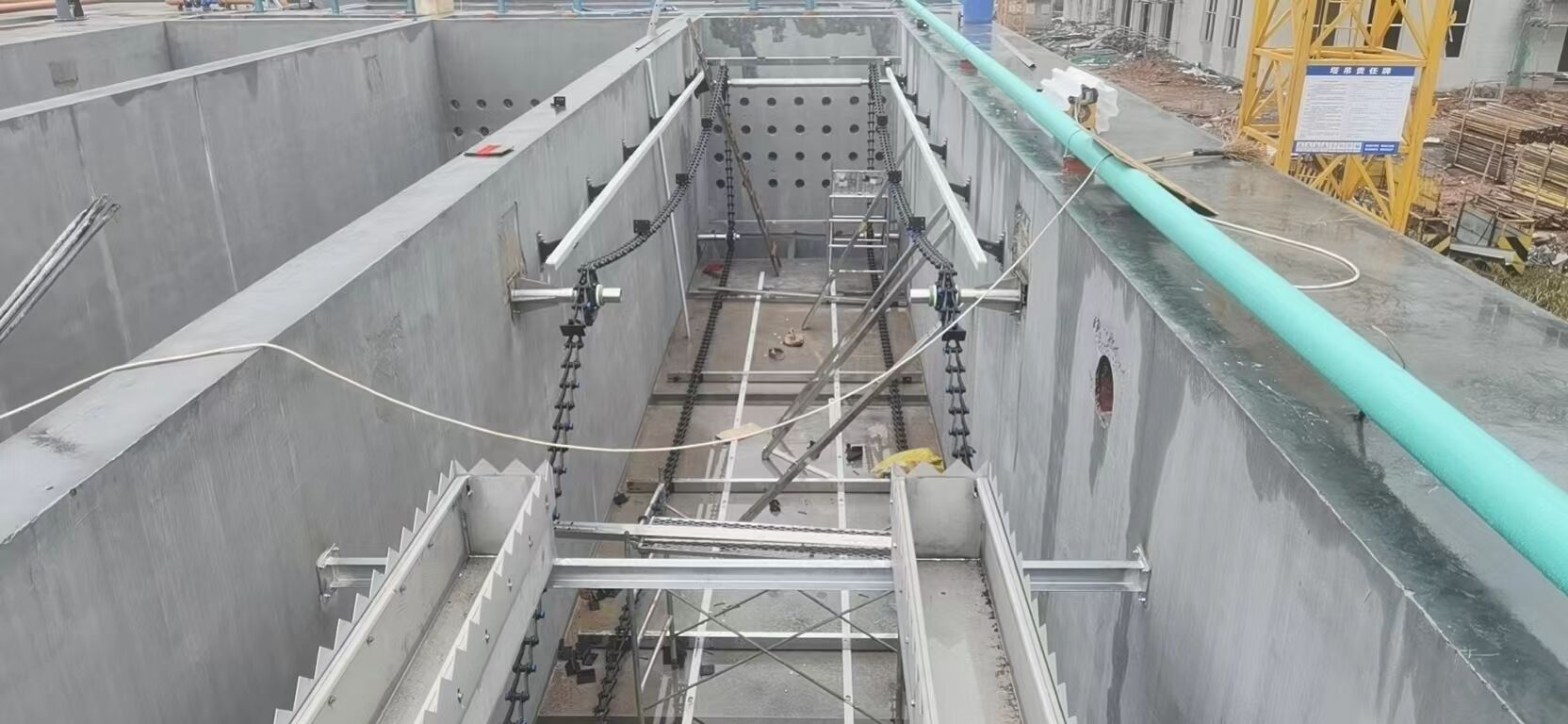
Scraper systems represent one of those mechanical solutions found throughout wastewater treatment facilities, constantly working to clear out settled sludge from sedimentation tanks. Most often, these setups feature motor powered arms or chain mechanisms equipped with cutting edges that move across the bottom of tanks, gradually guiding accumulated waste towards designated collection areas. When looking at primary clarifiers specifically, proper operation of these scrapers matters quite a bit since unchecked sludge buildup can cut down on overall treatment efficiency somewhere between 15 and 30 percent according to recent findings in the Wastewater Optimization Report for 2023. For secondary clarifiers though, engineers typically modify standard scraper configurations to better manage the lighter biological sludge while making sure not to break apart delicate microbial structures that form during the treatment process.
The Role of Scraper Mechanisms in Clarifier Operations
Clarifier systems rely on scraper mechanisms for keeping things running smoothly, mainly because they handle two important jobs at once. First, these scrapers constantly remove sludge buildup so primary tanks don't turn into septic messes. Second, they tackle surface scum problems by skimming off all that floating debris in secondary clarifiers. Most rectangular basins typically use chain driven systems, whereas circular tanks often have those rotating scrapers mounted around a central pivot point. Get them set up right and either system will catch about 95 to almost 100 percent of the sludge based on what industry standards show. That kind of performance makes a big difference in plant operations day after day.
Key Components of Mechanical Sludge Removal Systems
- Drive motors: Deliver 0.5–3 RPM torque for consistent operation
- Scraper blades: Tungsten-reinforced edges resist abrasive wear
- Guide rails: Laser-aligned tracks ensure blade precision
- Load sensors: Detect sludge density changes above 1,200 mg/L
Modern systems integrate these components with PLCs to adjust scraping frequency based on real-time sludge blanket levels, reducing energy use by up to 22% compared to timer-based controls.
Optimizing Scraper Design and Tank Geometry for Full Coverage
Getting rid of sludge effectively means having scraper systems that fit the size and shape of the clarifier they're working in. The blades need to follow the curve of the tank walls so there aren't any spots where sludge just sits around instead of moving. Most systems have drive mechanisms that can handle pretty thick sludge, usually somewhere between 30 and 50 Newton meters per square meter. When it comes to rectangular tanks, those with bidirectional flights actually cut down on how far sludge has to travel compared to traditional radial designs. This makes a big difference because it keeps settled solids from getting stirred back up into suspension. And if the hopper angle is steeper than 60 degrees, that helps push everything along toward the discharge point much better. Operators who've worked with these systems know firsthand how important these design details really are.
Impact of Tank Shape and Size on Scraper Performance
For circular clarifiers, radial scrapers that keep rotating continuously are essential to prevent water from sitting still and causing problems. Rectangular tanks work better with linear systems where operators can adjust how far the scraper moves back and forth. When dealing with large circular tanks (those bigger than 30 meters across), engineers typically install extra support beams called crossbeams. These help keep the tank structure stable so it doesn't bend more than 2 mm when loaded up. As for tank dimensions, most professionals agree that maintaining a depth to width ratio of less than 1:4 creates better water flow throughout the system. This simple design choice actually makes a big difference in practice, cutting down on those annoying pockets of sludge that tend to form in certain areas. Some field tests indicate this approach reduces localized sludge accumulation somewhere between 15% and maybe even 20%.
Maximizing Sludge Removal Efficiency in Primary and Secondary Clarifiers
Primary clarifiers process thick sludge (4–6% solids) using heavy-duty blades angled at 45–55°, while secondary clarifiers manage thin slurries (0.5–1.5% solids) with precision control. Variable frequency drives (VFDs) allow speed adjustments from 0.1–1.5 m/min, responding to real-time sludge blanket levels measured by ultrasonic sensors.
Case Study: Improved Clarifier Performance at a Municipal Wastewater Facility
A 50-year-old treatment plant reduced desludging frequency from daily to weekly after retrofitting scrapers with corrosion-resistant polymers and optimizing flight geometry. This upgrade cut energy use by 18% (from 5.2 kWh to 4.3 kWh per ML treated) while maintaining 98% sludge removal efficiency across seasonal variations.
How Sludge Characteristics Influence Scraper System Effectiveness
How Sludge Viscosity and Density Influence Scraper Mechanism Effectiveness
The thickness and weight of sludge really matters when it comes to how much force equipment needs to handle and how well blades work. When dealing with sludge that's thicker than 500 mPa·s, operators see around 30 to 40 percent more resistance compared to regular solids. This means stronger chain drives are needed along with materials that can take the punishment, such as stainless steel components or those GRP composite parts we've been seeing more of lately. Things get even trickier when sludge contains more than 12% solids content. Motors in primary clarifiers have to work about half again as hard under these conditions. That's why many plants now install variable speed drives not just to avoid blowing fuses but also to keep things moving at that sweet spot between 2 and 4 centimeters per second for proper transport without wasting energy.
Challenges in Gravity Thickening and Scraper Interactions
When dealing with sludge concentrations above 25% solids, gravity thickeners run into some serious operational headaches. Standard flighted scraper systems typically leave behind around 18 to 22 percent of sludge residue in those conical bottom tanks, which explains why many plants switch to dual action systems featuring oscillating cutting blades instead. Maintenance routines matter a lot here too. Most operators find that checking chain tension once a month and adjusting blade angles every three months (keeping them between about 35 and 45 degrees) cuts down on unexpected shutdowns by roughly three quarters at facilities processing thick biosolids. These routine checks really pay off because they stop problems like sludge bridging and hopper clogs from happening, issues that plague most installations working with highly concentrated materials day after day.
Key operational thresholds for thickener scrapers:
| Parameter | Optimal Range | Critical Threshold |
|---|---|---|
| Sludge solids content | 18-24% | >28% |
| Blade pressure | 50-75 kPa | >90 kPa |
| Surface speed | 0.03-0.05 m/s | <0.02 m/s |
This balanced approach ensures efficient sludge removal while managing mechanical stress across varying consistencies.
Common Types and Benefits of Mechanical Scraper Systems
Common Sludge Scraper Types and Their Operational Principles
There are basically three different types of mechanical sludge removal systems commonly used in wastewater treatment facilities. The first type we'll look at is peripheral driving scrapers which have motors mounted along the edges of circular tanks. These machines push sludge towards outlet points, working effectively even in large tanks measuring up to 40 meters across. Another popular option is truss scrapers that function well in rectangular basins. They feature bridge mounted arms that sweep through the tank, collecting sludge into collection troughs. Industry data suggests these can achieve removal efficiencies between 92% and 97% in primary clarification processes. For situations involving high density sludge in lengthy rectangular tanks, chain and flight systems tend to be the go to solution. These systems consist of continuous loops made from corrosion resistant chains with attached flights for transport. According to a recent industry survey from 2023, most municipal plants (around 78%) reported significantly reduced maintenance issues when switching from chain driven alternatives to truss scraper technology, seeing about 30% fewer problems overall.
Advantages of Using Sludge Scrapers in Large-Scale Treatment Plants
Scraper systems offer unmatched scalability in plants processing over 50,000 m³/day. Their reliability supports 24/7 operation even with sludge concentrations up to 6% total solids. Key benefits include:
- Reduced energy costs: Auto-adjusting torque controls cut power usage by 25% versus fixed-speed systems
- Simplified maintenance: Top-mounted drive units allow component replacement without draining the tank
- Operational flexibility: Interchangeable flight designs accommodate viscosities ranging from 10–3,000 mPa·s
These systems sustain >90% collection efficiency despite seasonal fluctuations in sludge characteristics, preventing clarifier overloads and downstream bottlenecks.
Troubleshooting and Maintaining Scraper System Performance
Identifying Common Sludge Removal Issues in Clarifiers
Four recurring issues impair scraper performance in clarifiers:
- Chain/bridge misalignment, leading to uneven sludge distribution (affects 23% of municipal plants)
- Excessive torque spikes from sludge layers exceeding 12% solids
- Corrosion-induced degradation, especially in low-pH environments (<6.5)
- Scum buildup gaps where 81% of facilities report areas beyond blade reach
Weekly monitoring of drive motor amperage—particularly fluctuations exceeding 15% above baseline—can signal impending mechanical failures. Infrared thermography during preventive maintenance detects bearing hotspots 2–3 weeks before seizure.
Strategies for Maintaining Consistent Scraper System Performance
Proactive maintenance extends scraper system lifespan by 40–60% compared to reactive repairs:
| Practice | Frequency | Key Benefit |
|---|---|---|
| Gearbox oil analysis | Quarterly | Identifies 89% of lubrication issues before failure |
| Blade edge alignment checks | Biweekly | Reduces raking torque by 18–22% |
| Full-chain tension audits | Semi-annually | Prevents 74% of derailment incidents |
When factories install automated grease dispensers along with those smart vibration sensors from the Internet of Things, they see about half the unplanned downtime (around 53%) at facilities dealing with flow rates above 50 thousand gallons per day. Plants that switch to scraper blades coated with special polymers find themselves replacing parts much less often too — roughly 37% reduction when working with really rough industrial sludge materials. And here's something interesting: companies that invest in proper training for their workers alongside these tech improvements tend to fix problems on the first try most of the time. Factories with trained personnel hit around 91% success rate right out of the gate without needing multiple attempts or outside help.
FAQ
What is a scraper system used for?
A scraper system is used in wastewater treatment facilities to remove settled sludge from sedimentation tanks, thereby preventing sludge build-up and maintaining treatment efficiency.
Why are scraper systems important for clarifiers?
Scraper systems are crucial for clarifiers because they remove sludge accumulation, prevent septic conditions in primary tanks, and skim surface scum in secondary clarifiers.
What factors influence scraper system performance?
Factors influencing scraper system performance include sludge viscosity and density, tank shape and size, and the specific design of scraper systems such as blade angles and drive mechanisms.
How can scraper systems improve efficiency in treatment plants?
Scraper systems improve efficiency by reducing energy costs through auto-adjusting torque controls, simplifying maintenance, and providing operational flexibility across varying sludge consistencies.
Table of Contents
- Understanding the Scraper System and Its Role in Sludge Removal
- Optimizing Scraper Design and Tank Geometry for Full Coverage
- Impact of Tank Shape and Size on Scraper Performance
- Maximizing Sludge Removal Efficiency in Primary and Secondary Clarifiers
- Case Study: Improved Clarifier Performance at a Municipal Wastewater Facility
- How Sludge Characteristics Influence Scraper System Effectiveness
- Common Types and Benefits of Mechanical Scraper Systems
- Troubleshooting and Maintaining Scraper System Performance
- FAQ