 EN
EN

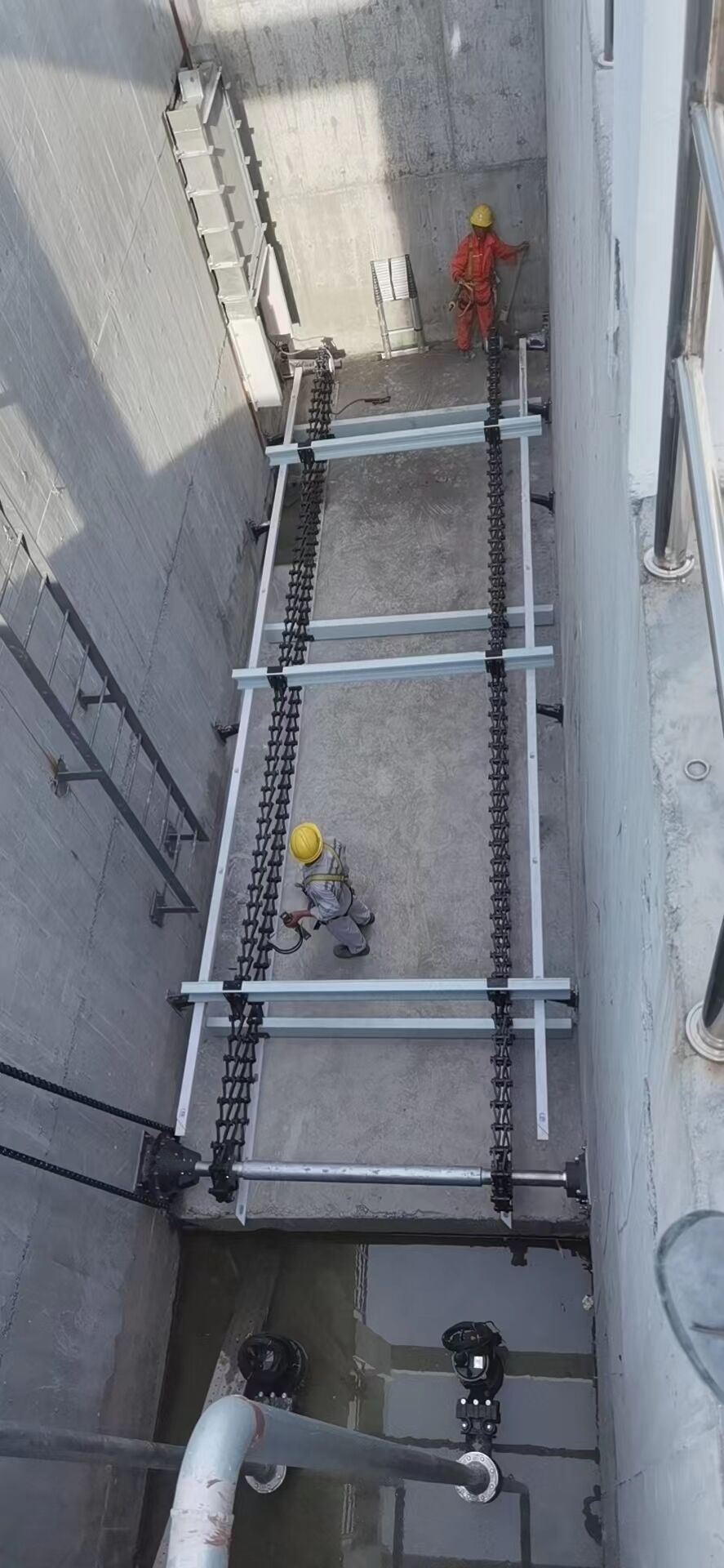
Unmatched Corrosion Resistance in Aggressive Sludge Environments
Chemical resilience against HâS, organic acids, and anaerobic digestate
In wastewater treatment plants where hydrogen sulfide (H2S), volatile fatty acids, and anaerobic digestate are common, plastic scrapers show remarkable resistance to chemical attack. These substances create a corrosive cocktail that eats away at stainless steel components over time, causing pits and cracks in equipment. Unlike metal alternatives, engineered plastics don't react with these chemicals because their molecular makeup doesn't support electrochemical reactions. This means no material breakdown occurs even after months of constant contact with harsh wastewater environments. For plant operators dealing with aggressive chemical conditions day in and day out, this durability translates into longer lasting equipment and fewer replacement costs down the line.
Extended service life: plastic scrapers outperform stainless steel in low-pH (2â5) wastewater streams
Plastic scrapers last anywhere from 3 to 5 times longer in acidic wastewater conditions (around pH 2-5) compared to their stainless steel counterparts. Metal parts tend to wear down much faster too, sometimes losing half a millimeter per year because of hydrogen ions getting through and those pesky chloride-induced cracks forming under stress. Unlike metals, polymer materials don't experience galvanic degradation issues at all. These plastic systems hold up well across a wide range of acidity levels from pH 2 right up to pH 11 without significant deterioration. One major equipment maker actually tracked their performance over time in primary clarifiers dealing with meat processing waste streams. Their plastic scrapers ran continuously for 14 years straight while stainless steel versions needed replacing every six months or so. When we look at the bottom line, these durable plastic options cut lifecycle costs by about 60%. Plus they save money on regular acid washing maintenance that's both expensive and time consuming for plant operators.
Lower Total Cost of Ownership Through Reduced Maintenance and Downtime
Field validation: 73% fewer unscheduled stoppages across 12 municipal WWTPs (2022â2023)
Looking at data collected from twelve different municipal wastewater treatment facilities reveals something interesting about plastic scraper systems. These systems managed to cut down on unexpected shutdowns by around 73% when compared to their metal counterparts over the past couple of years (2022 to 2023 specifically). Why does this happen? Well, plastic just doesn't stick to those pesky fibrous solids or get caught up in all that biological growth which tends to cause problems in clarifiers. When there are fewer times when mechanics need to jump in and fix things, maintenance crews end up saving roughly 42 man hours each month for every unit they manage. And let's not forget about what happens when plants experience downtime. Without these interruptions, there's less chance of having to activate emergency bypasses during those busy peak flow times. We're talking about real money here too - sometimes upwards of eighteen thousand dollars gets charged as penalties whenever untreated water ends up overflowing into local waterways according to reports from the Water Environment Federation.
ROI analysis: plastic scraper payback achieved in â¤14 months vs. carbon steel alternatives
Looking at lifetime costs tells us plastic scrapers actually give a quicker return on investment compared to traditional carbon steel options. With carbon steel setups, there are constant money drains to consider. Blades need replacing roughly every six to eight months, costing anywhere from $1,200 up to around $2,500 per replacement. Then there's the issue of corrosion damage too, which typically leads to chain repair bills totaling about $740,000 each year according to industry research. Engineered polymer materials solve these problems completely. They stop galvanic corrosion in its tracks and can last well over three years before needing service, which cuts down spare part spending by nearly two thirds. Facilities also benefit from reduced energy consumption since these systems require 19% less drive torque, meaning motors consume between 12% and 18% less power overall. Plus, nobody has to spend money on those expensive rust prevention chemicals anymore. Most industrial sites find they recoup their initial investment within just fourteen months. And when we look at total costs over ten years, even though plastic systems cost more upfront, they end up being 31% cheaper in the long run.
Energy Efficiency and Wear Reduction via Low-Friction Plastic Scraper Design
UHMWPEâs self-lubricating properties cut drive torque by up to 65% under high-solids shear
UHMWPE has natural lubricating properties that cut down on friction between parts in sludge treatment systems. When used in places where there's a lot of solid material like anaerobic digesters or primary clarifiers, these self-lubricating characteristics can reduce drive torque by as much as two thirds. What does this mean practically? Less mechanical resistance translates to real energy savings. Many facilities have seen their motor power consumption drop anywhere from 12 to 18 percent. And we're not just talking about energy savings here either. Components last longer too, with wear rates dropping between 40 and 60 percent in those tough abrasive sludge conditions. For wastewater treatment plants looking to improve efficiency without breaking the bank, switching to modern plastic scraper technology made from UHMWPE represents a smart sustainable upgrade option.
Proven Gains in Solids Removal and System Reliability with Modern Plastic Scraper Systems
Case study: Orange County Water District â 22% higher primary clarifier solids capture using plastic chain scrapers
After switching to modern plastic chain scrapers, Orange County Water District saw a pretty impressive 22% boost in capturing solids from primary clarifiers, which made the whole treatment process downstream much more reliable. There are actually two main reasons why this works so well. First, those flexible chain links stay in good contact with the tank floor even when there are bumps or uneven spots on the surface. Second, the materials used resist corrosion, so they keep their shape and function properly for years even in harsh sludge conditions. Another big plus? Maintenance crews reported 41% fewer unexpected breakdowns each year after the upgrade. So it looks like these improved plastic scraper designs really do double up as better at removing waste and keeping operations running smoothly without constant interruptions.
FAQ Section
What are the advantages of using plastic scrapers over metal ones in wastewater treatment?
Plastic scrapers offer unmatched corrosion resistance and extended service life even in aggressive environments with low pH levels, outperforming metal alternatives like stainless steel and carbon steel.
What makes UHMWPE a suitable material for plastic scrapers in sludge environments?
UHMWPE has self-lubricating properties that reduce friction and drive torque, leading to energy efficiency, less mechanical wear, and longer component life.
How do plastic scrapers contribute to cost savings in wastewater treatment facilities?
Plastic scrapers reduce maintenance costs, downtime, and energy consumption while providing a quicker return on investment through fewer replacements and repairs compared to traditional metal options.
Table of Contents
- Unmatched Corrosion Resistance in Aggressive Sludge Environments
- Lower Total Cost of Ownership Through Reduced Maintenance and Downtime
- Energy Efficiency and Wear Reduction via Low-Friction Plastic Scraper Design
- Proven Gains in Solids Removal and System Reliability with Modern Plastic Scraper Systems