 EN
EN

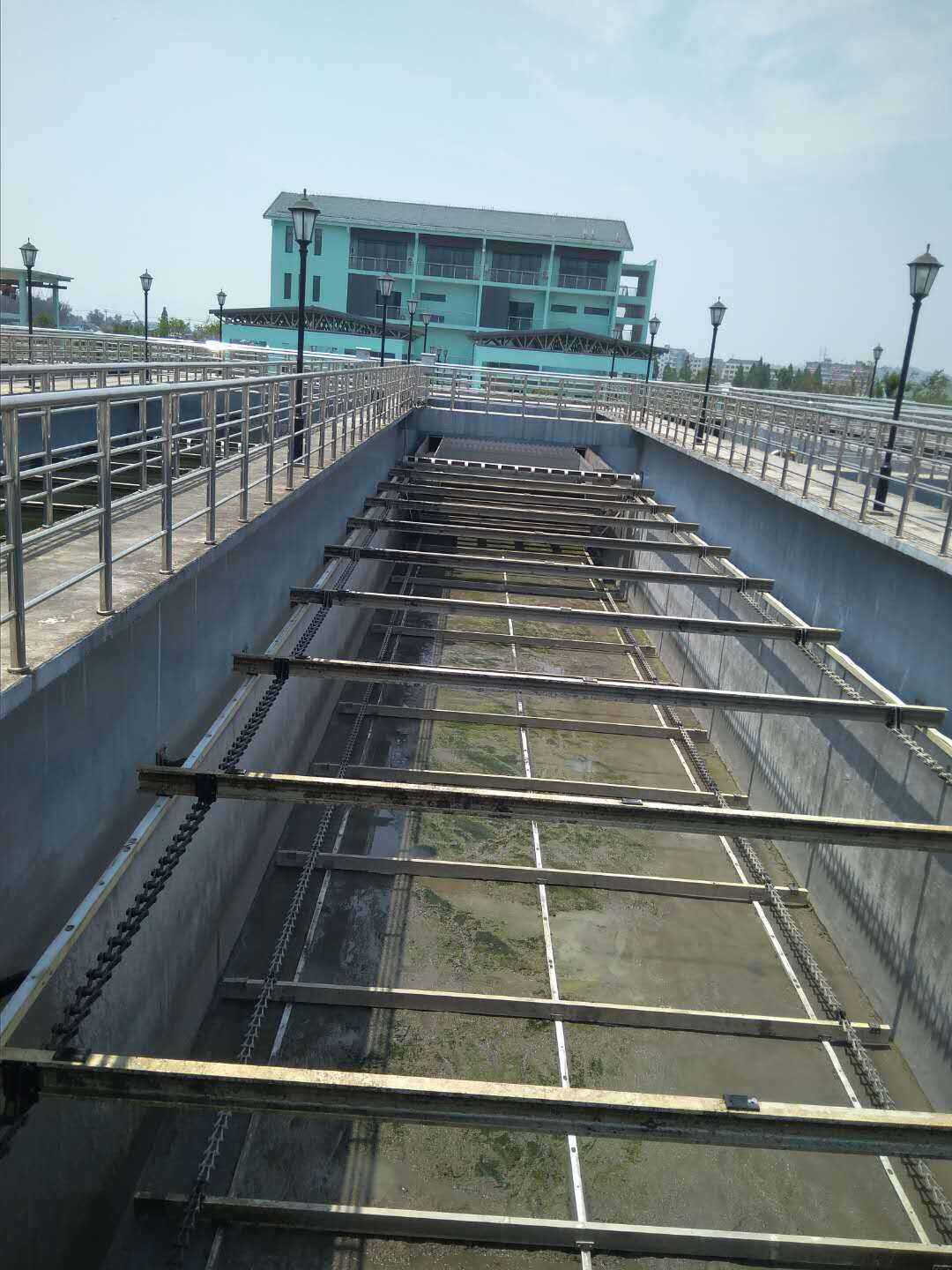
Corrosion Resistance and Long-Term Durability in Sewage Treatment Plant Environments
Chemical and microbial corrosion challenges in primary and secondary clarifiers
The primary and secondary clarifiers used in wastewater treatment plants suffer serious corrosion problems mainly because of hydrogen sulfide turning into sulfuric acid plus all that microbially induced corrosion stuff they talk about. Metal parts in these systems tend to wear out about three times quicker compared to regular wastewater conditions. When concrete comes into play, things get even worse. The material starts breaking down fast once the pH level goes under 4.5, which happens quite often where there's lots of hydrogen sulfide hanging around. This means structural failures happen much sooner than expected in those important settling areas where everything depends on solid construction.
Material science breakthroughs: HDPE, UHMW-PE, and fiber-reinforced composites
Modern non-metallic materials eliminate corrosion vulnerabilities through molecular inertness:
- HDPE (High-Density Polyethylene): Resists the full sewage pH range (2–12)
- UHMW-PE (Ultra-High Molecular Weight Polyethylene): Delivers 15× the wear life of stainless steel under abrasive sludge conditions
- Fiber-reinforced composites: Retain structural integrity during continuous microbial exposure
These polymers prevent electrochemical degradation pathways that compromise metals, while their hydrophobic surfaces reduce biofilm adhesion by 78% compared to metallic alternatives.
Lifecycle data: 15+ year service life vs. 5–7 years for stainless-steel scrapers (EPA WERF 2022)
Non-metallic scrapers deliver quantifiable longevity advantages across North American sewage treatment plants:
| Material Type | Average Service Life | Failure Rate | Maintenance Cost (15-year period) |
|---|---|---|---|
| Stainless Steel | 5–7 years | 42% corrosion failure | $18,000/unit |
| Non-Metallic Composites | 15+ years | <8% material degradation | $6,200/unit |
Source: EPA Water Environment Research Foundation 2022 study of 140 plants
This extended lifespan reduces scraper replacement frequency by 60% and eliminates galvanic corrosion risks when retrofitting existing infrastructure.
Superior Sludge and Scum Removal Performance in Sewage Treatment Plants
Hydraulic efficiency and low-torque operation in high-viscosity sludge layers
Studies on sedimentation tanks show that non-metallic scrapers actually perform about 30% better when it comes to hydraulic efficiency in those thick sludge layers compared to traditional metal options. What makes them work so well? The polymer materials used create roughly 40% less rotational torque which means they consume less power but still manage to keep the same level of cleaning effectiveness. These scrapers have blades designed specifically to cut through resistance in fluids and stop solid particles from getting stirred back into suspension. Plus their lightweight nature allows them to move smoothly across different layers of sludge reaching depths of around 2.5 meters even when there's heavy flow going on in the system. This kind of performance is becoming increasingly important for wastewater treatment facilities looking to optimize operations.
Non-adhesive surface properties preventing biofilm buildup and clogging
Composite materials just don't play well with microbes sticking to them, which cuts down on biofilm buildup by about 70% when compared to metal surfaces according to research from the Wastewater Engineering Research Foundation back in 2023. What makes these materials so effective is their super smooth surface at a molecular level. Think of it like Teflon for water treatment equipment - stuff just slides right off instead of clinging on. This solves that annoying problem we all know in primary clarifiers where grease and fat basically glue themselves onto moving parts over time. Maintenance folks no longer need to climb into those tanks every week anymore. Instead they can check things out once every three months or so, saving hours of work and keeping the whole system running smoother between service calls.
Operational and Infrastructure Advantages for Retrofitting Sewage Treatment Plants
Modernizing existing sewage treatment plants with non-metallic scrapers resolves critical infrastructure constraints.
Elimination of Galvanic Corrosion and Electrical Grounding Complications
Engineered polymer composites eliminate galvanic corrosion between dissimilar metals—removing the need for complex electrical grounding systems in wet environments. This cuts installation time by 30% and eliminates recurring grounding-related maintenance, simplifying retrofits for budget- or space-constrained facilities.
Weight Reduction (Up to 60%) Enabling Safe Retrofit on Legacy Bridge Structures
Advanced composites achieve up to 60% weight reduction versus steel scrapers—enabling retrofit onto aging clarifier bridges built before 1990 without structural reinforcement. Engineers report 40% faster installation on load-limited structures, avoiding costly bridge replacements while extending asset lifespans.
Frequently Asked Questions
What are the main causes of corrosion in sewage treatment plants?
Corrosion in sewage treatment plants is mainly caused by chemical reactions involving hydrogen sulfide, which turns into sulfuric acid, and microbial activities that result in electrochemical degradation.
Why are non-metallic materials preferred for sewage treatment plants?
Non-metallic materials such as HDPE, UHMW-PE, and fiber-reinforced composites are preferred due to their resistance to corrosion, enhanced durability in harsh chemical environments, and reduced biofilm adhesion.
How do non-metallic scrapers improve sludge removal in treatment plants?
Non-metallic scrapers improve sludge removal by offering better hydraulic efficiency, 40% less rotational torque, and superior non-adhesive surface properties that reduce biofilm buildup.
What operational benefits do non-metallic scrapers provide in retrofitting projects?
Non-metallic scrapers eliminate galvanic corrosion and grounding complications, reduce weight for safer installation on legacy structures, and offer faster installation timelines.