 EN
EN

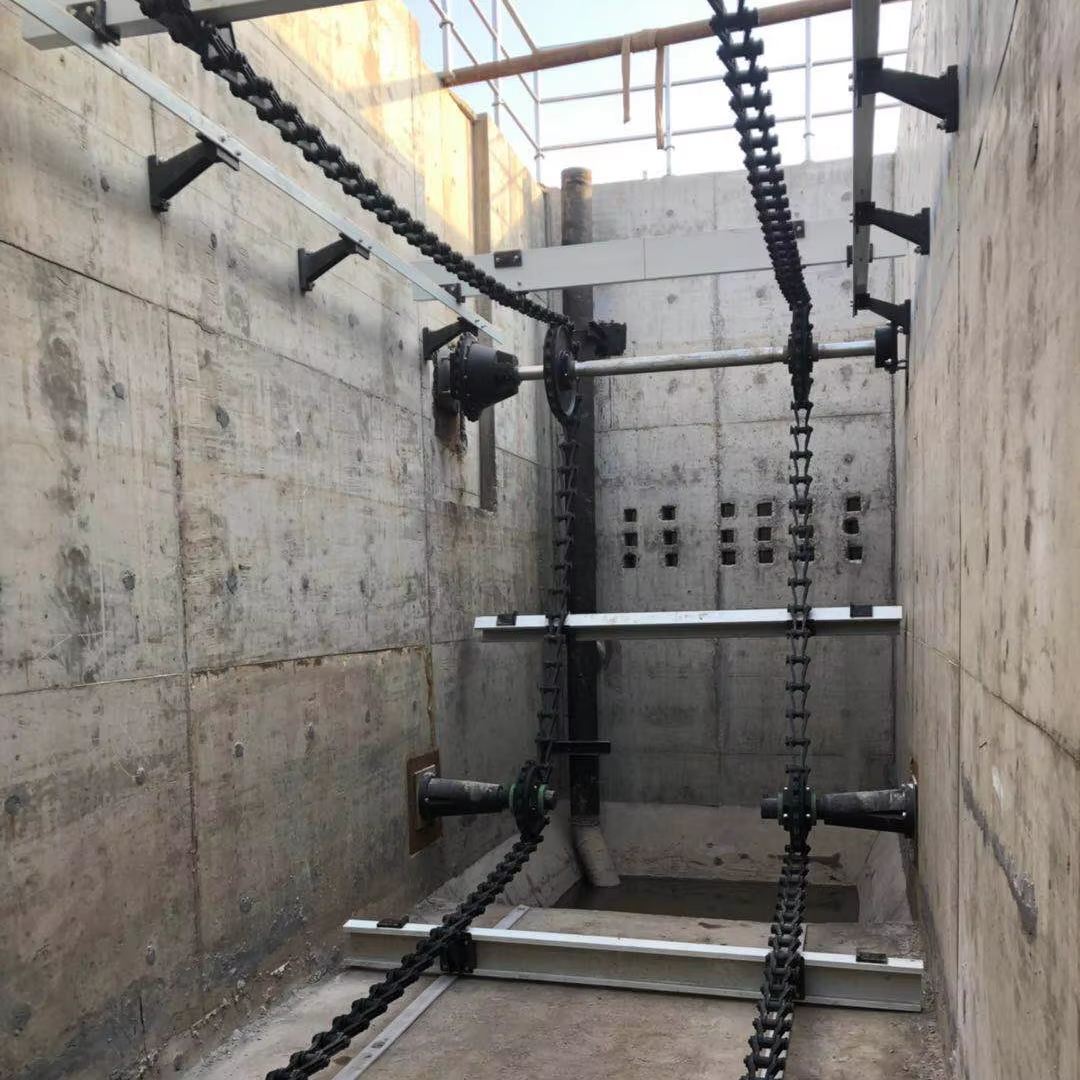
Why Sewage Treatment Plants Are Transitioning to Non-Metallic Scrapers
Many sewage treatment facilities have started swapping out their old metal scrapers for plastic versions because these new materials handle the harsh conditions much better. Traditional metal parts just don't last long when exposed to all that hydrogen sulfide gas, acidic sludge buildup, and constantly changing water chemistry. Plants often deal with breakdowns every few months, sometimes facing as much as 30 percent downtime each year from these issues. The newer polymer options such as polyurethane and high density polyethylene stand up to corrosion completely. These materials typically last anywhere from three to five times longer than metal alternatives. Plus they save money since there's no need for regular galvanizing treatments or expensive part replacements down the road.
Their lightweight construction reduces energy consumption by 25–40% compared to steel equivalents, a key benefit for 24/7 rotating systems in clarifiers and digesters. Flexible polymer blades also conform to tank floor irregularities that rigid metal cannot address—improving sludge removal completeness by 15–20% and preventing solids buildup that compromises effluent quality.
The need for maintenance drops off quite a bit when switching to non metallic systems. These setups don't require those annoying corrosion related welding fixes or regular lubrication work anymore, which means plants save around 40 to 50% on their yearly maintenance time. The smooth polymer material also stands up better against scale buildup and gets caught less often in fibrous messes, so there are fewer unexpected shutdowns disrupting operations. Plants upgrading their facilities are increasingly going with these non metallic scrapers because they cost less over time, run more reliably day after day, and actually perform well through all sorts of different treatment processes from preliminary screening right down to final settling tanks.
Key Non-Metallic Materials Used in Sewage Treatment Plant Equipment
Polyurethane: High Abrasion Resistance and Elasticity in Sludge-Heavy Applications
When it comes to non-metallic scrapers, polyurethane stands out as the go-to material because of how stretchy it is and how well it holds up against wear in those thick sludge environments. The stuff actually bends when hit instead of breaking, which cuts down on blades snapping off while still getting the job done properly. According to what we see across the industry, these polyurethane scrapers tend to last anywhere from three to five times longer than their stainless steel counterparts in those rough primary clarifier setups, and that means fewer replacements needed over time. Plus, the surface repels water so sludge doesn't stick to them as much, helping maintain steady flow through grit removal systems without clogging issues popping up all the time.
POM (Polyoxymethylene/Acetal) and High-Performance Thermoplastics: Dimensional Stability and Low-Friction Performance
POM, also known as acetal, really shines when we need both precision engineering and good chemical resistance. One major benefit is its almost non-existent moisture absorption rate, which means parts won't swell even after sitting in those damp digesters for months on end. This keeps blade clearances consistent throughout their service life. According to some research published last year in the Journal of Wastewater Engineering, POM actually cuts down on drive motor workload compared to nylon materials, with tests showing reductions around 18%. That makes sense given its friction coefficient drops about 60% below what we see with nylon alternatives. For applications exposed to solvents, acetal works great but watch out for strong acids that will eventually break it down. In those tricky pH environments where conditions fluctuate constantly within anaerobic zones, UHMWPE tends to perform better overall. These kinds of high performance plastics offer exactly what wastewater treatment facilities need most: protection against corrosion plus enough structural strength to handle demanding operational conditions day after day.
Critical Applications of Non-Metallic Scrapers Across Sewage Treatment Plant Equipment
Belt Scrapers for Primary and Secondary Clarifier Sludge Removal
Belt scrapers are essential for cleaning out built-up sludge in those big sedimentation tanks during both the first and second phases of wastewater treatment. Made from materials that won't rust or corrode when exposed to hydrogen sulfide and all sorts of organic acids, these scrapers keep their blades aligned properly over time. When dealing with primary clarifiers that handle around 4% solids concentration, polyurethane blades last about 40% longer compared to traditional metal options when faced with abrasive conditions. For secondary clarifiers where things get a bit more delicate, the gentle scraping action actually helps maintain those fragile floc formations that are so important for biological treatments to work correctly. What makes this possible is the special elastic properties of engineered polymers used in construction, which allow the scraper to stay in contact with even the most irregular tank floor surfaces throughout its operation cycle.
Rubber Barrel-Type and Fixed-Blade Scrapers in Thickener and Digestor Systems
Rubber paddle scrapers mounted on barrels work really well for moving thick sludge around in those big thickeners and digesters we see at treatment plants. What makes them stand out is how they hold up against those nasty volatile fatty acids that eat away at other materials. The way these scrapers spin around creates a nice circulation pattern in those massive round tanks, some as big as 40 meters across. According to recent studies from 2023, they manage to catch about 95% of all the solid stuff floating around. For fixed blade systems inside digesters, engineers have started using this special glass reinforced nylon material because it stays strong even when mixed gases are bouncing around. This helps keep metals out of the final biosolids product which matters a lot for quality control. Both types of scraper systems need less maintenance than those old chain driven metal versions, cutting down on downtime by roughly 30%. Plus they keep running smoothly no matter what the pH level is between 2.5 and 12, something regular metal equipment just can't handle before breaking down.
Selecting and Maintaining Non-Metallic Scrapers for Long-Term Reliability
Material selection must align with application demands: choose polyurethane for sludge-heavy, high-abrasion environments—where it retains elasticity after 500,000+ cycles per ASTM D4060—and POM where low-friction movement and dimensional stability are critical. Field evidence confirms non-metallic systems reduce maintenance frequency by 40% in corrosive settings (Corrosion Protection Study 2024).
For sustained performance:
- Conduct quarterly inspections of blade integrity and mounting hardware
- Track wear patterns at stress points such as hinge joints
- Avoid mechanical overload during sludge surges
- Replace components preemptively at 80% wear thresholds
Well-maintained non-metallic scrapers deliver up to 10× the service life of metallic equivalents and cut energy use by 15–30% through reduced friction and lighter moving masses. Facilities following structured maintenance protocols achieve 95%+ operational uptime over 7-year lifecycles.
FAQ
What are the benefits of using non-metallic scrapers in sewage treatment plants?
Non-metallic scrapers offer several benefits, including higher resistance to corrosion and wear, lighter weight for energy efficiency, reduced maintenance needs, and the ability to conform to tank irregularities for improved sludge removal.
Which materials are commonly used in non-metallic scrapers?
Common materials include polyurethane, which provides high abrasion resistance and flexibility, and POM (polyoxymethylene) and other high-performance thermoplastics, which offer dimensional stability and low-friction performance.
Why are polyurethane scrapers preferred for sludge-heavy applications?
Polyurethane is preferred for its high elasticity and abrasion resistance, which allow it to withstand harsh sludge environments without breaking or wearing down quickly.
Table of Contents
- Why Sewage Treatment Plants Are Transitioning to Non-Metallic Scrapers
- Key Non-Metallic Materials Used in Sewage Treatment Plant Equipment
- Critical Applications of Non-Metallic Scrapers Across Sewage Treatment Plant Equipment
- Selecting and Maintaining Non-Metallic Scrapers for Long-Term Reliability
- FAQ