 EN
EN
Mechanical Reliability: How Optimized Sludge Scraper Design Prevents Critical Failures in Sewage Treatment
Torque distribution and continuous-chain drive systems eliminate jamming and bearing overload
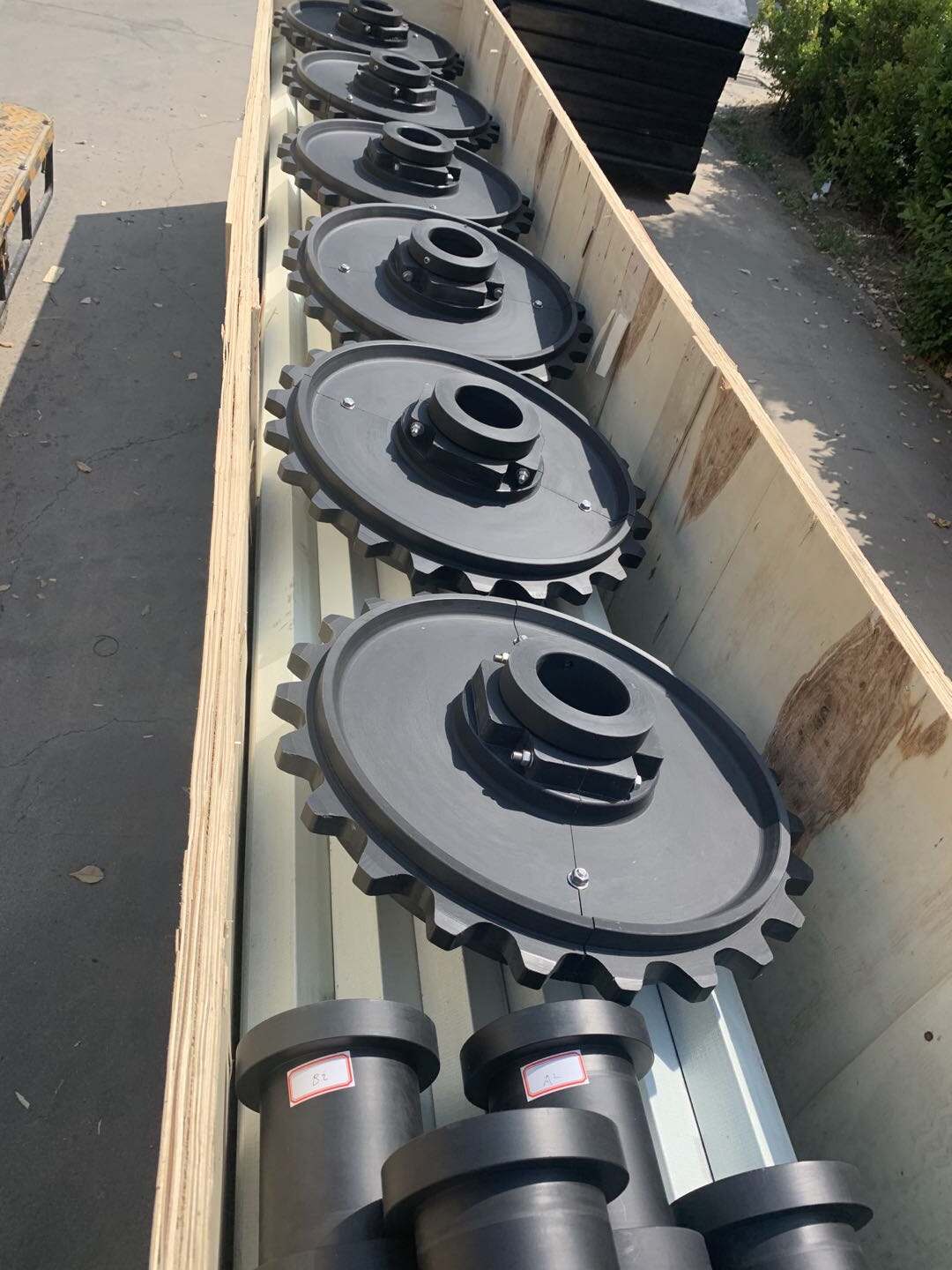
Old style sludge scrapers tend to break down pretty often because they experience uneven stress points throughout operation. Newer models have started using torque distribution tech that spreads out the workload evenly across all moving parts. This helps prevent those annoying bearing overloads that cause so many unexpected shutdowns. Another big improvement comes from continuous chain drives which work much better than old fashioned back and forth motions. They cut down on sudden torque surges by about half when compared to older systems. The result is smoother power delivery that keeps working consistently no matter what kind of sludge density variations show up. All these upgrades mean bearings last anywhere from two to three times longer than before, and jams basically disappear. Back in the day, jams were responsible for around forty percent of all downtime at clarifiers, so this represents a huge step forward for maintenance teams everywhere.
Case study: Zickert™ TM 3700 at Tampa Bay Water Reclamation Facility – 30% fewer unplanned stoppages (2022–2023)
The Tampa Bay facility had been dealing with constant operational problems for years before they finally installed these new generation sludge scrapers back in 2022. These scrapers come equipped with advanced features like multi point torque monitoring systems and special helical chain drives built specifically to handle thick sewage sludge. Within just 18 months after installation, the results were pretty impressive. The number of unexpected shutdowns dropped by 30%, which actually translates to around 420 extra hours of operation each year. Looking at maintenance records, there was almost no occurrence of those pesky bearing seizures that used to cause about 70% of all mechanical breakdowns previously. All told, this improved reliability saved the facility approximately $180,000 worth of emergency repairs while also boosting daily production capacity by 12%. When it comes down to it, investing in better mechanical designs really pays off when trying to keep plants running smoothly and cutting down on expensive downtime.
Smart Monitoring Integration: Turning Sludge Scrapers into Predictive Assets for Sewage Treatment Plants
AI-powered vibration and load analytics detect wear patterns 72+ hours before failure
Today's sludge scrapers come equipped with smart sensors powered by artificial intelligence that keep track of vibrations and measure how much force is being applied at key spots where problems tend to happen. These advanced monitoring systems can spot signs of trouble long before things go wrong, catching issues like worn bearings or off-center chains with about 94 percent accuracy. Most impressive? They often detect potential failures well over three days ahead of time. When maintenance crews get these early warnings, they can step in before major breakdowns occur. History shows just how valuable this is - on average, big system failures used to cost plants around 17 days of lost operation according to Water Environment Federation data from last year. What makes these modern scrapers so special isn't just what they do mechanically anymore. With their built-in diagnostics, they've become something else entirely for plant operators trying to stay ahead of maintenance challenges.
- Schedule interventions during low-flow periods
- Reduce emergency repair costs by $58,000 annually per unit
- Maintain consistent sludge removal efficiency
Retrofitting legacy scrapers with IoT modules extends mean time between failures by 40%
Water treatment facilities don't need to replace everything from scratch to get predictive insights. Installing IoT retrofit kits works wonders too. These wireless modules monitor stuff like temperature changes, load limits, and how efficiently motors are running, all while sending live updates to central monitoring screens. Take Charlotte Water for example. After putting these upgrades on their equipment, they saw some impressive results. The average time between breakdowns jumped by around 40%. Energy bills dropped by nearly 20% and maintenance expenses went down by almost a third. Plus, unexpected shutdowns decreased by 30% just six months after installation. What this shows is that older infrastructure doesn't have to stay outdated forever. With these smart upgrades, old systems become valuable assets again. Performance data starts flowing back into operations, helping managers make better decisions day to day. Even something basic like sludge scrapers now play a critical role in keeping treatment processes running smoothly without interruptions.
Operational Economics: Linking Sludge Scraper Efficiency to Reduced OPEX and Higher Uptime in Sewage Treatment
Optimized sludge scrapers directly improve operational economics by minimizing maintenance costs and maximizing treatment capacity. Facilities using modern scraper designs report 30% lower OPEX, driven by:
- Reduced energy consumption from efficient drive systems
- Fewer reactive repairs enabled by predictive monitoring
- Extended equipment lifespan through corrosion-resistant materials
This reliability translates into higher uptime–essential for continuous sewage treatment operations. Unplanned stoppages risk overflow violations and processing shortfalls; industry studies confirm that every 1% increase in uptime reduces sludge handling costs by $18,000 annually for mid-sized facilities.
Labor savings further strengthen the financial case: automated scrapers eliminate 70% of manual raking hours, freeing staff for value-added tasks. Combined with reduced parts replacement frequency, these efficiencies deliver ROI within 18–24 months for most upgrades.
FAQ Section
What are the advantages of using torque distribution in sludge scrapers?
Torque distribution in sludge scrapers helps evenly spread the workload across moving parts, preventing bearing overloads and reducing jamming issues.
How does AI-powered monitoring benefit sewage treatment plants?
AI-powered monitoring can detect wear patterns and potential failures more than 72 hours before they occur, reducing emergency repairs and ensuring consistent operation.
Can legacy sludge scrapers be upgraded with modern technology?
Yes, legacy sludge scrapers can be retrofitted with IoT modules, extending their mean time between failures and improving performance.
Table of Contents
- Mechanical Reliability: How Optimized Sludge Scraper Design Prevents Critical Failures in Sewage Treatment
- Smart Monitoring Integration: Turning Sludge Scrapers into Predictive Assets for Sewage Treatment Plants
- Operational Economics: Linking Sludge Scraper Efficiency to Reduced OPEX and Higher Uptime in Sewage Treatment
- FAQ Section