 EN
EN

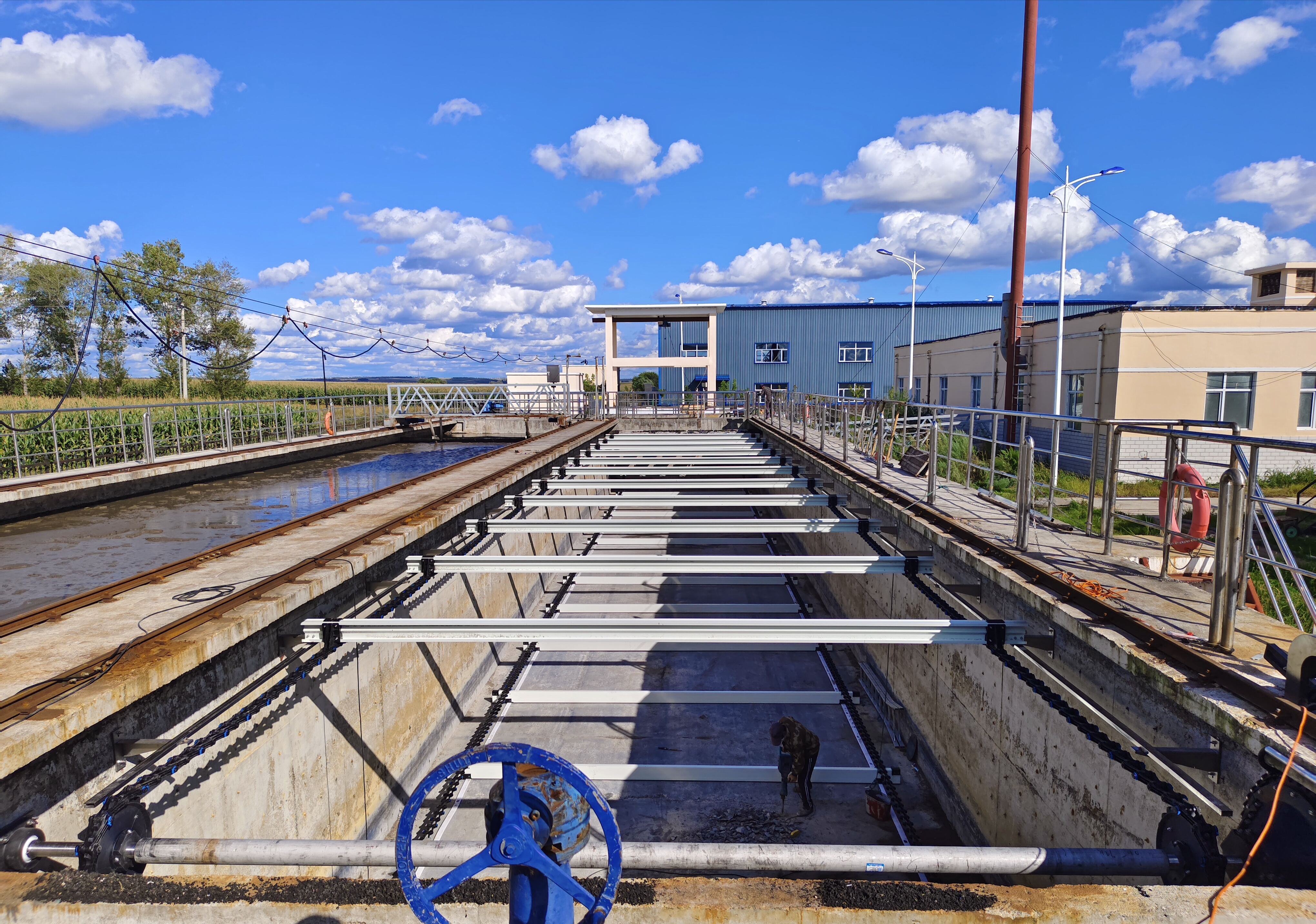
Material Integrity Testing for Sludge Scraper Durability
Polymer Composition Analysis and UV Resistance Validation
To check if polymers hold up properly, most manufacturers run chromatographic tests that look at resin ratios and whether additives are spread evenly throughout the material. This matters a lot when dealing with wastewater systems where pH levels fluctuate constantly. For UV resistance testing, companies typically subject materials to around 2000 hours of accelerated weathering according to ASTM standards, watching closely for changes in surface gloss and early signs of tiny cracks forming. When UV protection isn't strong enough, scrapers installed in outdoor sedimentation tanks tend to fail much sooner than expected sometimes as much as 40% reduction in service life according to recent findings from Materials Performance Journal back in 2023. Top tier producers don't stop at laboratory evaluations though. They also send samples out into different climates for extended periods so they can compare what happens in controlled environments versus actual conditions faced in the field over time.
Tensile Strength and Flexural Modulus Testing (ASTM D638/D790)
To make sure structures hold up, we need to do tensile tests that check if materials can withstand at least 18 MPa of force before yielding, plus see how much they stretch before breaking, which should be around 300% or more when exposed to simulated sludge conditions. When it comes to blades, flexural modulus testing according to ASTM D790 standards helps determine rigidity through three point bending methods. The best quality equipment barely deforms by less than half a percent even when subjected to loads that are 150% higher than normal operating conditions. These testing procedures actually stop cracks from spreading in situations where solids concentration is particularly high. Equipment that passes both these tests tends to develop about sixty percent fewer stress fractures after five years of service according to the Wastewater Equipment Certification Report from last year. Engineers also run finite element analysis on all this data so they can adjust material thicknesses just right while still keeping structural integrity intact.
Functional Performance Verification Under Realistic Sludge Conditions
Torque Load Capacity Testing at Operational Depths (0.5â3 m)
When checking drive motor performance, engineers verify torque at different depths ranging from half a meter all the way down to three meters using properly calibrated load cells. As we go deeper into sludge layers around the 3 meter mark, operators typically see resistance jump anywhere between 18% to 22% compared to working conditions at the surface level. This happens because of increased hydrostatic pressure combined with changing material densities throughout the tank. Our testing procedures cover everything that might happen during actual operations including sludge with densities between 1.1 and 1.4 grams per cubic centimeter plus those annoying viscous shear forces commonly found in primary clarifier environments. For reliable system startup even when faced with the toughest conditions possible, most installations need to handle initial torque demands somewhere between 850 and 1,100 Newton meters without any component failures.
Scraping Efficiency Assessment Using Standardized Sludge Analogues (ASTM D5127)
To measure how well these systems work, we test them with synthetic sludge according to ASTM D5127 standards. This special mix contains cellulose fibers, kaolin clay, and petroleum hydrocarbons designed to mimic real world waste materials with a viscosity range of around 15 to 25 Pa·s. When blades manage to remove at least 95 percent of solids over 100 straight runs, it means they have just the right blade shape, proper sweeping speed, and consistent contact throughout operation. By following this standard testing method, there's much better alignment between what works in controlled lab settings versus what actually happens in real treatment plants. Plants dealing with varying types of sludge can count on reliable results because they know exactly what to expect from their equipment under different conditions.
Dimensional Precision and Assembly Consistency for Sludge Scraper Reliability
CNC-Verified Blade-to-Collector Alignment Tolerances (±0.3 mm)
Getting things aligned just right matters a lot in this business. If the blades are off by more than half a millimeter from the collectors, the sludge doesn't get cleaned evenly. That leads to parts wearing out twice as fast and using about 15% more energy according to Water Infrastructure Journal last year. We stick to strict standards here, using those fancy CNC measuring devices to keep everything within plus or minus 0.3 mm at every important connection point. This makes sure the blades move properly and maintain good contact when they're working hard. No more spaces for debris to build up, which means less stress on components from vibrations. Maintenance crews report seeing around 40% fewer unexpected breakdowns since implementing these tighter specs. Systems built this way typically last over a decade without major issues, even when dealing with the rough stuff found in wastewater treatment plants day after day.
Environmental Resilience and Long-Term Service Life Validation
Immersion Aging in Synthetic Wastewater (pH 4â10, 30-Day Cycle)
Parts spend about a month submerged in synthetic wastewater that ranges from pH 4 all the way up to pH 10, which basically copies what happens in actual treatment plants where chemicals can be pretty harsh. During each test cycle, we check for changes in weight as an indicator of how much liquid gets absorbed, look at surface issues like cracks forming or colors fading away, and then assess whether mechanical properties stay intact after exposure. We also measure dimensional stability and structural strength compared to original specs to see if they stand up against common nasties like organic acids, sulfides, and those pesky chlorides. The scrapers that pass these tests help plant operators replace components roughly 40% less often than before. So basically, putting parts through their paces in controlled environments translates into longer lasting equipment on site.
FAQ
What is the purpose of polymer composition analysis and UV resistance validation?
Polymer composition analysis ensures that materials retain structural integrity in varying pH levels, while UV resistance validation guarantees durability under sunlight exposure, which prolongs the service life of equipment.
How is tensile strength and flexural modulus testing conducted?
Tensile tests ensure materials can withstand significant force without yielding, while flexural modulus testing assesses the rigidity of materials through bending methods, ensuring structural durability.
Why is torque load capacity testing important?
Torque load capacity testing ensures equipment can withstand varying depths and densities of sludge, simulating real operational conditions to prevent mechanical failures.
What are standardized sludge analogues used for?
Standardized sludge analogues are used to test scraping efficiency, ensuring equipment functions effectively under lab-controlled settings aligned with real-world operations.
Why is CNC blade-to-collector alignment crucial?
Proper alignment reduces wear and energy use, increasing the lifespan and reliability of scraping equipment in wastewater treatment.
How does immersion aging help validate long-term service life?
Immersion aging tests simulate real chemical exposure conditions to ensure that material properties are sustained over time, minimizing replacement frequency and prolonging equipment use.
Table of Contents
- Material Integrity Testing for Sludge Scraper Durability
- Functional Performance Verification Under Realistic Sludge Conditions
- Dimensional Precision and Assembly Consistency for Sludge Scraper Reliability
- Environmental Resilience and Long-Term Service Life Validation
-
FAQ
- What is the purpose of polymer composition analysis and UV resistance validation?
- How is tensile strength and flexural modulus testing conducted?
- Why is torque load capacity testing important?
- What are standardized sludge analogues used for?
- Why is CNC blade-to-collector alignment crucial?
- How does immersion aging help validate long-term service life?