 EN
EN
เครื่องกวาดตะกอน: กลไกหลักและข้อได้เปรียบด้านประสิทธิภาพการใช้พลังงาน
การกำจัดตะกอนด้วยแรงโน้มถ่วงผ่านเครื่องกวาด ซึ่งเป็นวิธีการเข้มข้นที่ใช้พลังงานต่ำ
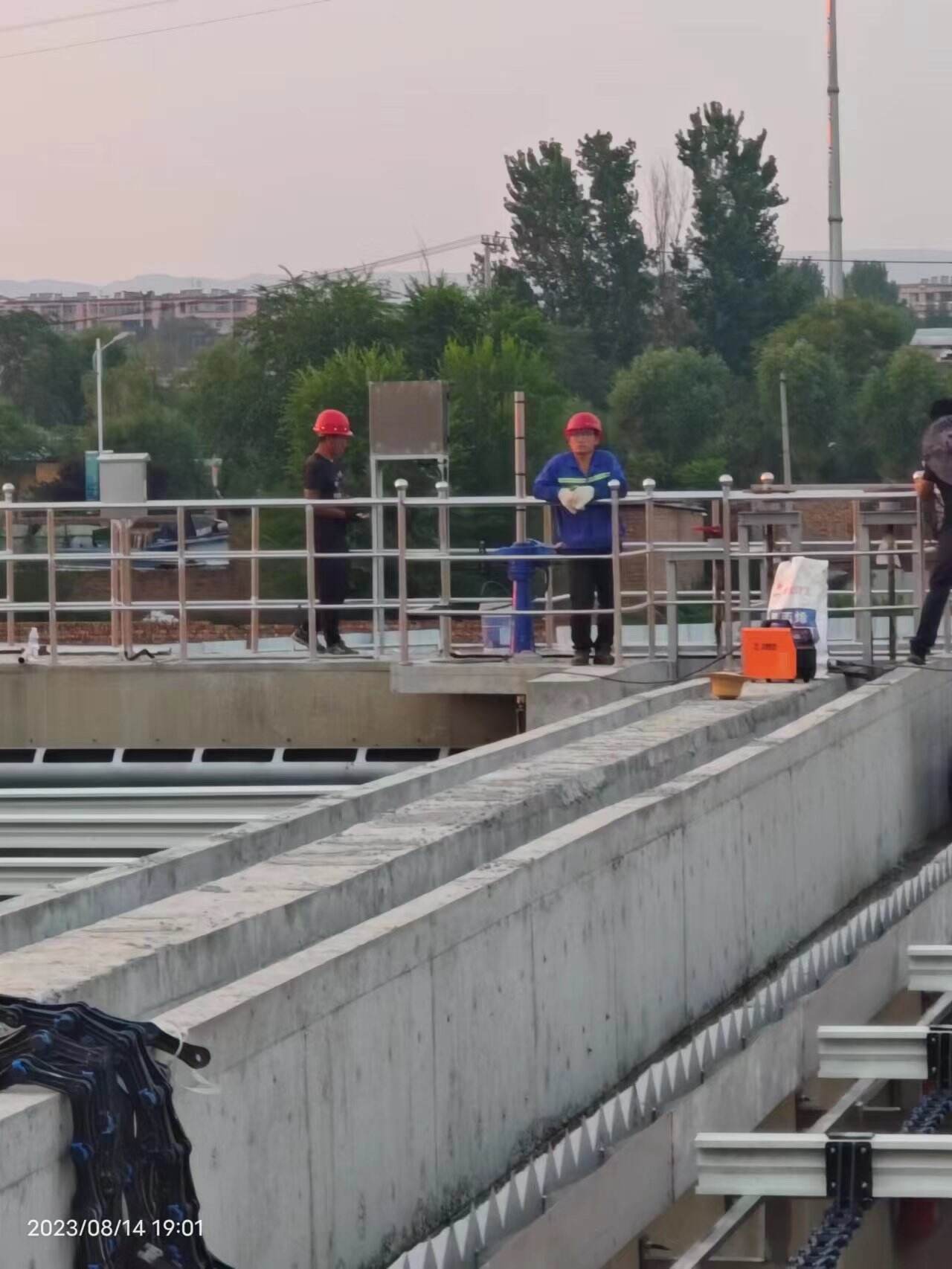
เครื่องกวาดตะกอนทำหน้าที่เข้มข้นของแข็งที่ตกตะกอนในถังแยกตะกอนโดยอาศัยแรงโน้มถ่วง—จึงไม่จำเป็นต้องใช้ปั๊มที่ใช้พลังงานสูงในการส่งผ่าน ขณะที่ตะกอนสะสมอยู่ที่ก้นถัง ใบมีดขับเคลื่อนด้วยมอเตอร์ที่เคลื่อนที่ช้าจะผลักตะกอนไปยังช่องเก็บกลางหรือช่องเก็บรอบขอบถัง กระบวนการเชิงกลแบบพาสซีฟนี้ใช้ไฟฟ้าน้อยมาก โดยทั่วไปไม่เกิน 0.5 กิโลวัตต์ต่อหน่วย และสามารถเพิ่มความเข้มข้นของของแข็งได้ถึง 8–12% เครื่องกวาดแบบขับเคลื่อนรอบขอบ (Peripheral drive scrapers) โดยเฉพาะอย่างยิ่ง ช่วยลดการใช้พลังงานลงประมาณ 50% เมื่อเทียบกับทางเลือกอื่นที่ใช้ระบบดูด ความเรียบง่ายเชิงกลของระบบยังส่งเสริมความน่าเชื่อถือในระยะยาว โดยการติดตั้งในสถานีบำบัดน้ำเสียขององค์กรปกครองส่วนท้องถิ่นมักมีอายุการใช้งานเกิน 15 ปี และลดความถี่ในการบำรุงรักษา
ระบบเครื่องกวาดแบบโซ่เทียบกับแบบโรตารี: การเปรียบเทียบการใช้พลังงาน ความน่าเชื่อถือ และต้นทุนดำเนินงานตลอดอายุการใช้งาน (OPEX)
การเลือกระหว่างระบบขูดแบบโซ่กับระบบขูดแบบหมุนขึ้นอยู่กับรูปทรงของถังและลักษณะทางเรโอลอจีของตะกอน — ซึ่งส่งผลโดยตรงต่อค่าใช้จ่ายในการดำเนินงานระยะยาว (OPEX):
| พารามิเตอร์ | ระบบขูดแบบโซ่ | ระบบหมุนเวียน |
|---|---|---|
| การใช้พลังงาน | 0.3–0.6 กิโลวัตต์ (สำหรับถังรูปสี่เหลี่ยมผืนผ้า) | 0.4–0.8 กิโลวัตต์ (สำหรับถังรูปวงกลม) |
| อัตราการเกิดข้อผิดพลาด | มีแนวโน้มที่โซ่จะสึกหรอมากกว่า | ชิ้นส่วนที่เคลื่อนไหวน้อยกว่า |
| รอบการบำรุงรักษา | การหล่อลื่นทุกสามเดือน | ตรวจสอบแบริ่งทุกสองครั้งต่อปี |
| oPEX ระยะ 15 ปี | $18,000–$25,000 | $12,000–$18,000 |
ระบบขูดแบบหมุนมีต้นทุนตลอดอายุการใช้งานต่ำกว่าในถังตกตะกอนแบบวงกลม เนื่องจากโครงสร้างระบบขับเคลื่อนที่เรียบง่ายกว่าและจุดที่อาจเกิดความล้มเหลวน้อยกว่า ขณะที่ระบบขูดแบบโซ่ยังคงเป็นทางเลือกที่เหมาะสมกว่าสำหรับบ่อรูปสี่เหลี่ยมผืนผ้า แม้จะมีความต้องการในการบำรุงรักษาสูงกว่า ทั้งสองระบบสามารถลดต้นทุนการจัดการตะกอนด้วยแรงงานคนลงได้ 70% เมื่อเทียบกับวิธีการแบบเดิม
การลดต้นทุนการดำเนินงานโดยตรงในโรงบำบัดน้ำเสีย
เครื่องกวาดตะกอนแบบอัตโนมัติช่วยลดค่าใช้จ่ายในการดำเนินงานในสถานีบำบัดน้ำเสียอย่างมีนัยสำคัญ โดยแทนที่วิธีการจัดการตะกอนที่ต้องใช้แรงงานมากและใช้พลังงานสูง ด้วยทางเลือกที่อาศัยแรงโน้มถ่วงและมีความแข็งแรงเชิงกลสูง
การประหยัดแรงงาน สารเคมี และพลังงาน เมื่อเปรียบเทียบกับการจัดการตะกอนแบบทำด้วยมือหรือด้วยปั๊ม
ความต้องการแรงงานลดลง 30–50% เมื่อเทียบกับการกำจัดตะกอนด้วยมือ ในขณะที่การเพิ่มความเข้มข้นของตะกอนอย่างเหมาะสมช่วยลดปริมาณโพลิเมอร์ที่ใช้ในการแยกน้ำออกจากตะกอน—ทำให้การใช้สารเคมีลดลง 10–40% การใช้พลังงานลดลงอย่างมากที่สุด: ระบบเครื่องกวาดตะกอนใช้พลังงานเพียง 15–30% ของปริมาณพลังงานที่ระบบปั๊มต้องใช้ ซึ่งส่งผลให้ประหยัดค่าสาธารณูปโภคได้หลายพันบาทต่อปีต่อแต่ละถังตกตะกอน ผลประโยชน์เหล่านี้เกิดจากการยกเลิกวงจรการสูบน้ำอย่างต่อเนื่อง และการคงระดับการโหลดของแข็งที่ส่งไปยังหน่วยประมวลผลขั้นตอนถัดไปให้คงที่
ลดเวลาหยุดทำงานและต้นทุนการบำรุงรักษา เมื่อเปรียบเทียบกับทางเลือกอื่นที่ใช้ระบบสุญญากาศหรือระบบถังรองรับ (hopper-based)
เนื่องจากไม่มีชิ้นส่วนกลไกที่จมอยู่ใต้น้ำและมีชิ้นส่วนเคลื่อนที่น้อยกว่าระบบสุญญากาศหรือระบบแบบใช้ถังพัก เครื่องขูดจึงมีอัตราการชำรุดน้อยลง 40–60% โดยทั่วไปแล้วการซ่อมแซมชิ้นส่วนหลักจะจำเป็นเพียงทุกๆ 3–5 ปีเท่านั้น ต่างจากระบบที่ซับซ้อนกว่าซึ่งต้องมีการซ่อมแซมทุกปี ความน่าเชื่อถือนี้ช่วยลดการหยุดชะงักของกระบวนการและลดค่าใช้จ่ายในการดำเนินงานตลอดอายุการใช้งานได้มากถึง 35% ตามการวิเคราะห์โครงสร้างพื้นฐานด้านน้ำที่ได้รับการตรวจสอบโดยผู้เชี่ยวชาญ
ผลกระทบต่อประสิทธิภาพของถังตกตะกอน (Clarifier) และเสถียรภาพของกระบวนการขั้นตอนต่อเนื่อง
การกำจัดตะกอนอย่างสม่ำเสมอจากถังตกตะกอนขั้นต้นและขั้นที่สองช่วยยกระดับคุณภาพน้ำทิ้งและลดความจำเป็นในการนำกลับมาแปรรูปใหม่
เครื่องขูดสกัดตะกอนแบบอัตโนมัติรักษาระดับประสิทธิภาพที่เหมาะสมของถังตกตะกอนไว้ได้อย่างต่อเนื่อง โดยการสกัดของแข็งที่ตกตะกอนออกอย่างสม่ำเสมอ—ซึ่งป้องกันการสะสมของตะกอนที่อาจก่อให้เกิดการเพิ่มขึ้นของความขุ่นของน้ำทิ้ง (effluent turbidity) สูงกว่า 5 NTU ซึ่งเป็นเกณฑ์มาตรฐานด้านกฎระเบียบที่สำคัญอย่างยิ่ง การสกัดอย่างต่อเนื่องช่วยลดปริมาณของแข็งลอยตัวที่ถูกพัดพาออกไป (suspended solids carryover) ได้ 30–40% เมื่อเทียบกับวิธีการแบบเป็นระยะ ซึ่งส่งผลโดยตรงต่อการยกระดับคุณภาพน้ำทิ้งและการปฏิบัติตามข้อกำหนด
ความมั่นคงนี้ส่งผลต่อกระบวนการขั้นตอนถัดไปด้วย: การไหลของตะกอนที่สม่ำเสมอช่วยป้องกันแรงกระแทกจากไฮดรอลิกต่อระบบหมักทางชีวภาพและหน่วยกรอง ซึ่งรักษาความสมบูรณ์ของชุมชนจุลินทรีย์ไว้ และลดการผันผวนของความต้องการออกซิเจนทางชีวเคมี (BOD) ให้น้อยที่สุด สถานประกอบการที่ใช้ระบบกวาดตะกอนแบบต่อเนื่องรายงานว่าเกิดเหตุขัดข้องของกระบวนการน้อยลง 15% ต่อปี — ส่งผลให้ลดพลังงานที่ใช้ในการแปรรูปซ้ำ ลดความจำเป็นในการปรับปรุงการเติมสารเคมี และลดการใช้โพลิเมอร์สำหรับการปรับสภาพตะกอนลงได้สูงสุดถึง 20% เนื่องจากการควบคุมความเข้มข้นของแข็งอย่างสม่ำเสมอ
คำถามที่พบบ่อย
ข้อได้เปรียบหลักของการใช้เครื่องกวาดตะกอนแทนวิธีที่ใช้ปั๊มคืออะไร
เครื่องกวาดตะกอนใช้แรงโน้มถ่วงในการทำงาน จึงใช้พลังงานน้อยกว่า ส่งผลให้ประหยัดต้นทุนได้อย่างมากเมื่อเทียบกับวิธีที่ใช้ปั๊ม นอกจากนี้ยังมีความน่าเชื่อถือสูงกว่าและมีโอกาสเสียหายจากปัญหาเชิงกลน้อยกว่า
เครื่องกวาดตะกอนส่งผลต่ออายุการใช้งานของระบบบำบัดน้ำเสียอย่างไร
เครื่องกวาดตะกอนมีโครงสร้างเชิงกลที่เรียบง่าย จึงมีความน่าเชื่อถือในระยะยาวและสามารถใช้งานได้นานกว่า 15 ปี โดยต้องการการบำรุงรักษาลดลง
เหตุใดระบบหมุนจึงเหมาะสมกับถังตกตะกอนแบบวงกลมมากกว่า
ระบบหมุนมีโครงสร้างระบบขับเคลื่อนที่เรียบง่ายกว่า โดยมีจุดที่อาจเกิดความล้มเหลวน้อยลง ส่งผลให้ต้นทุนตลอดอายุการใช้งานต่ำกว่า และต้องการการบำรุงรักษาน้อยกว่าเมื่อเปรียบเทียบกับระบบโซ่ในถังตกตะกอนแบบวงกลม