 EN
EN
Maximizing Sludge Removal Efficiency in Primary and Secondary Clarifiers
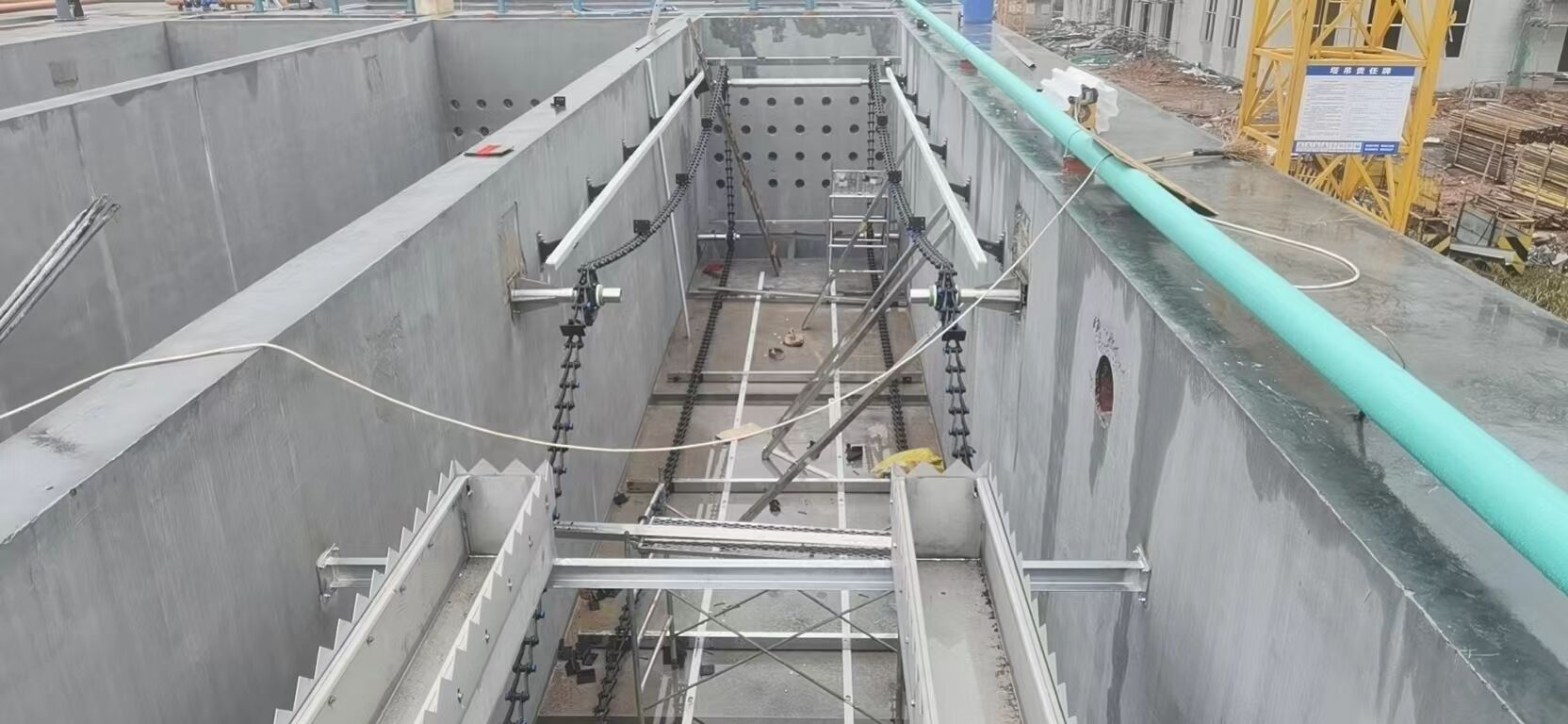
Scraper systems have been shown to boost sedimentation processes significantly when compared to old fashioned manual approaches. These modern systems typically increase sedimentation speeds somewhere around 15 to maybe even 20 percent because they continuously remove sludge at a slow pace. Most designs feature angled blades made from materials that resist corrosion, which helps direct the settled material towards collection points without messing up areas where sedimentation is still happening. According to various studies, chain driven models manage to capture about 92 percent of solids in primary clarifiers. That's actually quite impressive considering they beat vacuum systems by roughly 18 percentage points in performance tests conducted across different facilities.
Optimizing Scraper Design and Tank Geometry for Full Coverage
Key design elements include:
- Blade curvature: Matched to clarifier radius to eliminate dead zones
- Drive mechanism torque: 30–50 Nm/m² capacity for viscous sludge
- Hopper slope: Angles exceeding 2 inches per foot reduce residual sludge by 65%, according to industry guidelines
In rectangular clarifiers, bidirectional scraper flights shorten sludge travel paths by 40% compared to radial systems, significantly lowering re-suspension risks.
Improved Clarifier Performance at a Municipal Wastewater Facility One wastewater treatment plant located somewhere in the Midwest saw remarkable improvements after installing new automated scraper systems on their secondary clarifiers. Before this upgrade, they struggled with high levels of total suspended solids (TSS). After implementing these changes, TSS levels dropped around 40%, which was quite impressive for such facilities. The upgrades involved several key components including laser alignment of scraper arms with about 2 mm accuracy, continuous monitoring of torque during operation, and feedback mechanisms based on sludge density readings that automatically adjusted how much sludge gets removed from each tank. Looking at what happened after installation, operators noticed that they could cut down on polymer usage by roughly 28%. Maintenance staff also saved approximately 22 hours every year per clarifier. Most importantly, the entire investment paid itself back in just over three years, making it a financially smart decision for the facility managers.
Boosting Plant Throughput and Operational Reliability with Mechanical Scrapers
Reducing Downtime Through Consistent Sludge and Scum Removal
Mechanical scraper systems maintain uninterrupted operation by continuously removing solids across the entire clarifier surface. Automated chain-and-flight designs eliminate manual raking, while integrated torque monitoring detects mechanical stress early, preventing failures. Facilities using these systems report 43% fewer unplanned stoppages due to reduced sludge buildup and improved predictive maintenance capabilities.
Case Study: 30% Increase in Throughput at an Industrial Water Treatment Facility
One chemical manufacturing facility boosted daily output to around 120 million gallons after upgrading old primary clarifiers with new energy efficient scrapers, representing roughly a third increase in capacity. These modern scrapers provided complete coverage across the tank surface while their variable speed settings helped keep solid waste from moving further down the processing line. The system also included smart predictive maintenance tools that slashed energy expenses related to scraper operation by nearly 20 percent, giving the company a return on investment within just over a year and a half. What's really impressive is how plant operators maintain those tricky TSS levels under 15 mg/L even when water flow hits its highest points, all without needing to constantly adjust things manually anymore.
Ensuring Long-Term Reliability of Scraper Systems in Harsh Wastewater Environments
Common Maintenance Challenges with Outdated Scraper Technology
Old scraper systems tend to break down faster when they come into contact with hydrogen sulfide (H2S) gas and gritty materials. According to a recent look at operations across 112 different cities last year, nearly two thirds of those still running the traditional chain and flight designs ended up spending well over twenty two hours each year on maintenance work alone. The main trouble spots? Corroded chains that throw off balance, bearings getting damaged by sand and dirt working their way inside (this accounts for about forty percent of all system failures), plus motors burning out because of buildup along the rail tracks. All these problems end up costing local governments anywhere from fifty seven thousand to one hundred eighty thousand dollars annually just dealing with unexpected shutdowns and replacing worn out parts.
Best Practices for Installation, Inspection, and Preventive Maintenance
Modern scraper systems achieve over 90% reliability when incorporating three key upgrades:
| Practice | Implementation | Result |
|---|---|---|
| Corrosion-resistant materials | Stainless steel chains with PTFE coatings | 75% longer component lifespan |
| Automated monitoring | IoT-enabled vibration sensors | 63% faster fault detection |
| Maintenance scheduling | Quarterly inspections + annual load testing | 41% reduction in emergency repairs |
Facilities combining these practices with automated performance analytics can predict chain stretch variations within 0.2% accuracy. This proactive strategy reduces chemical cleaning frequency by 30% while sustaining optimal sludge removal performance.
Evaluating the Economic Benefits and ROI of Advanced Scraper Systems
Calculating Return on Investment for New or Upgraded Scraper Systems
Treatment facilities see their money back in several ways when they upgrade their systems. First, energy costs drop quite a bit when drive systems get optimized, usually somewhere between 15% and 30%. Maintenance becomes much easier too, cutting down on labor time by around 45 to 60 hours every year. And then there's the downtime factor which can save operators roughly $7,400 each day just for one clarifier alone. The latest numbers from the Water Infrastructure Report show that these advanced scraper systems typically pay for themselves within 18 to 36 months. Plants that invest in automation tend to recover their costs even faster because these systems keep improving performance continuously without needing constant manual adjustments.
Cost-Benefit Analysis: Retrofitting vs. Full System Replacement
| Criteria | Retrofitting | Full Replacement |
|---|---|---|
| Capital Cost | $120k–$300k (40–60% of new system) | $200k–$500k+ |
| Downtime | 5–7 days | 14–21 days |
| Lifespan Extension | 8–12 years | 15–20 years |
| Compatibility | Requires 70% structural integrity | Suitable for compromised tanks |
Trend: Energy-Efficient Scraper Designs Reducing Lifecycle Costs
Systems equipped with variable frequency drives (VFDs) use 25% less energy than fixed-speed counterparts. Innovations such as ultra-high-molecular-weight polyethylene (UHMW-PE) chains offer 40% longer service life compared to traditional steel components. Together, these advancements lower 20-year lifecycle costs by 15–20%, based on 2023 municipal wastewater data.
Frequently Asked Questions
What are the benefits of using mechanical scraper systems in clarifiers?
Mechanical scraper systems consistently remove solids across the entire clarifier surface, reducing sludge buildup and improving plant throughput. They also lower downtime by eliminating manual raking and offer improved predictive maintenance capabilities.
How can scraper systems reduce operational costs?
By optimizing drive systems to decrease energy costs, implementing smart predictive maintenance tools, and having components with longer lifespans, facilities can significantly cut down on maintenance costs and achieve a return on investment in a relatively short period.
What challenges do outdated scraper systems face?
Older scraper systems may experience problems such as corroded chains, damaged bearings, and motor failures due to exposure to harsh conditions, resulting in frequent and costly maintenance requirements.
Table of Contents
- Maximizing Sludge Removal Efficiency in Primary and Secondary Clarifiers
- Boosting Plant Throughput and Operational Reliability with Mechanical Scrapers
- Ensuring Long-Term Reliability of Scraper Systems in Harsh Wastewater Environments
- Evaluating the Economic Benefits and ROI of Advanced Scraper Systems
- Frequently Asked Questions