 EN
EN
Robust Mechanical Design: Corrosion Resistance and Structural Integrity
Stainless steel and aluminum components engineered for H₂S, chlorides, and acidic sludge exposure
The scraper systems used in sewage treatment plants are constantly battling wear and tear caused by hydrogen sulfide, chloride ions, and all sorts of acidic sludge. Engineers have found ways around these problems by carefully picking materials for different parts. For instance, 316L stainless steel works really well against chloride damage because it resists pitting so effectively. Meanwhile, certain aluminum alloys that have been anodized can handle those tricky pH changes in the sludge without breaking down. Important parts such as drive shafts and flight blades get extra protection too. These components receive special treatments like electropolishing or ceramic coatings which cut down on corrosion issues by roughly two thirds when compared to regular metal surfaces according to research published last year. All these layers of defense help keep the equipment running smoothly even though it's exposed day after day to some pretty harsh chemicals in wastewater.
Compliance with EN 13445 and ISO 9223 standards ensures long-term scraper system durability
Following international standards for pressure equipment (EN 13445) and atmospheric corrosion (ISO 9223) sets the basic rules for how durable equipment needs to be. The standards actually require several key things: calculating minimum wall thicknesses while accounting for corrosion over time, analyzing stress when systems face their maximum water pressure, and running salt spray tests that simulate what happens after twenty years in service. Equipment built to meet these specs tends to have about 40 percent fewer breakdowns during ten years of actual use. These same standards control how welds get inspected and what kind of materials must be certified for use. This helps eliminate those spots where rust usually starts forming first. As a result, scraper systems stop being expensive headaches that need constant fixing and instead become long term assets that companies can count on lasting well beyond 25 years without major issues.
Intelligent Automation: Real-Time Monitoring and Adaptive Control
Today's scraper systems rely on smart automation to keep things running smoothly even when dealing with all sorts of messy sewage situations. The electronic torque limiters watch how hard the motors are working and shut down power almost instantly if something gets stuck that could hurt the gears. This actually stops about a quarter of unexpected breakdowns that used to happen because of damaged gearboxes according to WaterTech research from last year. Operators also get real time data from these torque sensors underwater which lets them adjust how aggressive the scraping needs to be depending on what kind of sludge they're dealing with at any given moment.
Motion, rotation, and pressure sensors enable dynamic sludge removal in variable flow conditions
Sensor arrays mounted on scraper arms and throughout drive mechanisms keep tabs on hydraulic loads, sludge thickness, and how the equipment moves around. When these systems notice sudden increases in water flow or spikes in solid content, they automatically tweak things like travel speed, blade pressure settings, and rotation patterns. Take optical sensors for example they actually slow down bridge movement by about thirty percent during times of high turbidity, which stops suspended solids from getting stirred back into the water while still keeping the overall treatment process moving along. This kind of smart adjustment means operators don't have to constantly recalibrate everything when storms hit, so clarifiers stay efficient even when loads fluctuate quite a bit, maybe as much as forty percent up or down.
Optimized Maintenance Architecture: Minimizing Downtime and Extending Service Life
Modular drive units and quick-swap scraper blades cut maintenance time by up to 40%
Modular drive units make it possible to swap out just one broken part instead of tearing apart the whole system. This means technicians can focus on fixing what's actually wrong without wasting time on stuff that works fine. Quick swap scraper blades work similarly but for different parts of the machine. These blades come with standard connectors that don't need tools, so when they get worn down, operators can pop them out and put new ones in within minutes instead of spending hours on repairs. When combined, these improvements cut down maintenance time by around 40% over older models. With less time spent on maintenance comes longer running times for operations, which means more gets done each day while saving money on labor costs too. Plus, because everything fits together better now, there's less strain on components during repairs, keeping things running smoother for longer before needing replacement.
Application-Specific Scraper System Configurations for Clarifier Efficiency
Matching Bridge, Circular, and Floating Scraper Types to Basin Geometry and Hydraulic Loading Profiles
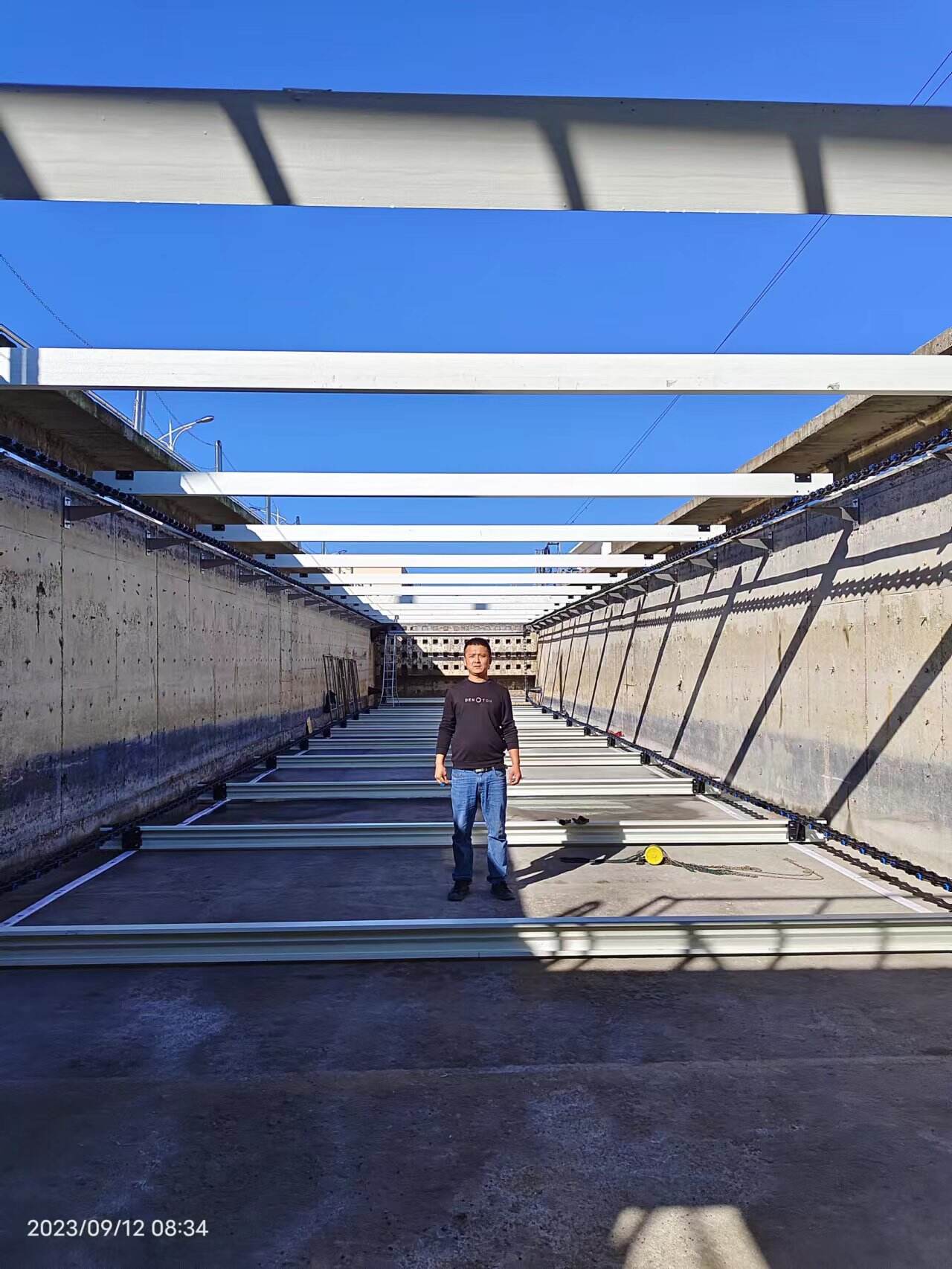
Getting the right scraper system installed means matching the equipment design closely with what the clarifier actually needs. Bridge scrapers work really well in rectangular tanks since they cut down on how far sludge has to travel about 40% less than radial models do, which helps keep things from getting stirred back up unnecessarily. For circular clarifiers, blades need to fit the radius properly so there are no spots where stuff just sits around. Floating systems handle changing water levels pretty well in those oxidation ditches though. When looking at hydraulic loading, torque requirements generally range from around 30 to maybe 50 Nm per square meter when dealing with thick sludge. Hopper slopes should be steeper than 2 inches for every foot traveled, cutting down leftover sludge by roughly two thirds. All these factors working together stop problems with short circuits and give solids enough time to settle properly, making the whole clarifier operate better overall.
Frequently Asked Questions (FAQ)
What materials are used in scraper systems to resist corrosion?
Engineers typically use 316L stainless steel and anodized aluminum alloys for components exposed to corrosive substances found in wastewater treatment plants.
How do standards like EN 13445 and ISO 9223 affect scraper system durability?
These standards establish guidelines for pressure equipment and atmospheric corrosion, which help decrease system breakdowns and extend their service life up to 25 years.
What role do sensors play in modern scraper systems?
Sensors monitor hydraulic loads, sludge thickness, and equipment movements, allowing the system to adapt dynamically to changing conditions and optimize operation efficiency.
Why are modular drive units and quick-swap scraper blades beneficial?
They reduce maintenance time and effort significantly by allowing for easy replacement of specific parts without disassembling the entire system.
How are scraper systems customized to fit specific clarifier configurations?
Systems are tailored to match bridge, circular, or floating scraper types with the clarifier's basin geometry and hydraulic loading requirements for optimal efficiency.
Table of Contents
- Robust Mechanical Design: Corrosion Resistance and Structural Integrity
- Intelligent Automation: Real-Time Monitoring and Adaptive Control
- Optimized Maintenance Architecture: Minimizing Downtime and Extending Service Life
- Application-Specific Scraper System Configurations for Clarifier Efficiency
-
Frequently Asked Questions (FAQ)
- What materials are used in scraper systems to resist corrosion?
- How do standards like EN 13445 and ISO 9223 affect scraper system durability?
- What role do sensors play in modern scraper systems?
- Why are modular drive units and quick-swap scraper blades beneficial?
- How are scraper systems customized to fit specific clarifier configurations?