 EN
EN

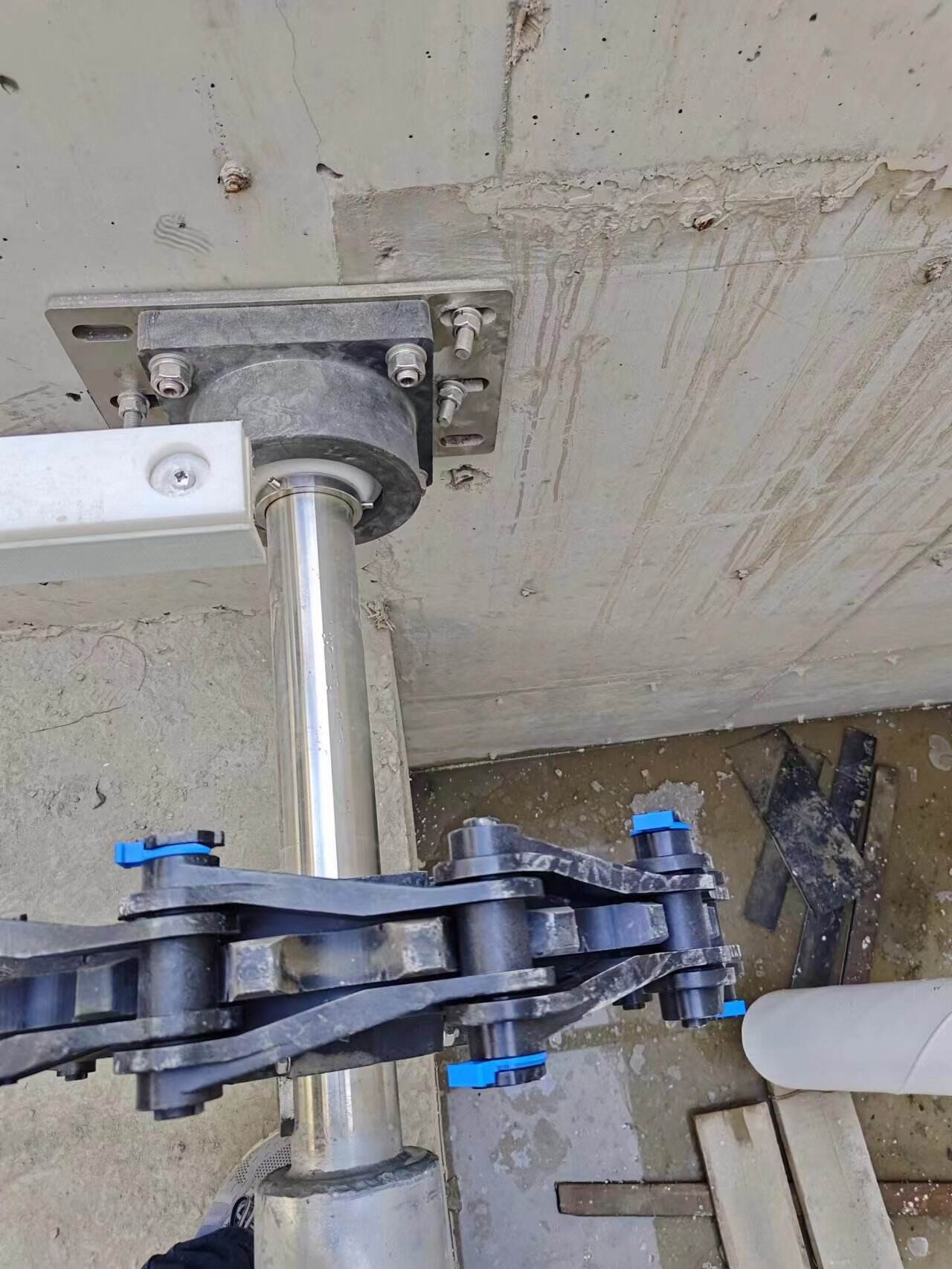
Align Scraper Design with Wastewater Characteristics of the Sewage Treatment Plant
Sludge Load, Settling Velocity, and Basin Geometry Impacts on Scraper Sizing and Torque Requirements
What kind of wastewater we're dealing with really shapes how we design those scrapers, especially when it comes to torque needs and overall size. Take high density sludge with over 25% solids content, this stuff can bump up torque requirements around 30% higher than what we see with lighter sludge below 10% solids content. That means plant operators often need stronger drive systems just to keep things running without breaking down. Settling speed matters too. If the scraper moves faster than about 0.7 meters per minute in tanks where stuff settles quickly, it tends to kick up settled material again, which messes with the whole clarification process. Tank shape plays into the equation as well. For round clarifiers smaller than 20 meters across, peripheral drive scrapers work best most of the time. But rectangular tanks that stretch beyond 30 meters generally need something different, like truss supported chain and flight systems. Looking at industry reports, plants that get scraper sizing wrong end up seeing motor failures jump by roughly 40%, so getting these specifications right from the start makes all the difference in maintaining reliable operations under varying hydraulic loads and solids concentrations.
Managing Oils, Scum, Abrasives, and Fibrous Solids Common in Municipal and Industrial Sewage Treatment Plant Influent
The solids found in industrial and municipal wastewater often need special scrapers to handle them properly. Textile waste and city sewage contain lots of fibrous material that gets stuck easily unless the equipment has those serrated edges on the flights. This simple modification can cut down on maintenance stops by about half in many cases. When dealing with oily water, operators turn to skimmers with angled blades coated in materials that repel water. These setups typically clear away around 95% of the floating scum on the surface. Grit is another big problem, especially after heavy storms or in mining areas where particles are really hard on regular components. Standard parts just don't last long enough there, wearing out three times quicker than they should. Municipal treatment facilities are also seeing more issues with synthetic fibers getting into their systems through non-biodegradable waste products. That's why newer designs include self-cleaning rollers that stop these fibers from causing blockages. All these specialized features help keep operations running smoothly even as what comes into the system keeps changing day to day.
Ensure Long-Term Reliability Through Corrosion-Resistant Materials and Structural Integrity
Stainless Steel Grades, Polymer Coatings, and Seawater-Compatible Alloys for Harsh Sewage Treatment Plant Environments
Equipment placed in sewage systems faces constant exposure to hydrogen sulfide, chlorides, and various acidic compounds that speed up corrosion processes. Choosing the right materials makes all the difference when it comes to how long equipment lasts before needing replacement. Take 316L stainless steel for instance - this material stands up well against chloride pitting problems, which is why many coastal treatment facilities opt for it despite the higher costs. Epoxy polymer coatings work wonders too by creating a solid shield against those pesky microbes that cause corrosion issues, especially important down in those constantly wet areas where water sits around equipment. When dealing with really tough spots under stress, engineers often turn to duplex alloys like 2205, which handle stress corrosion cracking much better than regular metals can manage, even when temperatures rise in sludge processing areas. For situations where everything else fails, there's super austenitic stainless steels containing at least 6% molybdenum content. These are typically found in marine environments but increasingly being applied to critical parts of scrapers such as cutting blades and drive shafts. Such materials last roughly three times longer than standard carbon steel alternatives. Interestingly enough, about 42% of mechanical breakdowns across wastewater infrastructure actually stem from material degradation over time, so getting material choices right isn't just good engineering practice, it's absolutely essential for keeping operations running smoothly.
Fatigue Resistance and Load-Bearing Performance Under Continuous Erosive-Corrosive Cycling
The scrapers run nonstop day after day, dealing with all sorts of problems from changing sludge volumes and constant grinding against abrasive stuff in the mix. Good scraper design needs to handle these two big issues at once: the repetitive stresses and the gradual eating away caused by corrosive elements. Engineers typically turn to finite element analysis or FEA when looking for weak spots where stress builds up, which helps them reinforce those areas properly. Those important pivot points get extra strengthening so they can take the twisting forces without failing. We also apply special wear-resistant coatings to things like chain sprockets and moving parts, which makes them last much longer before needing replacement. For serious industrial applications, it's pretty much essential that components reach at least ISO 12488 standards for handling torque, especially if they need to survive through hundreds of millions of loading cycles without warping or breaking down. When manufacturers combine designs that resist fatigue with proper corrosion defenses, maintenance crews end up spending about half as much time fixing equipment compared to older models, which means far fewer breakdowns and better overall performance over years of operation.
Maximize Operational Efficiency and Uptime in Dynamic Sewage Treatment Plant Conditions
Variable-Speed Drives and Adaptive Control for Fluctuating Flow and Sludge Accumulation Rates
The flow rates and solid content in sewage treatment facilities vary all the time, so operators need scrapers that can adjust on the fly. Variable Frequency Drives, or VFDs for short, let plant staff change scraper speeds as conditions shift in the influent stream. When there's a sudden spike in waste coming in, these drives prevent motors from burning out. And when things slow down between storms, they cut back on electricity consumption instead of running full blast constantly. Some advanced systems even have torque controls that tweak power output depending on how thick the sludge gets in different parts of the tank. Plants using this tech report saving around 25% on their energy bills without sacrificing cleaning effectiveness. These benefits become really noticeable during heavy rain events or when factories discharge extra waste after maintenance work. The ability to respond instantly keeps everything working properly and extends equipment life too, though installation costs can be a hurdle for smaller operations looking to upgrade.
Low-Maintenance Design: Self-Cleaning Mechanisms, Blowdown Optimization, and Remote Diagnostics
Cutting down on hands-on maintenance matters a lot when running equipment in tough, corrosive conditions where downtime costs money. The newer scraper models come equipped with self cleaning rakes that keep fibers from building up over time, plus automated blowdown systems that sweep away grit accumulation without stopping the whole process. Many plants have started implementing remote diagnostic tools too. These systems constantly check bearings, track alignment issues, and watch for abnormal vibrations, sending alerts before problems get serious enough to cause breakdowns. Plants that adopted these low maintenance upgrades typically see their service intervals stretch out around 30%, which means fewer unexpected stoppages and better overall performance even when dealing with really gritty or fibrous materials. For operators managing multiple sites, this kind of technology makes life easier while keeping things running smoothly day after day.
FAQ
How do wastewater characteristics affect scraper design?
The type of wastewater significantly influences scraper design, particularly concerning torque requirements and the equipment's size. For instance, high-density sludge with over 25% solids content increases the torque requirements by about 30% compared to sludge with less than 10% solids content.
What are some specialized features for handling different wastewater conditions?
Specialized features include serrated edges for fibrous materials, skimmers with water-repellent coating for oily water, and self-cleaning rollers to prevent blockages due to synthetic fibers.
How do materials impact the reliability of sewage treatment equipment?
Choosing corrosion-resistant materials like 316L stainless steel or epoxy polymer coatings ensures long-term reliability and reduces mechanical breakdowns by preventing material degradation.
What technologies enhance operational efficiency in sewage treatment plants?
Technologies such as Variable Frequency Drives (VFDs), adaptive control systems, self-cleaning mechanisms, and remote diagnostics help maximize efficiency by allowing real-time adjustments, reducing maintenance, and extending equipment life.