 EN
EN

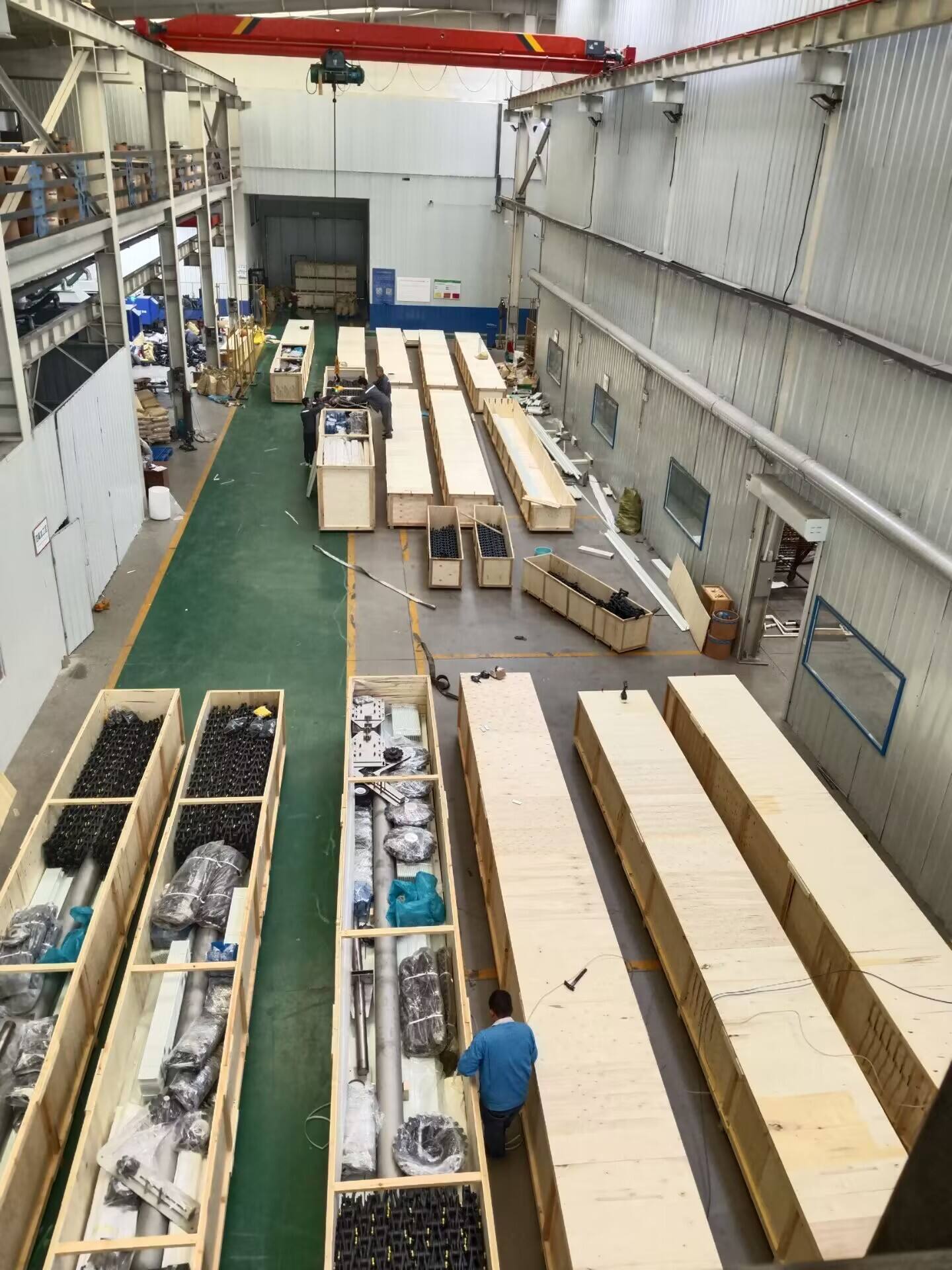
Understanding Corrosive Media and Its Impact on Mud Scraper Durability
How Corrosive Environments Accelerate Mud Scraper Degradation
Acidic wastewater and salty sludge can wear down mud scrapers anywhere from three to five times quicker than what happens in normal conditions because these materials create both chemical reactions and physical stress on equipment surfaces. When the pH drops below 4, carbon steel starts losing about 1.2 to 1.8 millimeters of material each year. At the same time, when there's more than 10,000 parts per million of chloride present, tiny pits form underneath the surface that break through protective coatings over time. The harsh conditions also take a toll on chain drives, causing them to wear out around 40 percent faster than they would in regular freshwater settings. Some facilities end up replacing components every three months just to keep operations running smoothly under these tough circumstances.
Key Degradation Mechanisms in Low-pH and High-Salinity Settings
Four primary corrosion pathways dominate in harsh conditions:
- Galvanic corrosion: Occurs when carbon steel blades contact stainless steel fasteners in conductive sludge
- Microbial corrosion: Sulfate-reducing bacteria in anaerobic sludge generate localized pH drops as low as 1.8
- Flow-assisted corrosion: Turbulent slurries at flow velocities above 2.3 m/s erode passivation layers
- Stress corrosion cracking: High-tension scraper chains fail prematurely in H₂S concentrations over 50 ppm
Studies show GRP scrapers last 2.8 times longer than carbon steel in pH 1.5 environments before requiring maintenance.
Common Failure Points of Carbon Steel Scrapers in Acidic Wastewater Applications
In acidic conditions below pH 3, weld joints tend to be where most problems start. About three quarters of all system failures actually happen right at those blade bracket connections. Regular A36 steel plates just can't hold up when exposed to pH levels around 2.2 for long periods. They typically rust through entirely somewhere between six to eight years later. Duplex stainless steel options last much longer though, giving operators nearly twice as much time before needing replacement. The scraper chains also face serious issues. Their roller bearings wear down so fast that maintenance crews often find themselves replacing them roughly once every fourteen months instead of the usual five year mark seen in normal environments without corrosion concerns.
Material Selection: Stainless Steel vs. GRP for Corrosion-Resistant Mud Scrapers
Duplex Stainless Steel: Superior Chemical Resistance in Chloride-Rich Environments
Duplex stainless steel works really well in places where there are lots of chlorides, like those big coastal wastewater treatment centers or chemical processing plants along the coast. The reason? Its unique two-phase structure gives it super strong properties, with strength ratings over 400 MPa, and it fights off pitting corrosion pretty effectively too, keeping damage below 0.1 mm per year even when dealing with salty sludge. When looking at composition, duplex steel has around 3% molybdenum which makes all the difference. In saltwater conditions above 5,000 ppm concentration, it actually performs about twelve times better than regular old 316L steel. Some research from 2023 showed something impressive too. After sitting in seawater treatment systems for ten whole years, these steel scrapers still had 98% of their original thickness intact while carbon steel versions only managed about 60%. And according to what the industry specs say, this particular alloy can handle stress corrosion cracking right up until temperatures hit around 150 degrees Celsius, so it's great stuff for applications where heat is part of the problem.
Glass-Reinforced Plastic (GRP): Structural Advantages in Abrasive and Corrosive Sludge Conditions
GRP scrapers really shine in those super acidic conditions (below pH 2) and rough environments found in mining operations, particularly because their epoxy base stands up pretty well against sulfuric acid and hydrogen sulfide. Since they're not made of metal, there's no risk of galvanic corrosion when installed alongside other materials, which means less downtime for maintenance about 40% less than what we see with traditional steel systems. The panels themselves wear down much slower too about 70% slower than regular carbon steel exposed to gritty sludge. Plus they hold their shape even after repeated stress cycles, something that matters a lot in industrial settings where equipment gets put through its paces day after day.
When GRP Outperforms Metal Despite Lower Tensile Strength
GRP works really well when what matters most is standing up to chemicals rather than needing super strong structure. Think about those wastewater clarifiers in cities that only deal with average mechanical stress. The material's good strength compared to how light it is makes it possible to install in old tanks that weren't built to handle heavy steel equipment. For secondary treatment basins, particularly around areas with cathodic protection systems, GRP doesn't break down from electrolysis like other materials would. Industry experience shows these installations can last anywhere between 10 to 15 years before needing replacement, which is pretty impressive considering the harsh conditions they face daily.
Degradation Mechanisms Affecting Mud Scraper Longevity in Harsh Conditions
Chemical Pitting Under Stagnant Sludge Layers
When sludge sits around instead of moving, it forms hotspots for chemical damage. Microbes in these areas can drop the pH down below 3.5 and start producing hydrogen sulfide gas (H2S). This makes pitting corrosion happen anywhere from three to five times faster than what we see in systems where things keep flowing. Studies show that 316L stainless steel gets pitted at about 0.12 millimeters per year in these bad conditions. That's actually four times worse than the 0.03 mm/year rate found in properly aerated systems. Because of how quickly this damage builds up, checking blades regularly is really important. Most experts recommend looking them over every three months so any small pits can be caught before they turn into full blown holes that cause leaks and failures.
Galvanic Corrosion in Mixed-Material Scraper Assemblies
When different metals get combined, like carbon steel chains with stainless steel blades, they form what's called galvanic couples. These combinations can corrode anywhere from 3 to 4 times faster in brackish water environments. A coastal sewage treatment facility found out the hard way when their mixed material parts needed replacing roughly every 18 months, while single metal components lasted well over five years before needing attention. The solution? Dielectric spacers between these materials cut down on the corrosive electrical currents by nearly 90%. With this fix in place, maintenance crews saw service intervals stretch out to around 3.5 years instead.
Stress Corrosion Cracking in High-Tension Components
When scraper chains and drive shafts run between 75 to 110 percent of their yield strength, they experience around 63 percent more stress corrosion cracking problems in areas where there's lots of chloride present. Industry reports from 2022 showed something alarming too - some 2205 duplex stainless steel shafts started cracking after just eight thousand hours of operation once chloride concentrations went past five thousand parts per million. The good news is that finite element modeling has become a game changer for engineers working on these issues. With this tool, they can identify those pesky stress points and redesign them so peak tensile stresses drop by nearly half in newer system designs. This kind of innovation makes all the difference in extending equipment life spans and preventing costly failures down the line.
Comparative Performance: Cost, Maintenance, and Lifespan of Mud Scraper Materials
Stainless steel vs. GRP: Upfront cost versus long-term durability
The upfront price tag for stainless steel mud scrapers usually runs about 40 to 60 percent higher compared to GRP options. But wait, there's a catch. These stainless systems hold up way better against corrosion when exposed to chlorides, which means they last roughly three to five times longer before needing replacement, per research from NACE International back in 2023. That kind of longevity makes them worth the extra cash for facilities running non-stop operations. Looking at maintenance records over ten years, stainless steel setups need around seventy percent fewer unexpected repairs in similar working conditions. Now GRP has its place too, especially in gritty environments where the pH stays above 4. The lighter weight of GRP materials cuts down on stress for supporting structures since it weighs about half as much as stainless steel. Just keep in mind that regular checkups are part of the deal with GRP installations.
Maintenance frequency and operational downtime by material type
| Material | Maintenance Frequency | Annual Downtime | Replacement Cycle |
|---|---|---|---|
| Stainless Steel | 24 months | 8 hours | 10–15 years |
| GRP | 12 months | 16 hours | 6–8 years |
The 316L grade of stainless steel significantly reduces chemical pitting, enabling twice the maintenance interval of GRP systems. This translates to 50% less annual downtime–critical for wastewater facilities requiring over 95% equipment availability. In UV-exposed installations, GRP degrades faster, often requiring earlier replacements despite lower procurement costs.
Lifecycle Cost Efficiency of Corrosion-Resistant Mud Scrapers
Total ownership cost analysis: Stainless steel versus GRP systems
Even though they cost about 60% more upfront, stainless steel scrapers actually end up costing around 32% less over their lifetime compared to carbon steel when used in areas with high chloride content. According to some recent research published in the 2024 edition of Corrosion Protection Studies, glass reinforced plastic (GRP) systems can save approximately $18 per square foot over a decade in really harsh conditions where the pH drops as low as 2.5. When looking at what drives these costs, replacement frequency stands out most. Stainless steel typically needs replacing somewhere between 8 to 12 years, whereas GRP lasts longer, usually needing replacement after 10 to 15 years. Maintenance downtime is another big factor too. GRP requires roughly 40% fewer maintenance stops because it's just lighter overall and easier to handle during inspections and repairs.
Case Study: 10-year cost simulation in a petrochemical sludge thickener
At one mineral processing facility, switching to duplex stainless steel scrapers instead of GRP saved them around $740k even though nobody really expected it would work so well in those conditions. The setup was pretty tough too, dealing with temperatures hitting 80 degrees Celsius and all sorts of acidic sludge. Turns out the main reason for these big savings? Glass reinforced plastic just couldn't handle the silica rich environment and kept needing replacements at about three times the cost. Looking at maintenance logs, plant managers noticed something else interesting. Stainless steel equipment lasted longer between failures, cutting down on those surprise shutdowns by roughly 22 days every year. That kind of reliability makes a huge difference when trying to keep operations running smoothly without constant interruptions.
Optimizing replacement intervals using predictive maintenance models
Advanced wear sensors now extend scraper service life by 35% by detecting stress corrosion cracking thresholds in real time. When integrated with sludge chemistry monitoring, these systems reduce material waste by 18 tons per year while maintaining 99.4% scraper availability–essential for uninterrupted operation in corrosive wastewater treatment processes.
FAQs
What are the key mechanisms causing corrosion in mud scrapers?
Key mechanisms include galvanic corrosion, microbial corrosion, flow-assisted corrosion, and stress corrosion cracking, particularly in environments with low pH and high salinity.
Which material performs better in chloride-rich environments?
Duplex stainless steel performs exceptionally well in chloride-rich environments due to its superior chemical resistance, making it a preferred choice for coastal wastewater treatment centers.
How does GRP compare to metal in terms of corrosion resistance?
GRP offers significant advantages in highly acidic and abrasive conditions, with slower wear rates and reduced risk of galvanic corrosion when combined with other materials.
What factors influence the lifecycle cost of mud scrapers?
The lifecycle cost is influenced by factors such as replacement frequency, maintenance downtime, and material type. Stainless steel may cost more initially but often proves more economical over time due to its durability.
Table of Contents
- Understanding Corrosive Media and Its Impact on Mud Scraper Durability
- Material Selection: Stainless Steel vs. GRP for Corrosion-Resistant Mud Scrapers
- Degradation Mechanisms Affecting Mud Scraper Longevity in Harsh Conditions
- Comparative Performance: Cost, Maintenance, and Lifespan of Mud Scraper Materials
- Lifecycle Cost Efficiency of Corrosion-Resistant Mud Scrapers
- FAQs