 EN
EN

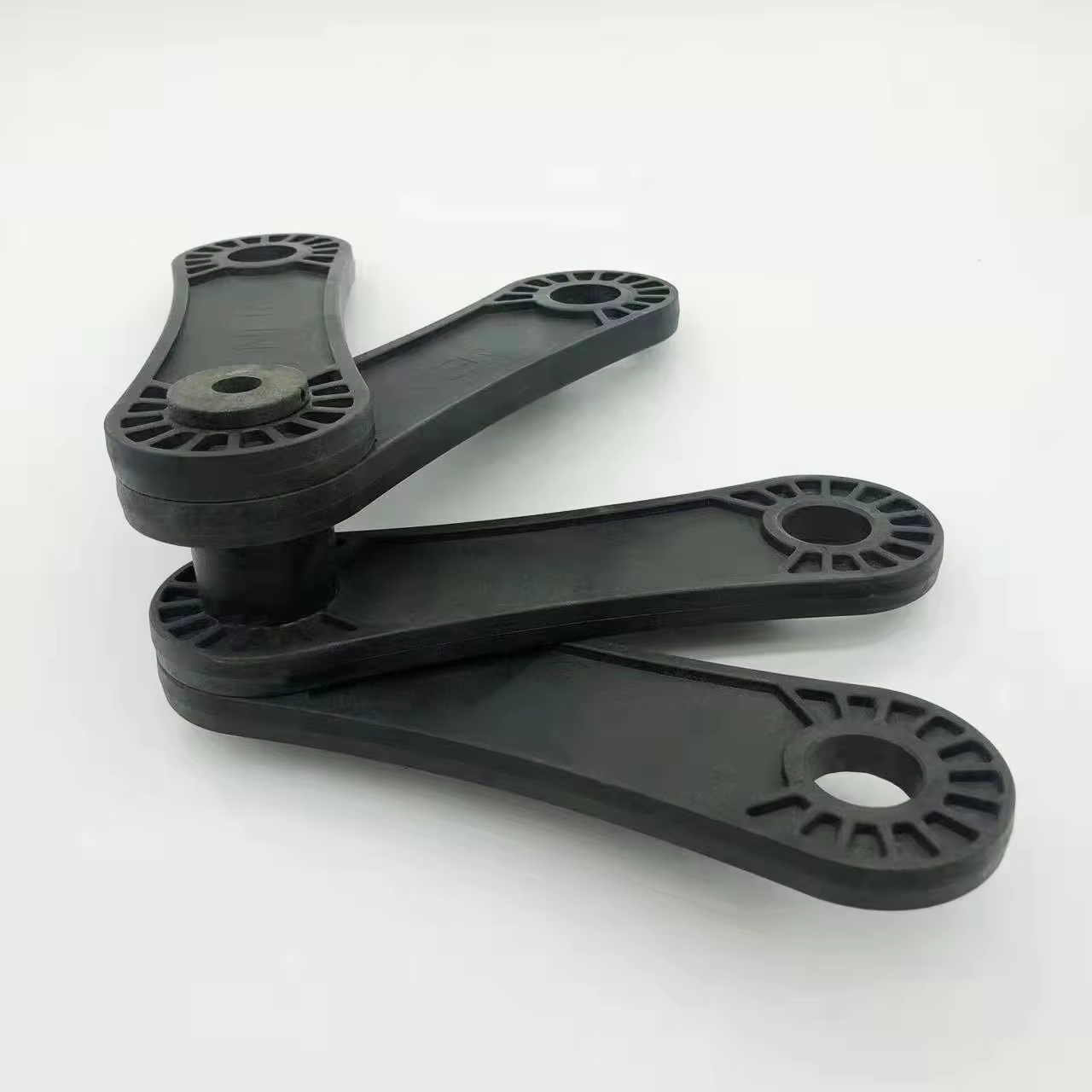
Superior Corrosion Resistance of Plastic Scrapers in Aggressive Chemical Environments
UHMWPE and Polyurethane Performance in Low-pH, Oxidative, and Sulfide-Rich Wastewater
Wastewater treatment environments subject equipment to extreme chemical stress—including low-pH acids, oxidative disinfectants like chlorine, and sulfide byproducts. UHMWPE (Ultra-High Molecular Weight Polyethylene) and polyurethane plastic scrapers excel here due to three inherent advantages: their non-porous molecular structure (0.94–0.98 g/cm³ density) prevents microbial adhesion and chemical infiltration; their stable polymer chains resist oxidation from chlorine (<500 ppm) and sulfuric acid (pH <1); and—unlike metals—they eliminate galvanic corrosion pathways entirely. Testing confirms UHMWPE retains 89% of its tensile strength after 10,000 hours across pH 2–12, outperforming epoxy-coated metals by a 4:1 margin. In sulfide-rich settings, both UHMWPE and polyurethane maintain structural integrity where metal alternatives fail catastrophically due to hydrogen embrittlement.
Chemical Resistance Comparison: PVDF, PTFE, and Acetal Against High-Chloride and Acidic Media
For high-chloride or acidic applications, material selection must balance performance, thermal stability, and cost-effectiveness:
| Material | Chloride Resistance | Acid Resistance | Temperature Limit |
|---|---|---|---|
| PVDF (Polyvinylidene Fluoride) | Excellent | Excellent | ≤150°C |
| PTFE (Polytetrafluoroethylene) | Outstanding | Outstanding | ≤260°C |
| Acetal (Polyoxymethylene) | Good | Limited | ≤90°C |
PVDF delivers the strongest overall value for chloride-rich brine or acidic slurries—demonstrating <0.05 mm/year erosion in 10% HCl solutions per ASTM D543. While PTFE offers unmatched inertness against concentrated acids, it sacrifices mechanical rigidity and wear resistance at elevated loads. Acetal resists chloride pitting well but degrades rapidly in strong oxidizers such as nitric acid. For most industrial corrosive applications, PVDF provides optimal cost-to-performance; PTFE remains reserved for niche, extreme exposures where chemical inertness outweighs mechanical demands.
Plastic Scraper vs. Metal Scraper: Lifecycle, Reliability, and Hidden Costs in Corrosive Settings
Metal Scraper Failure Modes: Pitting, Stress Corrosion Cracking, and Galvanic Degradation
Metal scrapers degrade predictably—and often prematurely—in aggressive environments through three interrelated failure mechanisms. Chemical pitting initiates when chloride or acidic ions attack stainless steel surfaces, deepening at 0.8–1.2 mm/year under typical wastewater conditions. Galvanic corrosion accelerates decay by 3–5× when dissimilar metals contact during assembly or operation—common in multi-material scraper mounts or fasteners. Under torsional scraping loads, this corrosion synergizes with mechanical stress to induce stress corrosion cracking, reducing structural integrity by 40–60%. Even modest pH fluctuations below 4 cut carbon steel scraper lifespans from a theoretical 10 years to just 18–24 months—triggering unplanned failures mid-cycle and increasing safety risks.
Total Cost of Ownership: Downtime, Replacement Frequency, and Contamination Risk with Metal Alternatives
Total cost of ownership (TCO) analysis reveals plastic scrapers deliver compelling economic advantages in corrosive settings. Industry data shows stainless steel scrapers require an average of three blade replacements annually—contributing to 144 hours of operational downtime per year. In contrast, high-quality polyurethane plastic scrapers need zero scheduled blade replacements over five years, with only 12 hours of planned maintenance downtime total. Over that period, TCO for metal scrapers reaches $191,000 versus $63,000 for plastic alternatives—a 67% reduction. Beyond direct costs, unplanned metal scraper failures drive up to $740,000 in annual losses from production interruptions alone (Ponemon Institute, 2023). Moreover, corroded metal fragments pose contamination hazards in process streams—risking product recalls or regulatory nonconformance. As confirmed by the Water Environment Federation, polymer-based equipment reduces long-term lifecycle expenses by 40–60% in consistently corrosive applications.
Selecting the Right Plastic Scraper: Matching Material Properties to Application Demands
Balancing Abrasion Resistance, FDA Compliance, and Metal Detectability for Food & Pharma Use
In food and pharmaceutical processing, plastic scraper selection hinges on three non-negotiable criteria: abrasion resistance, regulatory compliance, and contamination control. UHMWPE and polyurethane provide exceptional wear resistance against repetitive cleaning cycles on conveyors and processing surfaces—maintaining dimensional stability over thousands of passes. Critically, these materials must meet FDA 21 CFR §177.1520 (UHMWPE) and §177.1680 (polyurethane), as well as EU Regulation (EC) No. 10/2011, ensuring no leachable compounds migrate into sensitive products. To further mitigate risk, metal-detectable formulations—integrated with FDA-compliant iron oxide or stainless-steel additives—enable reliable identification using standard inline detection systems. This integrated approach—combining durability, full regulatory adherence, and built-in traceability—ensures consistent operational reliability while satisfying stringent quality and safety requirements.
FAQs
Why are plastic scrapers superior in corrosive environments?
Plastic scrapers resist corrosion due to their non-porous molecular structure and stable polymer chains, unlike metals which suffer from galvanic and stress-induced corrosion.
Which plastic materials are best for chemical resistance?
UHMWPE and polyurethane excel in low-pH, oxidative settings, while PVDF offers the strongest value for high-chloride and acidic media.
How do plastic scrapers compare to metal scrapers in terms of lifecycle costs?
Plastic scrapers drastically reduce total costs, requiring less maintenance and replacements compared to metal scrapers, while mitigating contamination risks.
Are plastic scrapers safe for food and pharmaceutical use?
Yes, UHMWPE and polyurethane meet FDA and EU regulatory standards, ensuring safe usage in sensitive applications.