 EN
EN

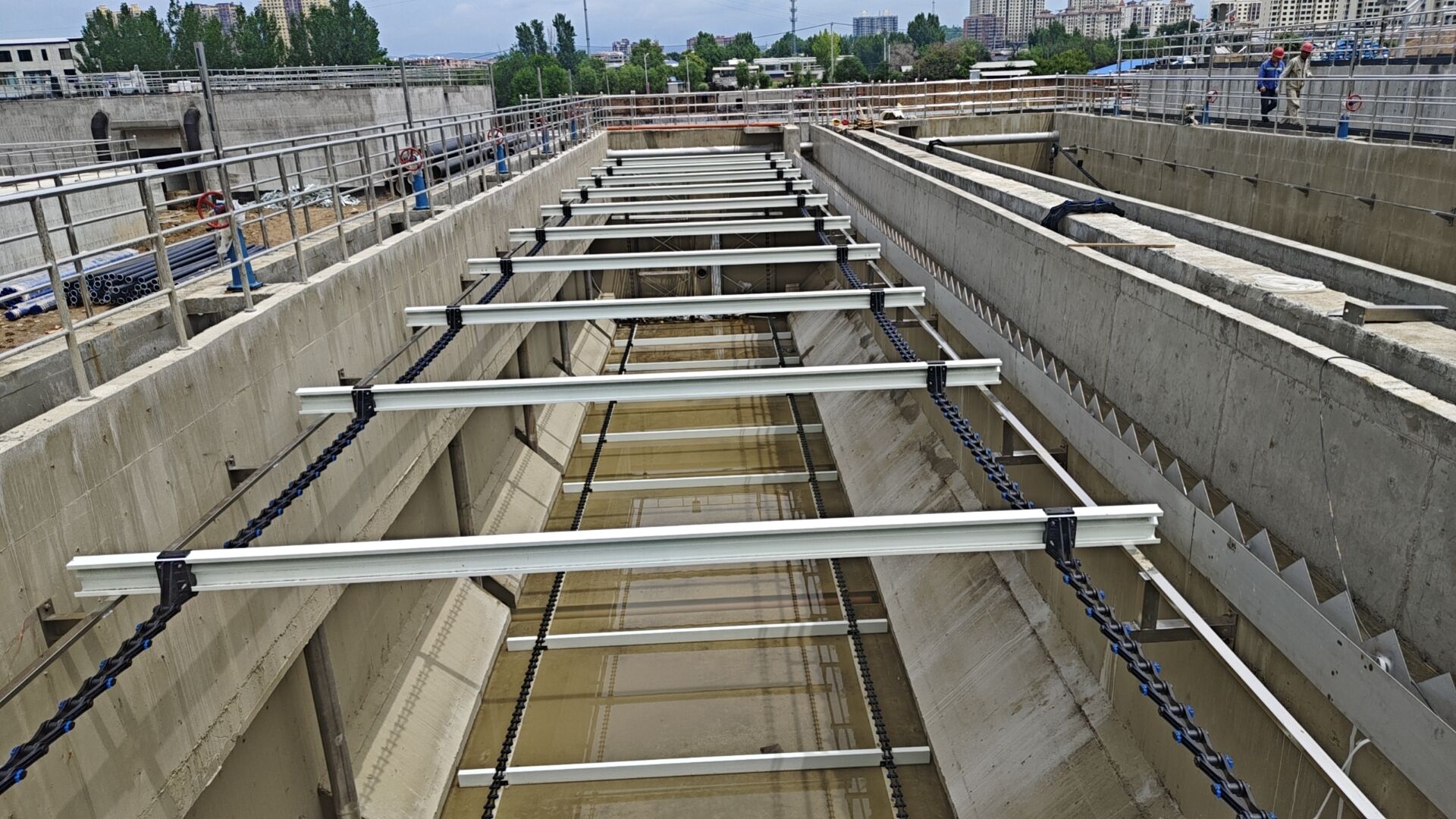
Tionchar iontuigthe ar chorrúchán sna timpeallachtaí deacra bainistíochta portán
Tionchar ceimiceach HDPE, PU, PA, agus POM i gcoinne H₂S, aigéid orgánacha, agus sludge alcaileach
Tá an-scrapers déanta as ábhair amhail HDPE, PU, PA, agus POM ina n-áit a dtugann siad tuairim ar cheimiceáin docharthaí a fhaightear go coitianta i gcochlaí báis. Tá siad in ann fiú an dochar a dhéanann substaintí amhail hidrigín sulfide, aon fheamhach aigéid, agus leibhéil pH an-éagsúla ó 2 go 12. Is é an rud a dhéanann na roghanna plasta iad chomh éifeachtach is sin ná a gcumas le fágáil taobh thiar d’fhadhbanna a mhaireann le comhpháirteanna meitile. Tendann meitilí a mbacú le haimsir mar gheall ar fhreagairtí galvanacha agus ar chraicinn a chruthaíonn eispózúil don chlóirín, rud a éilíonn cothabháil rialta nó clúdaigh cosanta. Tugann an-scrapers plasta na fadhbanna seo i gceart i gcomplet agus iad ag coimeáil a neart agus a cruth. Tá cur chuige ar fheabhas sa tseanadh ar fheabhas i dtionscnaimh uisce ar fud na tíre nuair a aistríonn siad go dtí na réitigh bunaithe ar pholamair. Deir cuid de na tuairiscí go mbíonn na bládanna beo ó chúig go seacht uair faoi bhun an-ama ná na bládanna traidisiúnta meitile i dtancanna sárluachála, ag laghdú ar chostais athsholáthair agus ar am gan oibriú.
Córais scraipéil plasta vs. cruach stáin i gcláirí chéimeacha: Fianaise réalta ón EPA, 2022
Ní fhaigheann scraipéil cruach stáin faoi bhráid i gcás na n-ionsaithe anaeróbacha salachartha sin toisc go mbíonn siad ag cruthú bearnaí agus ag caoineadh sa ghnáthchúrsa. Rinne an EPA tástáil réalta sa bhliain 2022 ar 47 clár céimeacha ar fud na tíre. Bhí an toradh a fuair siad an-ghníomhach: tharla briseadh ar chórais scraipéil phlasta amháin faoi thríú huaire chomh minic agus ar scraipéil chrúach stáin. Sin a rá leis, agus gur b’fhéidir le scraipéil mheatail a athsholáthar gach 8–14 mí, d’fhan scraipéil phlasta ag obair go láidir thar thrí bliana gan aon deacracht struchtúrtha. Taispeánann an t-athbheochan réaltach go dtógann scraipéil phlasta 72% níos lú coinníollacha cothabhála ná roghanna meatail. Tá sé sin ag iarraidh níos lú scoiltí don repair agus sábháilteachta móra ar chostais bhainte as an tsluaidh le himeacht ama.
Torthaí Inherenteach Íseal agus Tréimhsí Oibriúcháin Fada
Idirghníomhaíocht le Sluaidh Greamach: Conas a Láimhseálann Bláidí Scraipéil Phlasta Díobháil na n-Imleabhar
Tá bláiscaidí scraibheáin phlasta in ann a sheasamh i gcoinne sludge greamaitheach mar gheall ar a ndearadh polaiméar sainiúil. Tá ábhair cosúil le HDPE agus POM in ann fiú a bheith ag bogadh nuair a thagann siad i dteagmháil le solaidí gránach, ag scaipeadh an bhfóirce ar fud na bláiscaide seachas cruthú na gcraobh beaga a fheicimid i gcomhpháirteanna mialta. Coimeádann an solúbthacht seo an oirdheisc chosúil leis an mbéim ar feadh tréimhsí faoi fhormhór. De réir roinnt papáir taighde ar chaitheamh polaiméar, cailltear timpeall 28% den ábhar acu thar am i gcomparáid le roghanna eile, rud a chiallaíonn go dtarlaíonn ionaduithe 3–5 huaire níos lú i n-ábhar cláirithe príomha. Ina theannta sin, ní ghléanann na huirlisí leis na ranna chomh fusa, mar sin tá laghad sa thógáil a chuirfeadh deireadh leis an bpróiseas chaitheamh ar chúlraí meicniúla.
Cuirteann Bearings Polaiméar Féin-iolraithe an t-úsáid as óstach — 800+ uair an chloig ama feidhme vs. 50 uair an chloig do choibhéisí mialta
Tá leacainn polaiméir le leacainn ghearrtha soladach ann go dtí féin, a scaipeann páirtí beaga ola go mall agus iad ag obair. Ciallaíonn sé sin nach bhfuil aon phointe ola amuigh ann a chaithfear a thabhairt isteach nuair a bheidh an t-áit fliuch nó faoi uisce. Ní mór leacainn mhionta a sheirbhisíocht gach dhá shéachtain agus de ghnáth bíonn siad in úsáid timpeall 50 uair roimh iad a athsholáthar. Ach is féidir le córais polaiméir leanúint ag obair ar feadh níos mó ná 800 uair díreach i bplandáin chóiriú uisce na cathrach agus i bhfacilití cosúil leis sin. Tógann an suíomh iomlán cuidiú leis féin, ag laghdú ar líon na dturais seirbhisíochta faoi thuairim 90% gach bliain agus ag stopáil fadhbanna corróide a chuireann leacainn ghainmheacha ar aghaidh. Nuair a theastaíonn ó oibrithe an phlandáin comhpháirteanna a athsholáthar le linn turgnamh gan réamhchur, is féidir leo é a dhéanamh i 15 nóiméad in áit na ceithre uaire a chaithfear le leacainn mhionta a athsholáthar mar a dhéanadh siad roimhe seo.
Athsholáthar Modúil gan Uirlis le haghaidh Cothabhála Tapaidh ar Scrapeoir Plaisteach
Tiontaíonn dearadh scrapers plastacha modúlaigh fórsaí an oibre cothabhála trí chumhachtú malartuithe comhpháirtí spriocaithe—clúdaigh, buaistí, nó sreapanna—gan córas iomlán a dhíscaoileadh. Is é seo an gás le haghaidh oibríochtaí le córas tréadála leanúnach ina mbaineann an t-imealladh gan phleanáil leis an éifeachtacht a bhaint as baint na soladach.
Malartuithe clúdaigh, buaistí agus sreapanna a bhfuil tuairimí sa réaltas orthu i ndiaidh 15 nóiméad—sonraí ó 12 athsholáthar cathrach (2021–2023)
Ar dhó dhéag de phlandaí báinbhurcais cathrach ar fud na réigiún, bhí inžinéirí in ann na bládanna agus na bushings a athsholáthar ar gach cuid den scrapper i ndiaidh a chéile i gceann de na cúig mionta go dtí an t-am a thóg sé ceithre nócaid is fiche nóiméad le déanaí nuair a bhí siad ag obair le sreangáin sean-stíl. Cuireadh an t-am a saoradh le chéile thar an bhliain, ag laghdú an obair iomláin maidir leis an n-ullmhú faoi thuairim ceathrú den chúigeadh de réir na gceckanna a rinneadh le linn na n-oibríochtaí anuraidh. Is é an rud atá chomh luachmhar leis na hathrúcháin tapa seo ná go stopann siad an córas claraigh iomlán ó shroichint nuair a dhéantar an t-ullmhú. Ciallaíonn sé sin go leanann an t-ullmhú ar sholáidí go rialta gan aon isteach, agus ní chaillfidh aon duine am táirgeachta ag fanacht go dtí go dtógfar na cruinniúcháin móra costasacha scrapper as metal arís go hiomlán.
Ceisteanna Coitianta
Cad iad na buntáistí a thagann le scrapperanna plasta i timpeallachtaí caorach?
Tugann scraipéirí plastacha fiúntas níos fearr in aghaidh an chorráin, saol fada agus freagracht níos lú ar threoshuíomh i gcomparáid le scraipéirí mialta. Tugann siad tuairim ar cheimicigh doiléir atá i mbunaitheocht na gcóras caoránach agus is lú an dóigh a mbeidh siad á corráin, rud a fheabhsaíonn an t-am gan oibriú.
Cathain a chóir scraipéirí plastacha a athsholáthar i gcomparáid le scraipéirí mialta?
Is féidir le scraipéirí plastacha, faoi ghnáthchuingeanna, bheith beo cúig go seacht uair faoi thréan ná scraipéirí mialta, ag laghdú riachtanais athsholáthar agus treoshuíomh go minic.
Cad é tionchar bearings polamair ar riachtanais treoshuíomh?
Laghdóidh bearings polamair riachtanais treoshuíomh go mór, ag soláthar níos mó ná 800 uair de aimsir oibre i gcomparáid le 50 uair de aimsir oibre bearings mialta, agus ag cur deireadh leis an riachtanas le lubrachán taobh amuigh.