 EN
EN

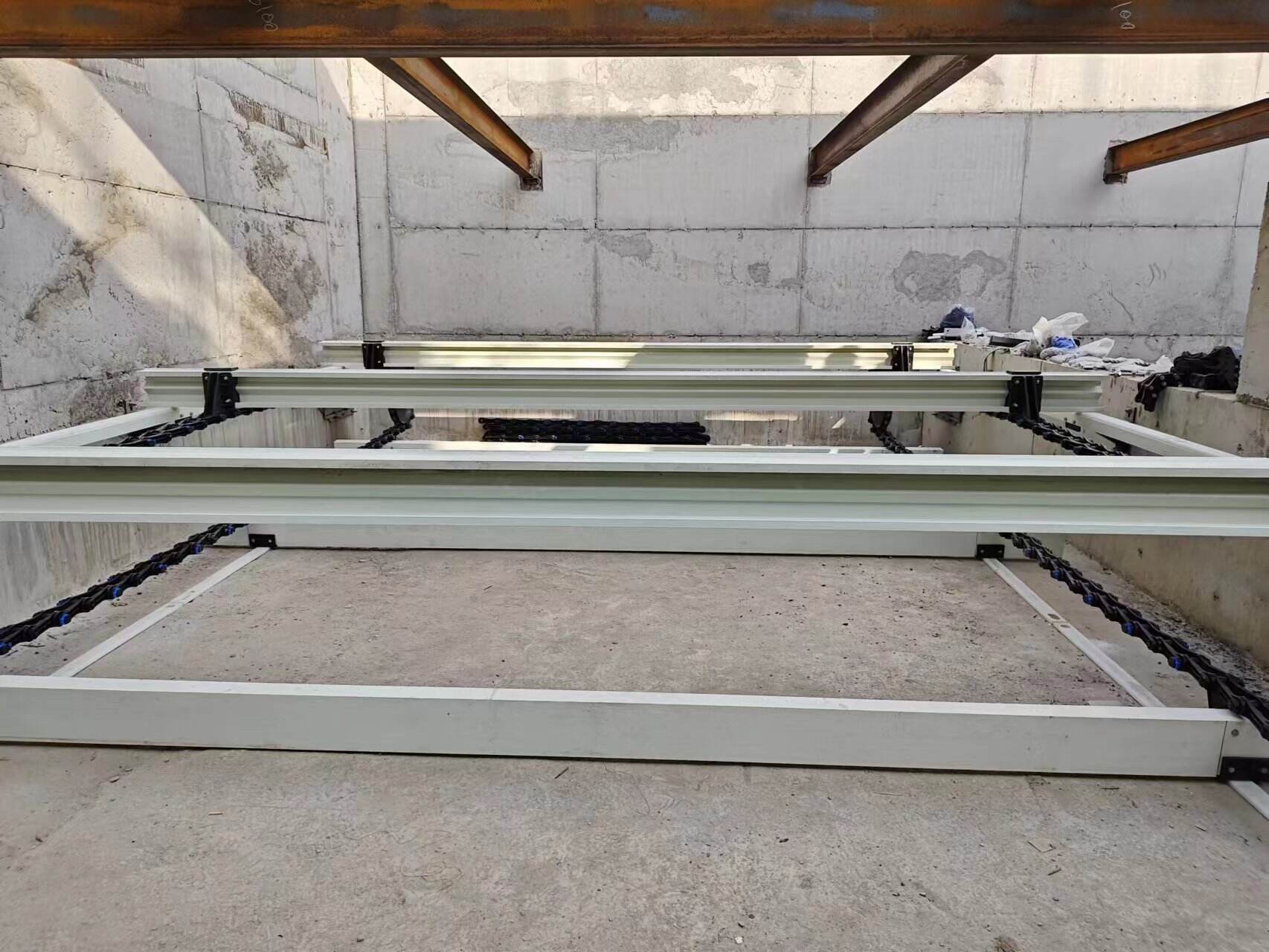
Kāpēc standarta dubļu skrāpji ātri iznīkst korozīvā notekūdenī?
Trīskāršais drauds: zems pH (<2,5), augsts hlorīdu saturs un smagmetālu dubļi
Sarežģītās apstākļi notekūdeņu attīrīšanas iekārtās patiešām smagi ietekmē dubļu skrāpētājus. Mēs runājam par vidi, kur pH līmenis nokrīt zem 2,5, hlorīdu koncentrācija pārsniedz 10 000 daļiņas uz miljonu un kur peld visdažādākā abrazīvā smagmetālu dubļu masā. Iekārtas, kas darbojas šādos zemos pH apstākļos, redz, ka to komponenti nodilst aptuveni 72 % ātrāk nekā normālos apstākļos. Ko notiek, kad visi šie faktori savienojas? Nu, šī kombinācija rada to, ko daudzi ekspluatācijas speciālisti sauc par divkāršu triecienu efektu. Skābe izēd aizsargpārklājumus, hlorīdi iekļūst mikroskopiskajās plaisās un defektos, bet abrazīvie daļiņas nepārtraukti nodilst virsmas diena pēc dienas. Aptuveni sešas no desmit iekārtām, kas apstrādā šādus notekūdeņus, beidzot nomaina savus skrāpētājus daudz agrāk, nekā bija paredzēts, reizēm pat jau pēc 18 mēnešiem ekspluatācijā. Un tad ir arī problēma ar dubļu pielipšanu visur. Šis netīrums rada nevienmērīgu skrāpēšanu pa visu tvertni, kas nozīmē, ka darbiniekiem biežāk jāiekāpj manuāli. Šādas remontdarbības ātri izsmelg budžetu, pievienojot gan papildu darba stundas, gan negaidītu ekspluatācijas pārtraukumu, ko neviens negrib redzēt grāmatvedības dokumentos.
Oglekļa tērauda degradācijas mehānismi: rievas, spraugu korozija un katastrofāla izturības zudums
Oglekļa tērauda dubļu skrāpēji parasti sabrūk, jo rodas vairākas savstarpēji saistītas problēmas. Hlorīda joni uzsāk procesu, veidojot bedrītes metāla virsmā ar ātrumu vairāk nekā 0,8 mm gadā, kas rada struktūras vājās vietas. Kad uzkrājas dūņas, to zemāk sākas spraugu korozija, kas iznīcina materiālu 3–5 reizes ātrāk nekā atklātajās vietās. Tad rodas patiesās problēmas, kad skrāpējs veic savu darbu. Rotācijas spēki izraisa stresa korozijas plaisas, kas var izraisīt pilnīgu atteici, pat ja materiāls būtu spējīgs izturēt daudz lielāku slodzi. Arī skābā vide, kur pH līmenis nokrīt zem 4, nopietni samazina paredzamo kalpošanas laiku, pārvēršot rīku, kas būtu jākalpo desmit gadus, par tādu, kas ilgst tikai apmēram divus gadus. Šīs nelielās bedrītes galu galā pārvēršas par nopietnām strukturālām problēmām, īpaši asmeņu savienojumos un piedziņas vārpstās, kur fiziskais spriedze un ķīmiskā ietekme kopā nodara kaitējumu aprīkojumam.
Divkāršās nerūsējošās tērauda dubļu skrāpējs: inženierzinātniski izstrādāts, lai nodrošinātu 3 reizes garāku kalpošanas laiku
Divfāžu mikrostruktūra un PREN > 40: pārāka pretestība caurumveida korozijai un sasprindzinājuma korozijai
Divkāršā nerūsējošā tērauda izcilā izturība ir panākta, izmantojot līdzsvarotu austēnīta–ferīta mikrostruktūru — apvienojot augstu izturību ar korozijas izturību, kas pārsniedz jebkuru parasto sakausējumu. Ar caurumveida korozijas pretestības ekvivalenta skaitli (PREN), kas pārsniedz 40, tas iztur hlorīdu izraisītu caurumveida koroziju koncentrācijās, kas piecreiz lielākas nekā standarta kvalitātēs.
Korozijas izturības salīdzinājums :
| Materiāls | Caurlaidības slieksnis (ppm Cl−) | Šķelšanās korozijas ātrums |
|---|---|---|
| Oglekļa tērauds | < 100 | 4,7 mm/gadā |
| 316L nerūsējošais tērauds | 1,000 | 0,8 mm/gadā |
| Divfāžu nerūsējošais tērauds | 5,000+ | < 0,1 mm/gadā |
Slāpekļa bagātinātās divfāžu sakausējumu kvalitātes ievērojami samazina stresa korozijas plaisošanās risku pat tad, ja tās ilgstoši pakļauj sprieguma spēkiem, jo to mikrostruktūra ir izstrādāta tā, lai apturētu plaisu izplatīšanos. Materiāls satur aptuveni 22–25 % hroma un aptuveni 3–4 % molibdēna, kas veicina aizsargkārta veidošanos uz virsmas. Šī kārta darbojas gandrīz kā pašatjaunojošs vairogs, kas ir īpaši svarīgi agresīvās vides apstākļos, piemēram, skābajos notekūdeņu sistēmās ar zemu pH līmeni. Nozarē strādājošie speciālisti zina, ka šis risinājums ir efektīvs gan saskaņā ar ASTM A890/A995 standartiem, gan arī pamatojoties uz reāllaika testēšanas rezultātiem, kas iegūti vairāku gadu garumā dažādās ražošanas nozarēs.
Reāllaika validācija: vidējais kalpošanas laiks — 72 mēneši pret 24 mēnešiem oglekļa tēraudam
Lauka dati rāda, ka dubultā (duplex) nerūsējošā tērauda māla skrāpji darbojas vidē ar augstu hlorīdu koncentrāciju — vairāk nekā 12 000 ppm — un pH zem 2,5 vidēji aptuveni 72 mēnešus. Tas ir trīs reizes ilgāk nekā oglekļa tērauda skrāpji, kuri parasti kalpo tikai apmēram 24 mēnešus, pirms nepieciešama to nomaiņa. Aplūkojot nogulšņu attīrīšanas stacijas visā valstī, ekspluatācijas personāls arī konstatē ievērojamus ietaupījumus. Uzturēšanas izmaksas samazinās aptuveni par 87 %, un negaidītu apstāšanās gadījumu skaits samazinās par aptuveni 92 % salīdzinājumā ar vecākām sistēmām. Vajadzība pēc tīrāka ūdens noteikti paātrinājusi šo procesu. Ar stingrākiem EPA noteikumiem, kas noteikti 40 CFR 503. daļā, un rūpnieciskā skābā atkritumā, kas kopš 2018. gada pieaudzis gandrīz par 42 %, daudzas iekārtas ir veikušas pāreju uz šīm sistēmām. Iekārtas, kurās šīs sistēmas ir uzstādītas, ziņo par katru gadu ietaupītiem 14–30 darba dienām saistībā ar ekspluatācijas pārtraukumiem. Un visas šīs priekšrocības tiek gūtas, nesamazinot struktūras izturību vai sistēmas spēju efektīvi pārvadāt šķidrumus caur procesu.
GRP dubļu skrāpju sistēmas kā nemetāliska alternatīva: veiktspējas kompromisi un specializētas lietojumprogrammas
Skābju izturība un nulles galvaniskā risks — bet ierobežojumi berzei un strukturālajai slodzei
Stikla armētā plastmasa (GRP) dubļu skrāpju sistēmas pilnībā novērš elektroķīmisko koroziju, nodrošinot gandrīz pilnīgu izturību pret skābēm visā pH diapazonā no 1 līdz 13 un nulles galvanisko risku. Neatkarīgi testi rāda, ka izskalošanās ātrums paliek zem 0,02 mm/gadā — pat augstā hlorīdu koncentrācijā (>300 ppm) — pārsniedzot vairumam metālisku alternatīvu čistās ķīmiskās izturības rādītājus. Tomēr mehāniskie ierobežojumi ierobežo plašāku pielietojumu:
| Veiktspējas faktors | GRP iespējas | Darbības ierobežojums |
|---|---|---|
| Smagdabību | Vidēja nodilumizturība | Nepiemērota dubļu maisījumiem ar >45 % cieto vielu saturu |
| Strukturālā slodze | 1:7 stiprības attiecība pret svaru salīdzinājumā ar tēraudu | Maksimālā darba temperatūra 80 °C |
| Dinamiskais spriegums | Ierobežota noguruma izturība | Izvairīties no augstas momenta reciprocējošajām piedziņām |
GRP materiāli parasti ir ar plūstamības robežu aptuveni 205 MPa, kas padara tos diezgan vājus smagas dūņu apstākļos, kad notiek pastāvīga satricināšana un daļiņas nepārtraukti triecas pret virsmām. Saskaņā ar dažām jaunākajām 2024. gada Materiālu izturības ziņojuma studijām ķīmiskajās vides, kas nav pārāk abrazīvas, var ietaupīt pat 32 procentus izmaksās divdesmit gadu laikā. Tomēr GRP joprojām paliek galvenokārt fona lomā kā specializēta iespēja, ko vislabāk izmantot vietās, kur rūsas un korozijas problēmas ir svarīgākas nekā patiesais fiziskais nodilums aprīkojumā.
Pierādīta izturība darbībā: Zickert Shark® reciprocējošā dūņu skrāpja lietošanas piemērs
Nepārtraukta darbība pH 2,1, 12 000 ppm hlorīdu un 45 % cieto vielu dūņās vairāk nekā 5 gadus
Zickert Shark svārstošais dūņu skrāpējs šobrīd jau vairāk nekā piecus gadus nepārtraukti darbojas ļoti grūtās notekūdeņu vidē — domājiet par pH līmeni 2,1, hlorīdu koncentrāciju līdz 12 000 ppm un dūņām, kurās ir 45 % cieto vielu. Vairums oglekļa tērauda skrāpēju šādos apstākļos pēc diviem gadiem būtu pilnīgi nederīgi. Šī ierīce izceļas ar savu divkāršā nerūsējošā tērauda konstrukciju, kas nodrošina uzticamu darbību, kamēr citi produkti sāk rādīt problēmas, piemēram, rūsas caurumiņas, spraugu koroziju vai pat sadrumstalošanos no metāla izturības zuduma. Tas, ka šis skrāpējs tik ilgu laiku ir izturējis tik brutālos apstākļus, liecina par to, cik lielu ietekmi uz apkopes izmaksām var atstāt labākas materiālu izvēles. Garākas laika pazemes starp bojājumiem nozīmē mazāk pārtraukumu, vieglāku plānošanu nomainīšanai un galu galā zemākas izmaksas visās jomās. Labākais? Darbības laikā nebija nepieciešams veikt nekādas pēcpārveidošanas, speciālas pārklāšanas vai papildu korozijas inhibitorus, kas pierāda: ja aprīkojums no paša sākuma ir izstrādāts tieši grūtām notekūdeņu vides apstākļu prasībām, tas praktiski darbojas labāk nekā visi citi pagaidu risinājumi, uz kuriem citi balstās.
Biežāk uzdotie jautājumi
Kāpēc standarta dubļu skrāpji neveicas notekūdeņu vides apstākļos?
Standarta dubļu skrāpji bieži neveicas dēļ cietsirdīgajiem apstākļiem notekūdeņu vidē, piemēram, zemā pH vērtība, augsts hlora līmenis un smago metālu dubļi, kas visi veicina ātru nodilumu un koroziju.
Kas padara divfāžu nerūsējošo tēraudu pārāku dubļu skrāpjiem?
Divfāžu nerūsējošais tērauds nodrošina pārāku izturību savas divfāžu mikrostruktūras dēļ, kas nodrošina lielisku pretestību pret punktveida koroziju un sprieguma koroziju, īpaši vidēs ar augstu hlora koncentrāciju.
Vai GRP dubļu skrāpji ir piemēroti visu veidu dubļiem?
GRP dubļu skrāpji nav piemēroti vidēm ar >45 % cieto vielu saturu dubļos, jo to mehāniskās ierobežojumspējas neļauj efektīvi izturēt abrazīvās slodzes un strukturālās slodzes.
Kā Zickert Shark® skrāpis darbojas cietsirdīgos apstākļos?
Zickert Shark® skrāpētājs ļoti labi darbojas grūtās apstākļos, jo tas izgatavots no divkāršā nerūsējošā tērauda, kas nodrošina ilgstošu darbību pat zemā pH un augstas hlorīdu koncentrācijas vides apstākļos.
Satura rādītājs
- Kāpēc standarta dubļu skrāpji ātri iznīkst korozīvā notekūdenī?
- Divkāršās nerūsējošās tērauda dubļu skrāpējs: inženierzinātniski izstrādāts, lai nodrošinātu 3 reizes garāku kalpošanas laiku
- GRP dubļu skrāpju sistēmas kā nemetāliska alternatīva: veiktspējas kompromisi un specializētas lietojumprogrammas
- Pierādīta izturība darbībā: Zickert Shark® reciprocējošā dūņu skrāpja lietošanas piemērs
- Biežāk uzdotie jautājumi