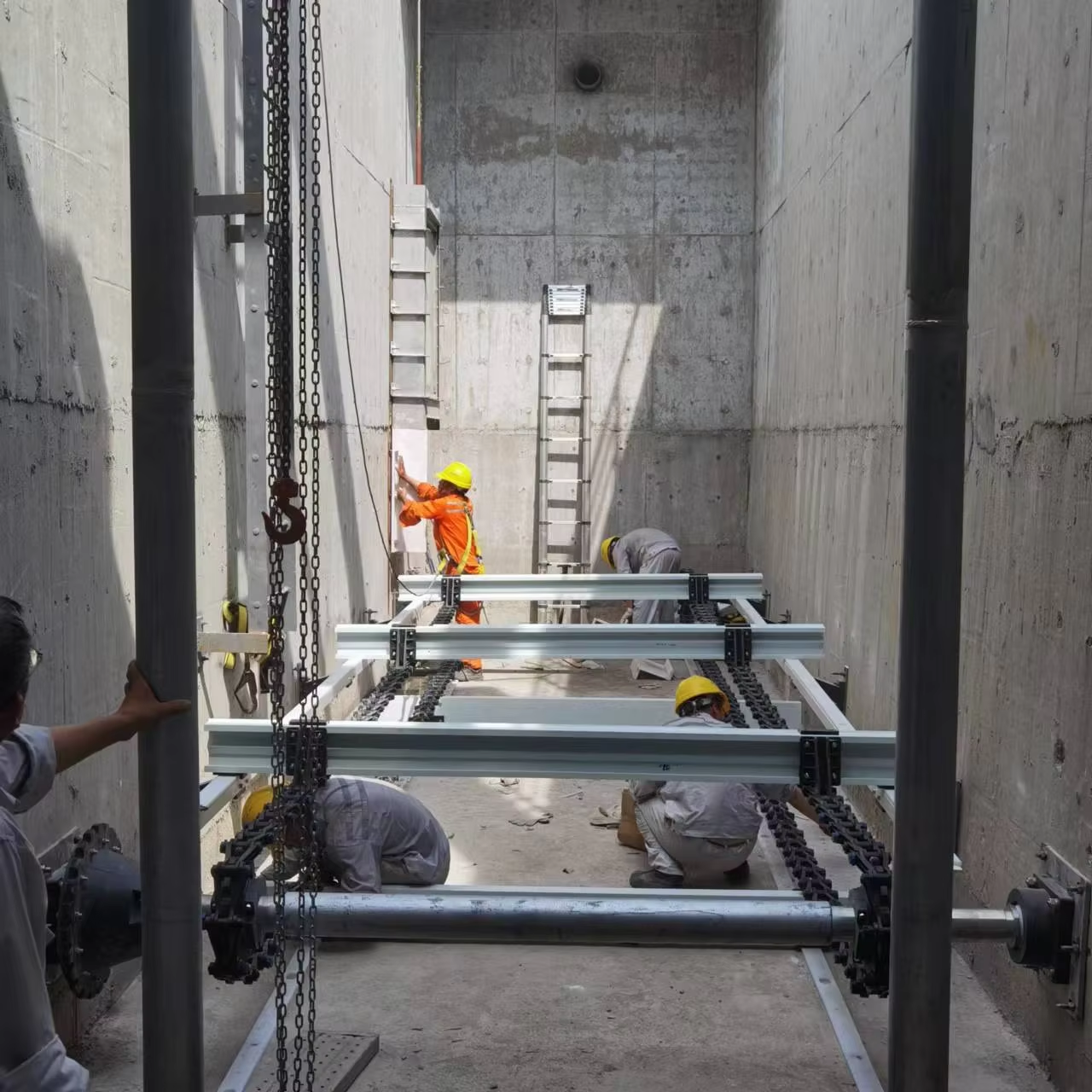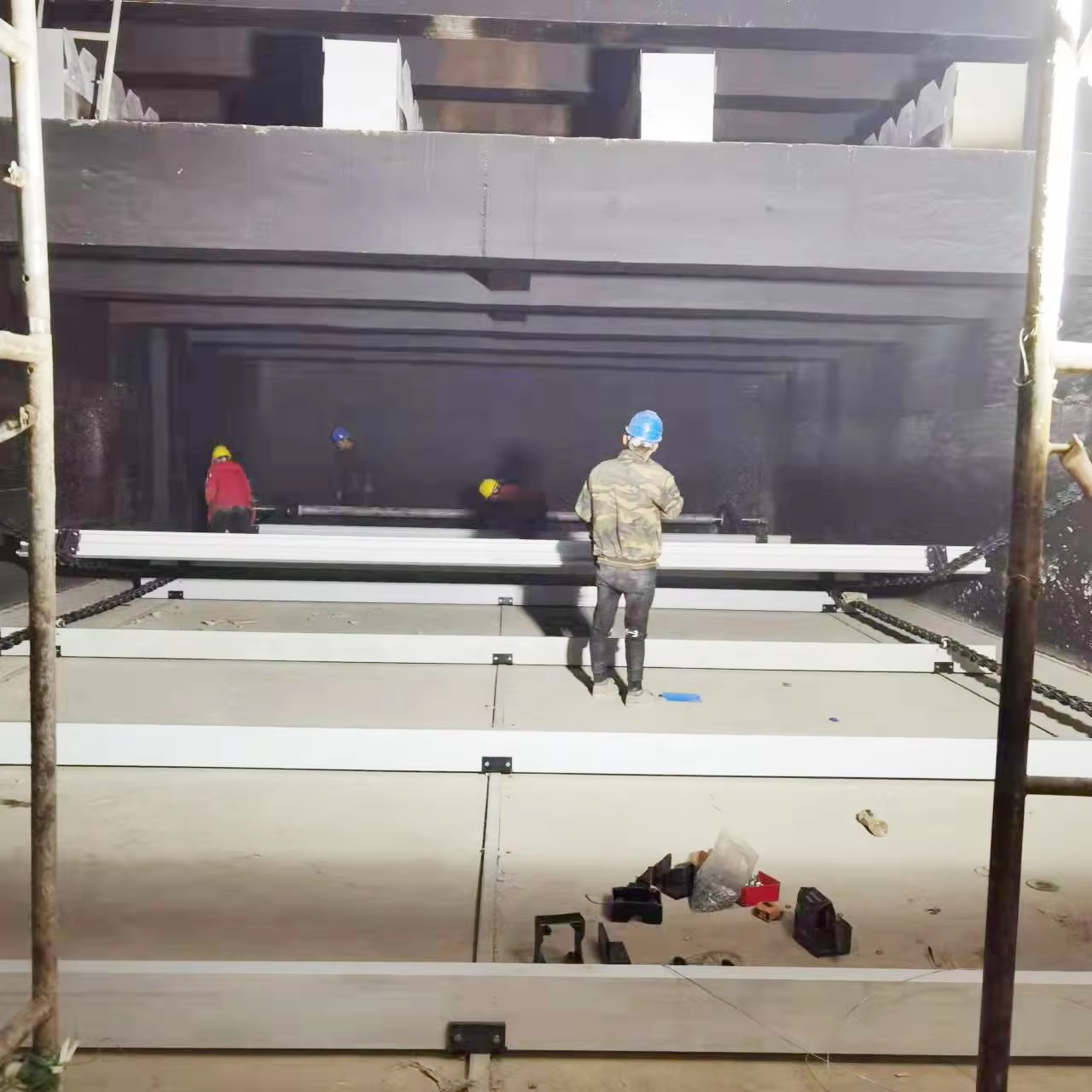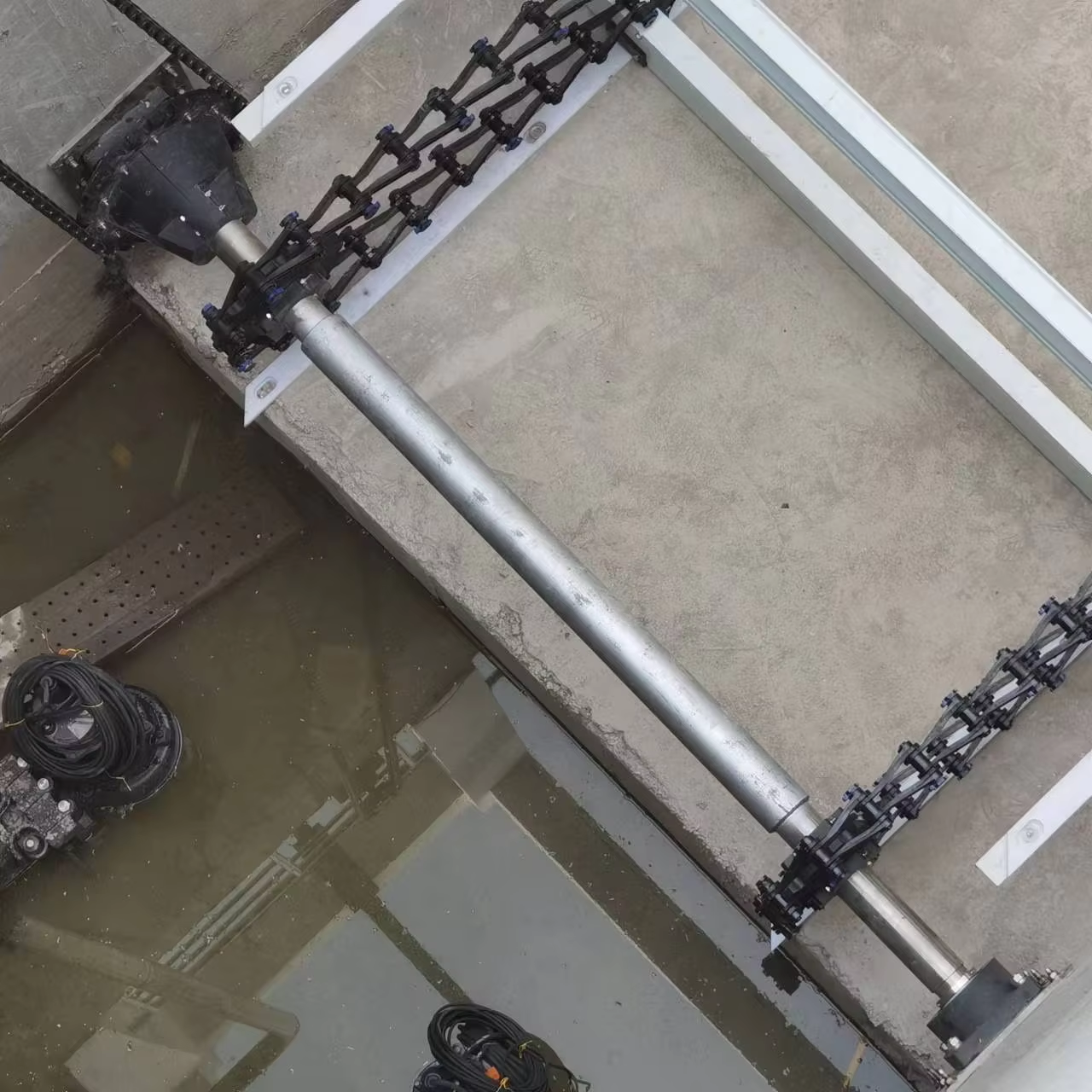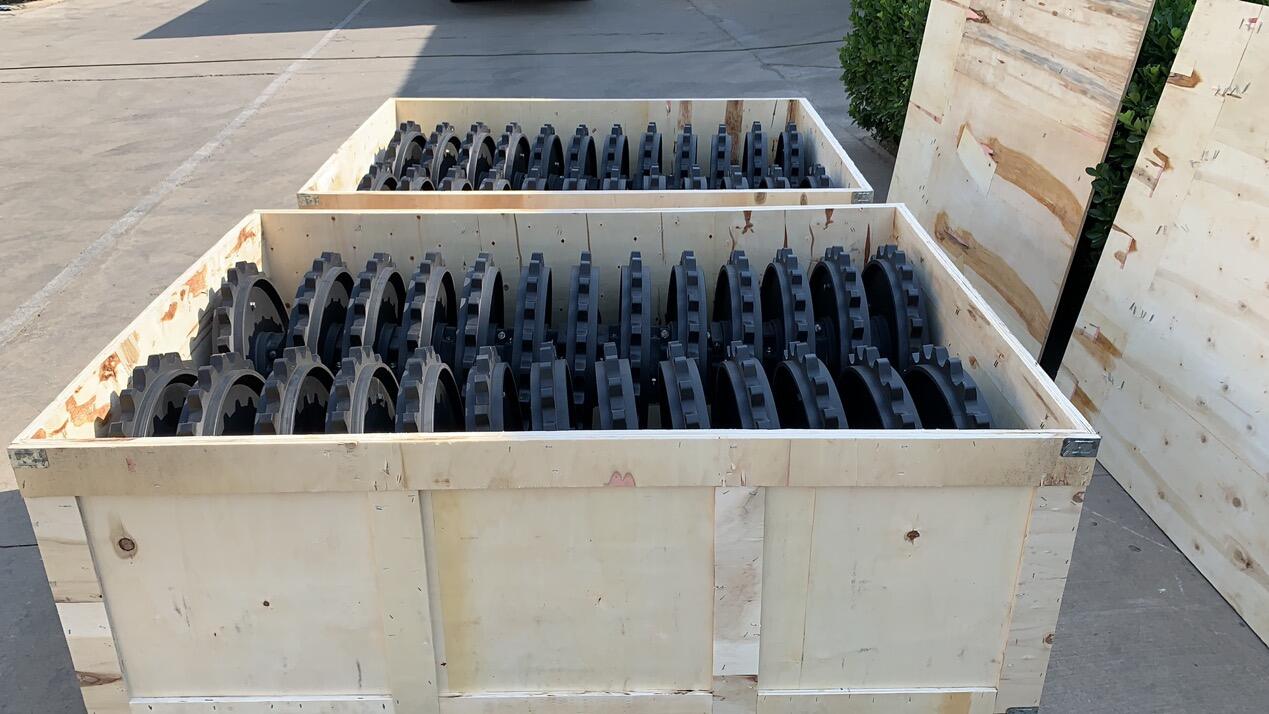
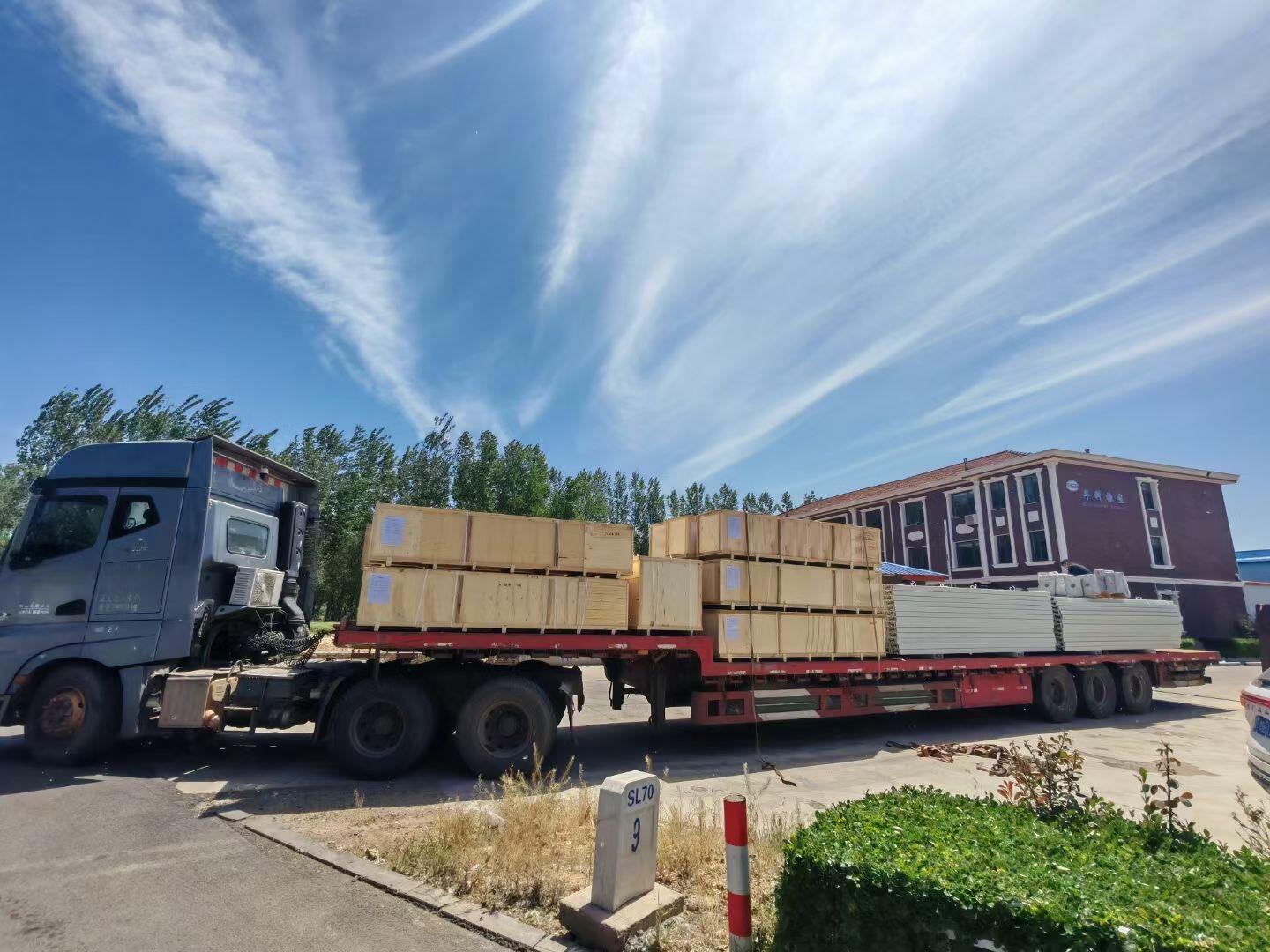
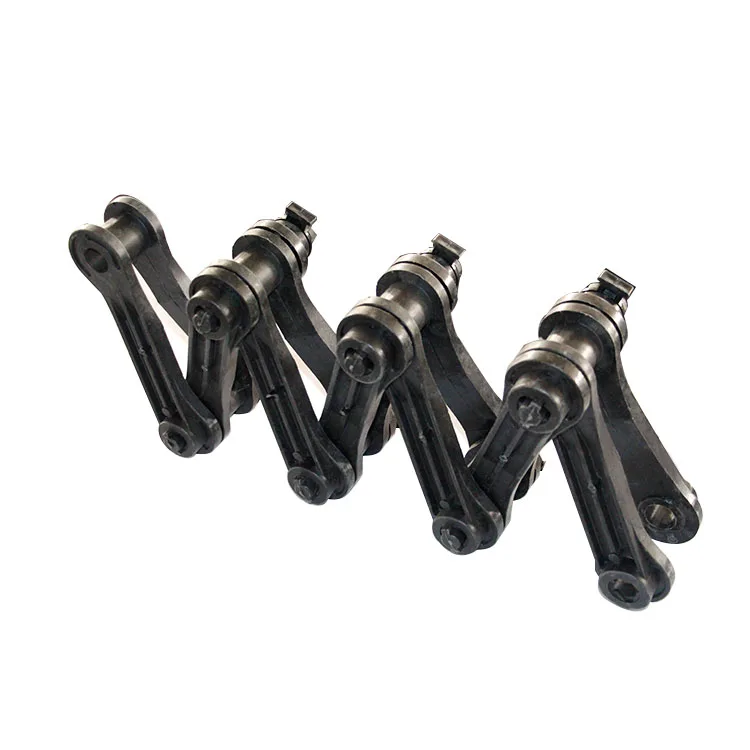
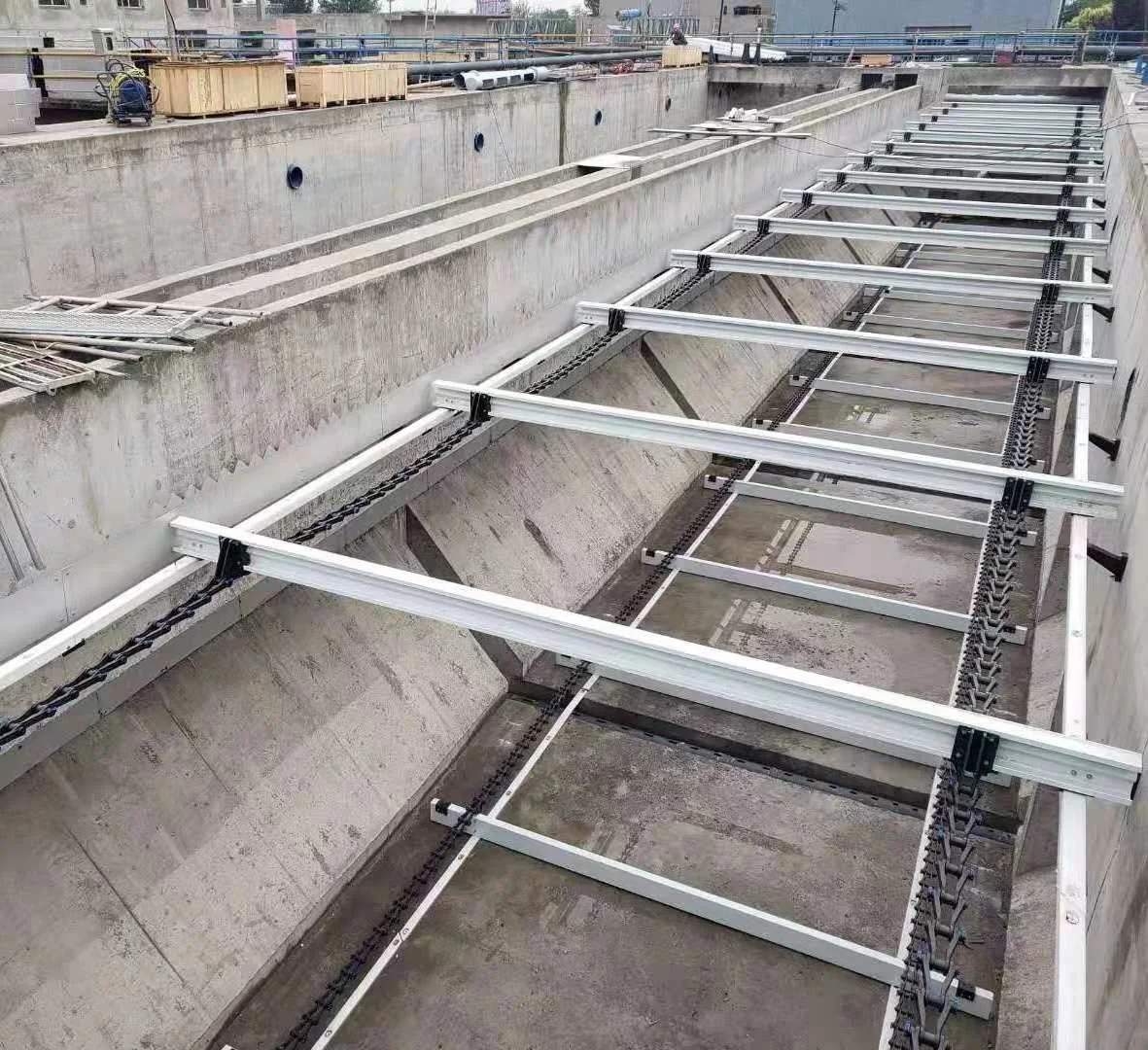
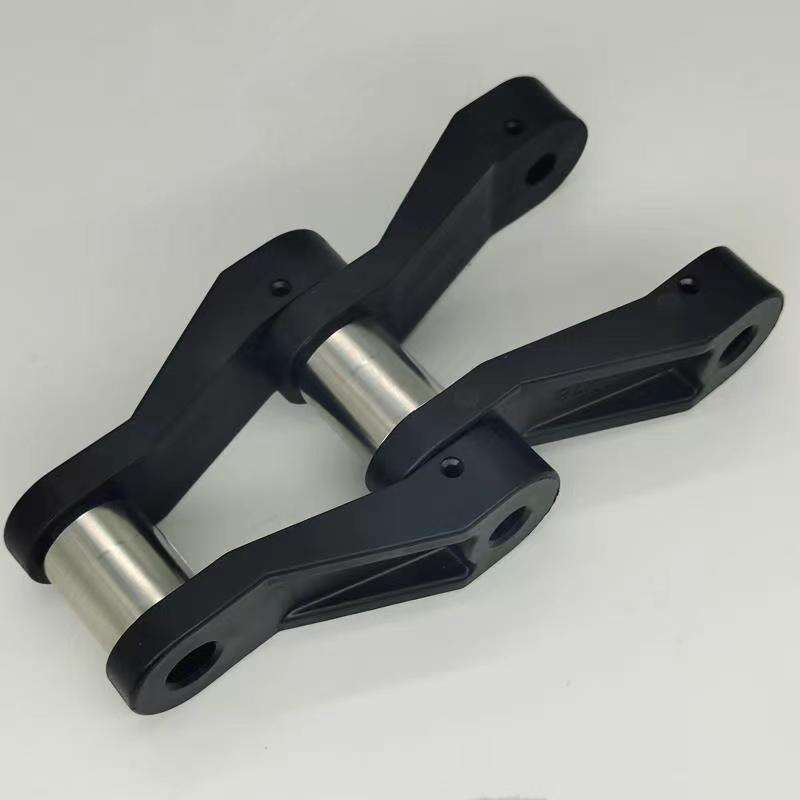
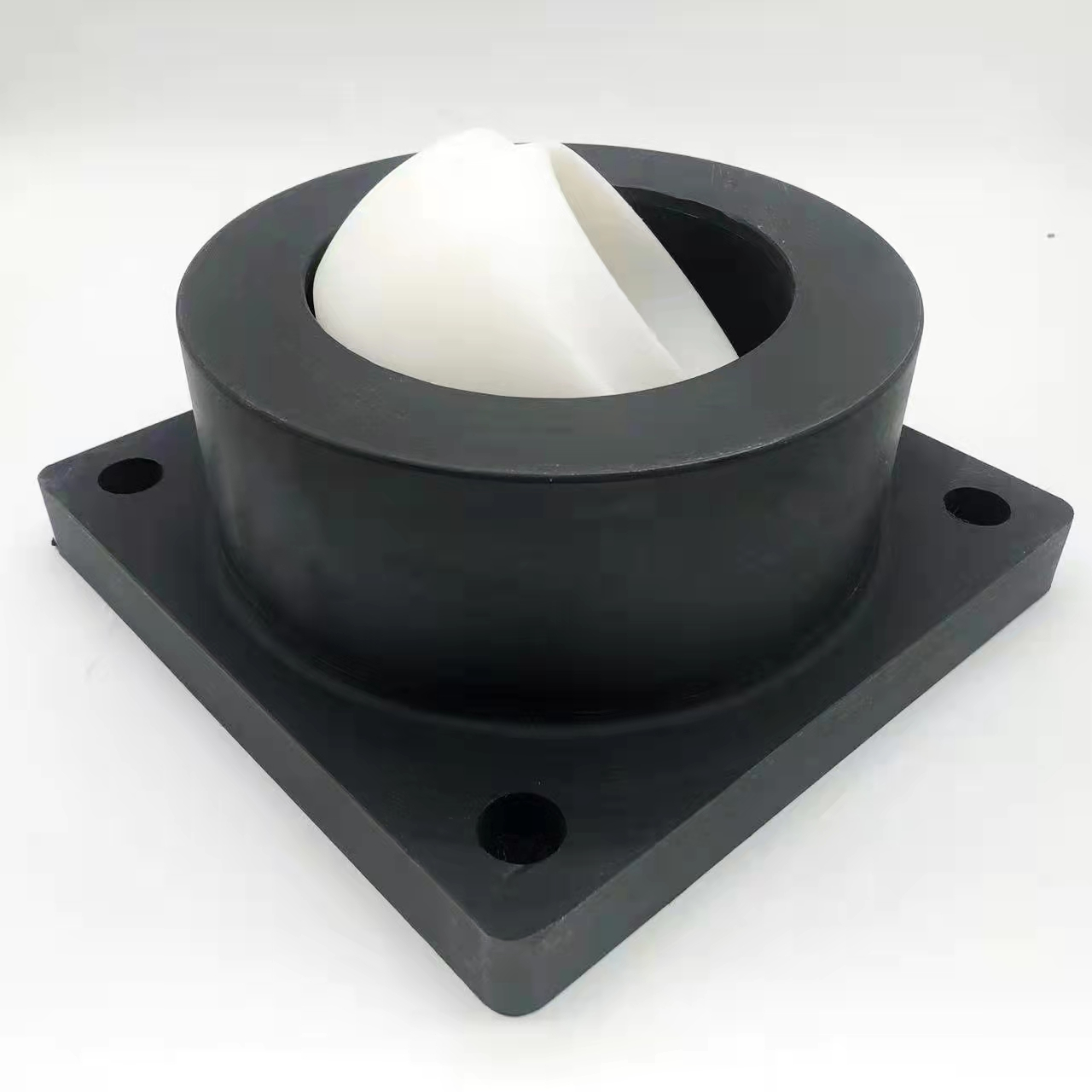
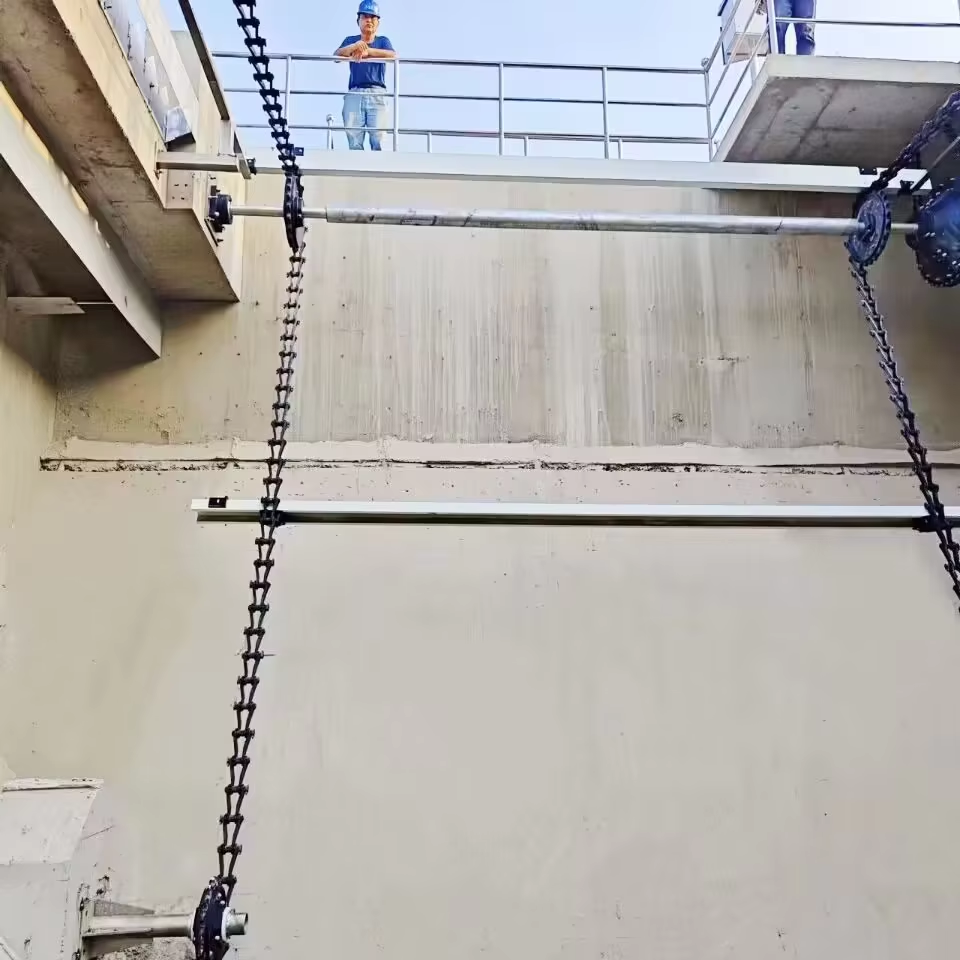
A modular design scraper system is engineered for maximum serviceability, ease of installation, and future adaptability. This design philosophy breaks down the scraper assembly into standardized, interchangeable sub-components or modules, such as individual flight sections, chain links, connector assemblies, and wear shoes. The primary advantage of this approach is the drastic reduction in maintenance downtime and complexity. Instead of replacing an entire flight assembly or a long section of chain, maintenance personnel can simply unbolt and replace a single damaged module, often from the tank walkway without the need for dewatering or confined space entry. This is a significant benefit for treatment plants that cannot afford extended process interruptions. Furthermore, modularity simplifies initial installation and logistics, as components are lighter and easier to handle than large, one-piece assemblies. It also provides future-proofing; if process conditions change or a new tank configuration is needed, the system can often be adapted or extended using the same modular components. This design prioritizes life-cycle cost savings and operational flexibility, making it an intelligent choice for modern wastewater treatment facilities that value long-term operational resilience and cost-effectiveness over the initial lowest price.