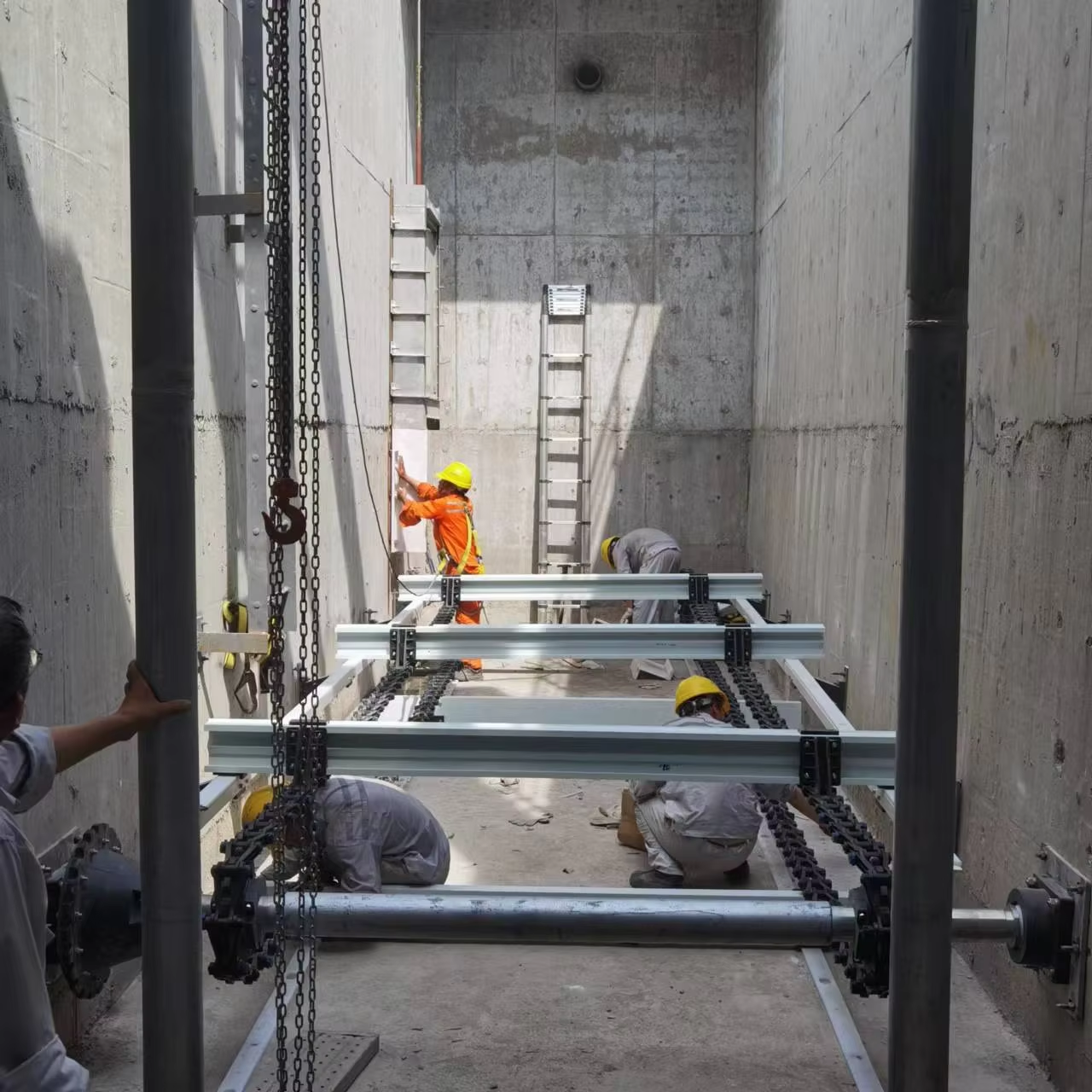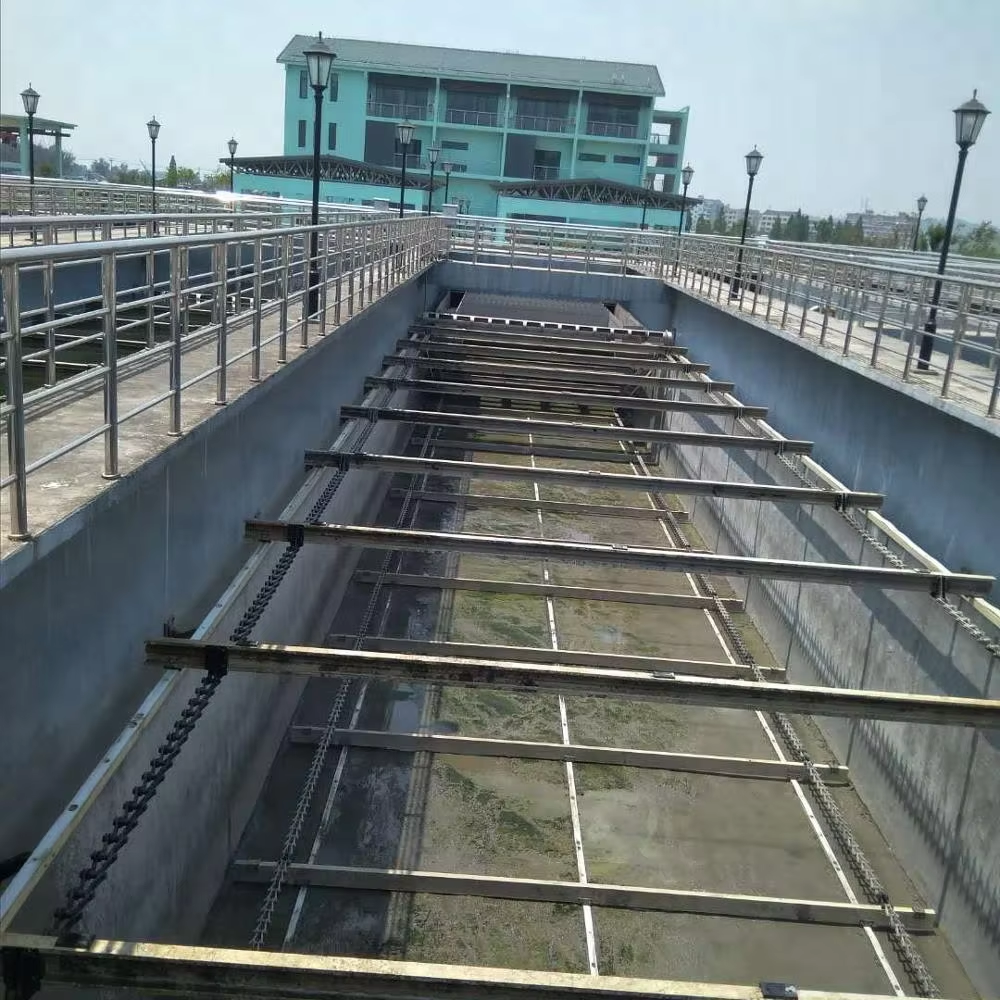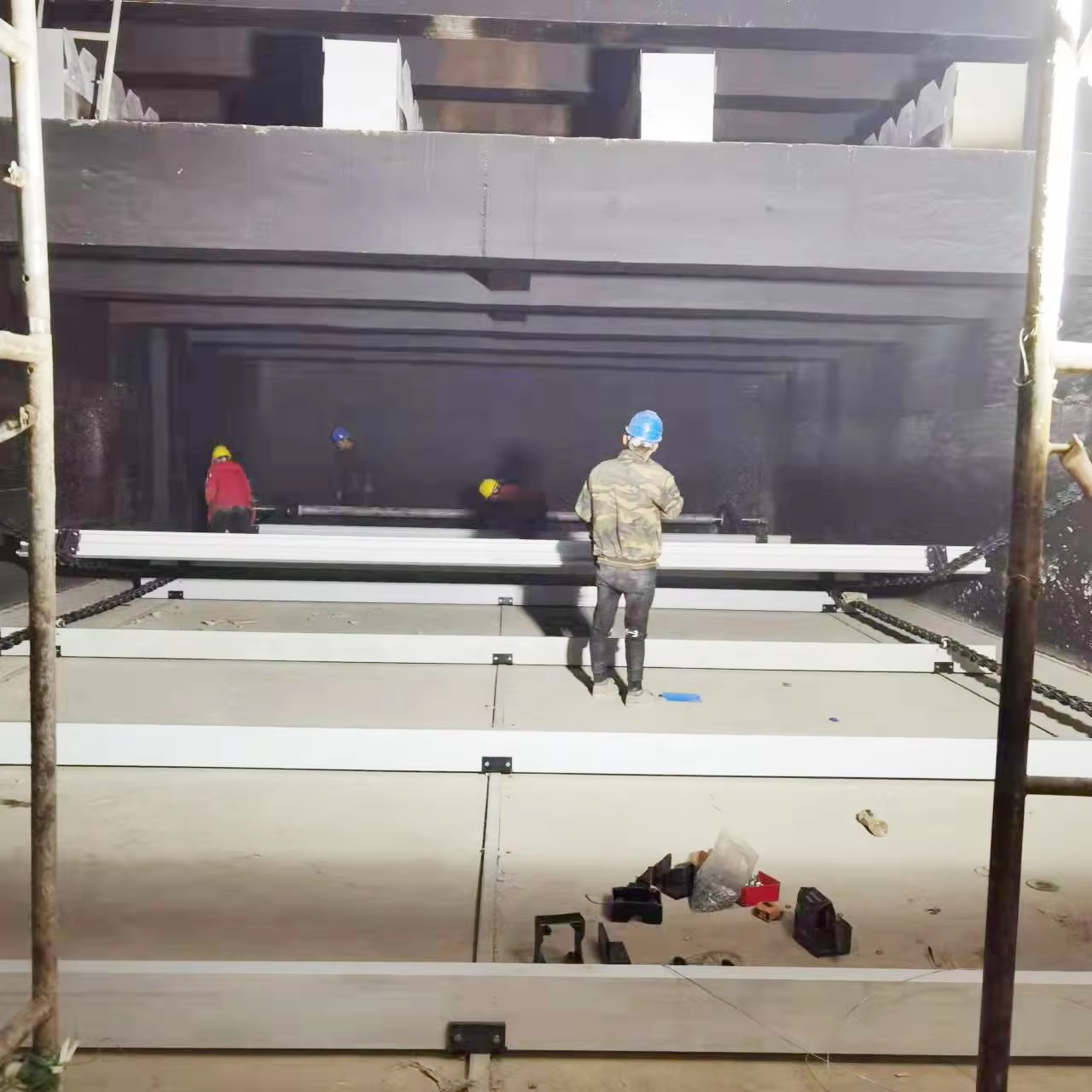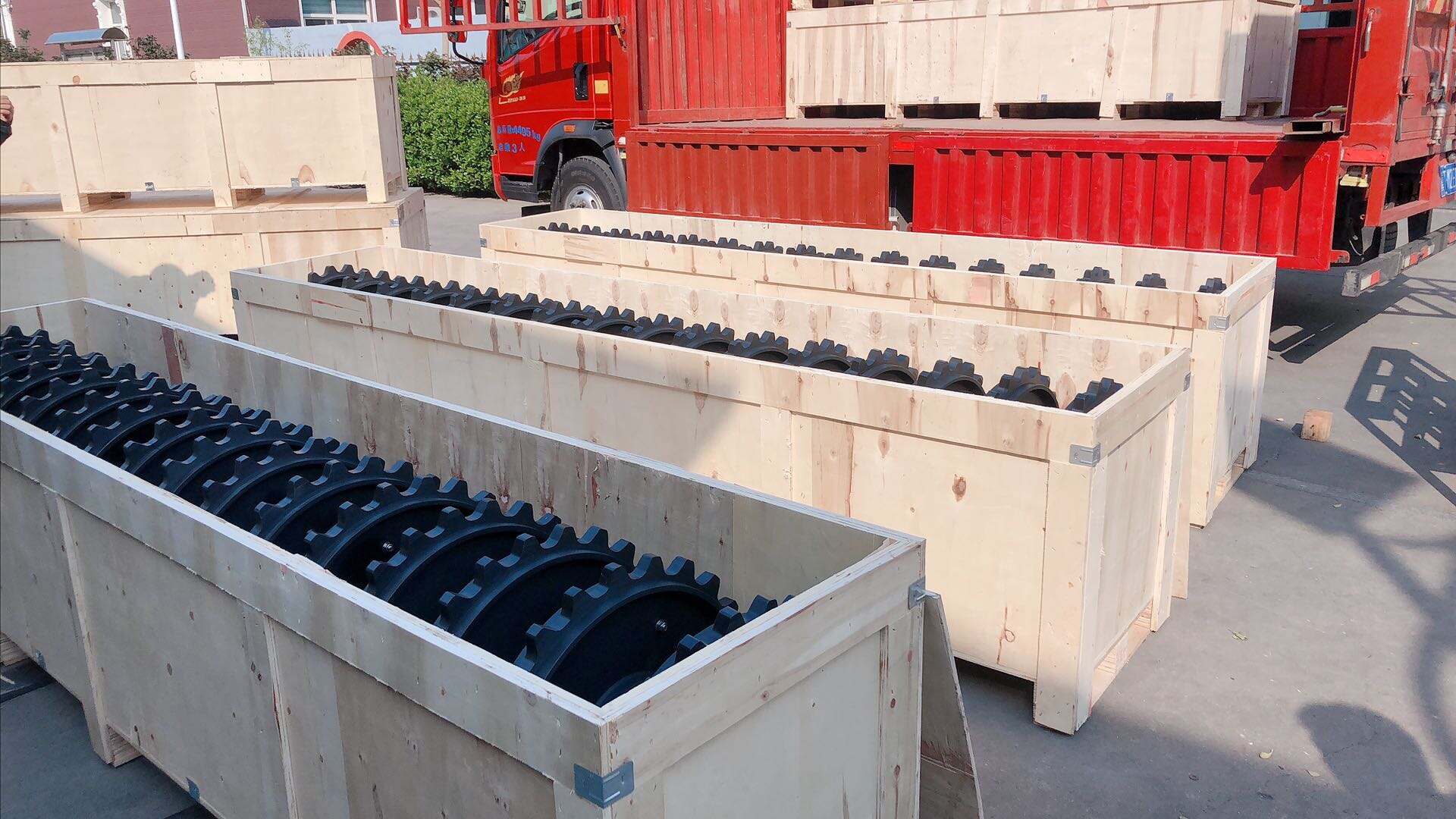
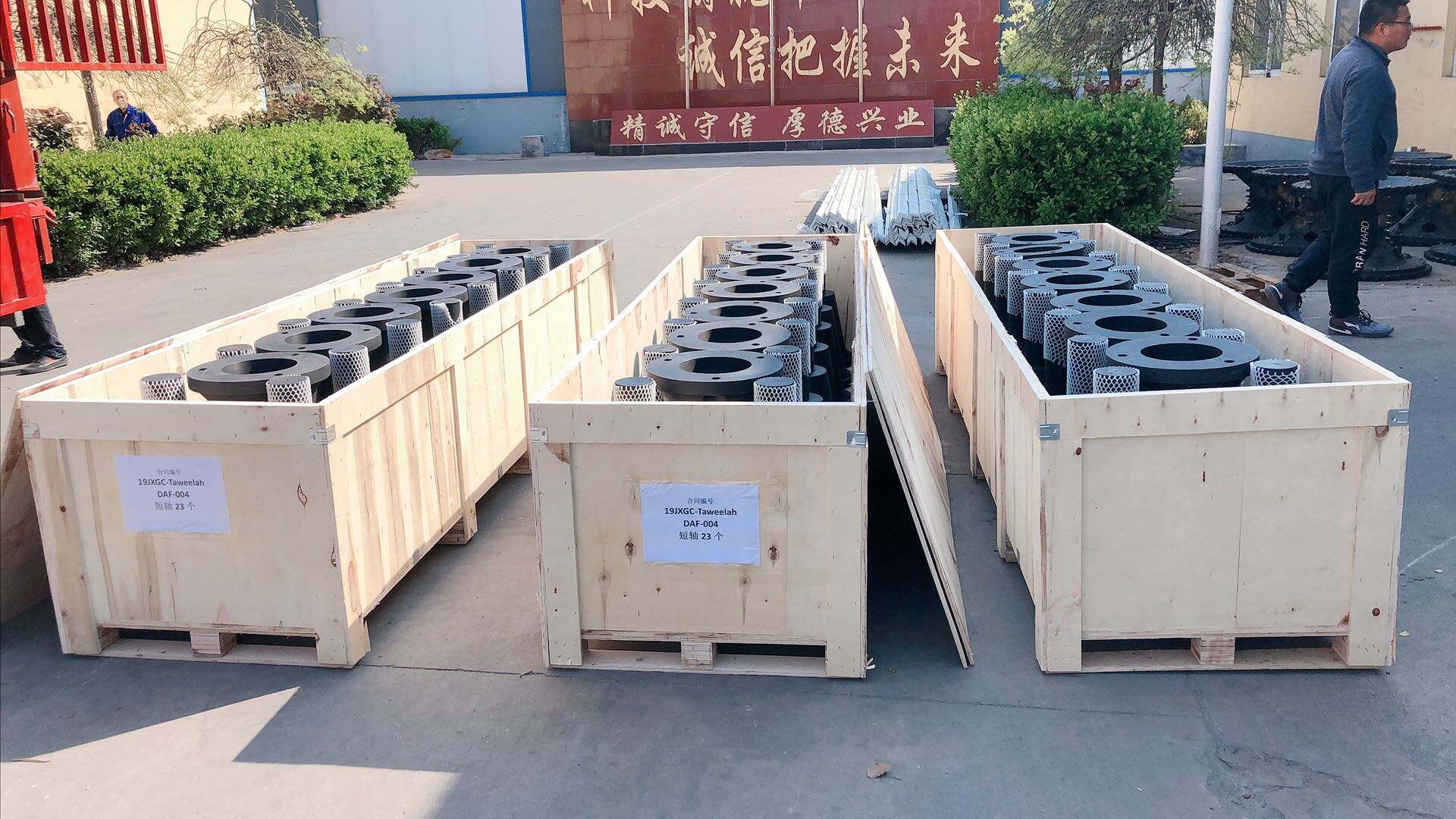
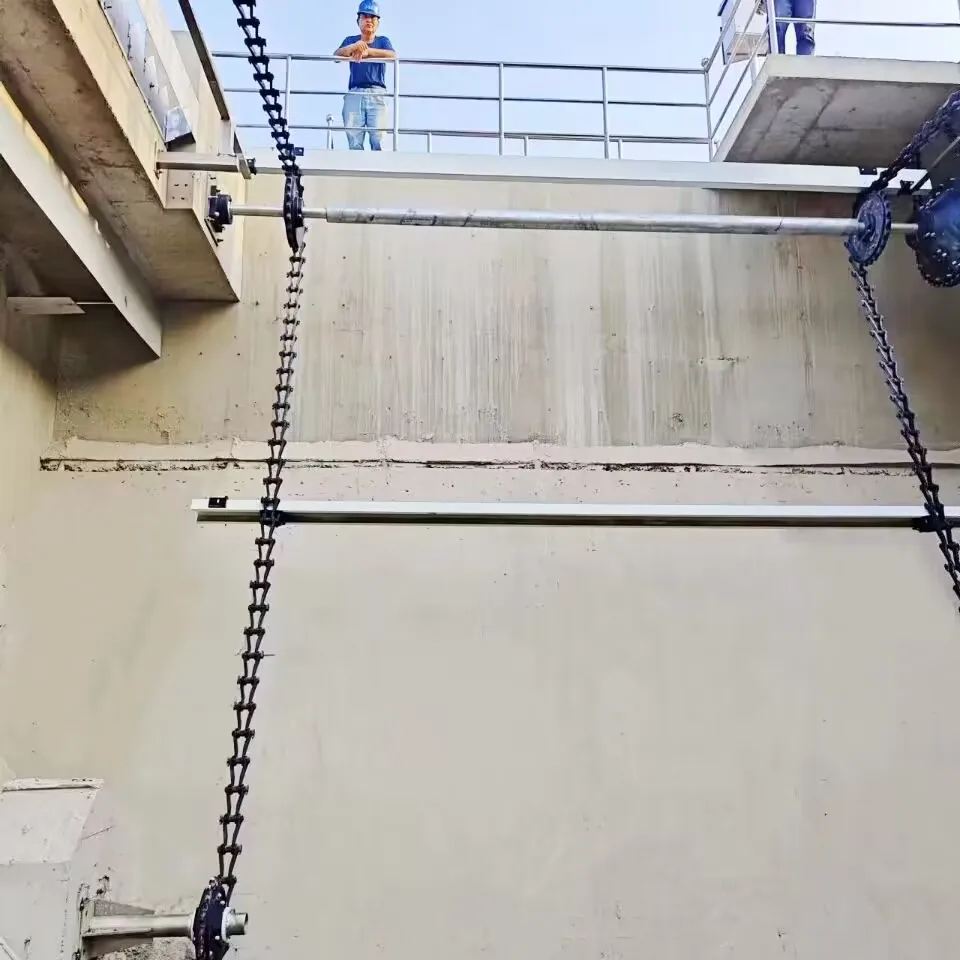
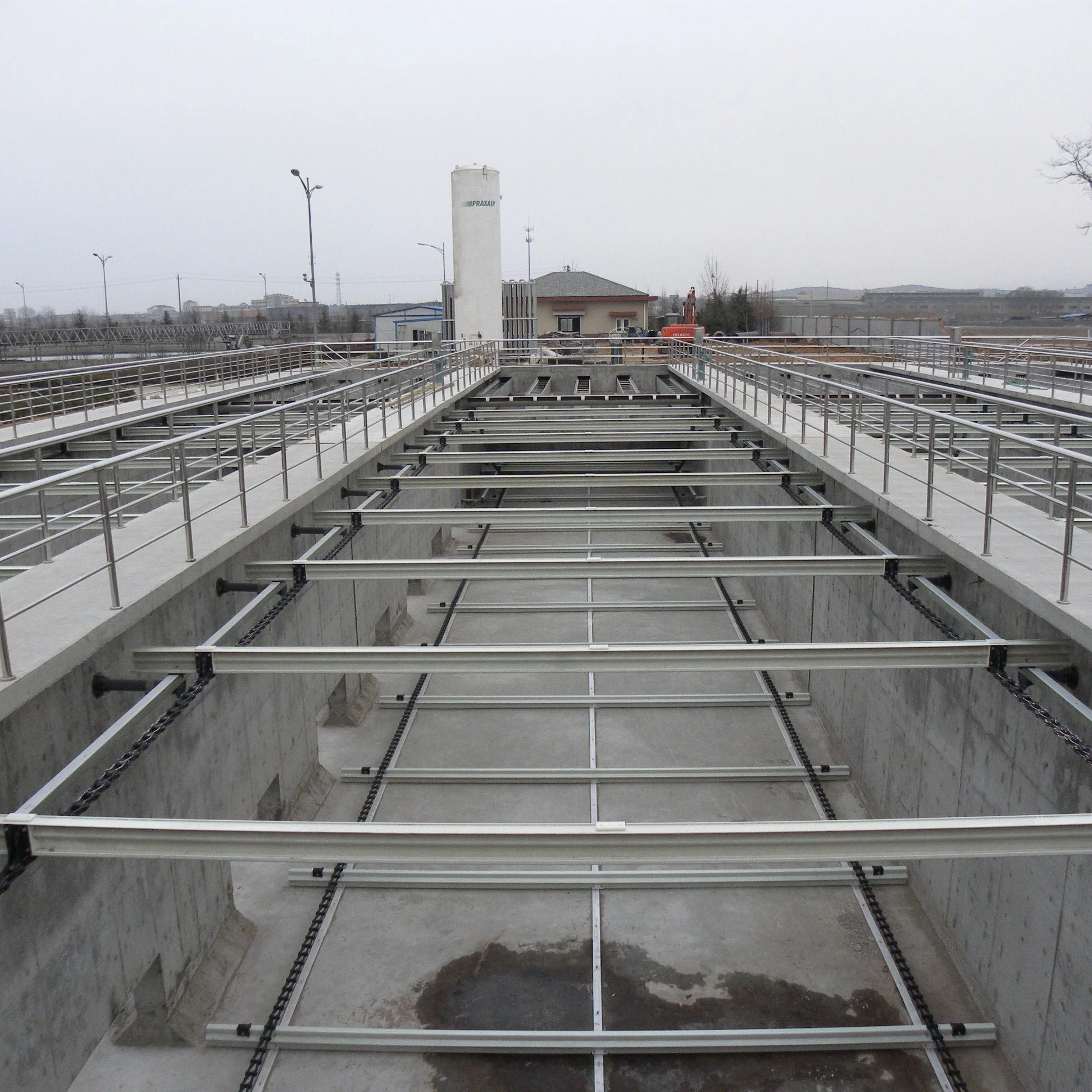
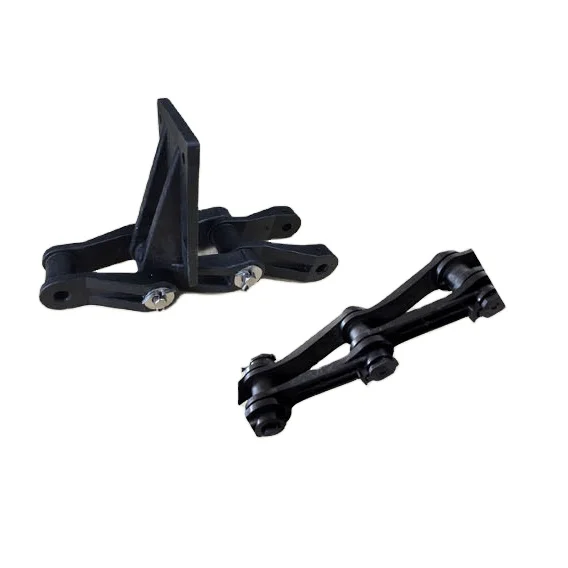
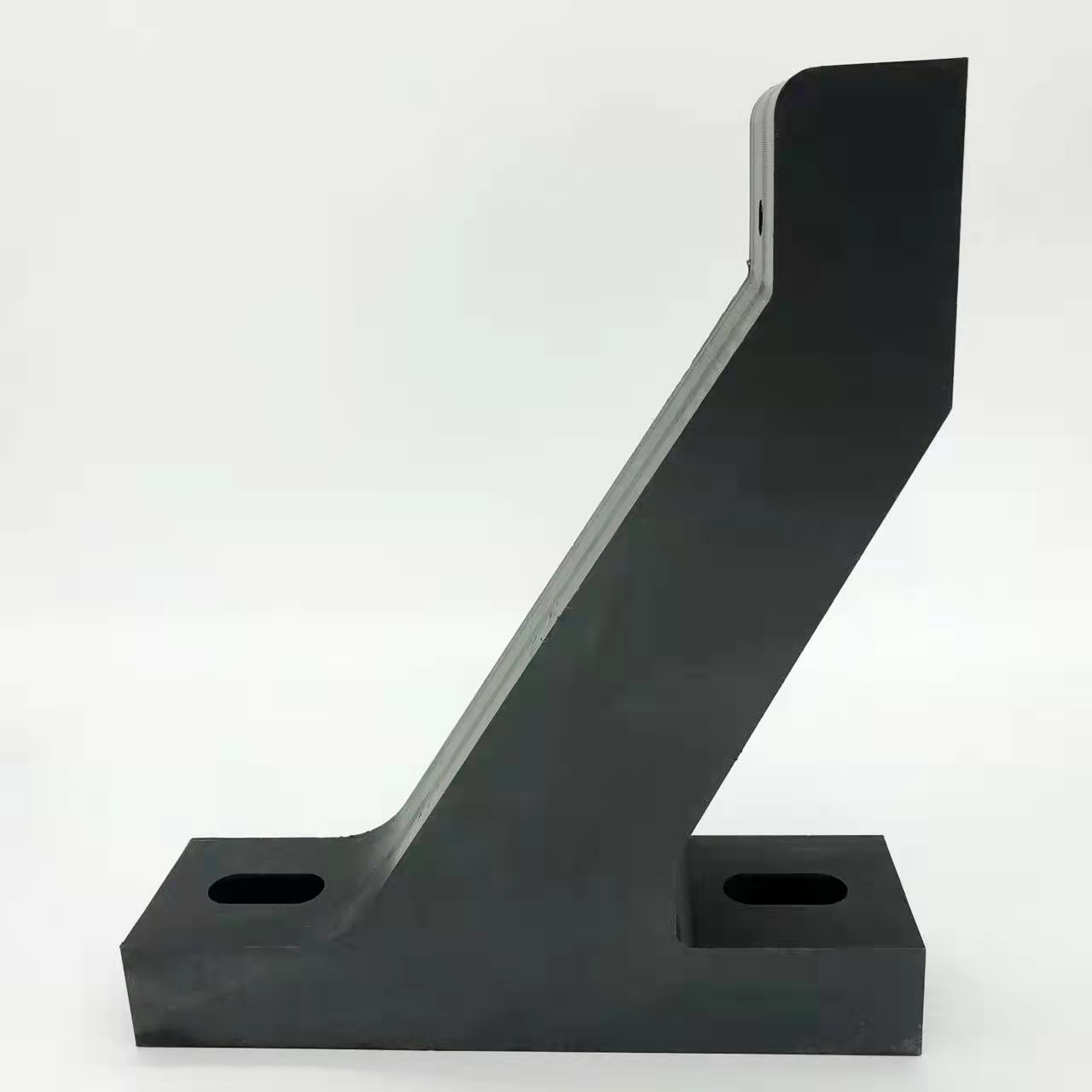
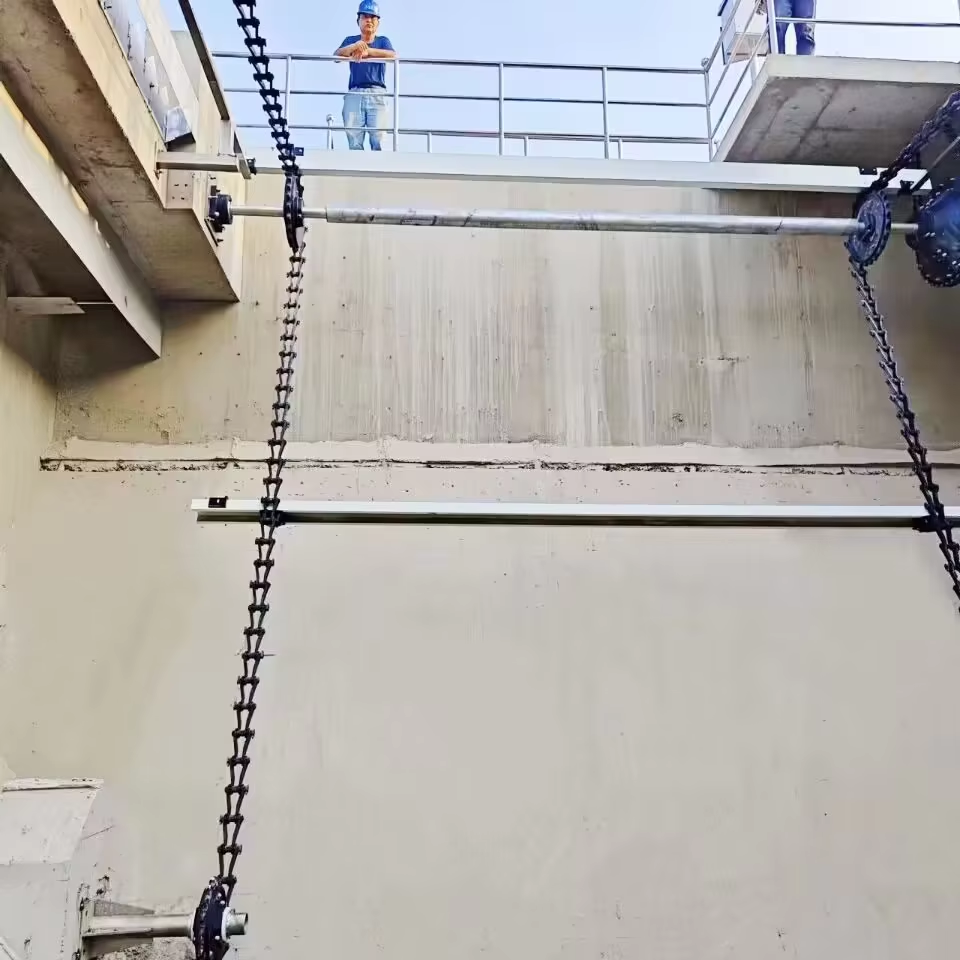
A municipal sewage scraper system is a heavy-duty, highly reliable mechanical system installed in the primary and secondary sedimentation tanks of public wastewater treatment plants. These systems are designed for continuous, 24/7 operation, handling large volumes of raw sewage and biological activated sludge with minimal supervision. The operational environment is particularly challenging due to the corrosive nature of sewage, which generates hydrogen sulfide gas, and the abrasive nature of the grit and sand often present. For primary clarifiers, the system must be robust enough to handle dense, raw sludge, while in secondary clarifiers, it must operate gently to avoid shearing fragile biological floc. The industry trend is towards the adoption of non-metallic scraper systems for municipal applications. These systems, using components made from composites like FRP and engineered polymers like UHMW-PE, offer unparalleled resistance to corrosion and abrasion, dramatically extending service life and reducing maintenance costs compared to traditional painted or stainless steel. The reliability of the municipal sewage scraper system is a cornerstone of public health infrastructure. Its consistent performance ensures effective pollution removal, protects receiving waters, and allows the plant to operate within its strict discharge permit limits. Any failure can have significant environmental and regulatory consequences, making equipment quality and durability paramount.