 EN
EN

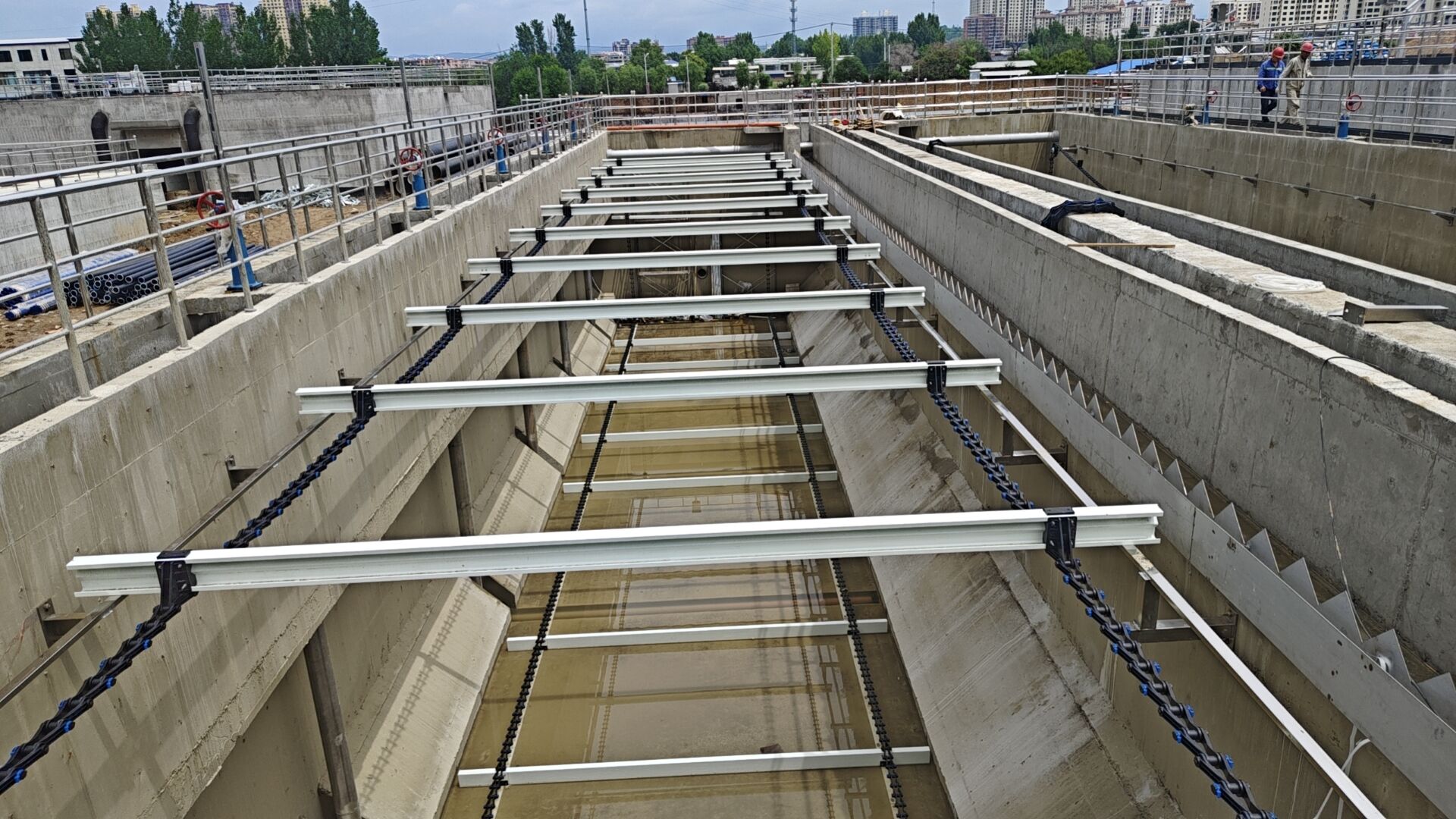
Why Scraper Stability Directly Impacts Sewage Treatment System Reliability
How Unstable Scraping Causes Sludge Buildup and Process Disruption
When scraper operations become unstable, they mess up sludge removal in sewage treatment plants, which leads to all sorts of problems with solids building up unevenly across the bottom of clarifiers. As this happens, the system loses some of its ability to handle water flow properly, and sediment doesn't settle right either. Dead spots start forming where the sludge gets too thick and starts blocking normal flow patterns. The end result? Higher levels of cloudiness in the treated water coming out, which means the whole process isn't working as well as it should. Eventually plant operators have no choice but to stop everything so workers can go in there manually and clean things up, costing both money and wasting precious energy resources. According to studies from various facilities, even small issues with scraper stability can cut down on overall treatment effectiveness somewhere around 15 to maybe 20 percent each year. Well designed scrapers keep making good contact with surfaces throughout their operation cycle, allowing them to move sludge consistently toward those collection areas while reducing the risk factors associated with running these systems under heavy demand conditions.
Real-World Consequence: Link Between Scraper Failure and Secondary Clarifier Overload
When scrapers break down, it often causes problems for secondary clarifiers that get overloaded. If sludge isn't taken out properly, all those solids end up moving further along the system, which can really mess up what comes next in the treatment process. The result? A big jump in total suspended solids (TSS) levels, sometimes as much as 30 to 40 percent higher when there's an overload situation. That creates serious issues with meeting regulations and damages the environment too. Plants dealing with these kinds of breakdowns usually face unexpected shutdowns that last for hours at a time. Looking at actual data from wastewater plants shows maintenance expenses go up about 25 percent after multiple scraper problems occur. Good scraper systems stop this chain reaction of failures because they keep sludge removal going automatically and consistently, so sludge stays within reasonable limits and protects both how much waste gets processed and whether the facility stays compliant with rules.
Comparing Scraper Types for Long-Term Stability in Sewage Treatment Systems
Bridge-Mounted Scrapers: Optimal for Large-Scale Primary Clarifiers
When it comes to big rectangular primary clarifiers, especially ones that stretch beyond 30 meters long, bridge mounted scrapers really stand out for their stability. The whole system has this rigid truss framework that spreads out the mechanical load throughout the tank structure. This helps prevent any unwanted bending or shifting when dealing with dense sludge removal operations. Municipal treatment facilities report around 98% uptime on these systems when they're handling upwards of 500 tons of sludge each day. Another advantage is fixed position drives which make things much easier for technicians doing routine checks. Maintenance becomes simpler overall compared to those tricky submerged alternatives where everything's hidden underwater.
Chain-and-Flight vs. Traveling-Bridge Systems: Load Distribution and Uptime Analysis
When assessing long-term reliability, traveling-bridge and chain-and-flight scrapers differ significantly in performance:
- Load handling: Traveling-bridge systems maintain consistent torque across variable sludge densities (5-25% solids), whereas chain-and-flight configurations experience 15% higher drive strain during peak viscosity periods.
- Uptime performance: A 2023 wastewater infrastructure report found traveling-bridge systems required 30% fewer unplanned maintenance interventions than chain-driven models in similar operating conditions.
- Corrosion resistance: Submerged chain components are prone to accelerated wear in abrasive, high-sulfide environments, often requiring bi-weekly inspections.
Traveling-bridge designs are better suited for facilities emphasizing continuous operation. Their modular construction allows 50% faster replacement of worn parts during scheduled maintenance, minimizing service disruption.
Key Design and Material Features That Ensure Scraper Durability in Harsh Sewage Treatment Environments
Corrosion-Resistant Polymers and Stainless Alloys for Extended Service Life
Material selection is critical for scraper durability in corrosive sewage environments. Leading solutions incorporate:
- Engineering polymers such as polypropylene (PP) and polyethylene (PE), which resist acids, alkalis, and chlorides commonly found in wastewater. Fiber-reinforced polymer (FRP) components provide three times the chemical resistance of conventional metals.
- Stainless-steel alloys, particularly 316L grade, that withstand hydrogen sulfide exposure while supporting high mechanical loads. Studies show these materials reduce component replacement frequency by 40-60% compared to carbon steel.
These materials significantly extend service life and reduce lifecycle costs in aggressive treatment settings.
Modular Construction for Minimized Downtime During Maintenance
Modular scraper designs revolutionize maintenance efficiency in wastewater plants. Key benefits include:
- Replacement of individual flight segments or drive units in under two hours, avoiding full-system outages.
- Standardized components that reduce spare-part inventories by 30%.
- Sealed, self-lubricating bearings rated for over 20,000 operational hours between servicing.
This approach reduces maintenance downtime by 75% while maintaining clarifier performance during repairs, ensuring long-term system reliability.
FAQ
What causes scraper instability in sewage treatment systems?
Scraper instability can arise from mechanical failures, misalignment, and inadequate maintenance, leading to uneven sludge removal and system inefficiencies.
How does scraper failure affect sewage treatment processes?
When scrapers fail, sludge buildup can overload secondary clarifiers, resulting in increased suspended solids in wastewater and potential regulatory compliance issues.
What materials help enhance scraper durability?
Corrosion-resistant polymers like polypropylene, polyethylene, and stainless-steel alloys, such as 316L grade, are crucial for increasing the scraper's lifespan in corrosive environments.
Why are modular scraper designs beneficial?
Modular scraper designs facilitate efficient maintenance by enabling quick part replacements, reducing system downtime, and minimizing spare-part inventory needs.