 EN
EN

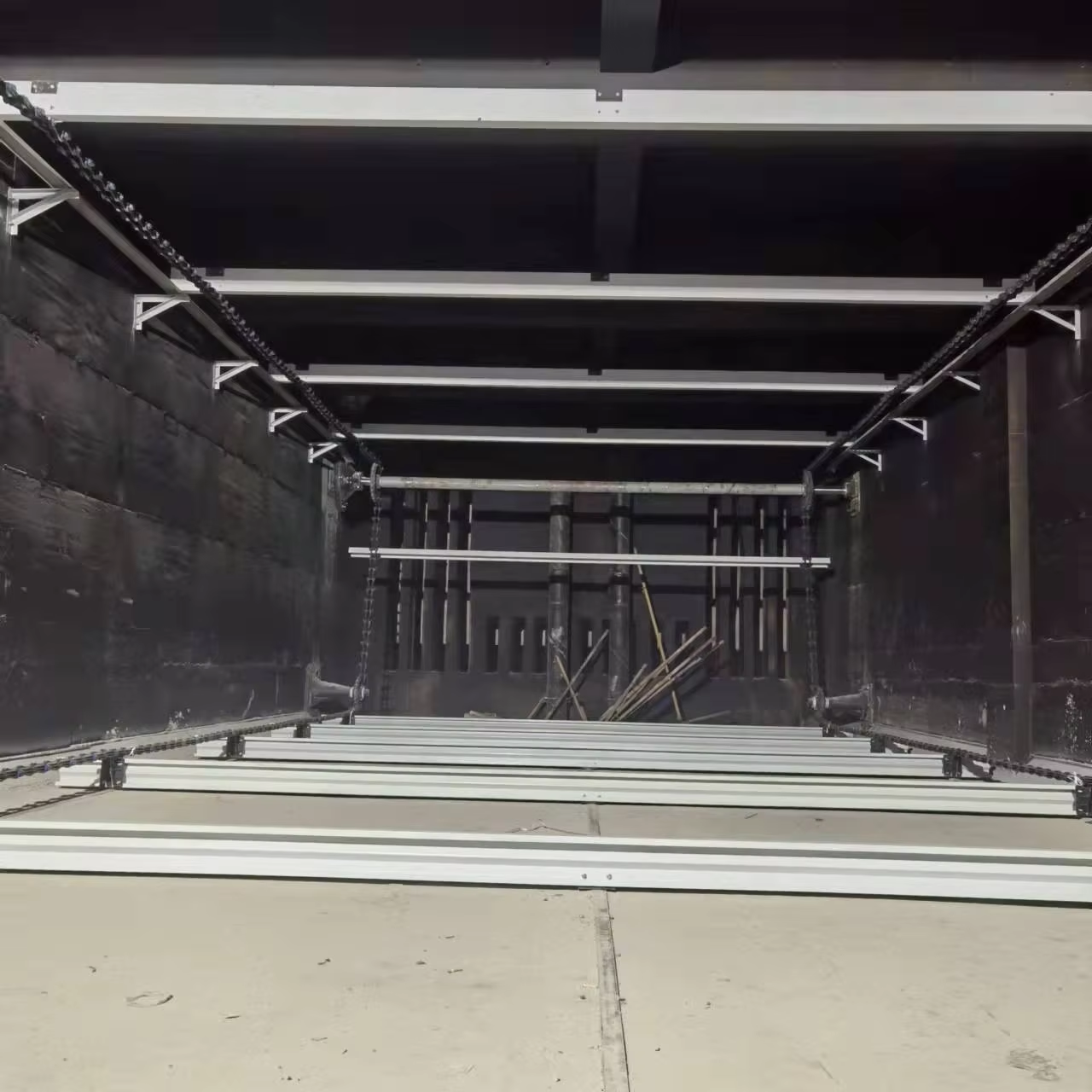
Common Sludge Scraper Noises and Their Mechanical Origins
Grinding and Knocking: Signs of Bearing Wear, Gear Damage, or Foreign Object Jamming
Grinding or sharp knocking sounds from a sludge scraper almost always indicate one of three mechanical issues. Worn drive bearings—deprived of lubrication and protective coatings—produce a coarse, continuous grinding due to unregulated metal-on-metal contact. Damaged gear teeth, often chipped from cyclic load stress, generate rhythmic knocking synchronized with the drive shaft’s rotation. Alternatively, hardened debris or compacted sludge can jam between moving parts, causing irregular, load-dependent knocking that intensifies as the unit traverses the tank. Early identification of these symptoms helps avoid catastrophic gear or bearing failure—and the costly full replacement it entails.
Hissing and Squealing: Hydraulic Leaks, Air Entrapment, or Cavitation in the Sludge Scraper System
High-pitched hissing or persistent squealing in hydraulic-powered scrapers signals fluid system distress. Small leaks at hydraulic line seals release pressurized fluid, producing a steady hiss audible even from across the basin. Air entrapped in lines compresses and expands with system cycling, resulting in a variable-volume squeal that rises under load. Cavitation—caused by low-pressure vapor bubble formation and collapse inside pumps or cylinders—adds a rattling-squealing hybrid noise that, if ignored, accelerates internal erosion. These symptoms rarely occur in isolation; their presence together often points to underlying contamination, degraded fluid, or improper system priming.
Rattling and Whining: Loose Fasteners, Misaligned Drive Chains, or Failing Hydraulic Motors
Loose rattling or high-pitched whining reflects progressive, often preventable, mechanical faults. Continuous vibration gradually loosens frame bolts, mounting brackets, and blade fasteners—causing them to rattle against adjacent components during motion. Misaligned drive chains skip over sprocket teeth, producing rhythmic rattling and faint whining that escalates with wear. Failing hydraulic motors—whose internal clearances exceed factory tolerances—emit a consistent, load-sensitive whine. According to 2023 industry maintenance data, 61% of unaddressed noise incidents correlate with a 30% reduction in average equipment lifespan, underscoring how promptly resolving these early warnings preserves long-term reliability.
Root Causes Behind Persistent Sludge Scraper Noise
Bearing Failure and Seal Degradation: Linking Acoustic Symptoms to Progressive Component Deterioration
Persistent noise is rarely superficial—it’s often the audible signature of advancing mechanical decay, beginning with bearing failure and seal degradation. Shaft seals protect bearings from abrasive sludge and corrosive moisture, but constant exposure leads to cracking and eventual breach. Once compromised, contaminants infiltrate the bearing housing, scoring raceways and damaging rolling elements. The result is escalating grinding, knocking, or rattling—symptoms that grow louder and more consistent as wear progresses. As reported in the 2023 Wastewater Equipment Reliability Survey by the Water Environment Federation, over 55% of rotating equipment failures in treatment plants stem from bearing contamination linked to failed seals. Recognizing this acoustic progression enables predictive intervention—avoiding unplanned shutdowns and minimizing collateral damage.
Hydraulic Cylinder Misalignment and Belt Tension Loss: How Mechanical Deviation Amplifies Noise Under Load
Sludge scrapers operate under highly variable loads as they move dense solids across basins—making them especially sensitive to minor mechanical deviations. Even slight shifts in hydraulic cylinder mounting (often caused by daily operational vibration) create off-center force vectors, increasing friction, inducing torsional stress, and manifesting as load-dependent whining or squealing. Similarly, drive belts that lose tension over time develop slack, leading to slippage, impact noise, and accelerated wear on pulleys and motors. Each operating cycle compounds these deviations, turning subtle anomalies into dominant noise sources—and increasing the risk of secondary failures. Left unchecked, such misalignments don’t just amplify sound; they accelerate wear across the entire power transmission chain.
Systematic Troubleshooting for Sludge Scraper Noise
Observation-to-Isolation Protocol: Correlating Sound Timing, Load Conditions, and Operational Mode
Effective troubleshooting begins not with disassembly—but with disciplined observation. Document precisely when the noise occurs: only at startup? Exclusively under heavy sludge load? Or continuously, regardless of operational state? For instance, noise emerging solely during thick-sludge removal strongly suggests worn gears or overloaded bearings, whereas constant low-level rattling typically indicates loose hardware or alignment drift. With this context, isolate subsystems methodically: first run the drive motor independently (disconnected from the chain), then test the chain-and-scraper assembly without motor input. This stepwise isolation narrows the source efficiently—enabling targeted repair without unnecessary part replacement or extended downtime.
FAQ
What causes grinding and knocking noises in sludge scrapers?
Grinding sounds can result from worn bearings lacking lubrication, while knocking may indicate damaged gear teeth or debris jamming moving parts.
Why do hissing and squealing noises occur in hydraulic sludge scrapers?
Hissing often signals fluid leaks in hydraulic lines, while squealing may stem from air entrapped in the system or cavitation within hydraulic components.
What mechanisms lead to rattling and whining noises during operation?
Loose fasteners, misaligned drive chains, and failing hydraulic motors can cause rattling or whining noises in sludge scrapers.
How can persistent sludge scraper noise be systematically addressed?
Using an observation-to-isolation protocol, operators can document sound timing and conditions to methodically identify and isolate the noise source for targeted repairs.