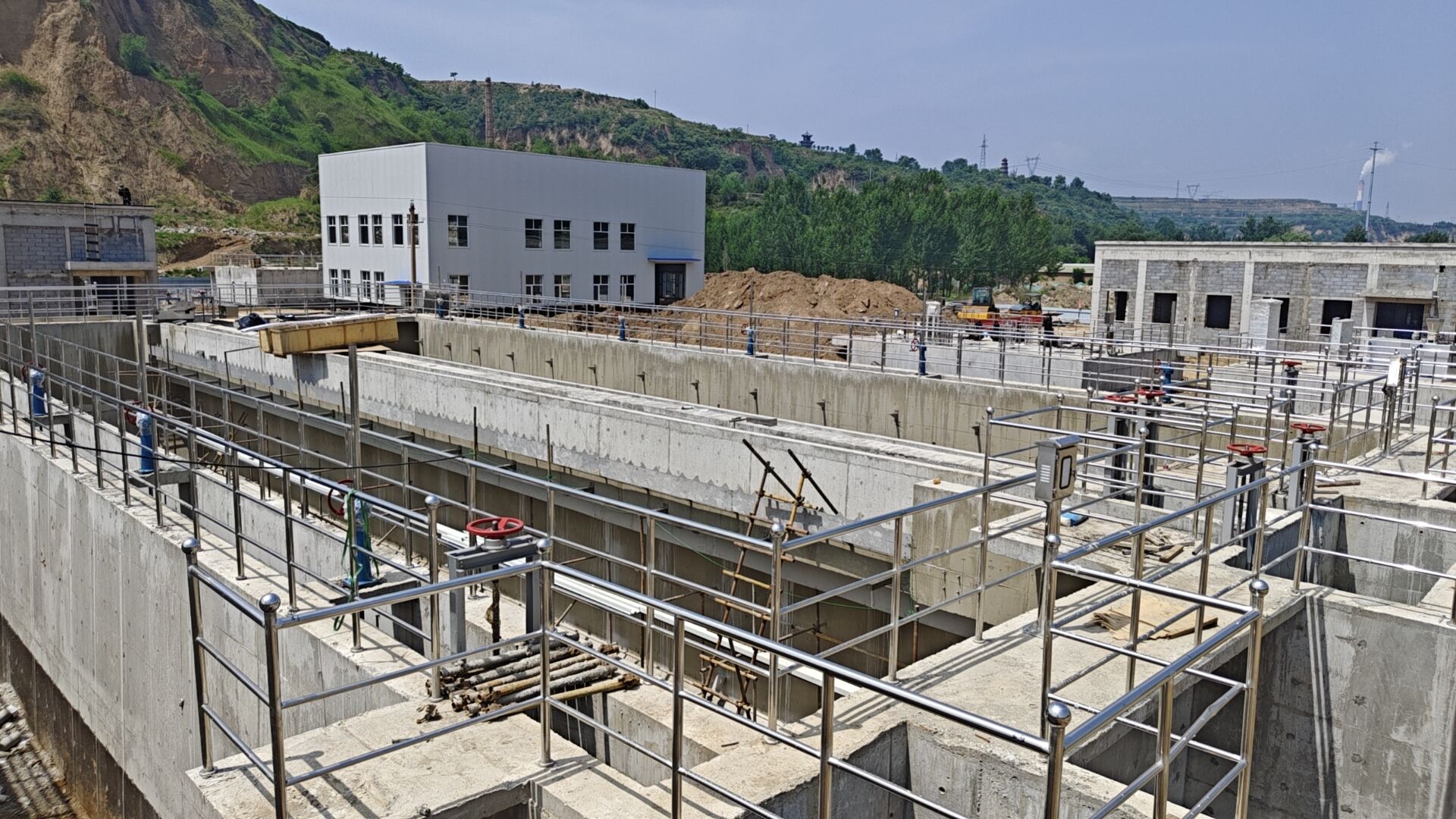
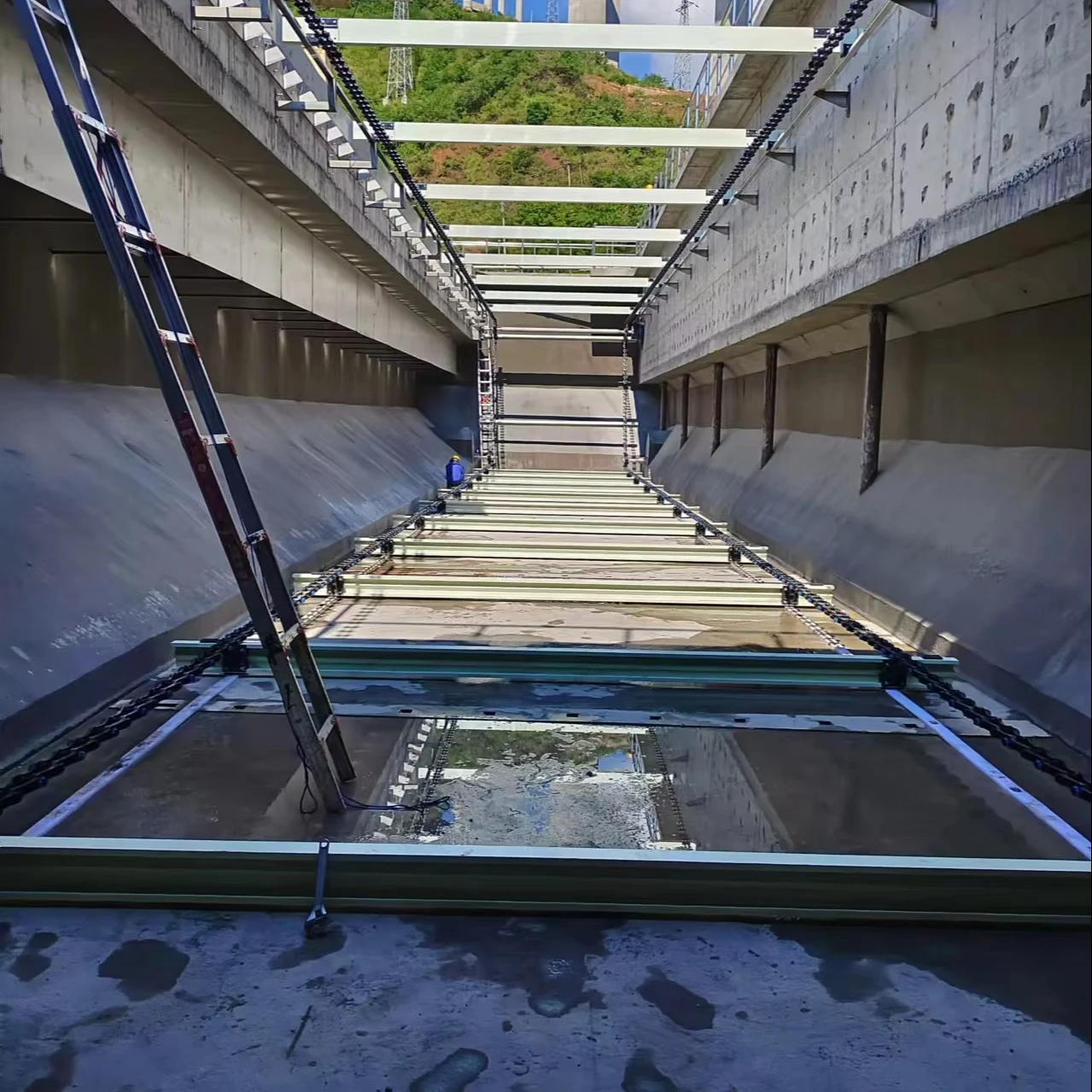
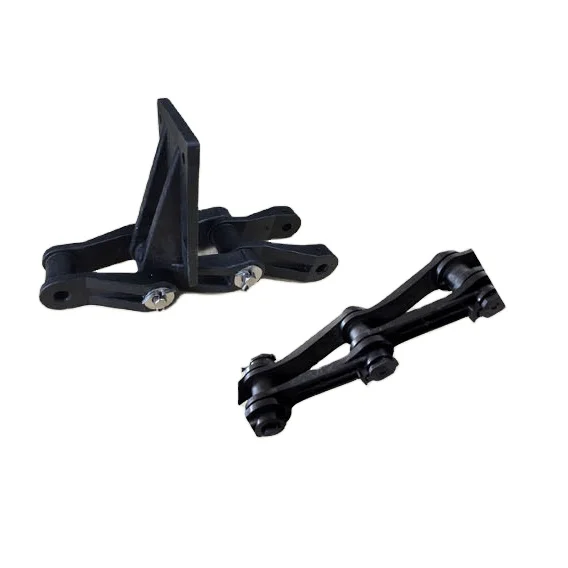
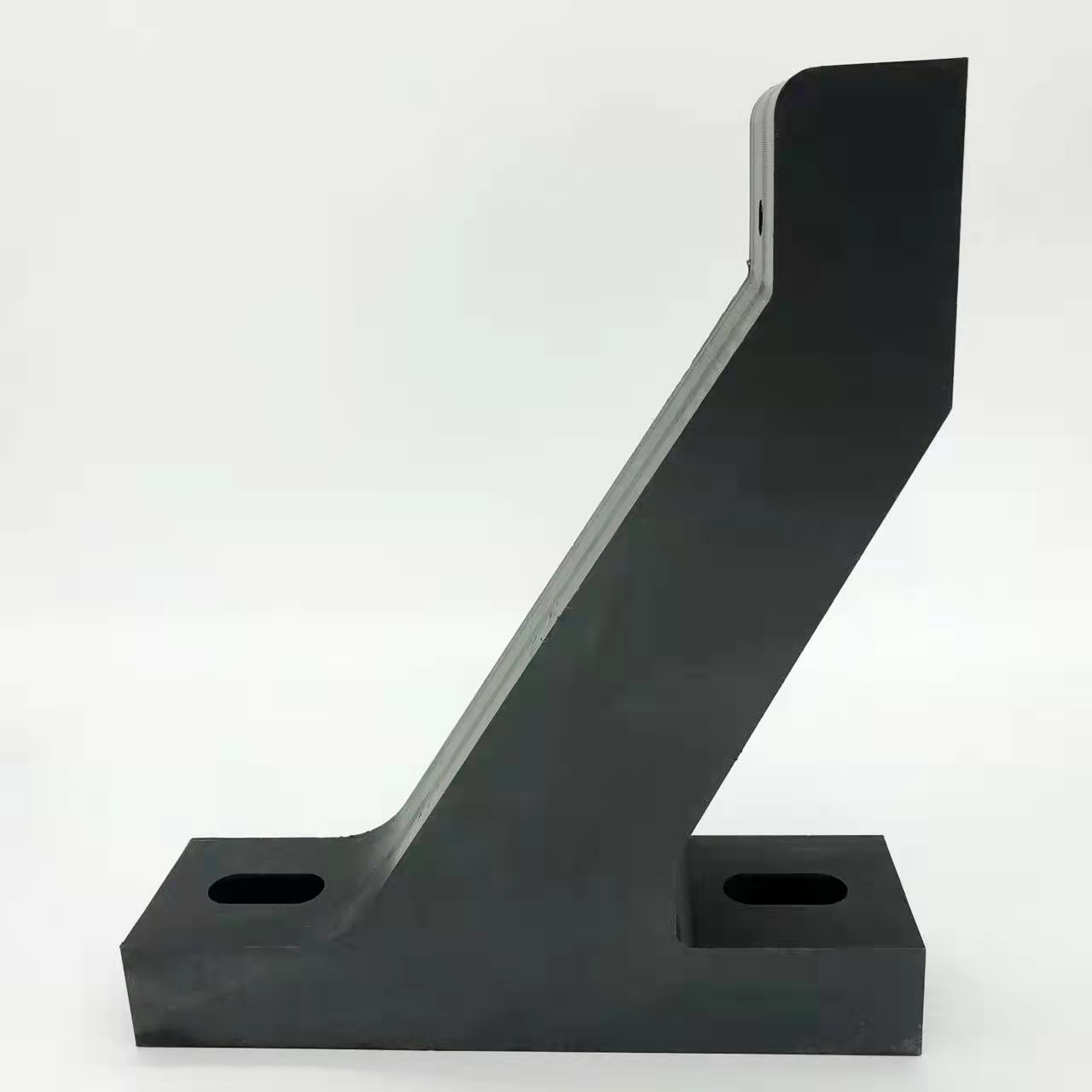
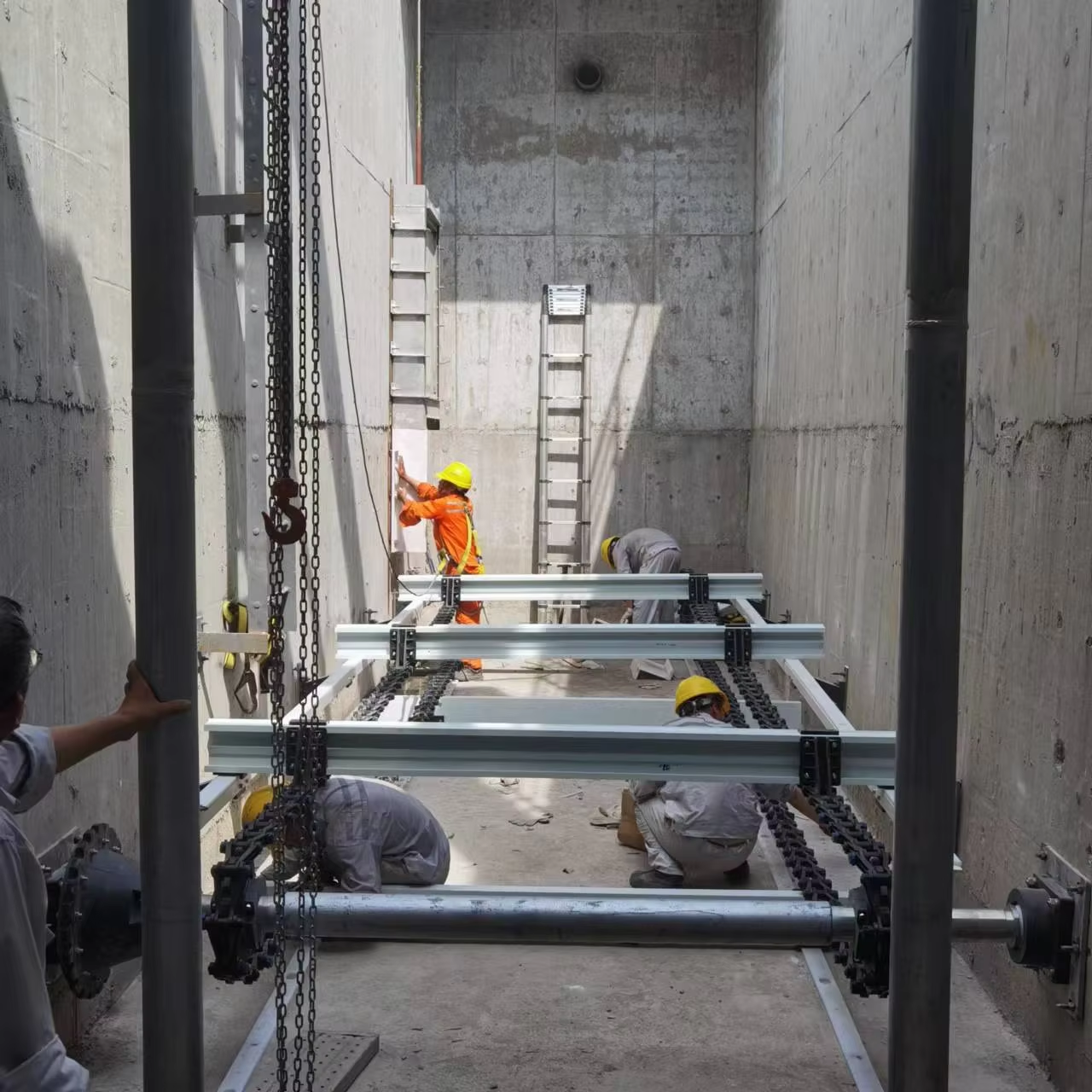
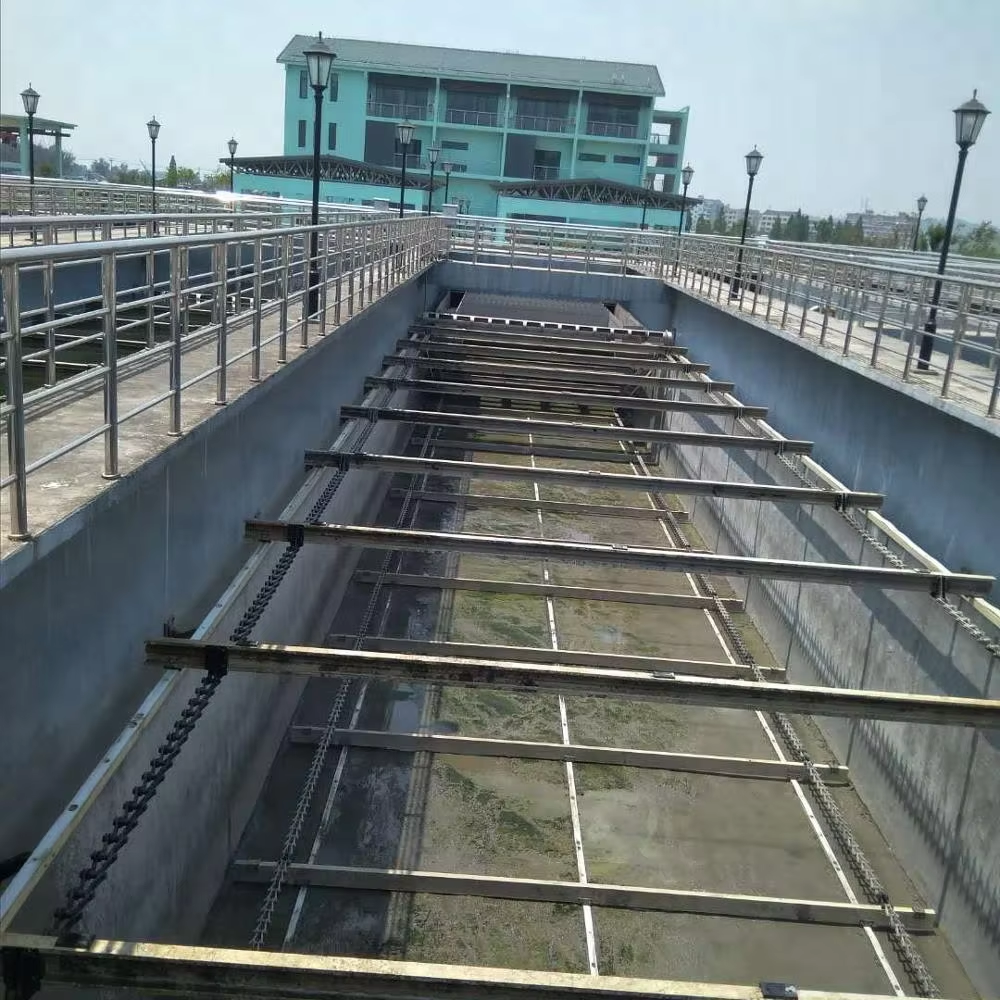
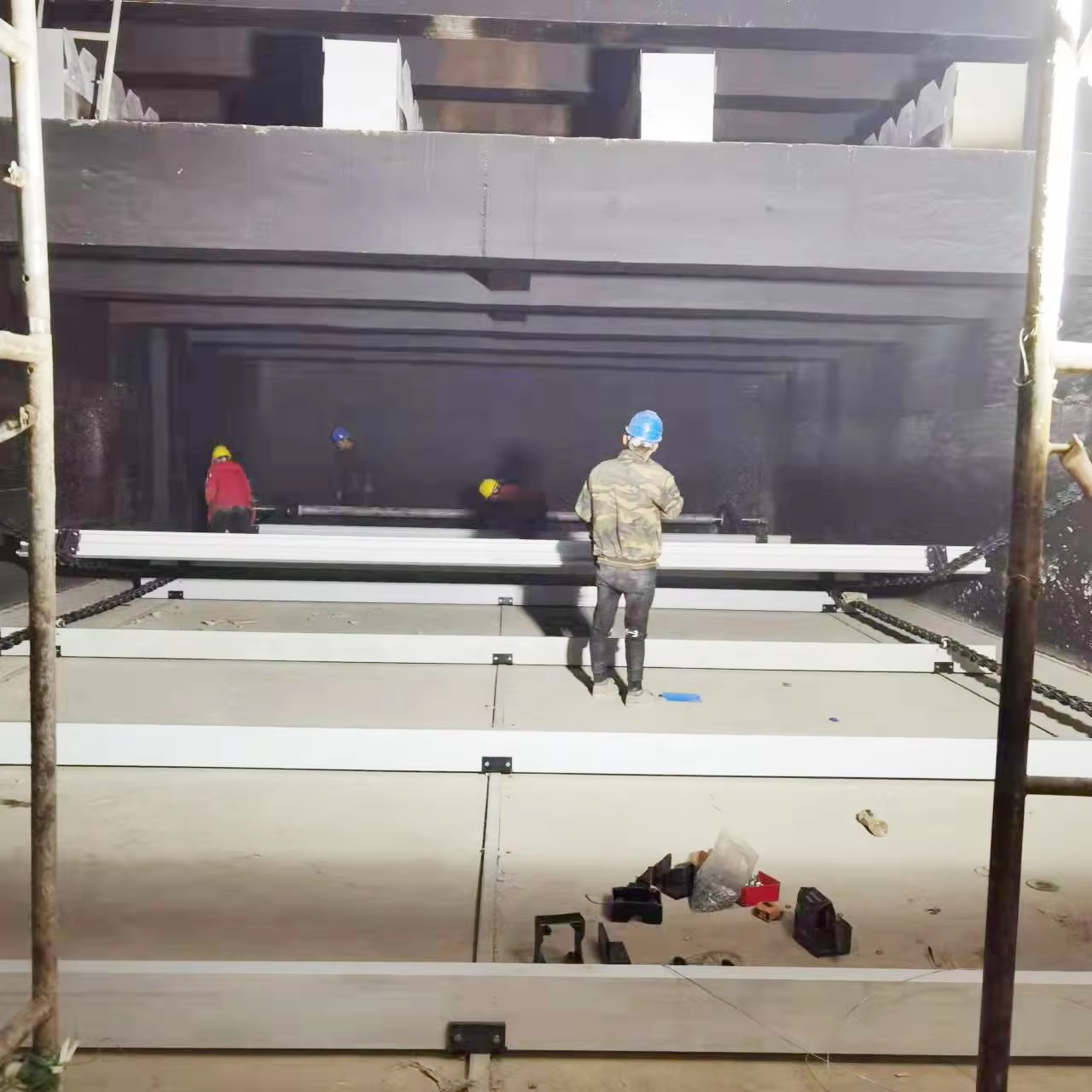
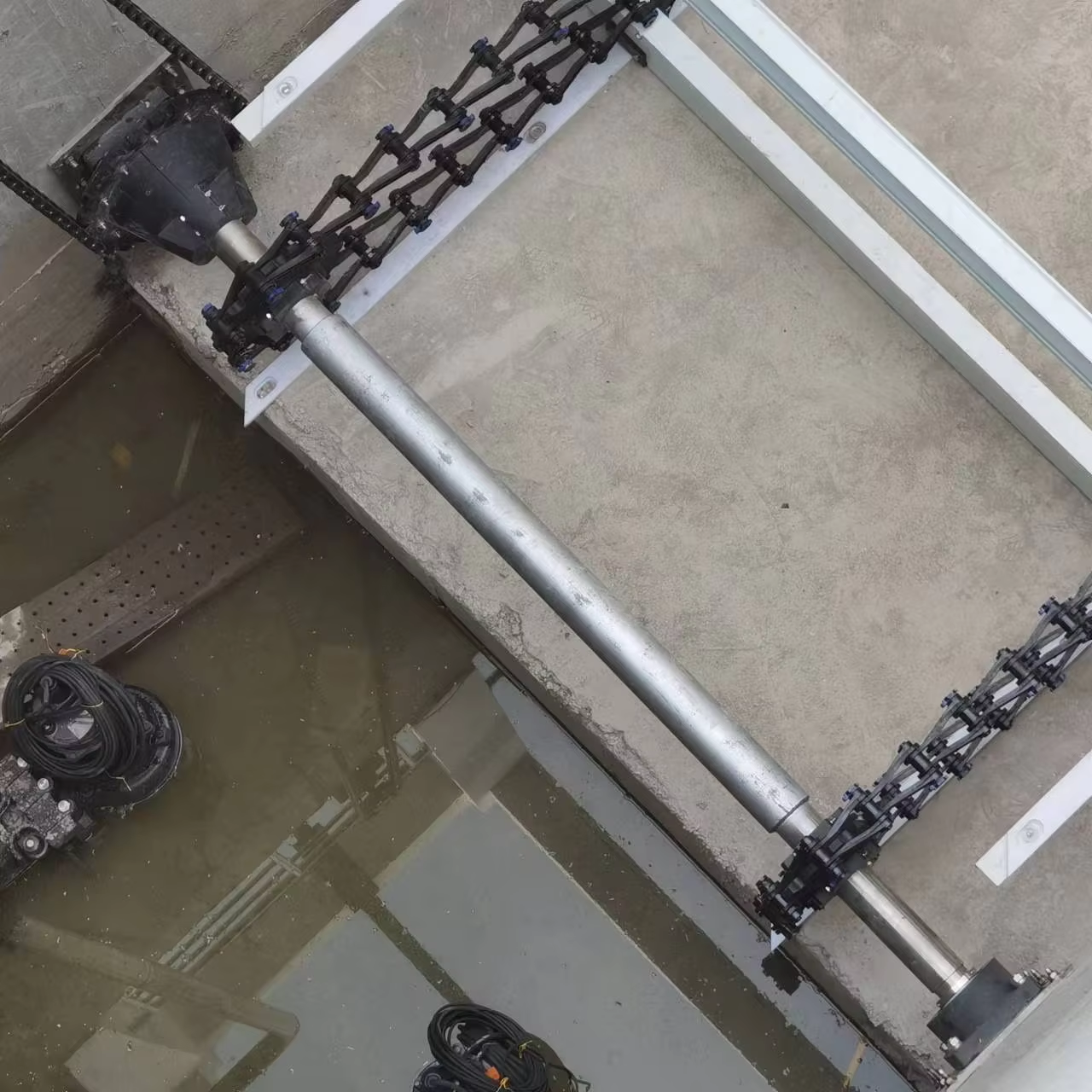
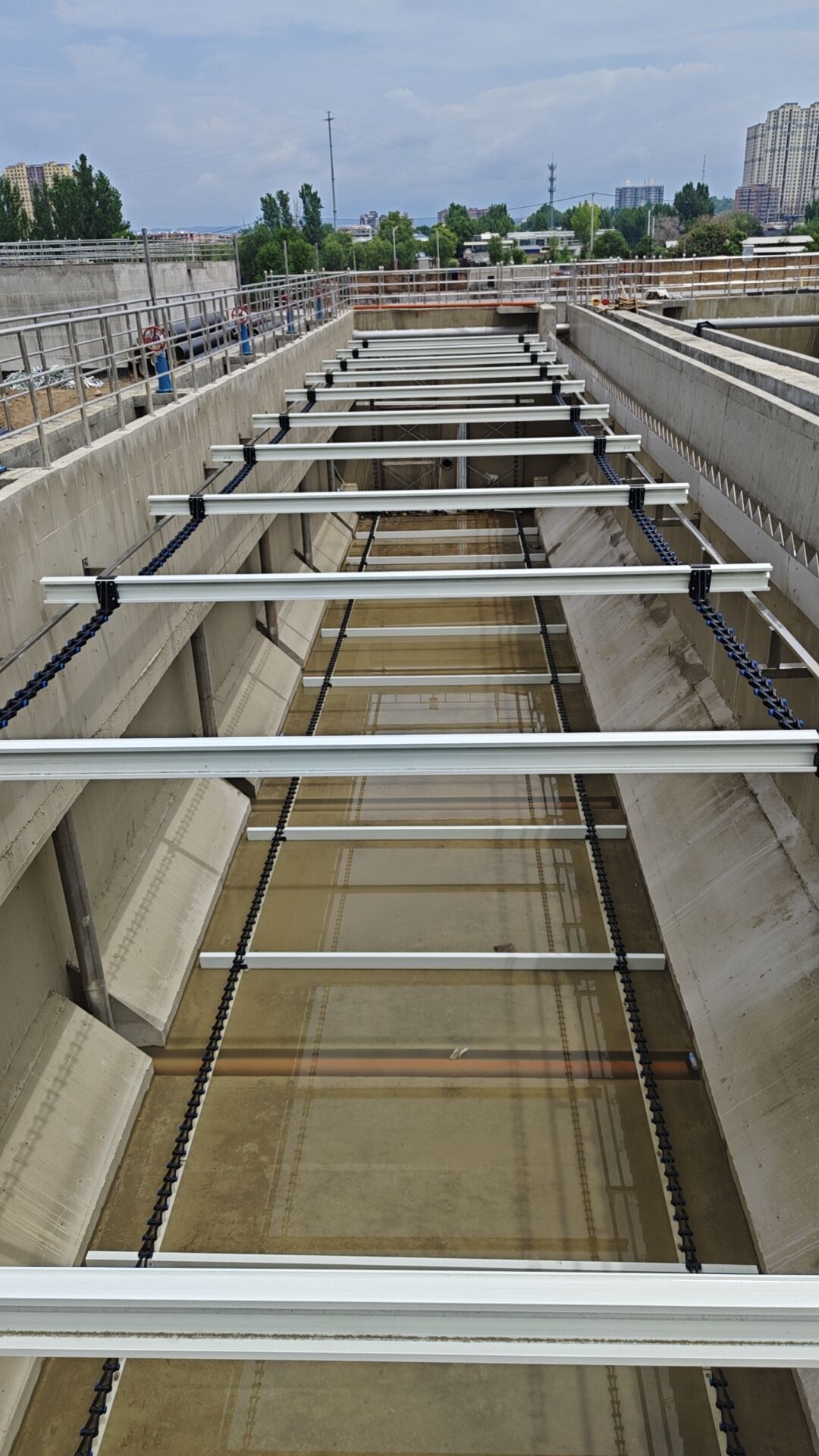
An industrial wastewater treatment plant is a custom-engineered facility designed to treat process effluent from manufacturing, chemical production, mining, power generation, and other industrial activities. Unlike municipal sewage, this wastewater is characterized by highly variable and often extreme conditions, including high concentrations of specific pollutants, elevated temperatures, extreme pH levels, and the presence of toxic compounds, heavy metals, and complex organic chemicals. The treatment processes are tailored to target these specific contaminants and may include physicochemical methods like precipitation, oxidation, flocculation, and advanced oxidation processes (AOPs), alongside biological treatment. Sedimentation remains a critical unit operation for removing suspended solids after chemical addition or biological flocculation. In these aggressively corrosive and abrasive environments, standard carbon steel equipment deteriorates rapidly. Huake's non-metallic sludge scrapers are specifically engineered for these challenges. Constructed from advanced composites, they offer complete immunity to chemical attack and exceptional resistance to abrasive wear. For example, in a plant treating wastewater from metal finishing, our scrapers reliably remove toxic metal hydroxide sludge without succumbing to the acidic conditions that would destroy a metal system. This reliability is fundamental to maintaining continuous process flow, achieving compliance with strict industrial discharge standards, and protecting downstream biological processes from shock loads of solids and toxins.