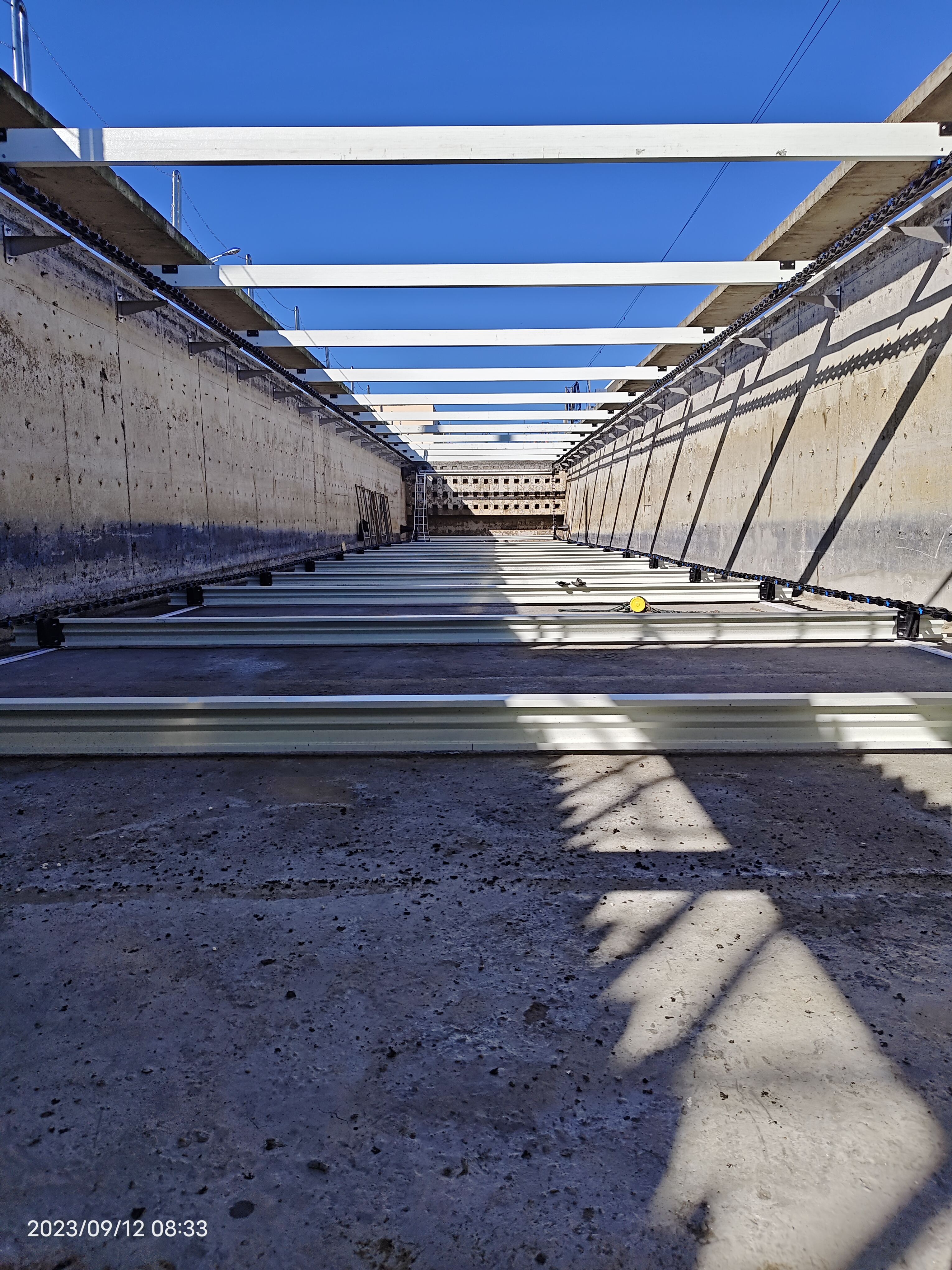
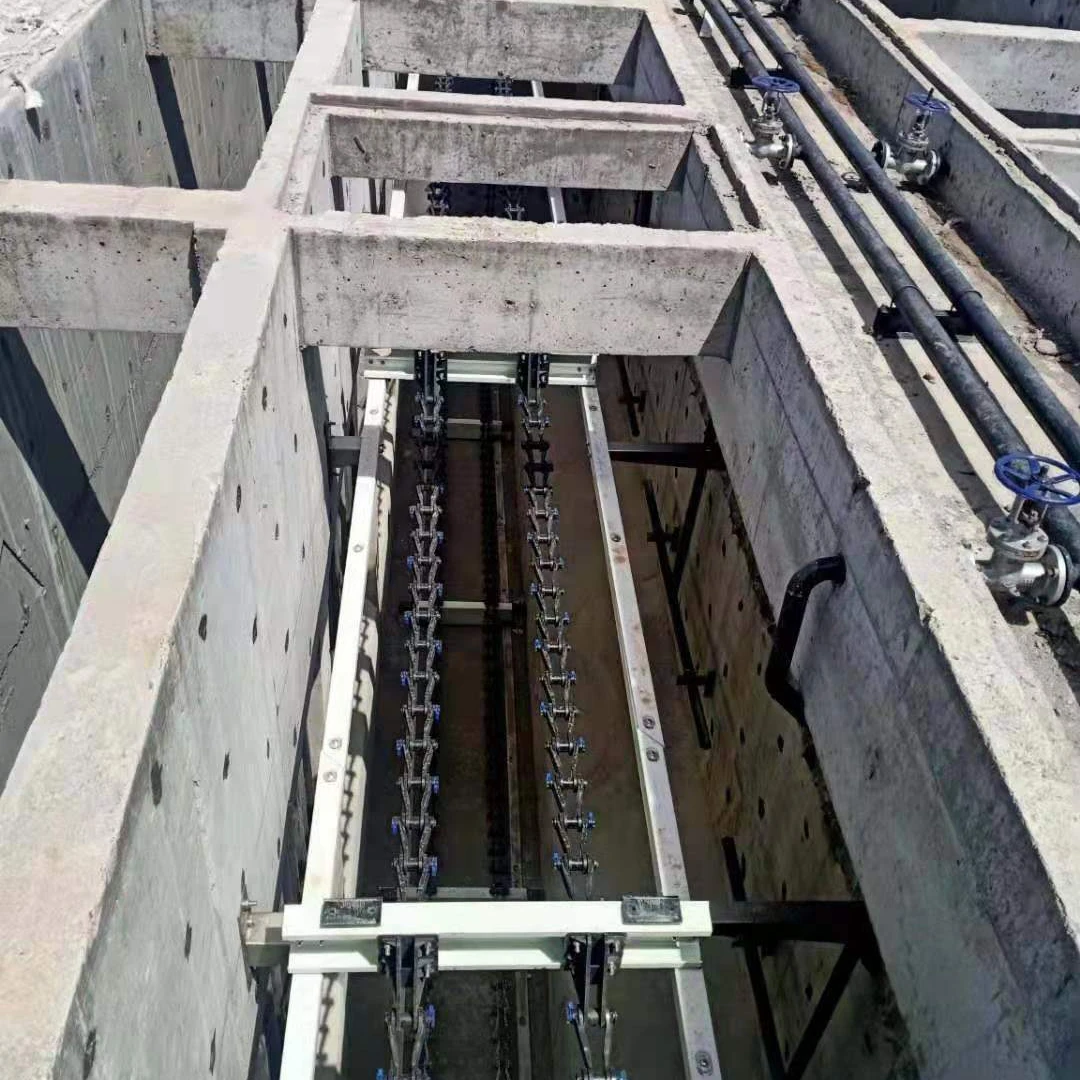
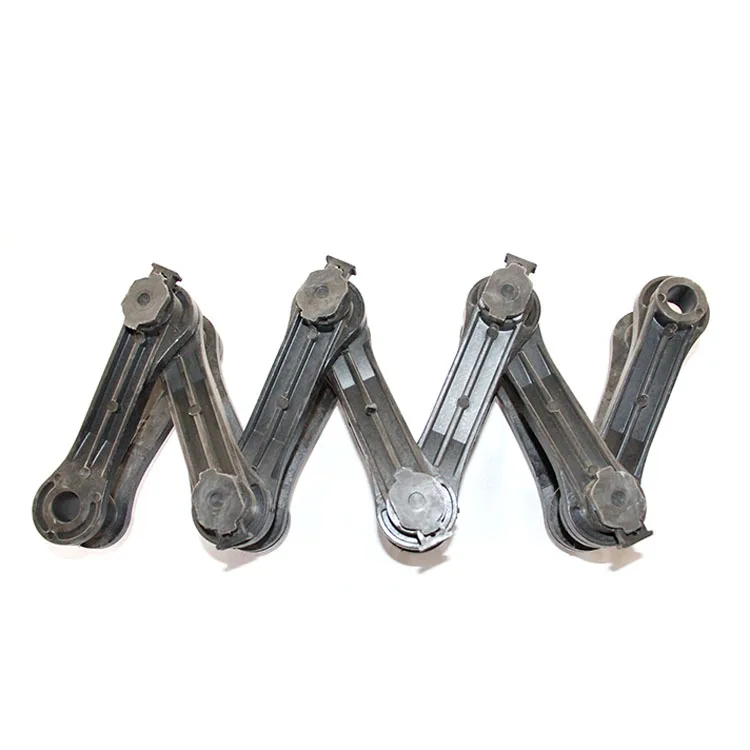
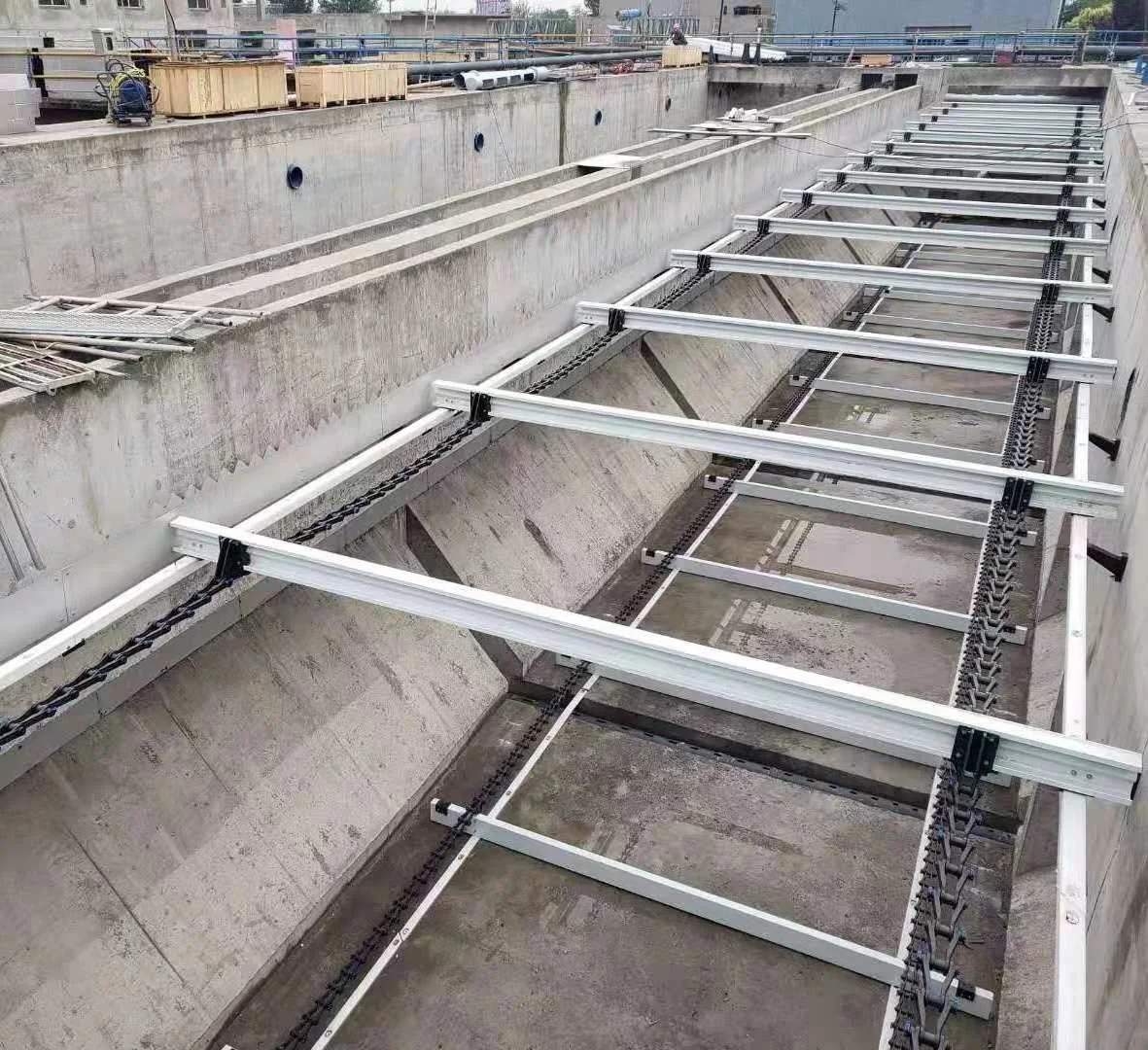
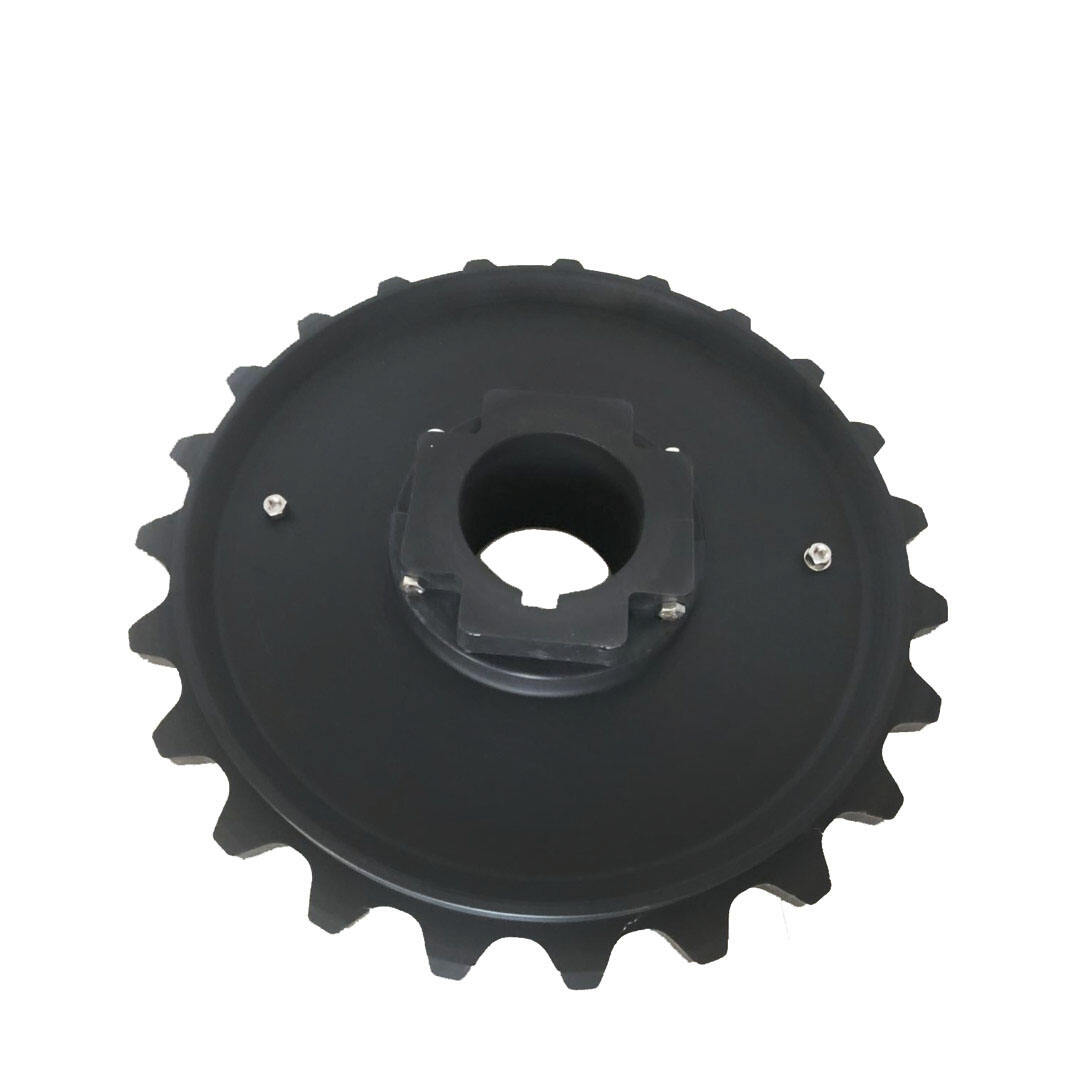
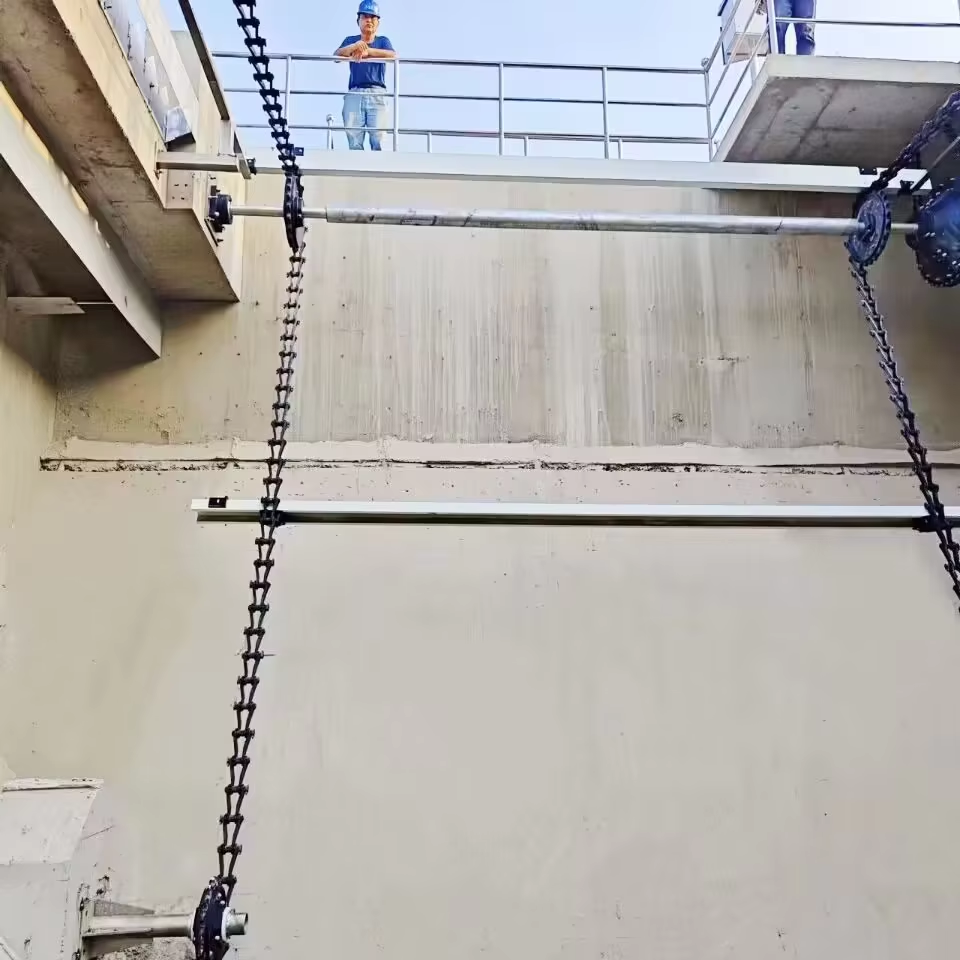
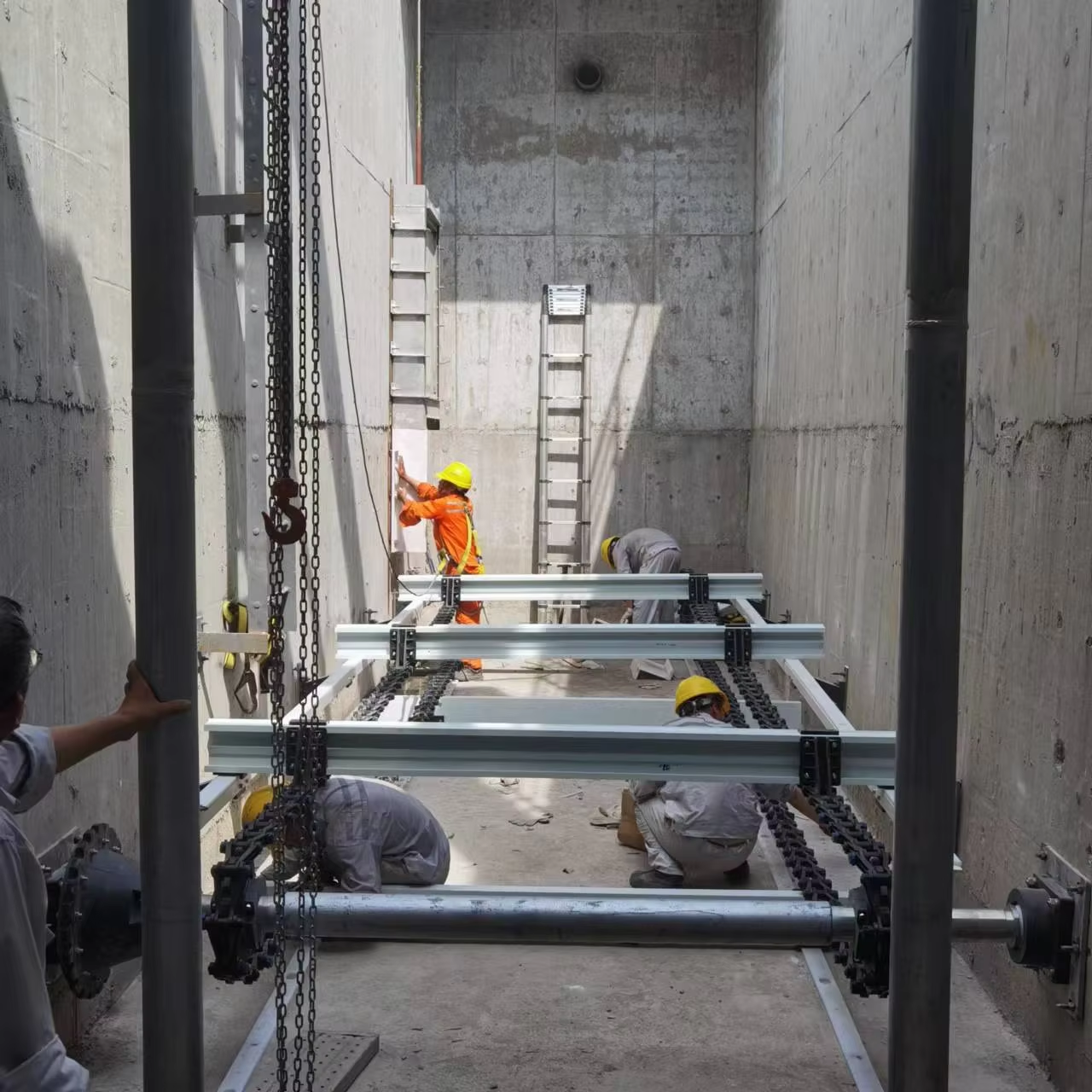
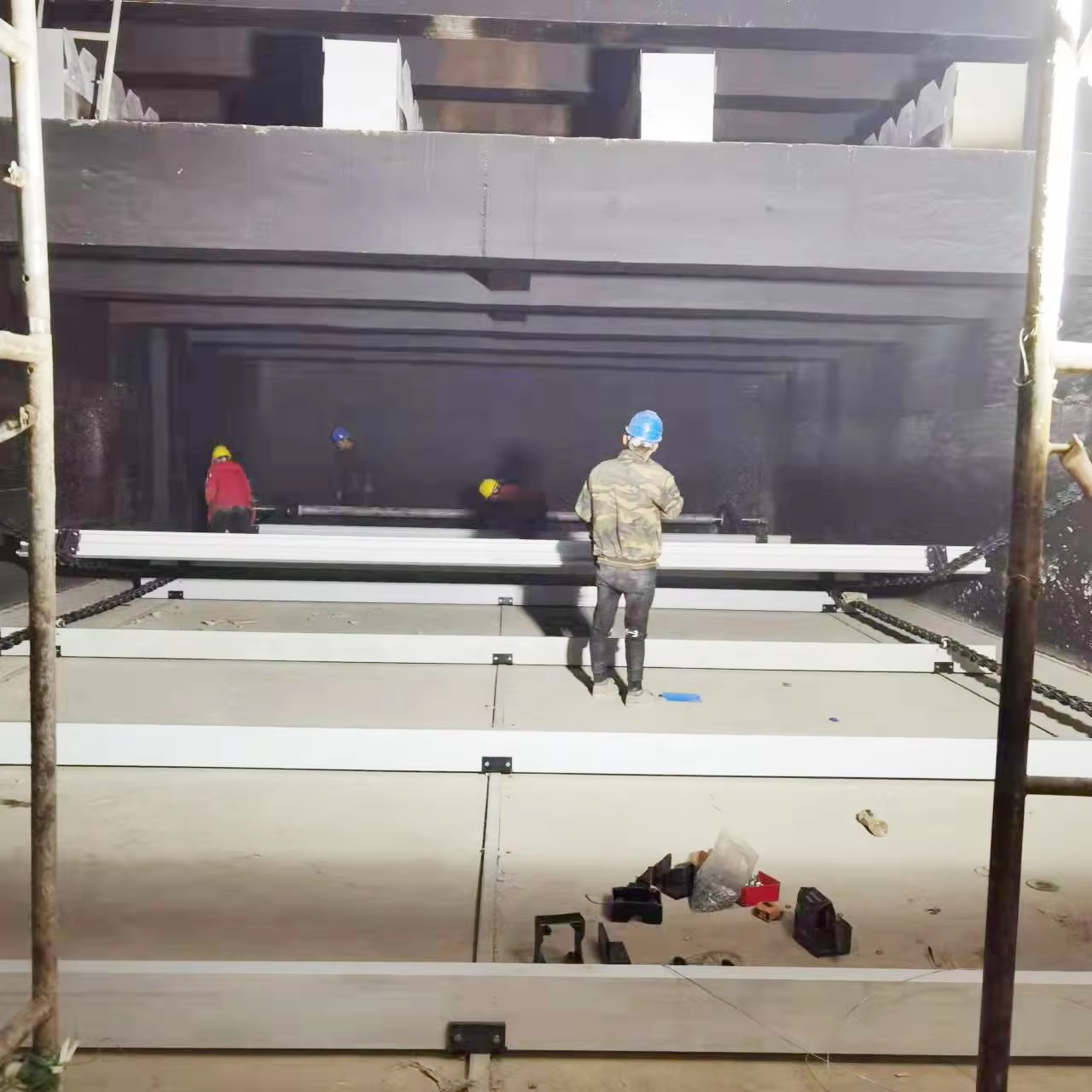
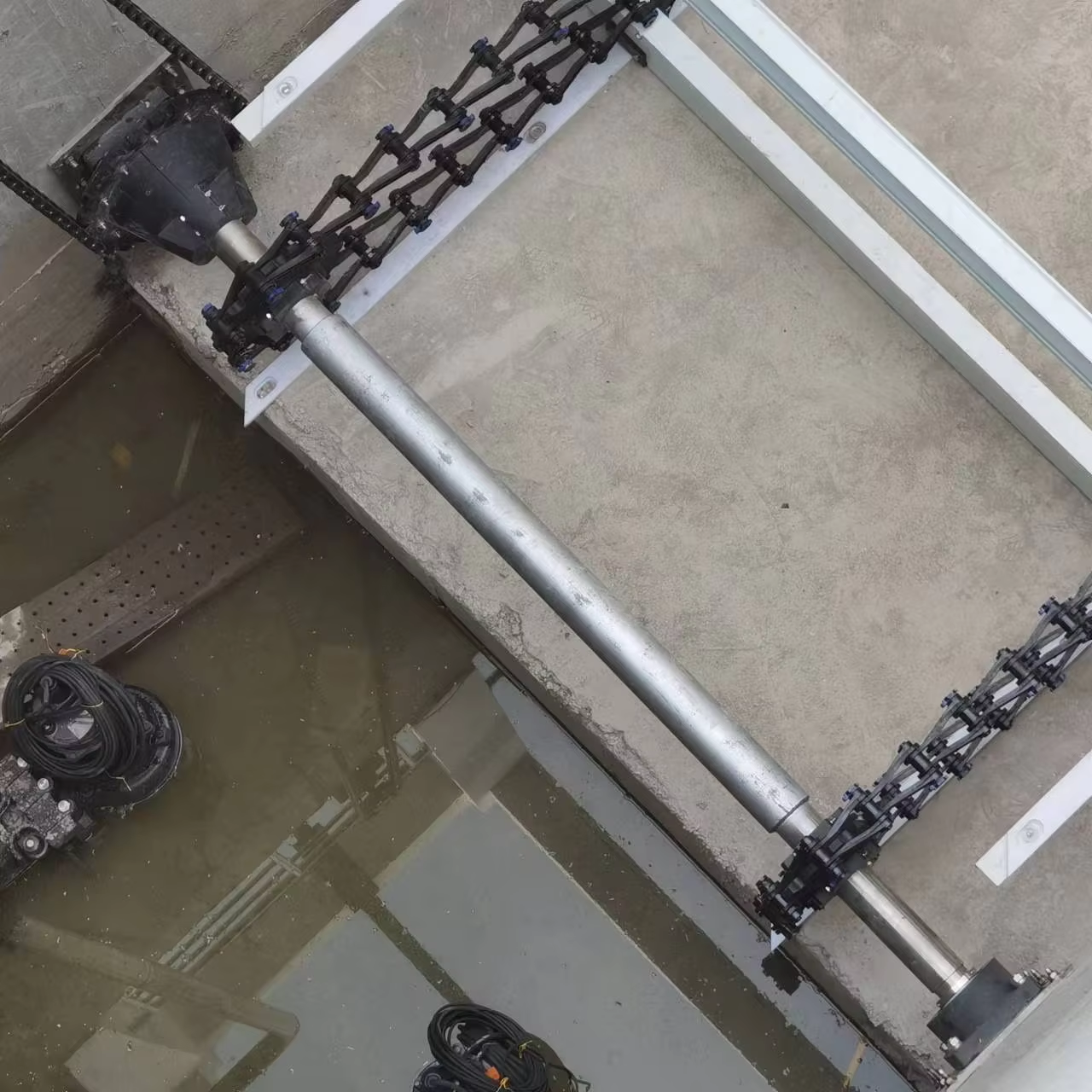
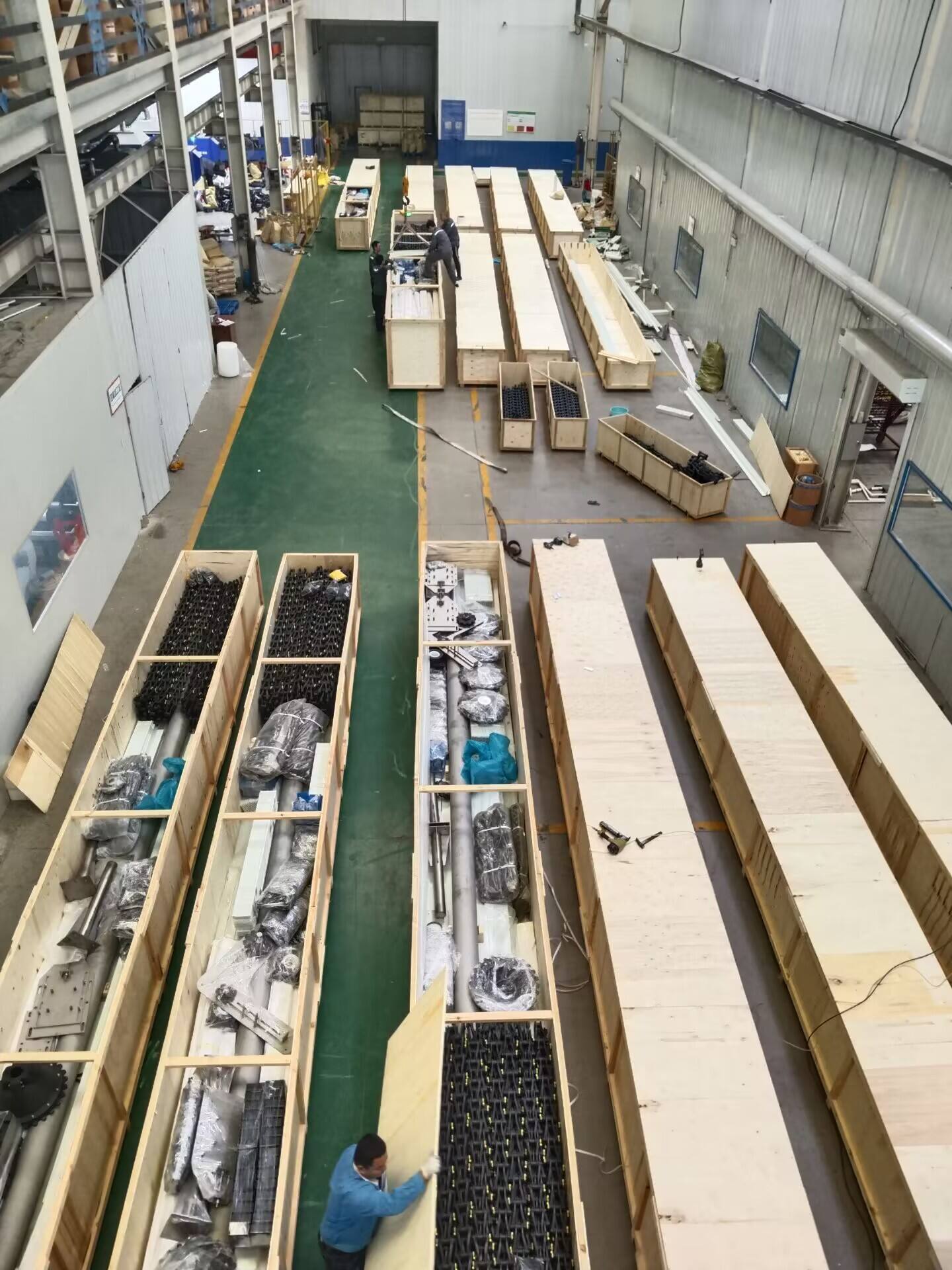
The term "sewage waste water treatment" describes the comprehensive engineering process of cleaning water that has been used for domestic and commercial purposes. This water contains a complex mixture of organic waste, pathogens, nutrients, and suspended solids. The treatment method is a sequence of stages designed to remove these pollutants incrementally. The process flow typically includes: preliminary treatment to remove large debris; primary treatment where sedimentation tanks allow settleable solids to sink for mechanical removal; secondary treatment where microorganisms biologically digest dissolved organic matter; and tertiary treatment for final polishing through filtration and disinfection. The effectiveness of the primary sedimentation phase is fundamentally dependent on the performance of the sludge scraper. This equipment operates in a highly corrosive milieu, constantly exposed to moisture, hydrogen sulfide gas, and other aggressive compounds. Huake provides a definitive solution for this challenge with its non-metallic sludge scrapers. Fabricated from advanced composites, these scrapers are immune to corrosion, ensuring they continue to function effectively throughout the long operational life of the treatment plant. This reliability guarantees that the primary stage consistently removes a high percentage of suspended solids, which is a prerequisite for the efficiency of all subsequent biological and chemical treatment stages, making it a cornerstone of effective sewage waste water treatment.