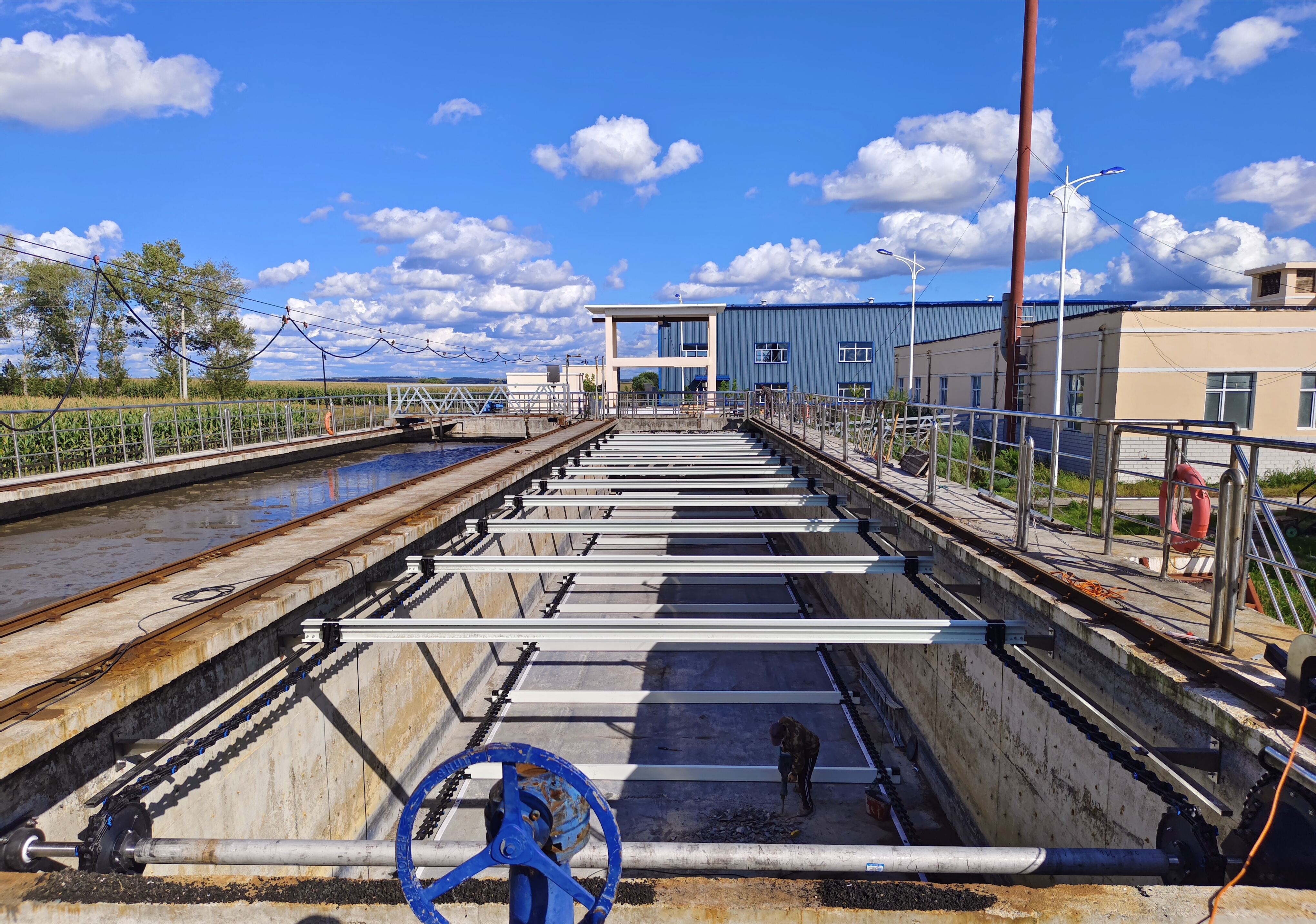
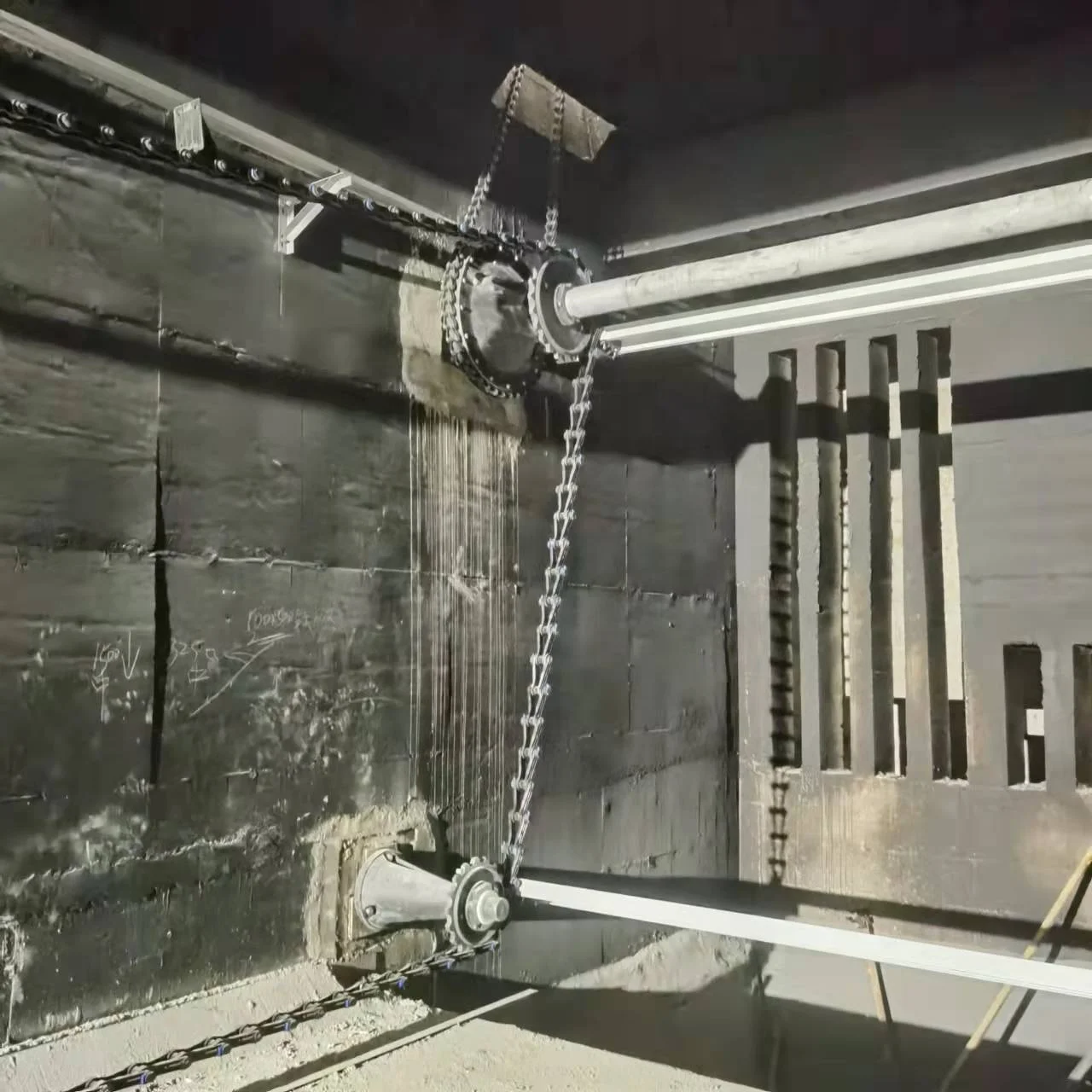
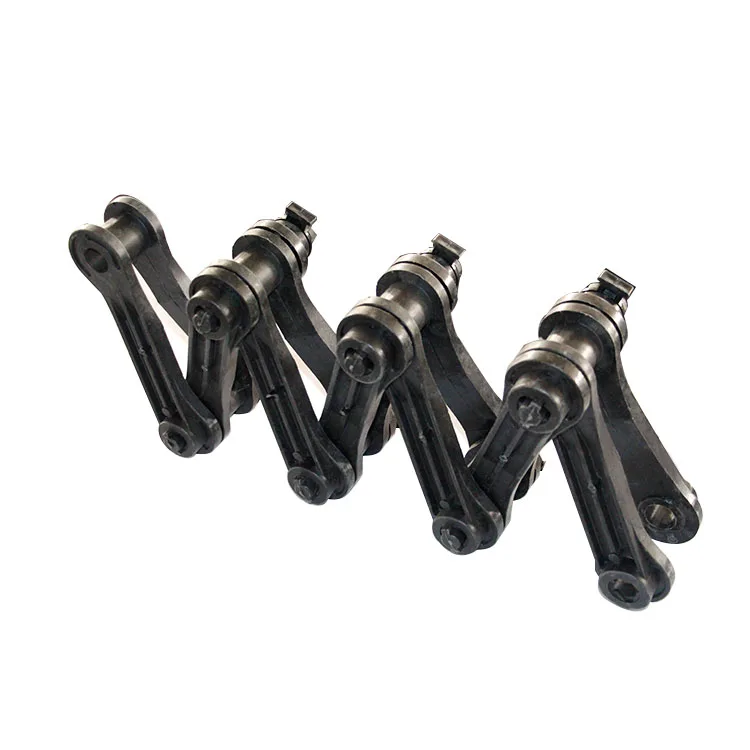
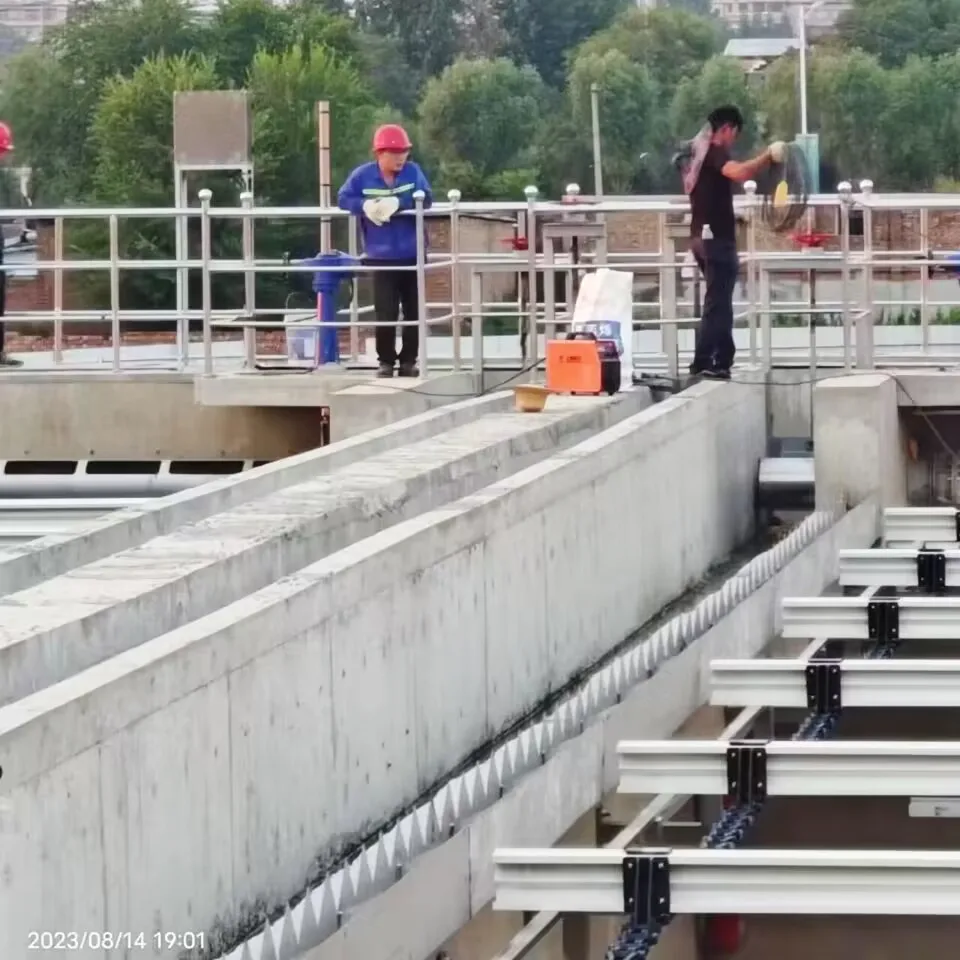
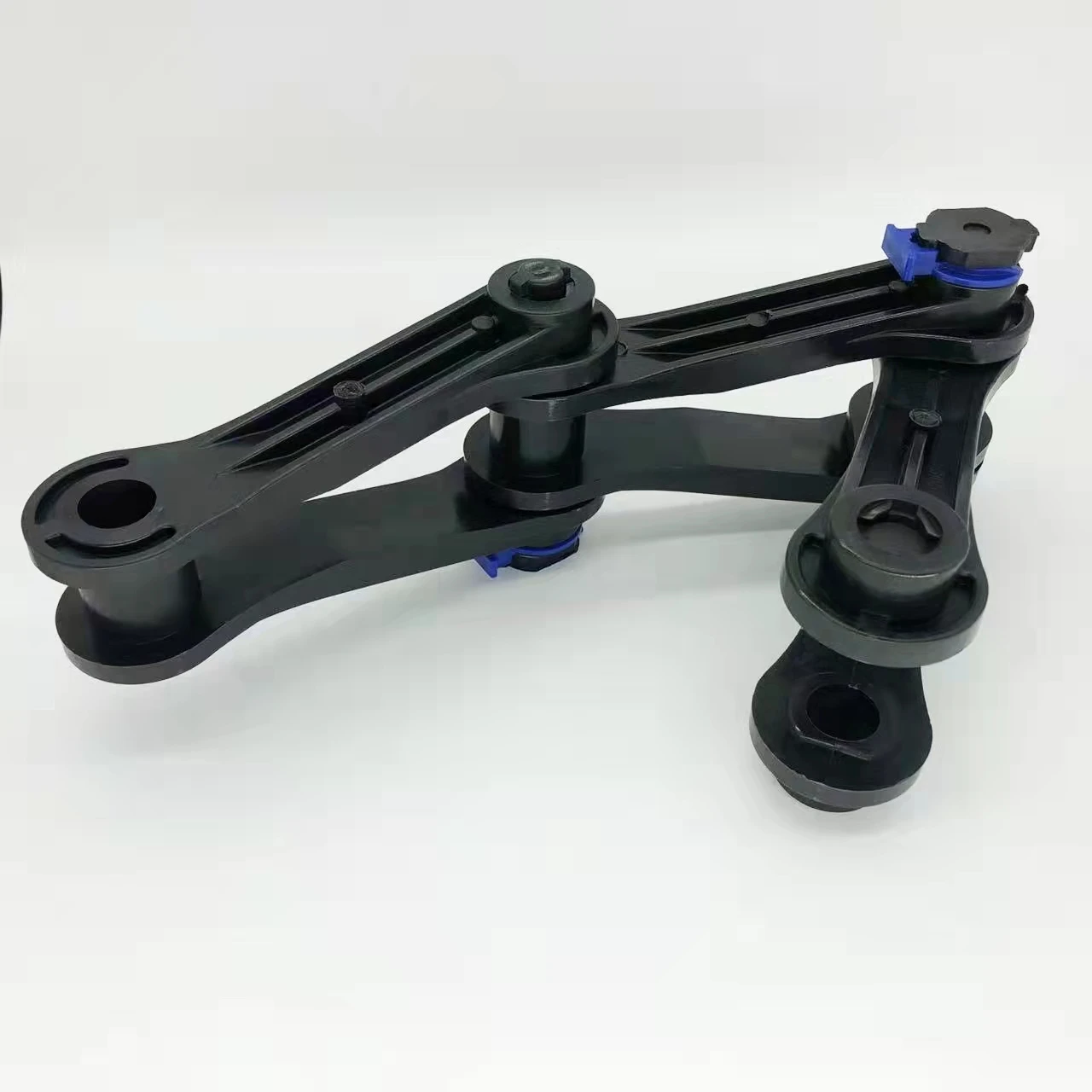
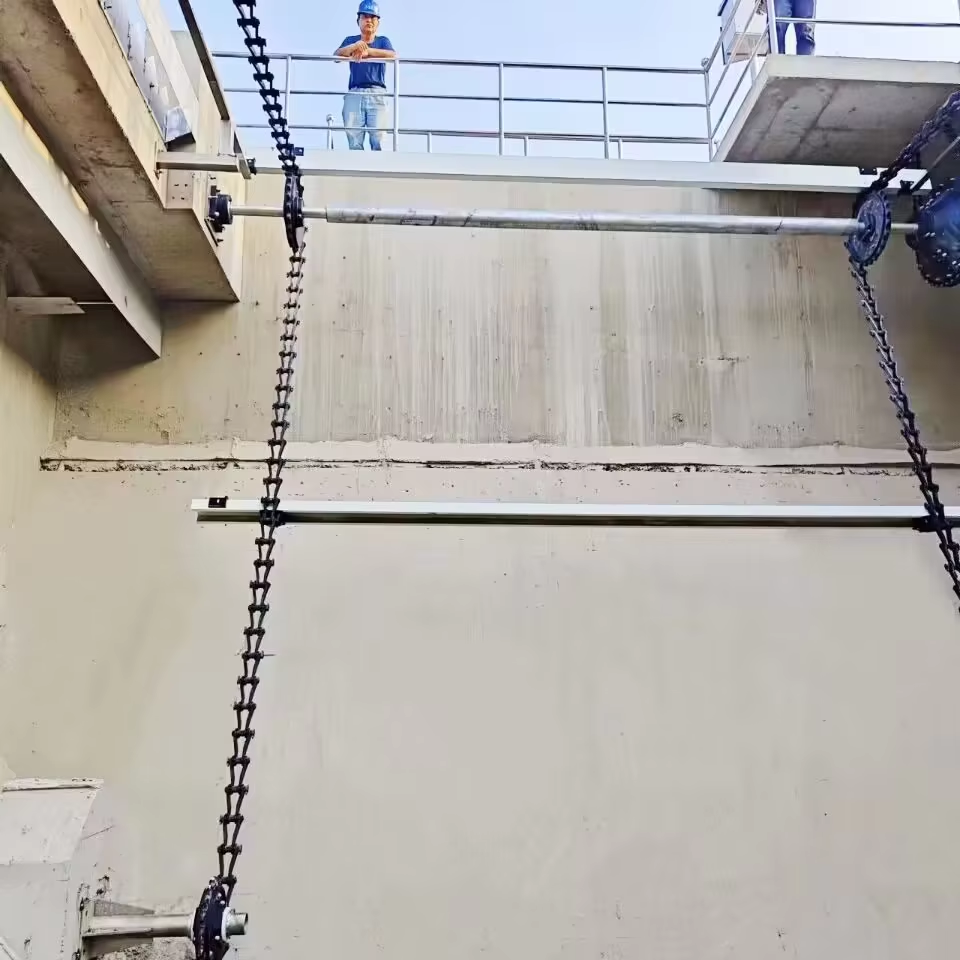
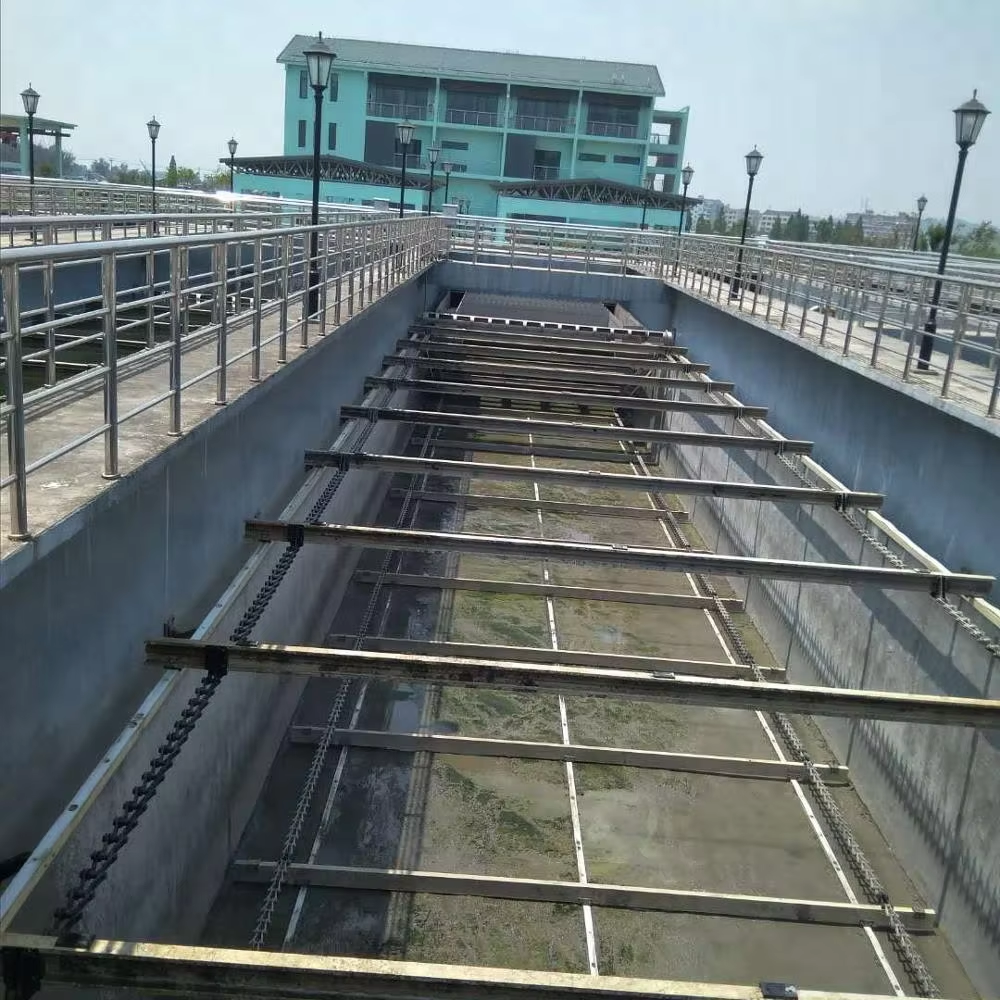
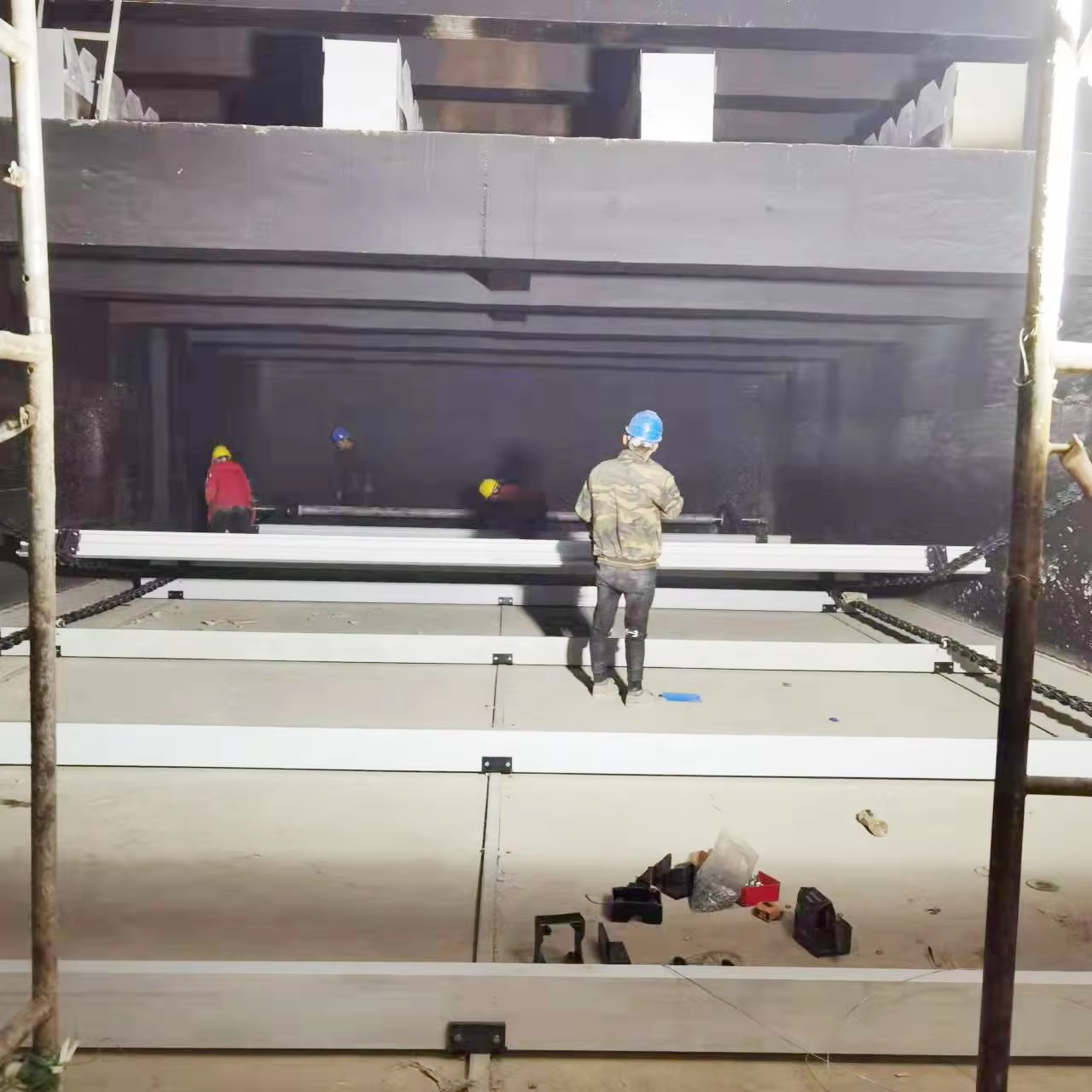
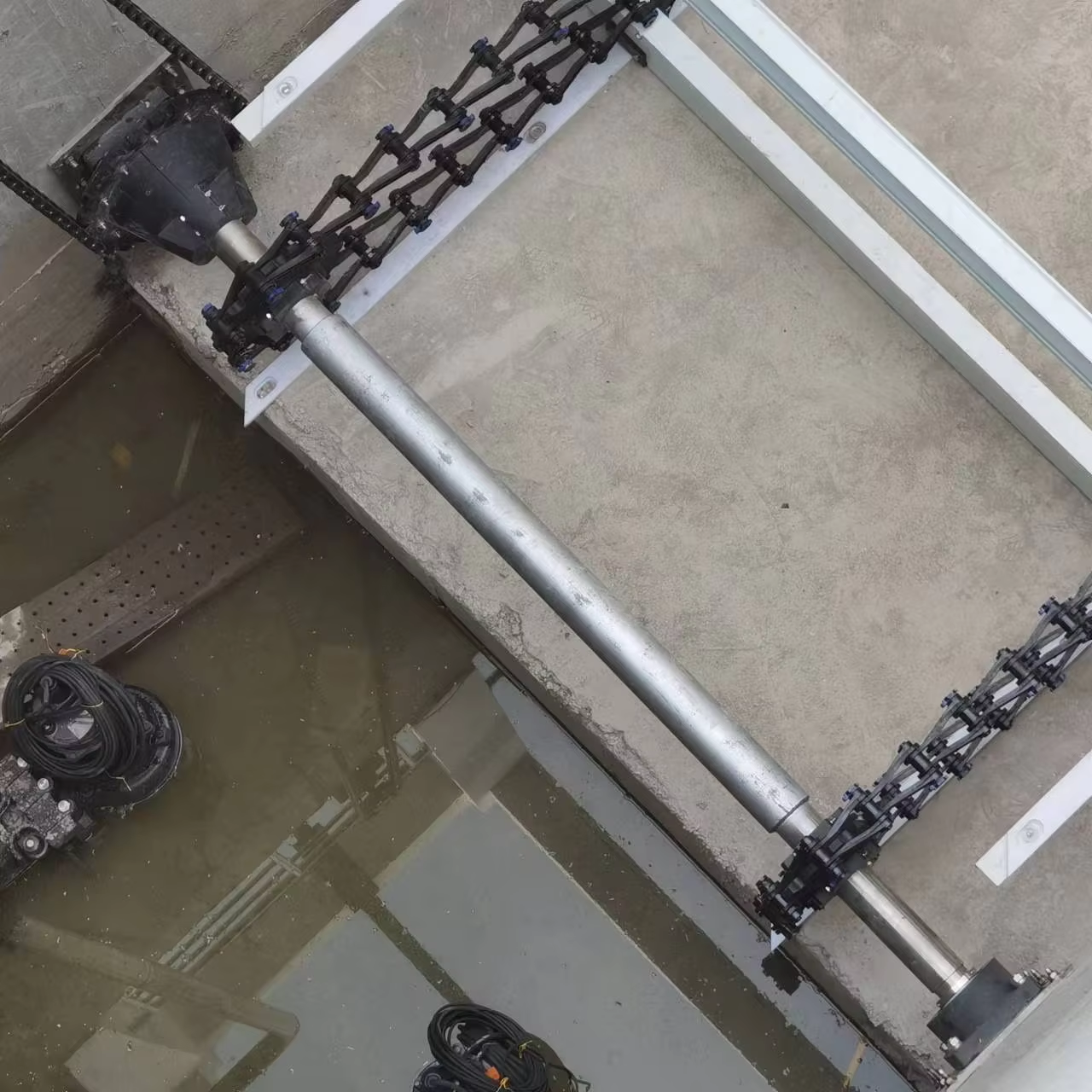
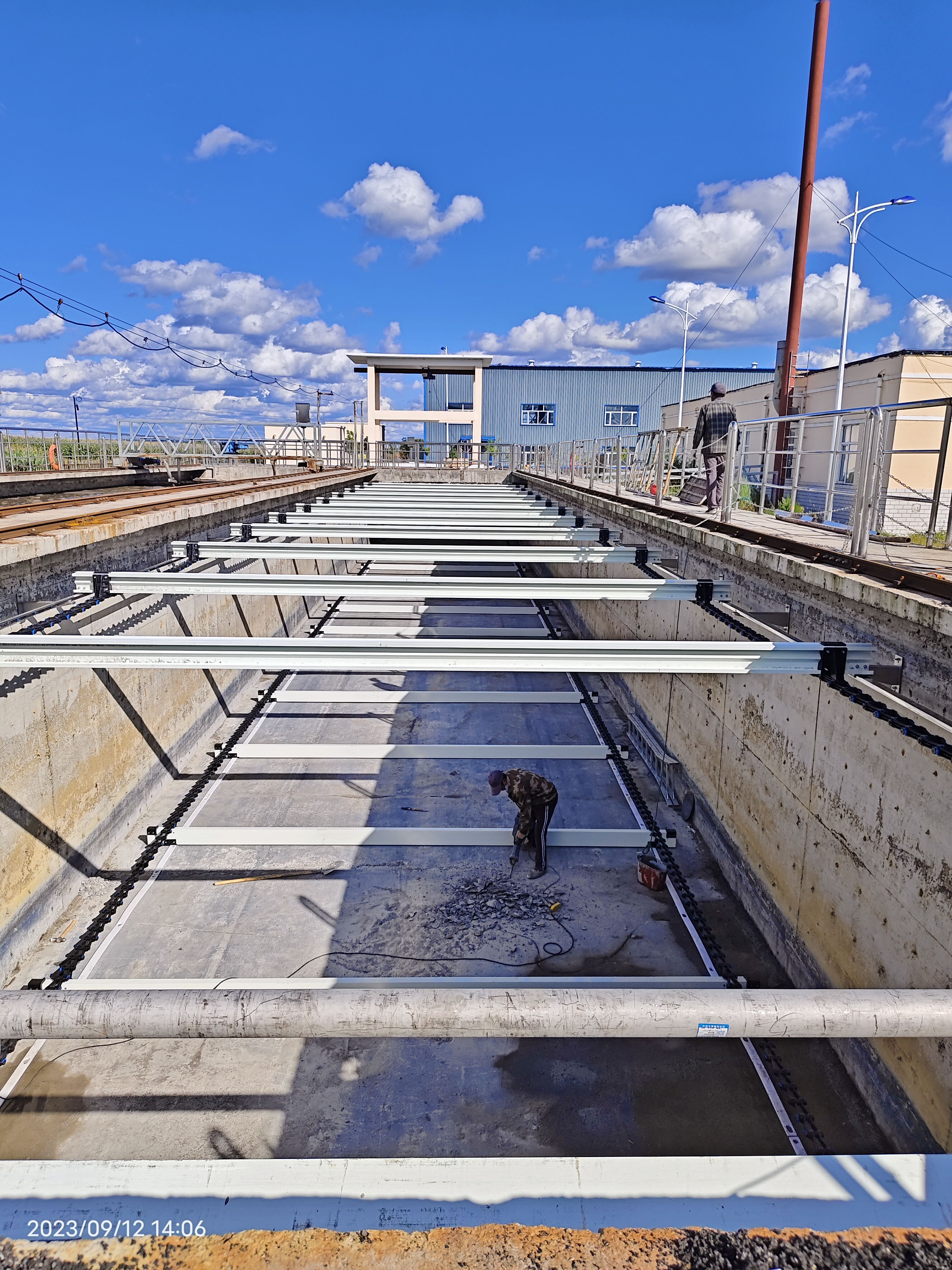
Secondary treatment of wastewater is the biological stage of the purification process, following primary treatment. Its objective is the removal of dissolved and colloidal organic matter that remains after sedimentation. This is primarily achieved through the use of microorganisms (bacteria, protozoa) that consume organic pollutants as food. Common technologies include activated sludge processes, trickling filters, rotating biological contactors (RBCs), and sequencing batch reactors (SBRs). The health and efficiency of these biological ecosystems are entirely dependent on the quality of the effluent they receive from the primary treatment stage. This is where the critical link to primary sedimentation exists. If the primary clarifier fails to remove a sufficient amount of suspended solids, these solids will overflow into the secondary treatment bioreactors. This can lead to overloading of the biomass, increased oxygen demand, poor settling in secondary clarifiers, and ultimately, a failure to meet biochemical oxygen demand (BOD) removal targets. Huake's non-metallic sludge scrapers play an indirect but vital role in protecting secondary treatment. By ensuring the primary clarifier operates at peak efficiency through reliable and continuous sludge removal, our technology provides a consistent, high-quality feed to the biological stage. This allows the microorganisms to function optimally, ensuring the secondary treatment process achieves maximum pollutant removal efficiency and produces a high-quality effluent suitable for further polishing or discharge.