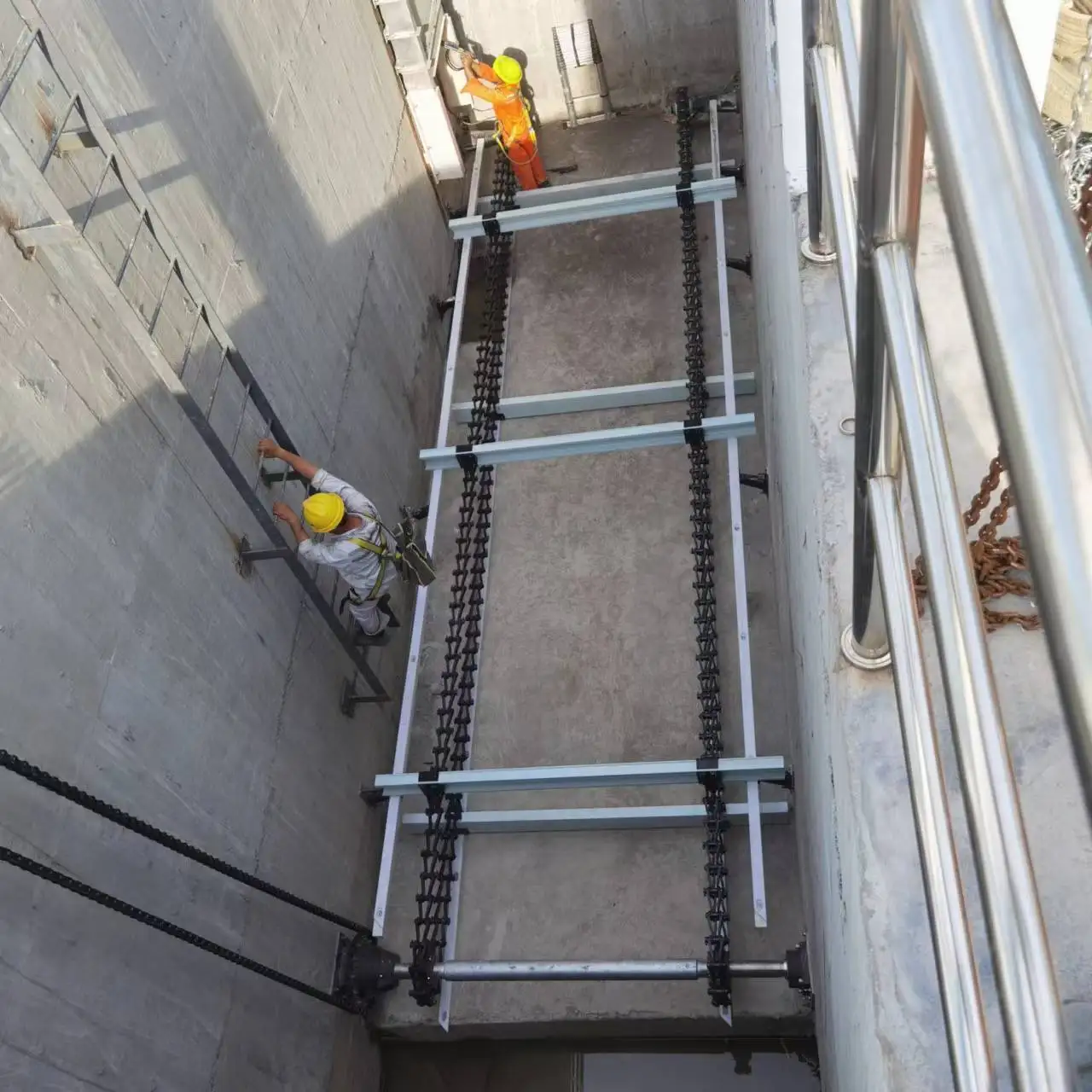
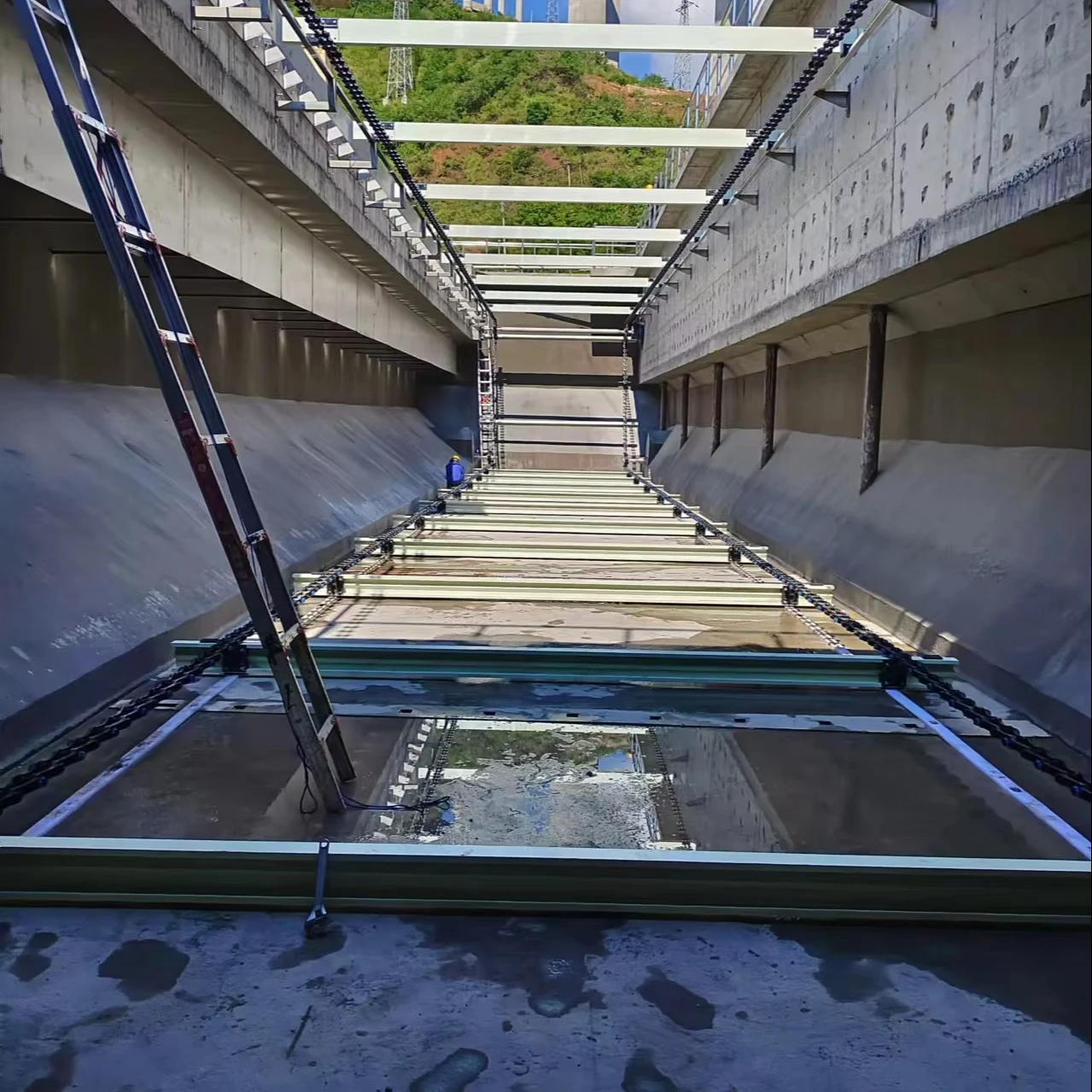
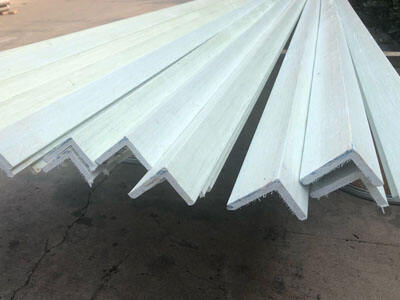
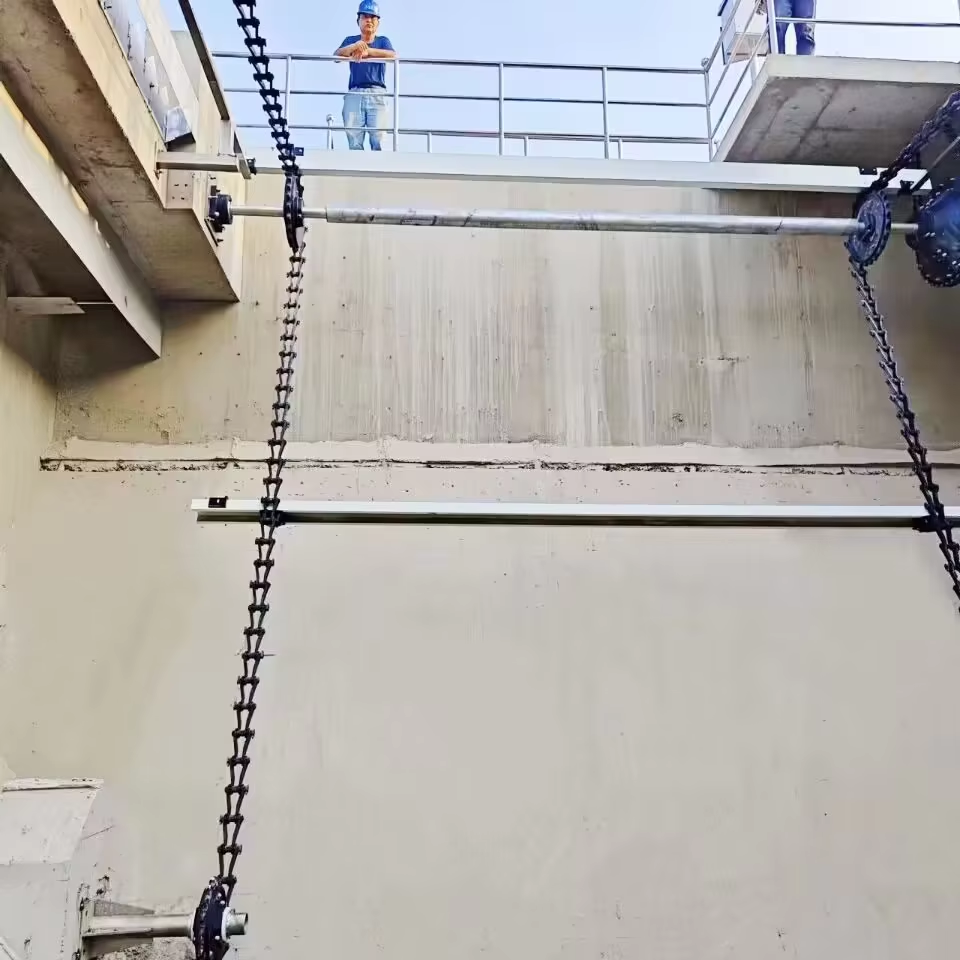
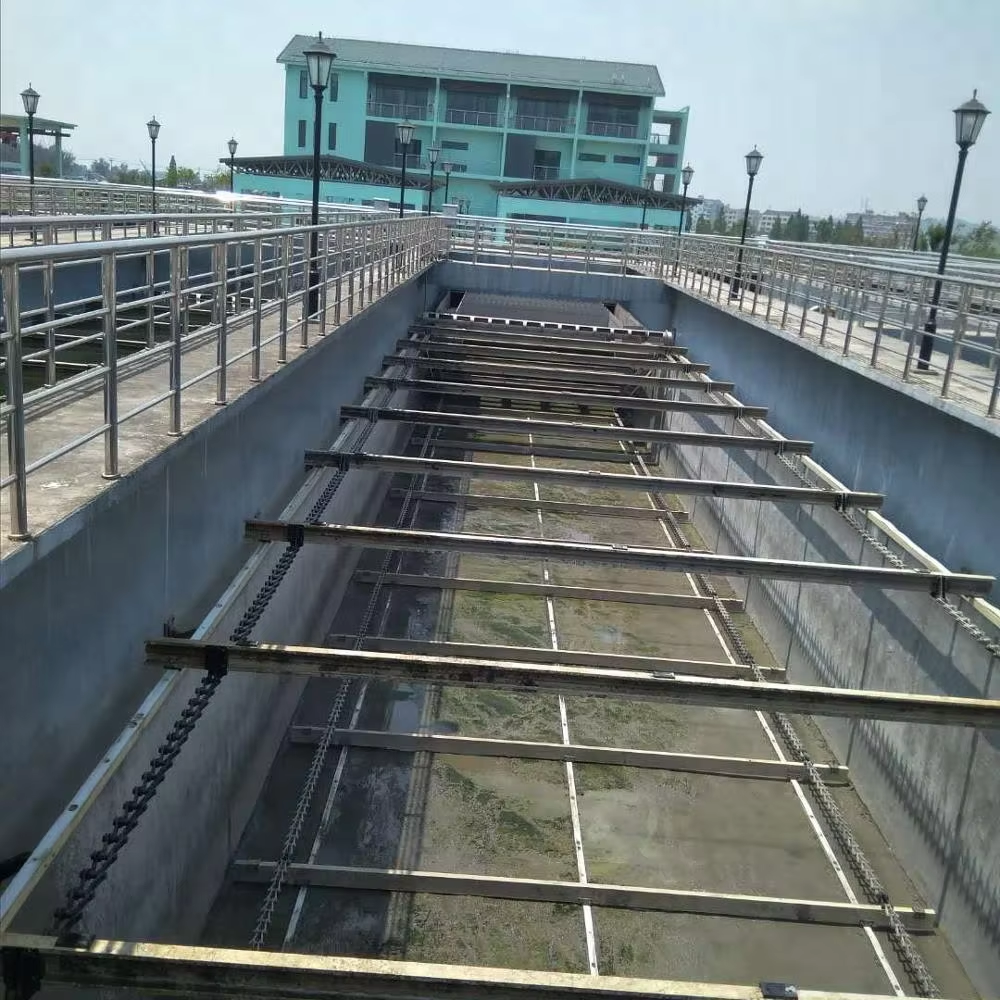
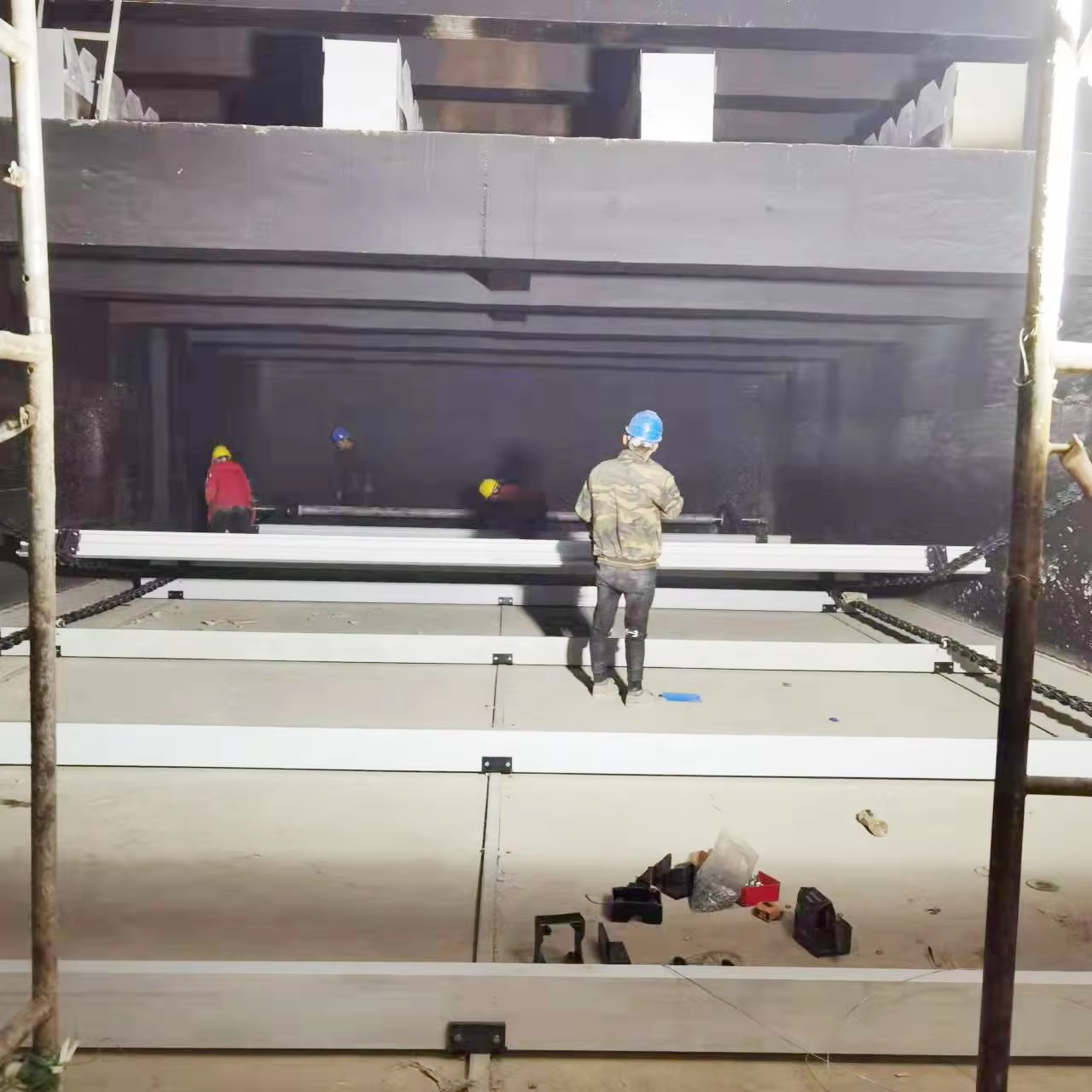
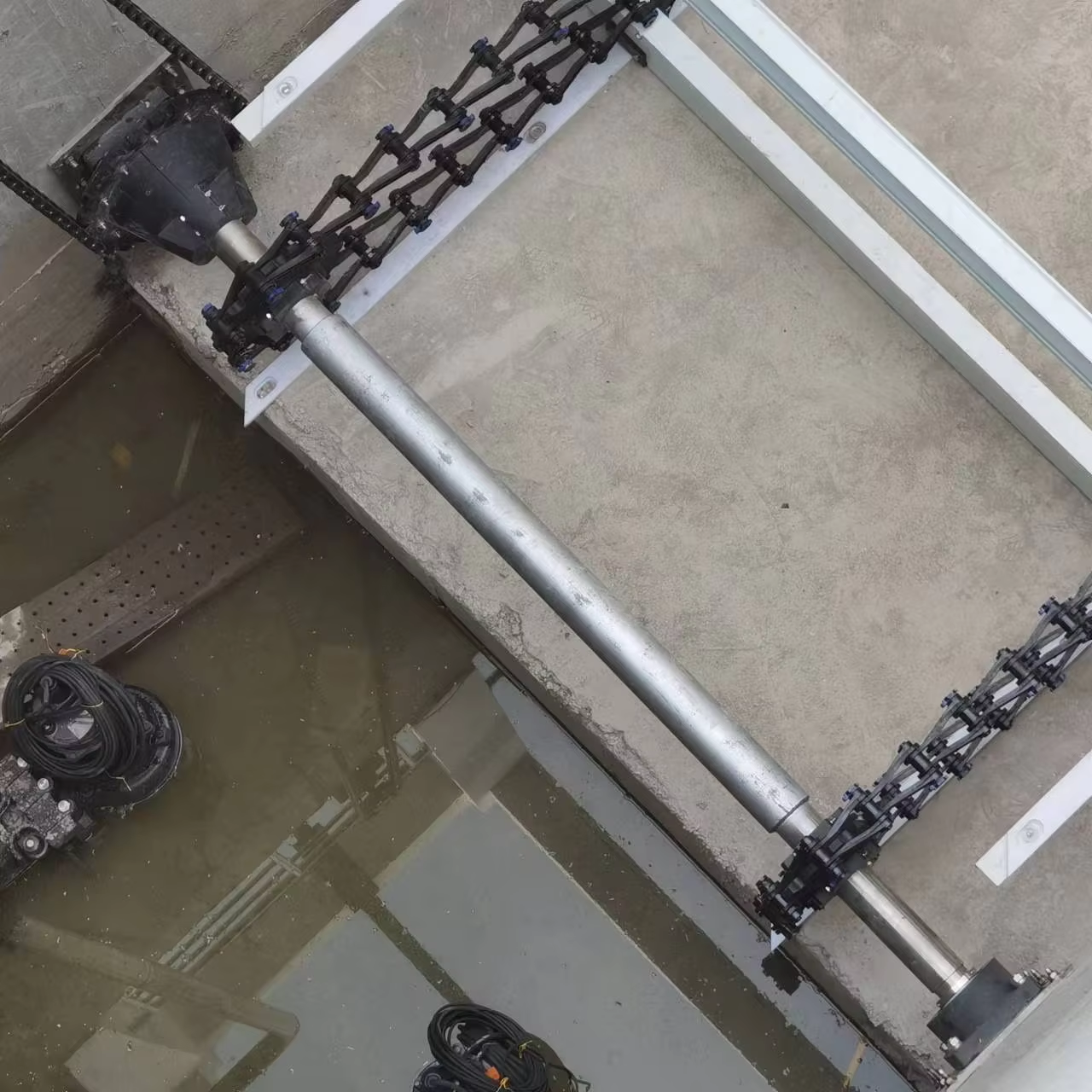
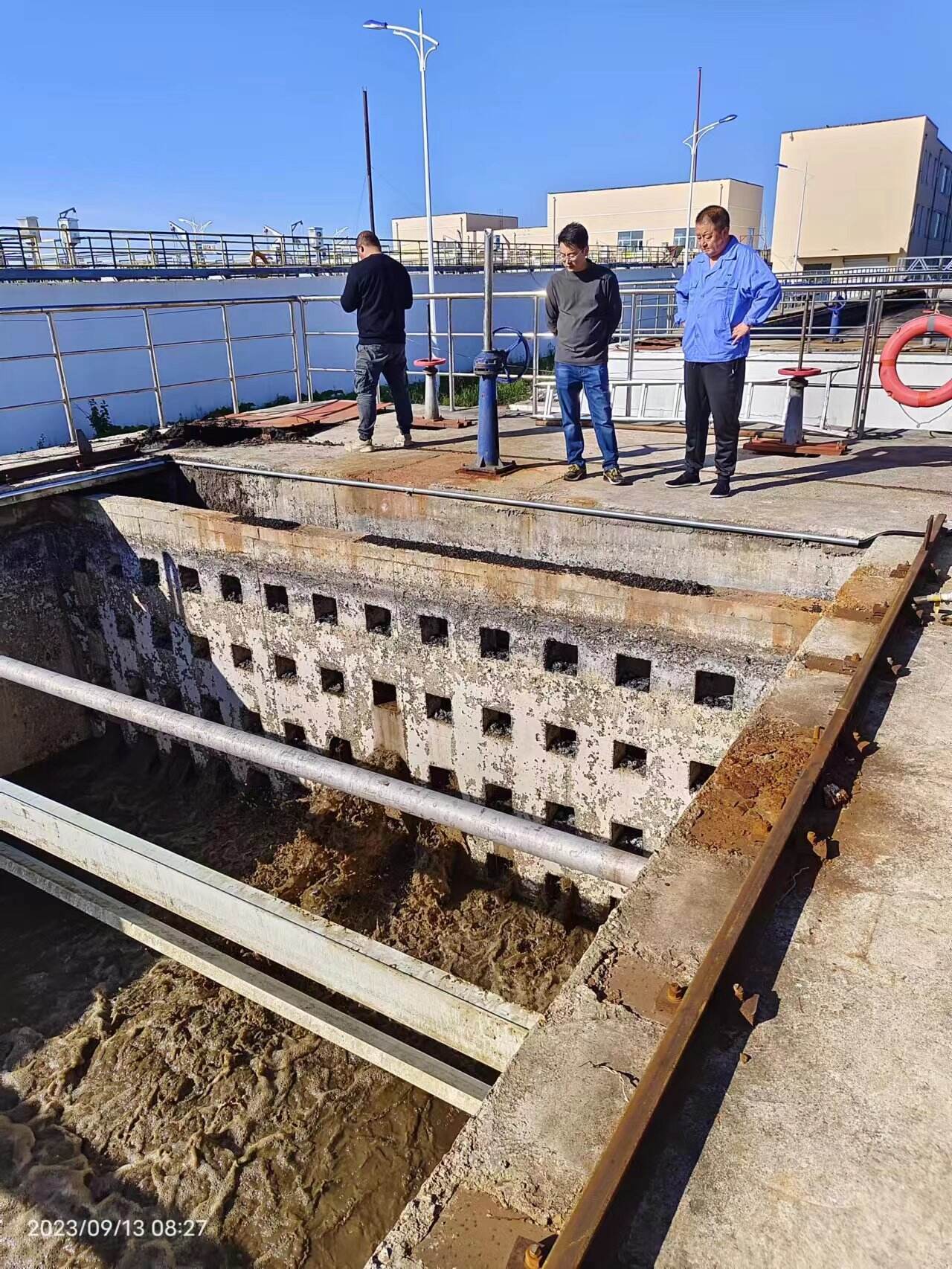
A high concentration sewage treatment system is designed to handle wastewater with exceptionally elevated levels of biochemical oxygen demand (BOD), chemical oxygen demand (COD), total suspended solids (TSS), fats, oils, and greases (FOG). This is common in industrial settings such as food processing plants, slaughterhouses, dairies, and pharmaceutical manufacturing. Standard municipal systems would be overwhelmed by such loads. These specialized systems often feature enhanced preliminary treatment like dissolved air flotation (DAF) for grease removal, equalization tanks to dampen hydraulic and organic shock loads, and robust biological processes like extended aeration or anaerobic digesters capable of breaking down complex organics. Physical components, including sludge scrapers and mixers, are built to handle thickened, often viscous sludges without faltering. For example, a cheese production facility implemented a high-concentration system with a DAF unit followed by an anaerobic reactor, achieving over 95% COD removal and generating biogas for energy recovery. The design requires careful rheological analysis of the wastewater to size pipes, pumps, and mixing equipment correctly. Materials must resist abrasion from high solids and corrosion from potential acidic byproducts of fermentation. We specialize in engineering treatment solutions for high-strength wastewaters. To explore the feasibility and design parameters for a high concentration sewage treatment system for your facility, we invite you to contact us with your wastewater characterization data for a detailed technical review.