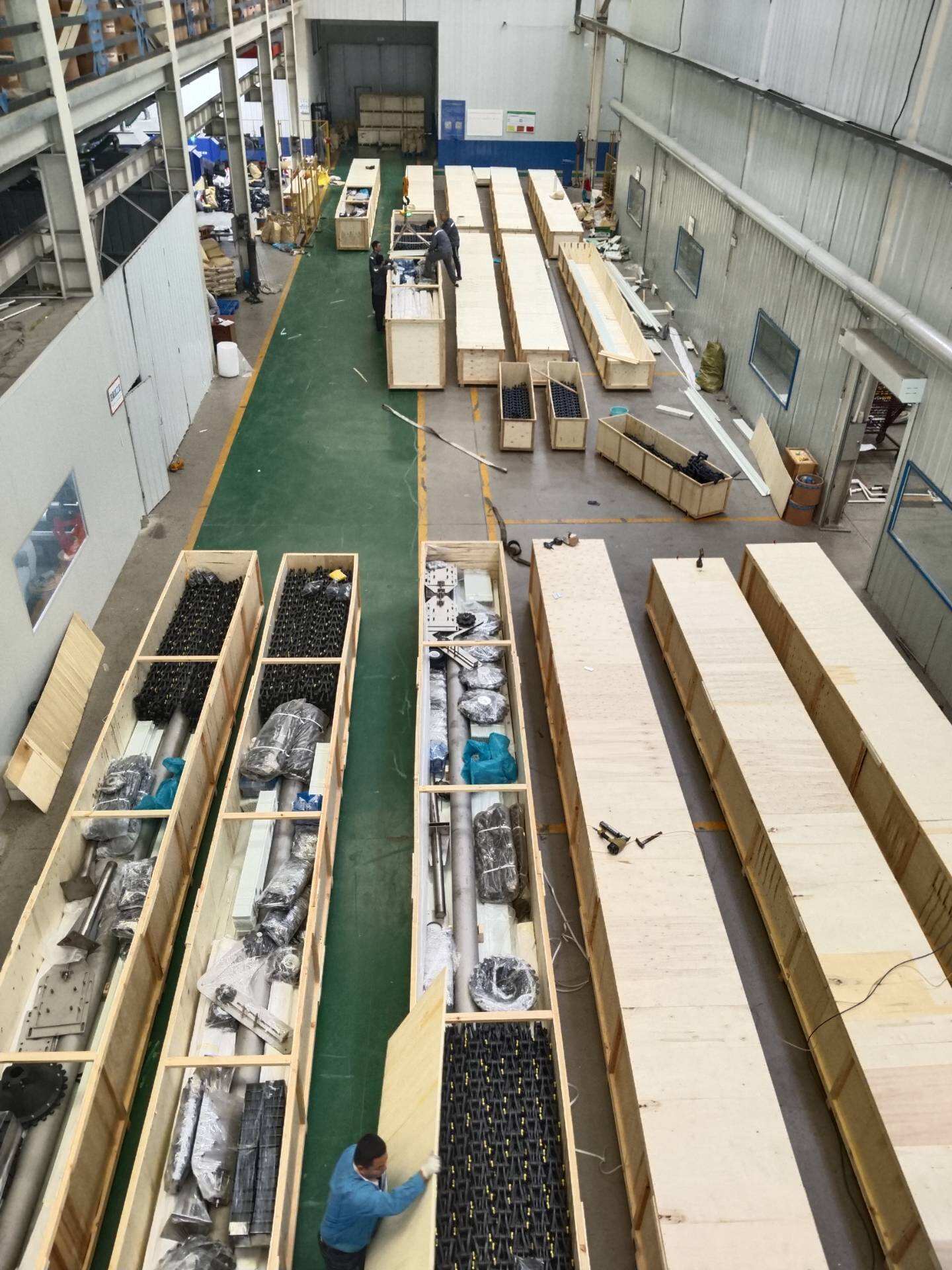
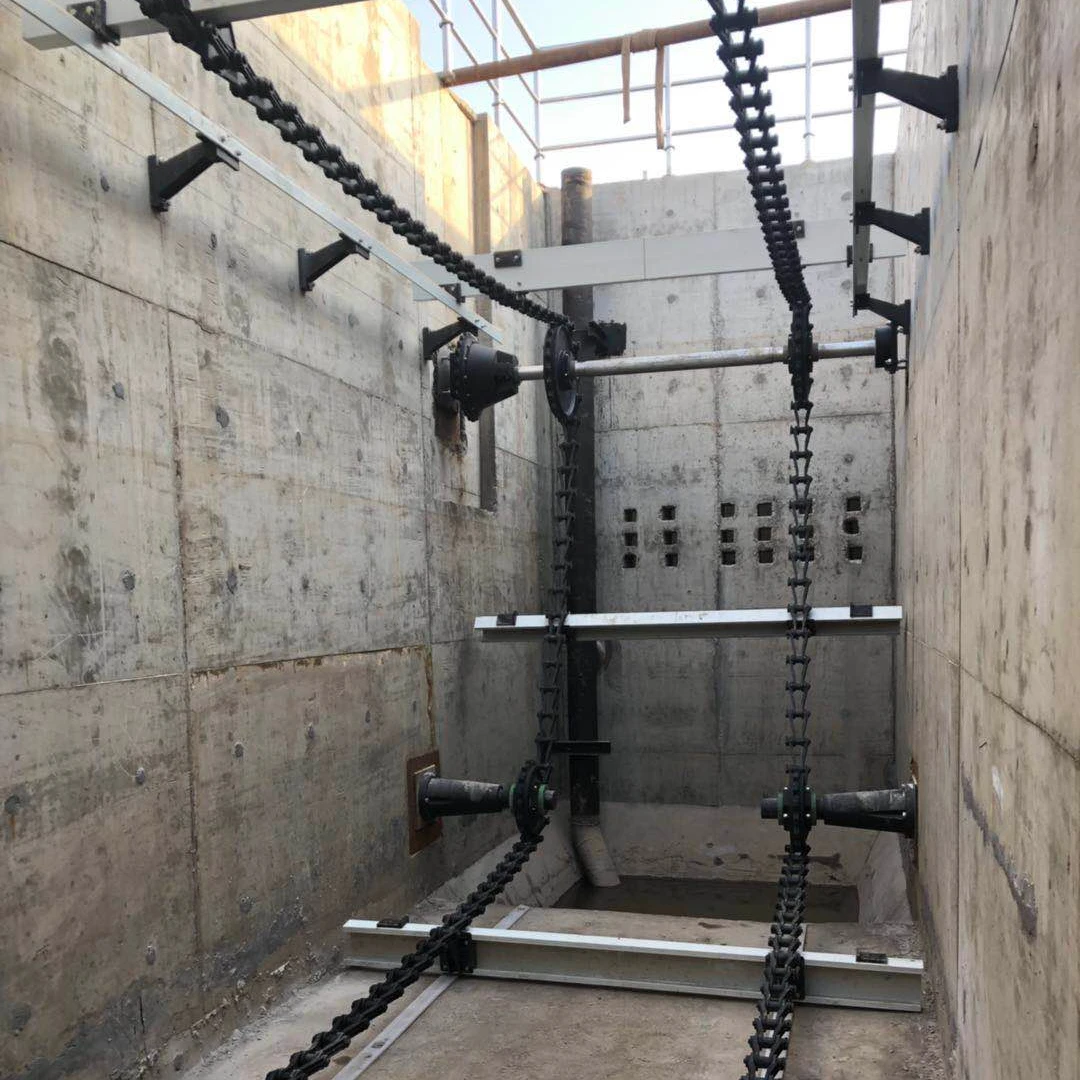
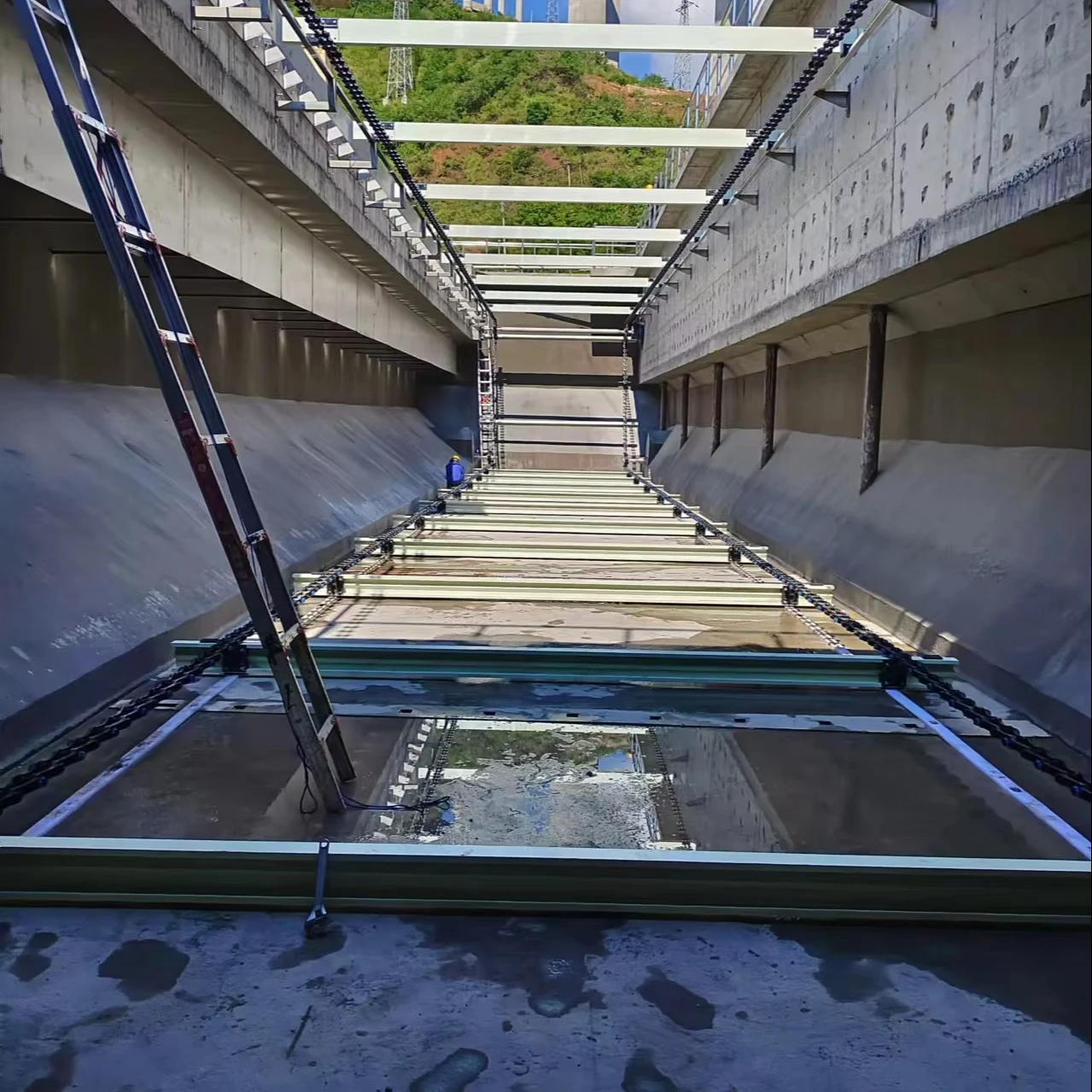
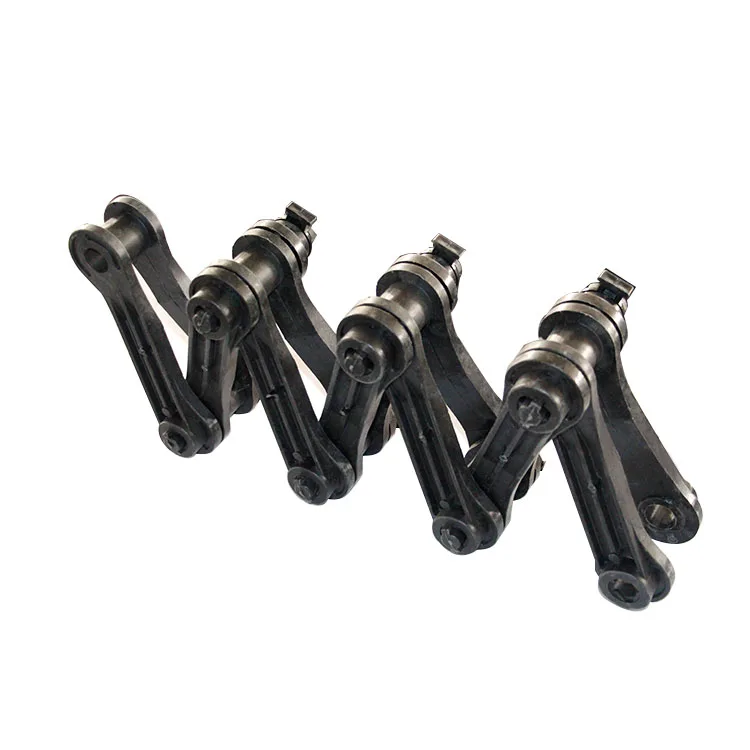
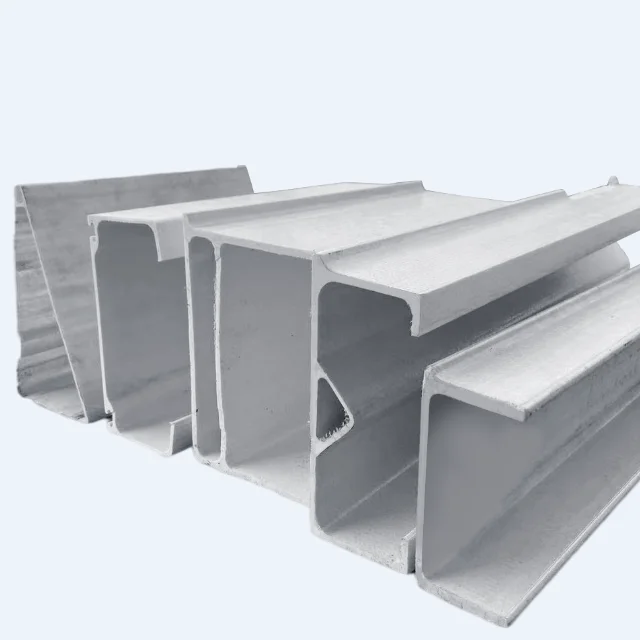
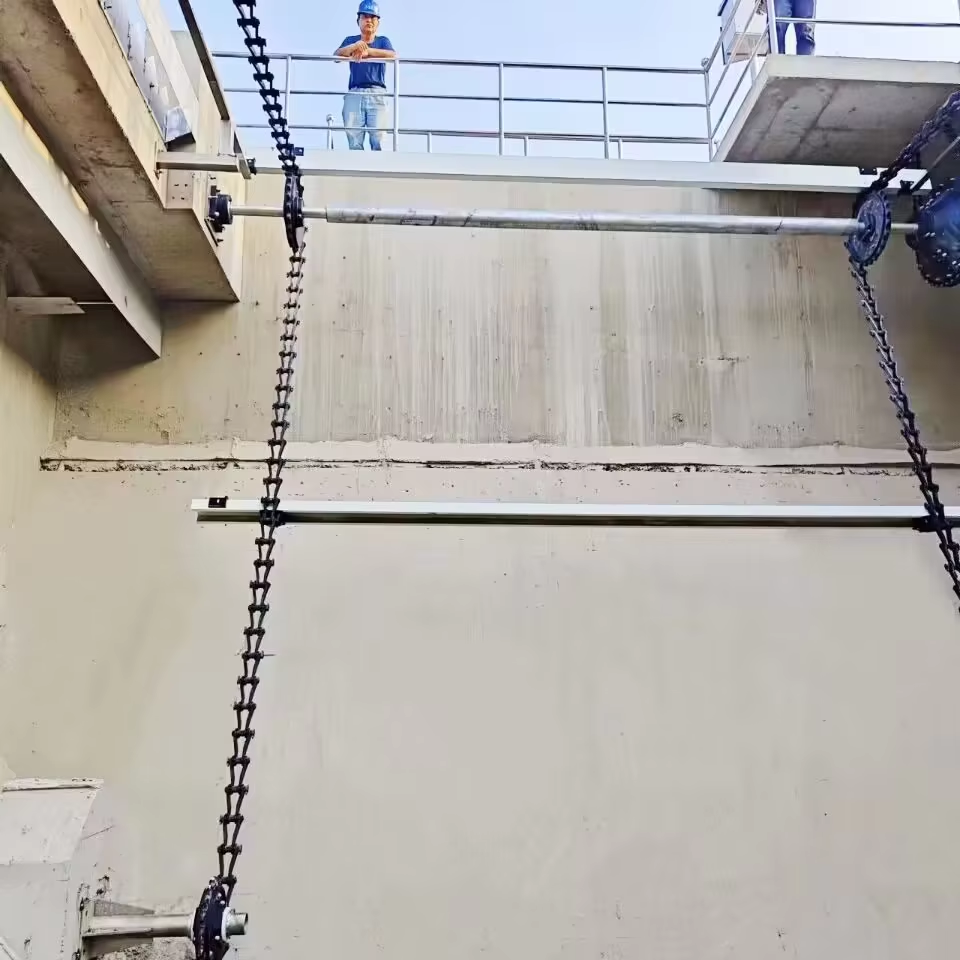
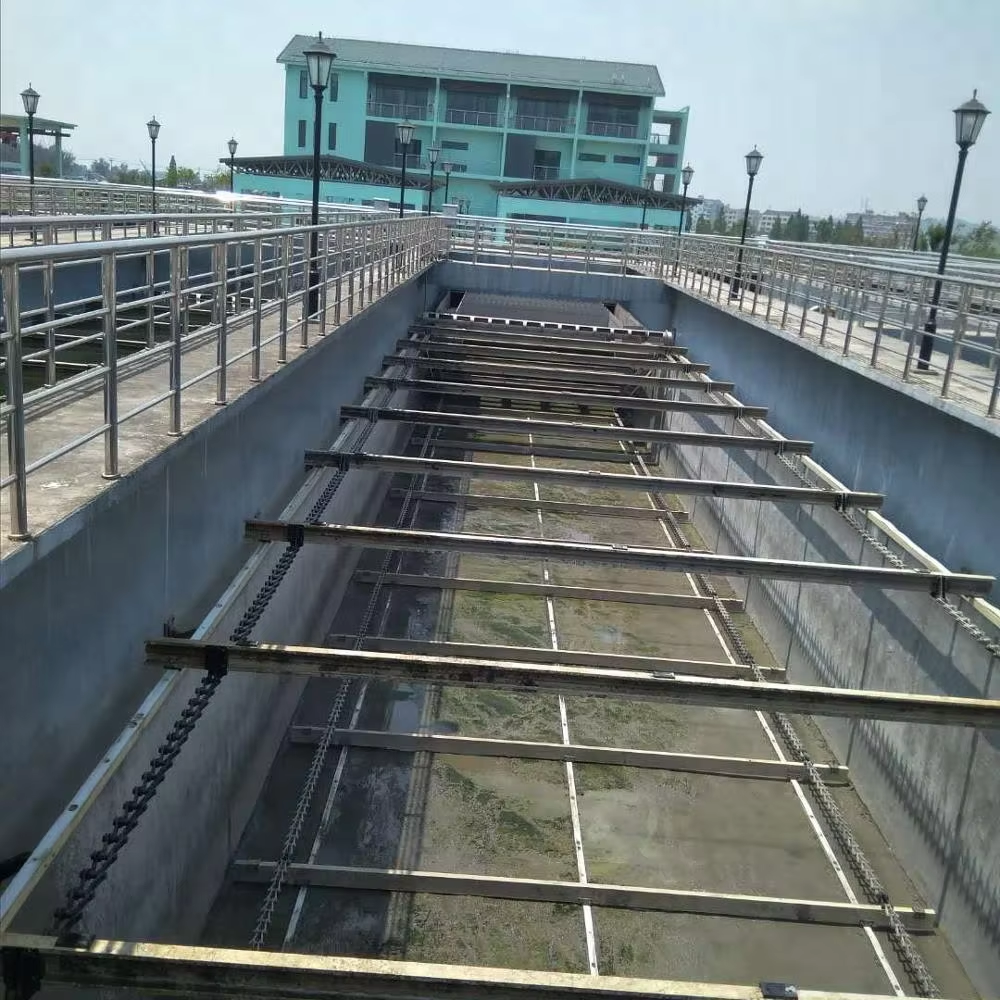
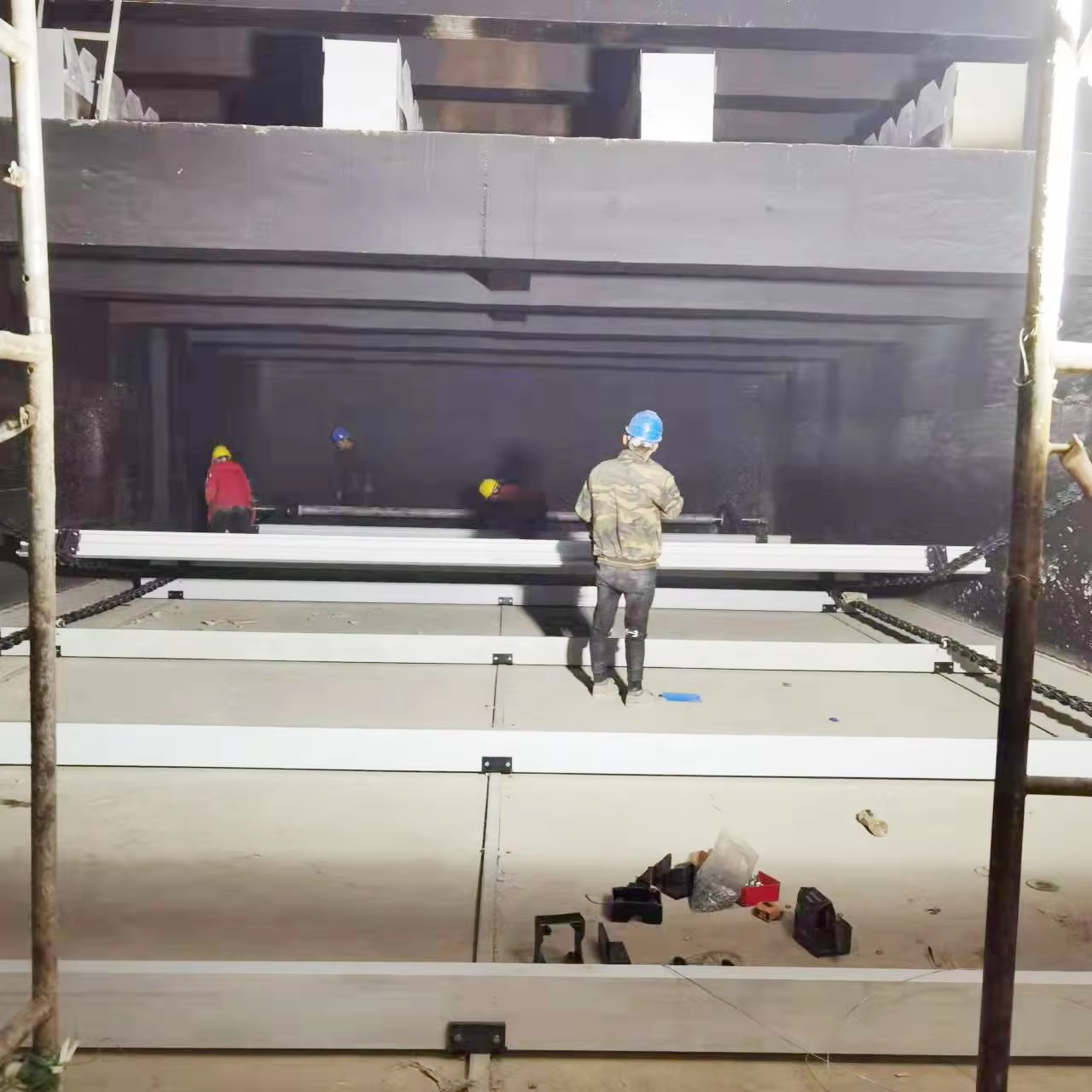
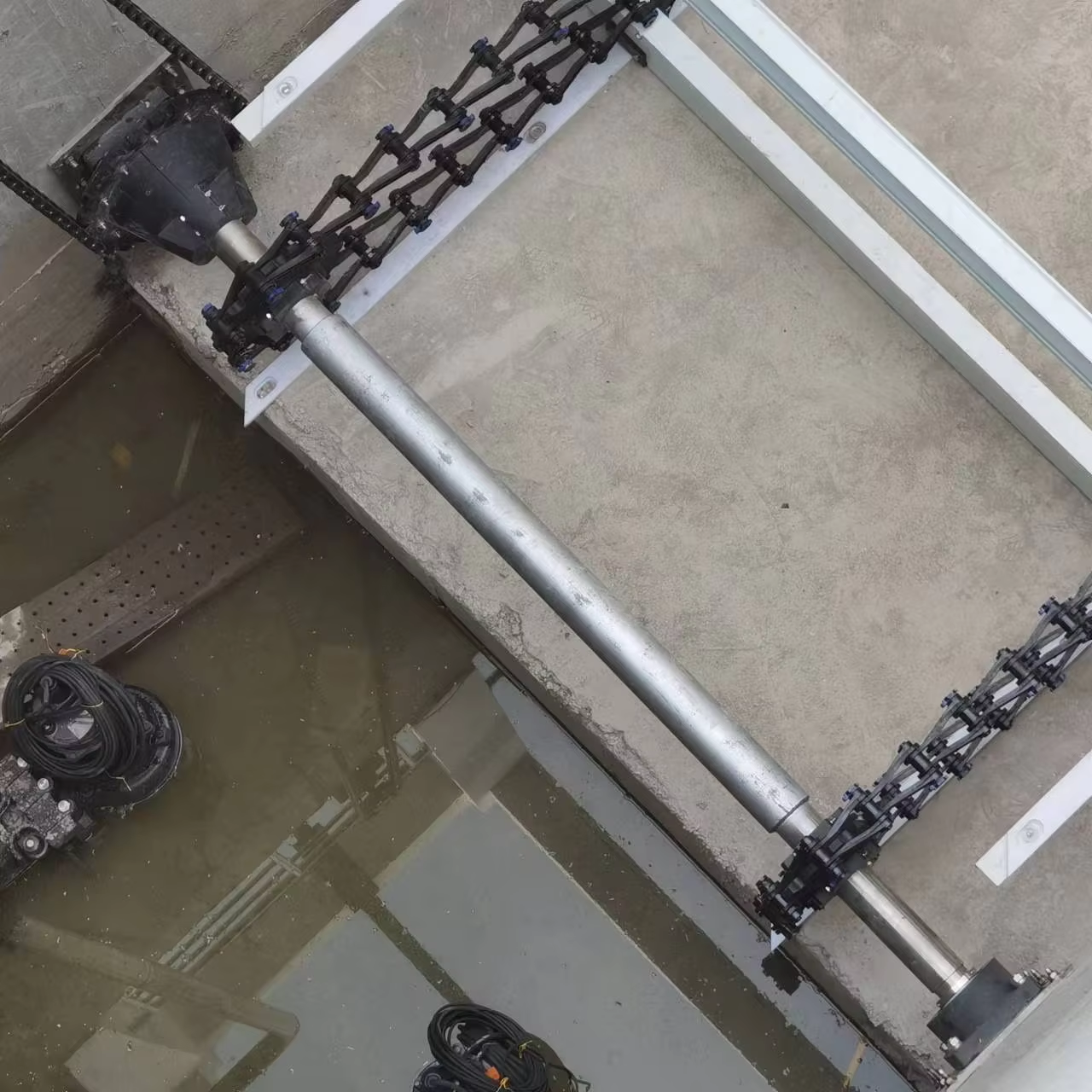
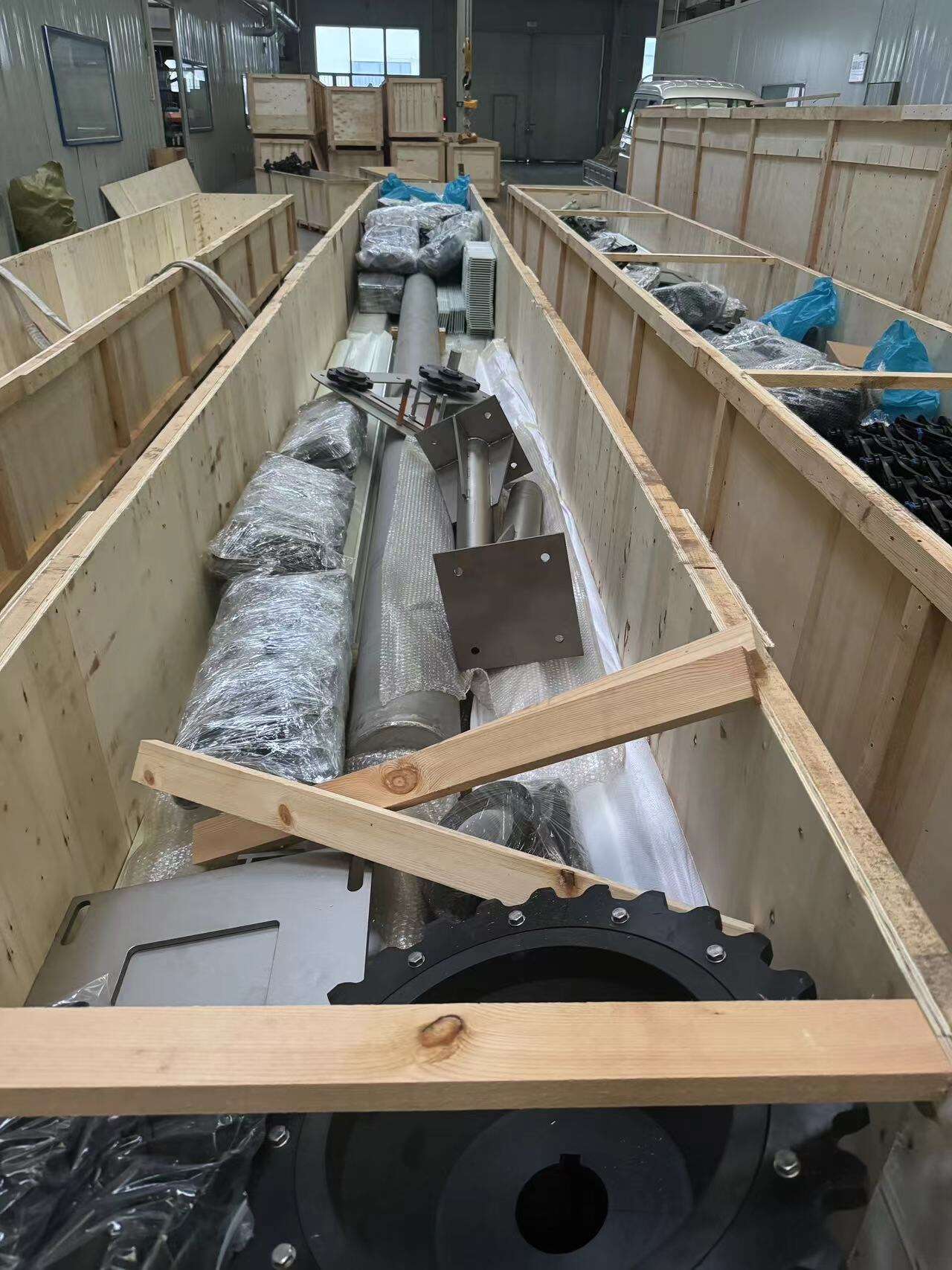
A sewage treatment system is the engineered process unit responsible for removing physical, chemical, and biological contaminants from wastewater, making it safe for discharge into the environment or for reuse. The core of this system is typically a sequential treatment process. Primary treatment focuses on the physical separation of solids. This stage includes bar screens that remove large debris, grit chambers that settle out sand and gravel, and primary clarifiers where sedimentation allows organic suspended solids to settle as raw sludge. Secondary treatment is a biological process where dissolved organic pollutants are consumed by microorganisms. Common technologies include the activated sludge process, where aerated tanks support microbial growth, followed by secondary clarifiers to settle out the biological floc (activated sludge). Other methods include trickling filters, rotating biological contactors, and membrane bioreactors (MBRs). Tertiary treatment provides a final polishing step, which may involve nutrient removal (nitrogen and phosphorus), disinfection (using chlorine, UV light, or ozone), and filtration. The efficiency and reliability of each stage are highly dependent on the equipment used. In the sedimentation units, the performance of the sludge scraper is critical. A poorly functioning scraper can lead to solids buildup, reduced treatment capacity, and increased effluent turbidity. Our expertise lies in manufacturing highly efficient, non-metallic sludge scrapers that ensure consistent sludge removal, are impervious to corrosion, and require minimal maintenance, directly contributing to the overall stability and cost-effectiveness of the sewage treatment system. Contact us to discuss the best scraper solution for your specific system configuration.