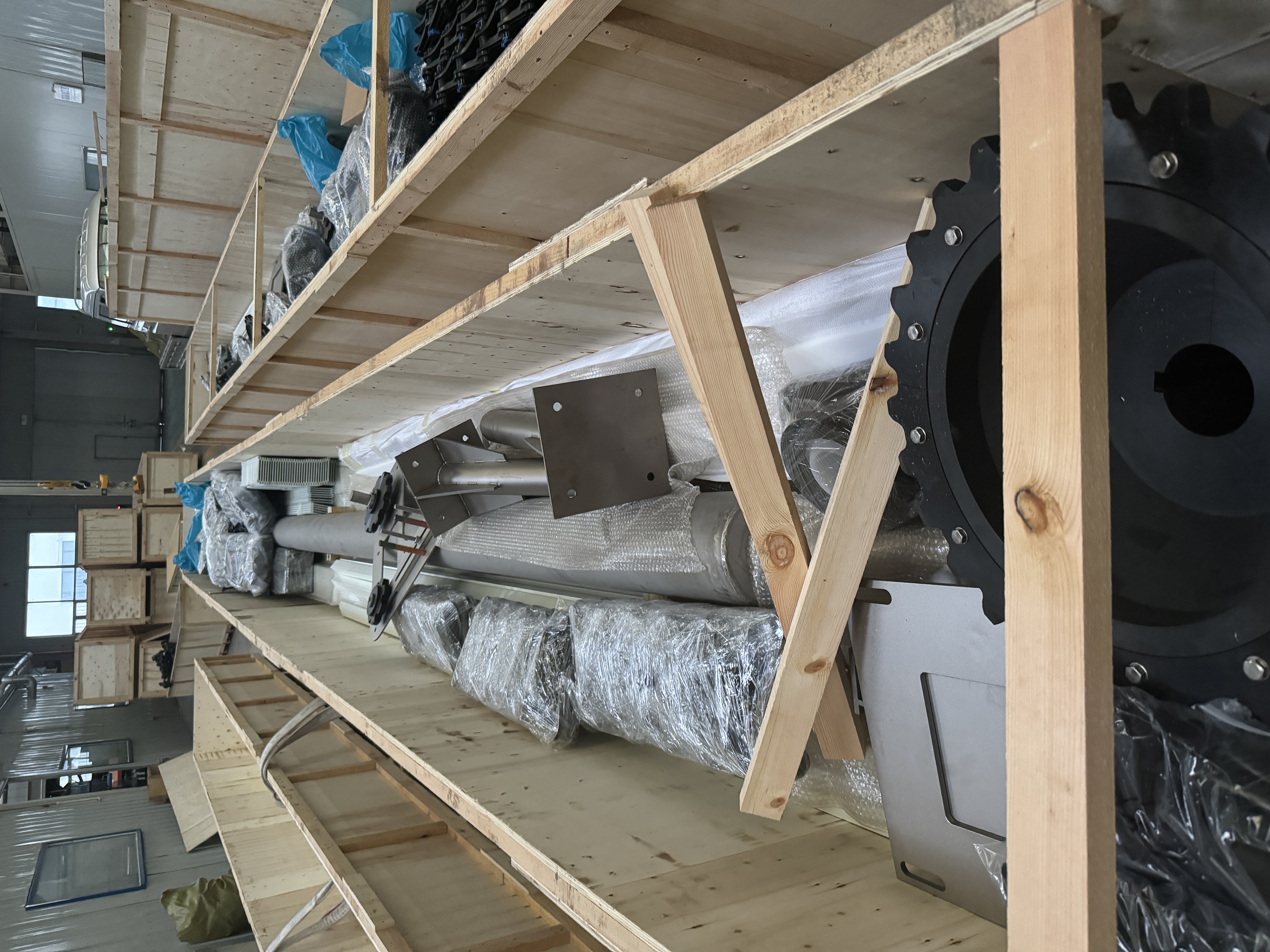
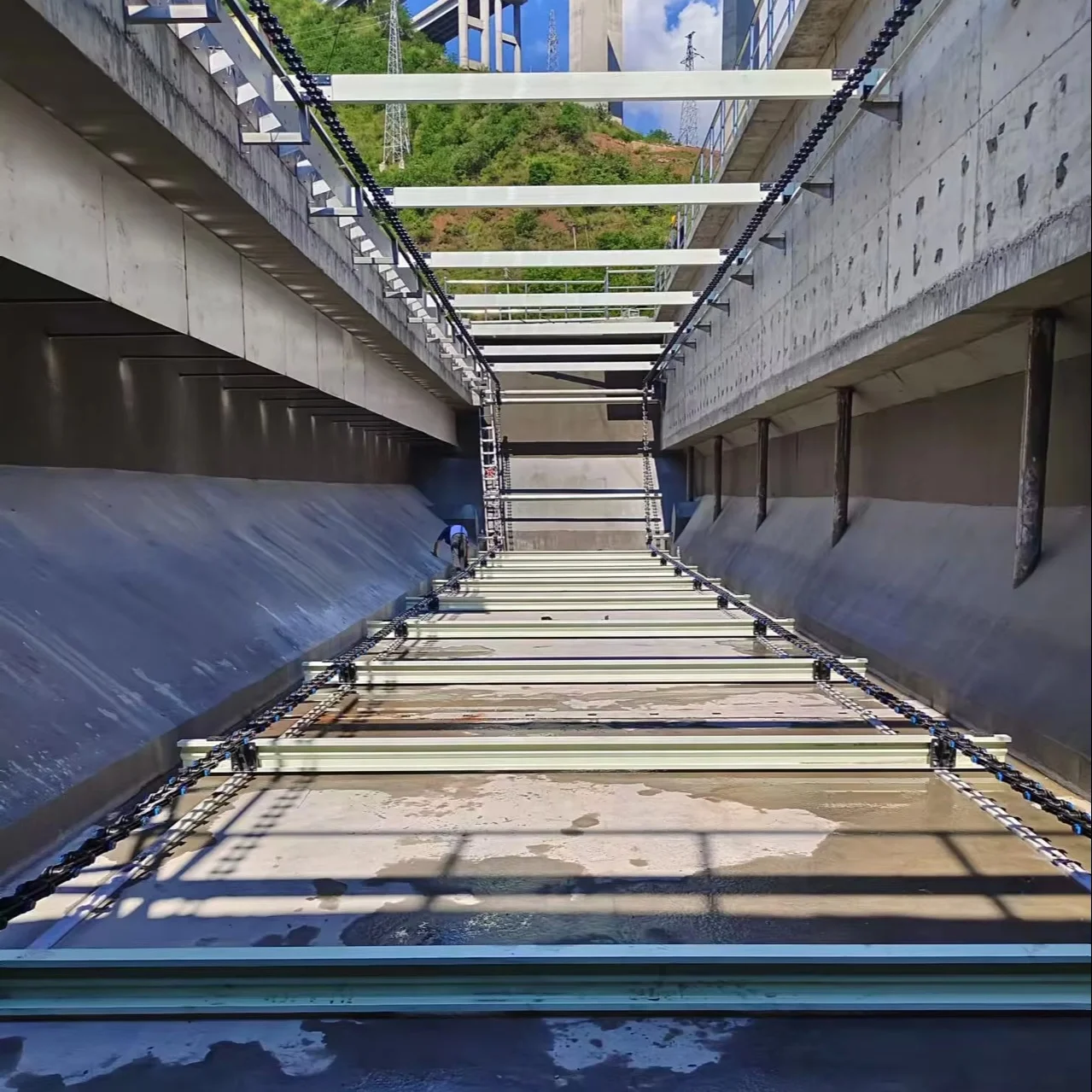
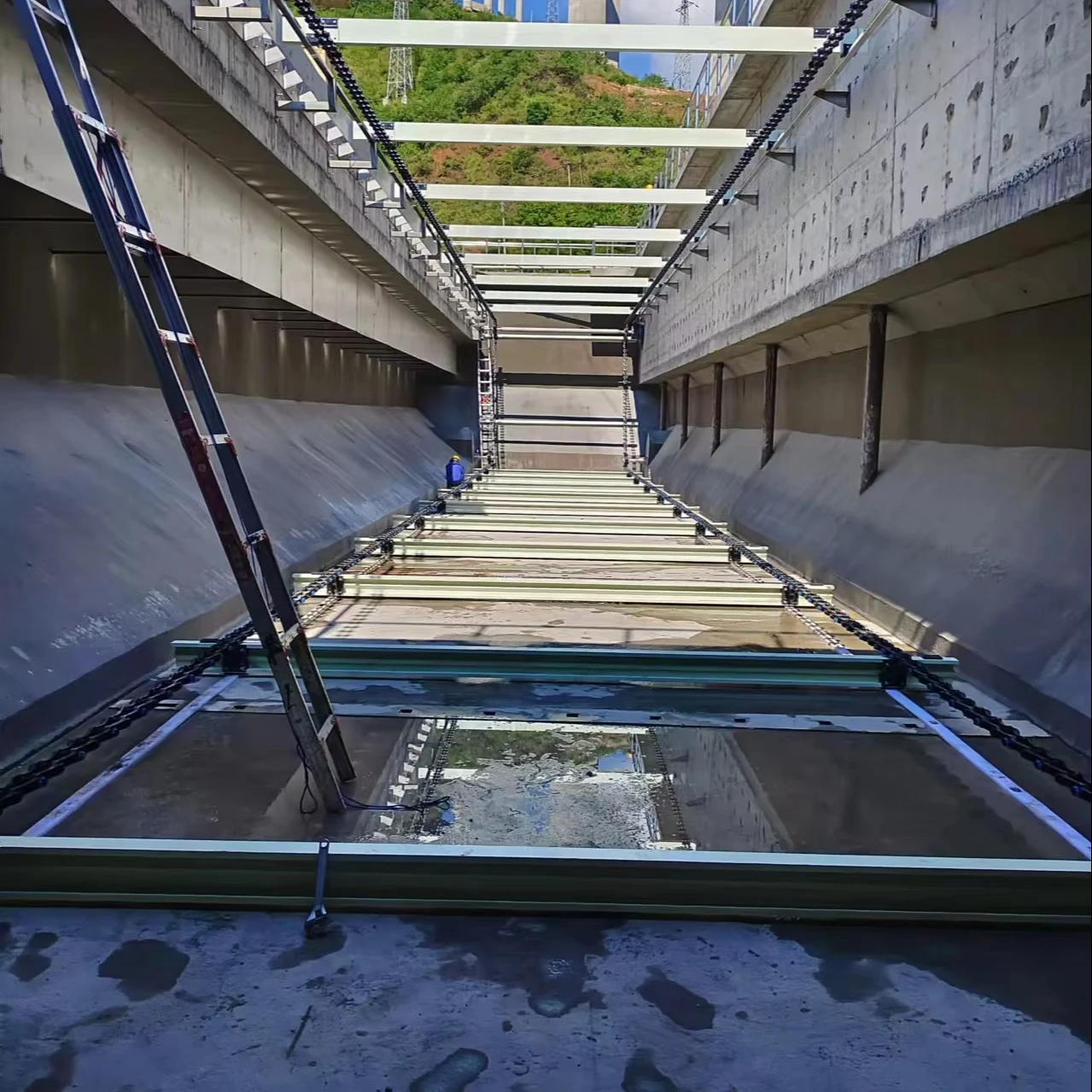
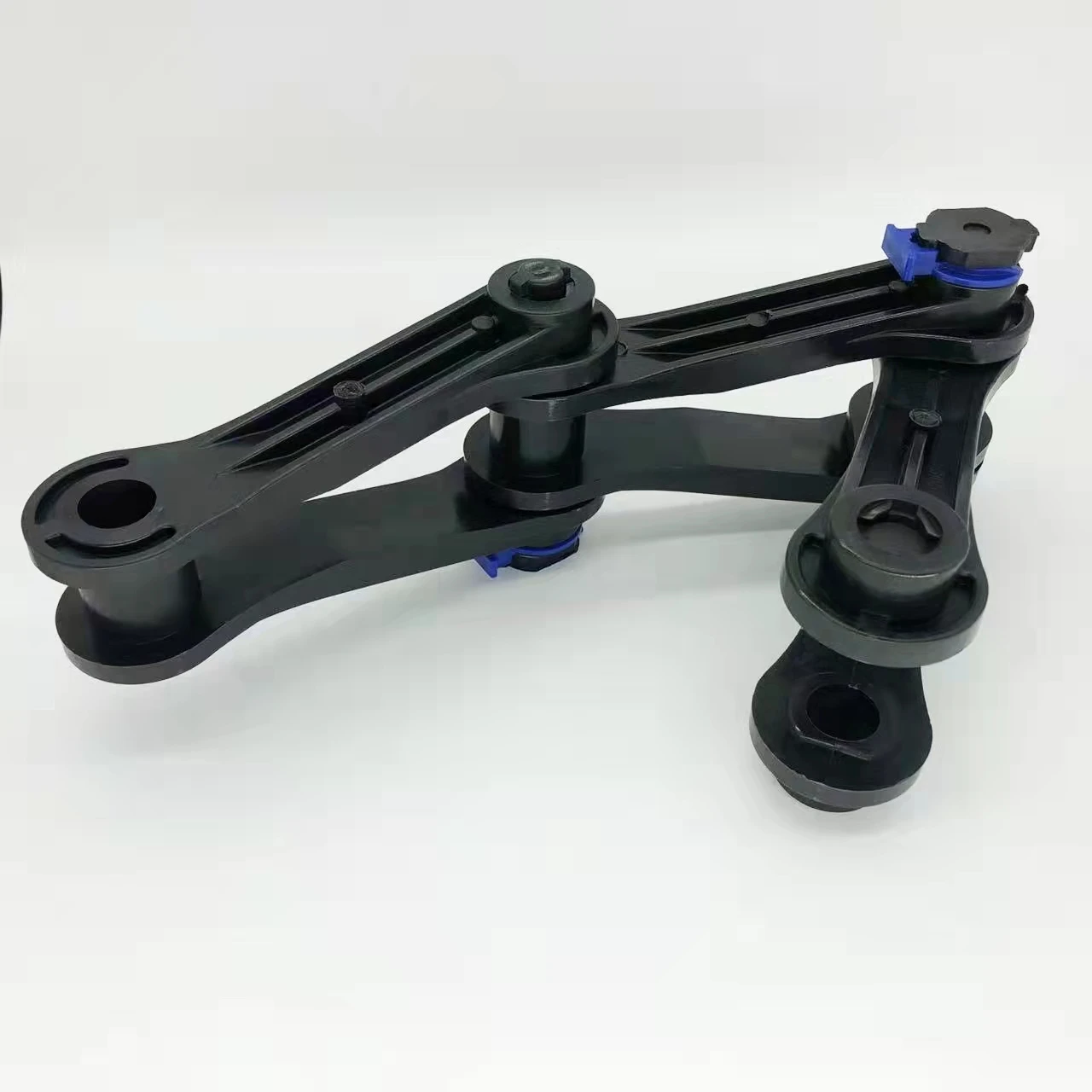
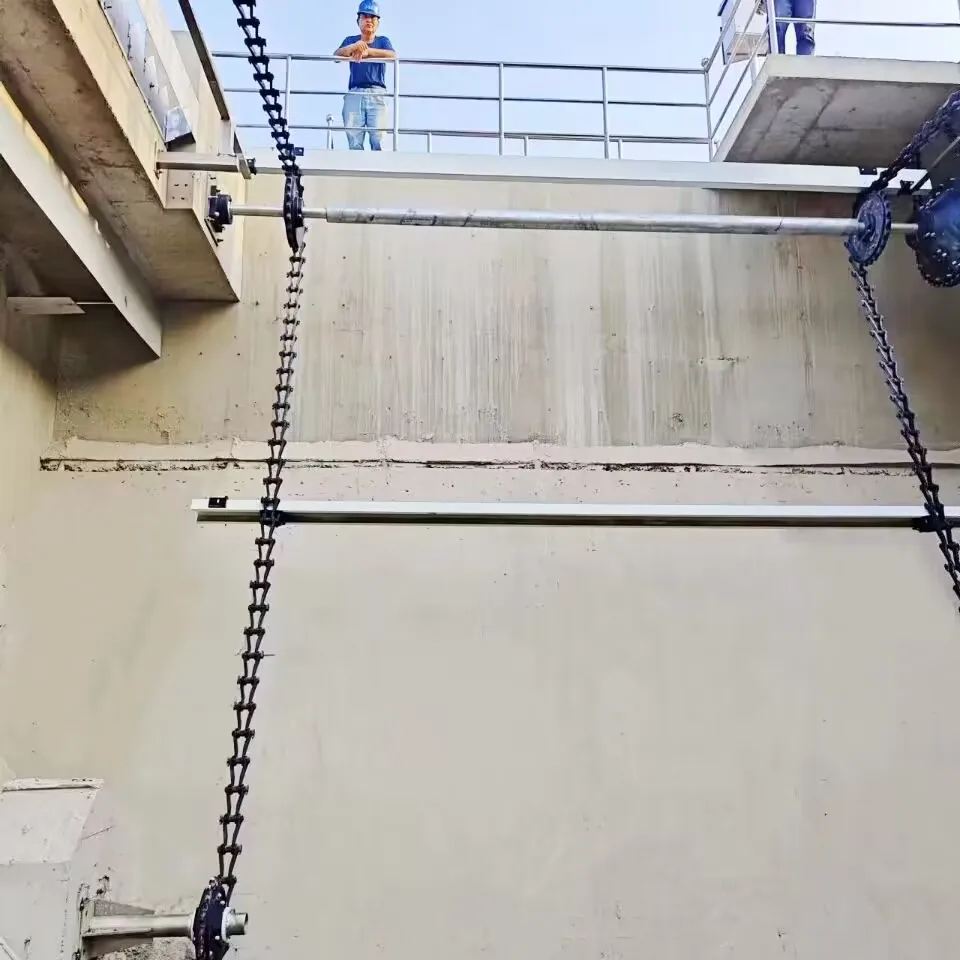
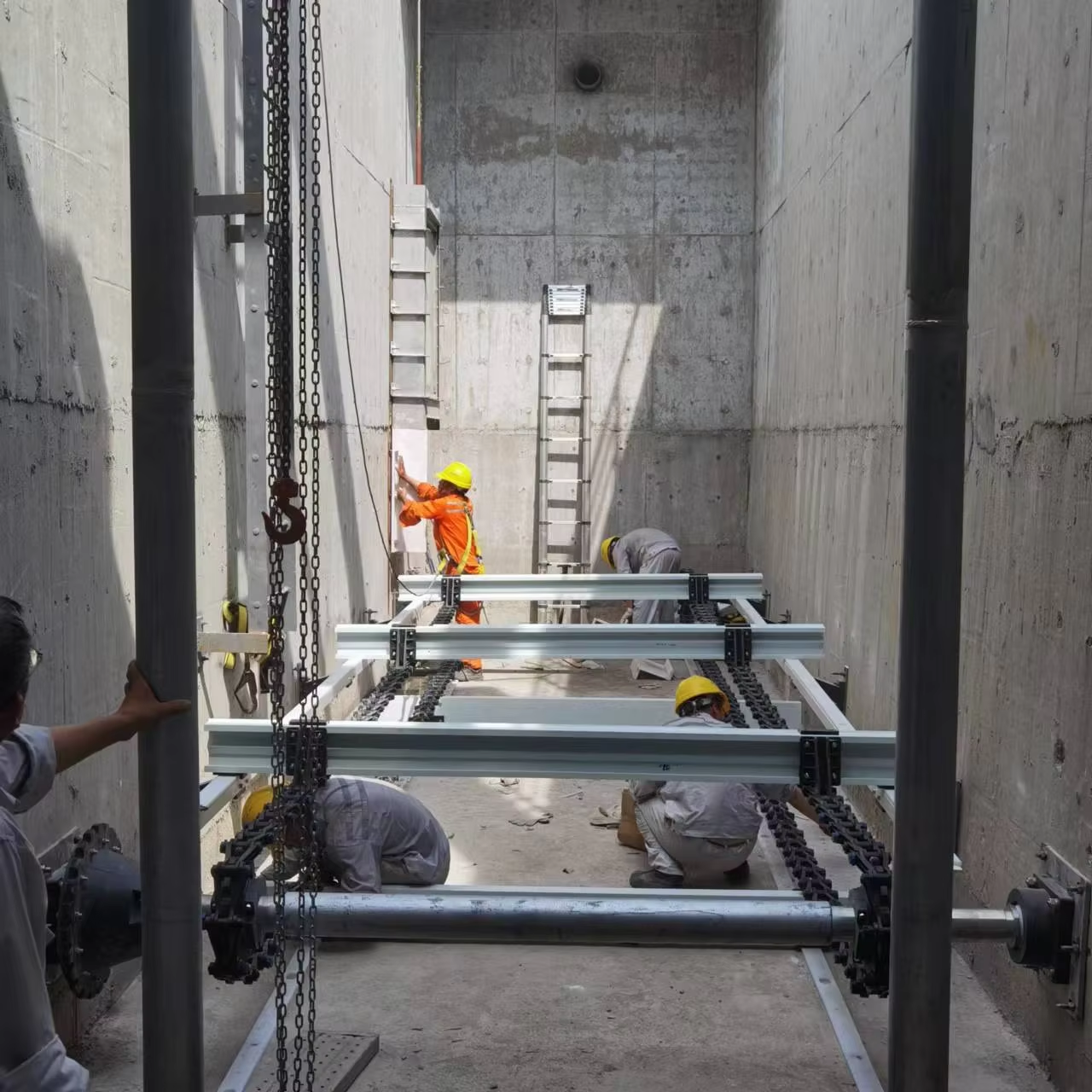
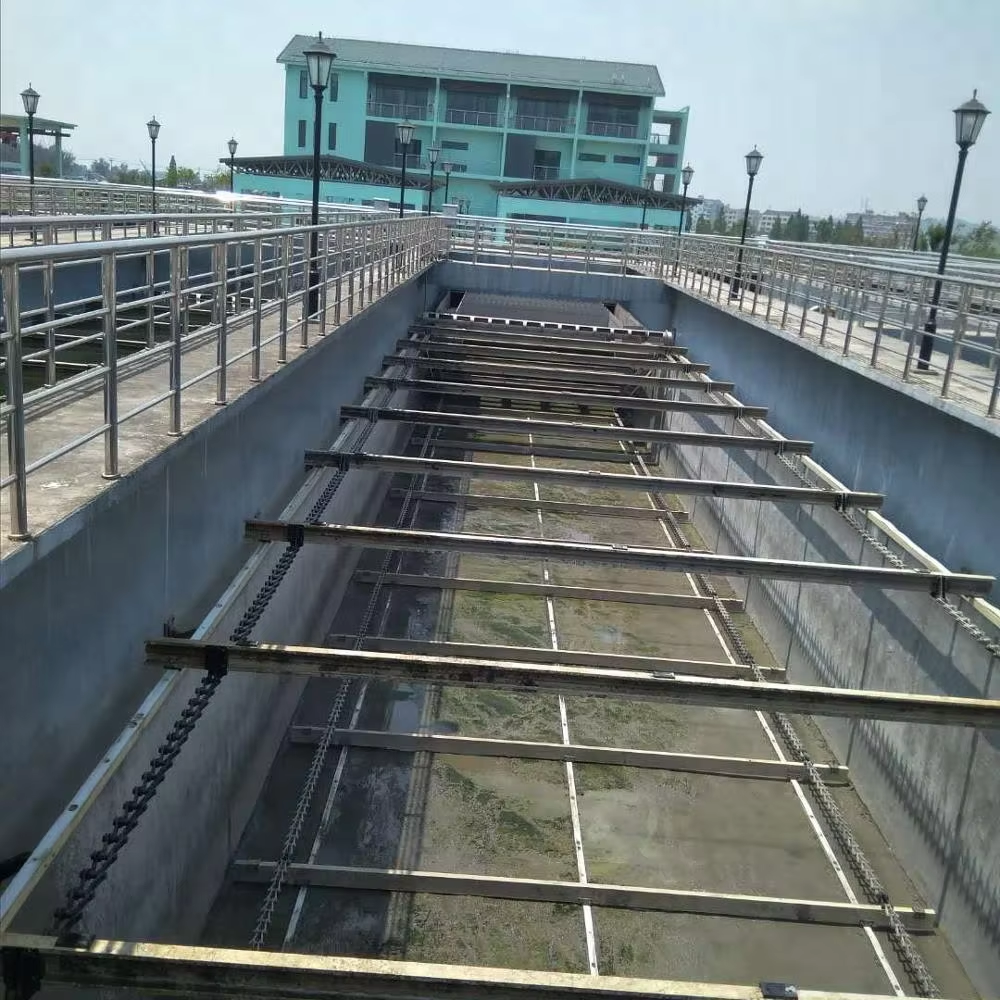
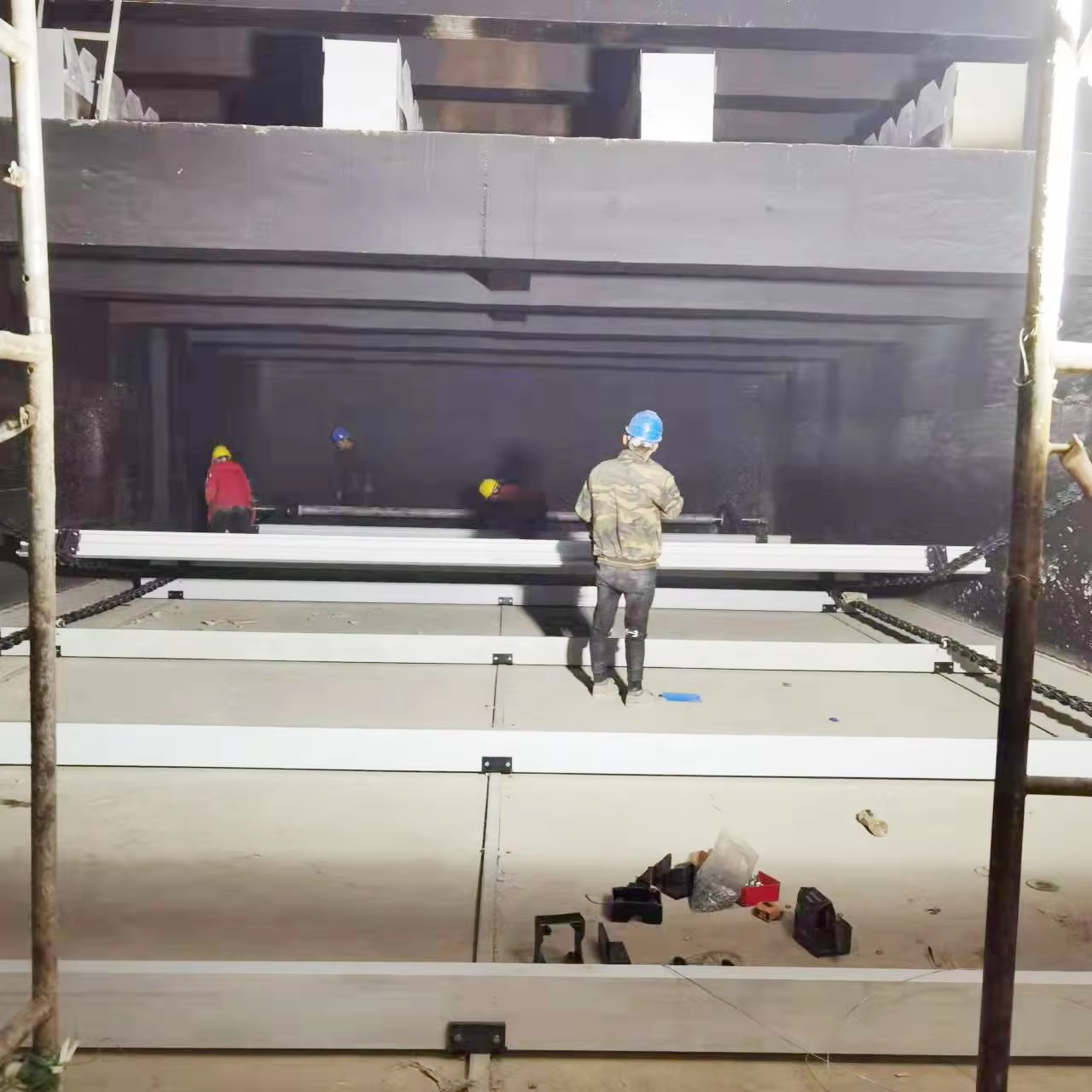
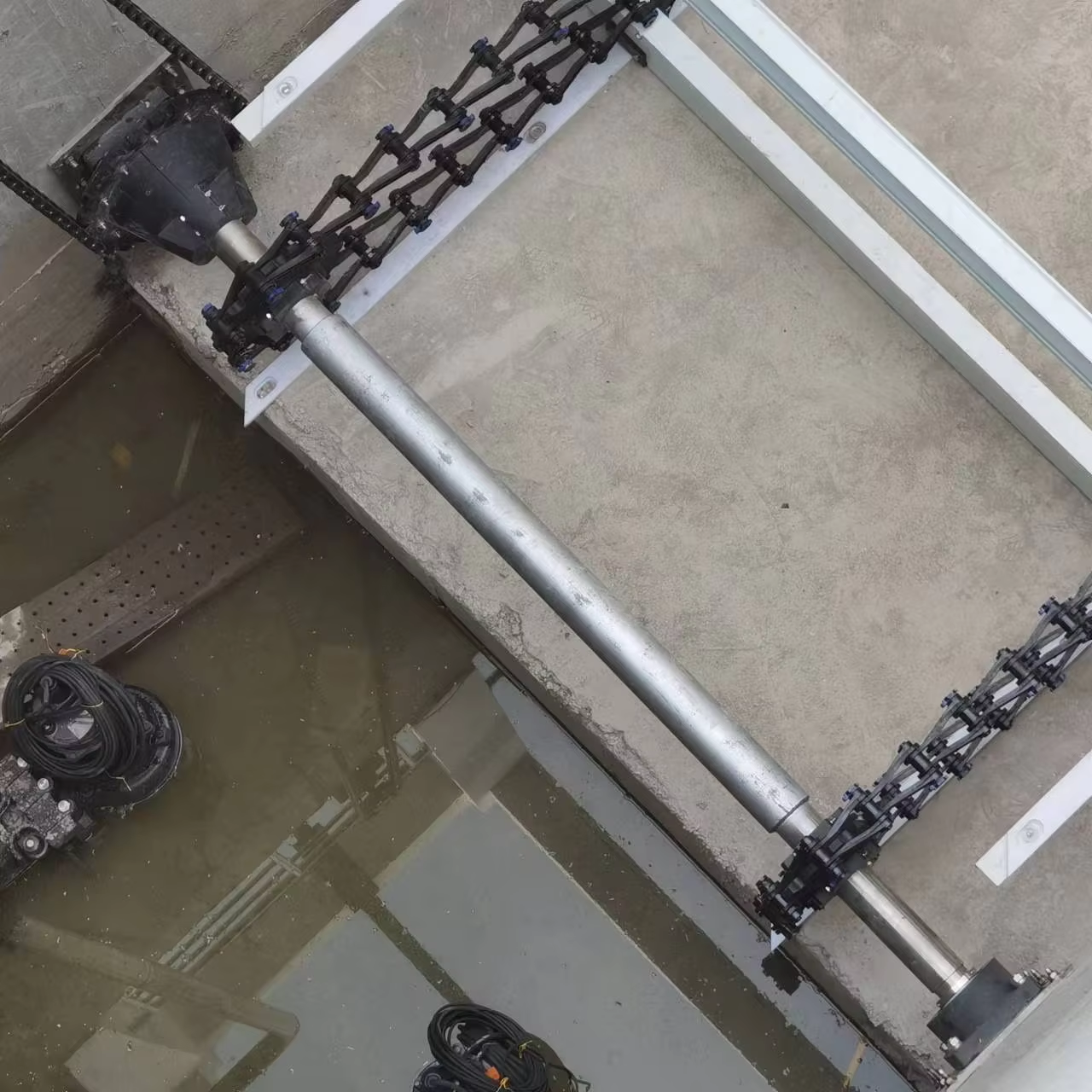
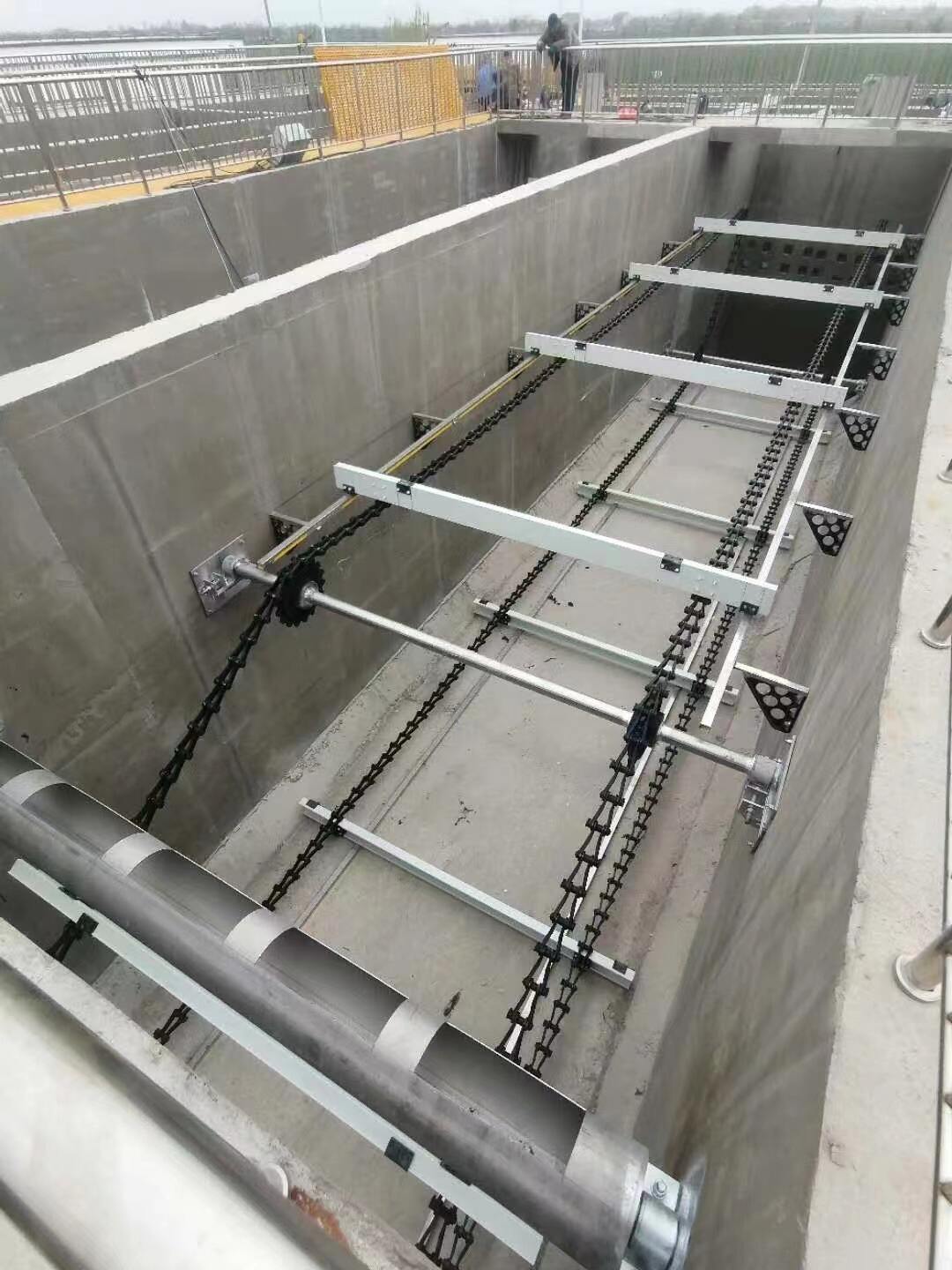
"Water and sewage treatment" encompasses two interconnected domains: the treatment of raw water to make it potable (water treatment) and the treatment of wastewater before its discharge or reuse (sewage treatment). While this keyword often colloquially refers to the latter, a holistic view considers the entire urban water cycle. In a municipal context, a public works department manages both. Water treatment plants intake water from rivers, lakes, or aquifers and remove sediments, pathogens, and other impurities through processes like coagulation, flocculation, sedimentation, filtration, and disinfection to produce safe drinking water. After use, the resulting wastewater is conveyed to a sewage treatment plant. Here, as detailed elsewhere, it undergoes preliminary, primary, secondary, and often tertiary treatment to remove pollutants before the cleaned effluent is returned to a water body. A key point of synergy between the two is the sedimentation process. Both water treatment plants (in their settling basins after coagulation) and sewage treatment plants (in primary and secondary clarifiers) rely heavily on sedimentation tanks equipped with robust sludge collection mechanisms. The challenges of abrasion and corrosion from water and chemical additives are common to both. Therefore, the equipment used, particularly sludge scrapers, must be engineered for high performance and extreme durability. We supply superior non-metallic scraper systems that meet this exacting demand. They are perfectly suited for the sedimentation tanks in both water and sewage treatment facilities, offering unparalleled resistance to chemical attack and wear, ensuring consistent process performance, and significantly reducing lifecycle costs through minimal maintenance requirements. To discuss applications for both water and sewage treatment sedimentation units, please contact us for expert advice and product specifications.