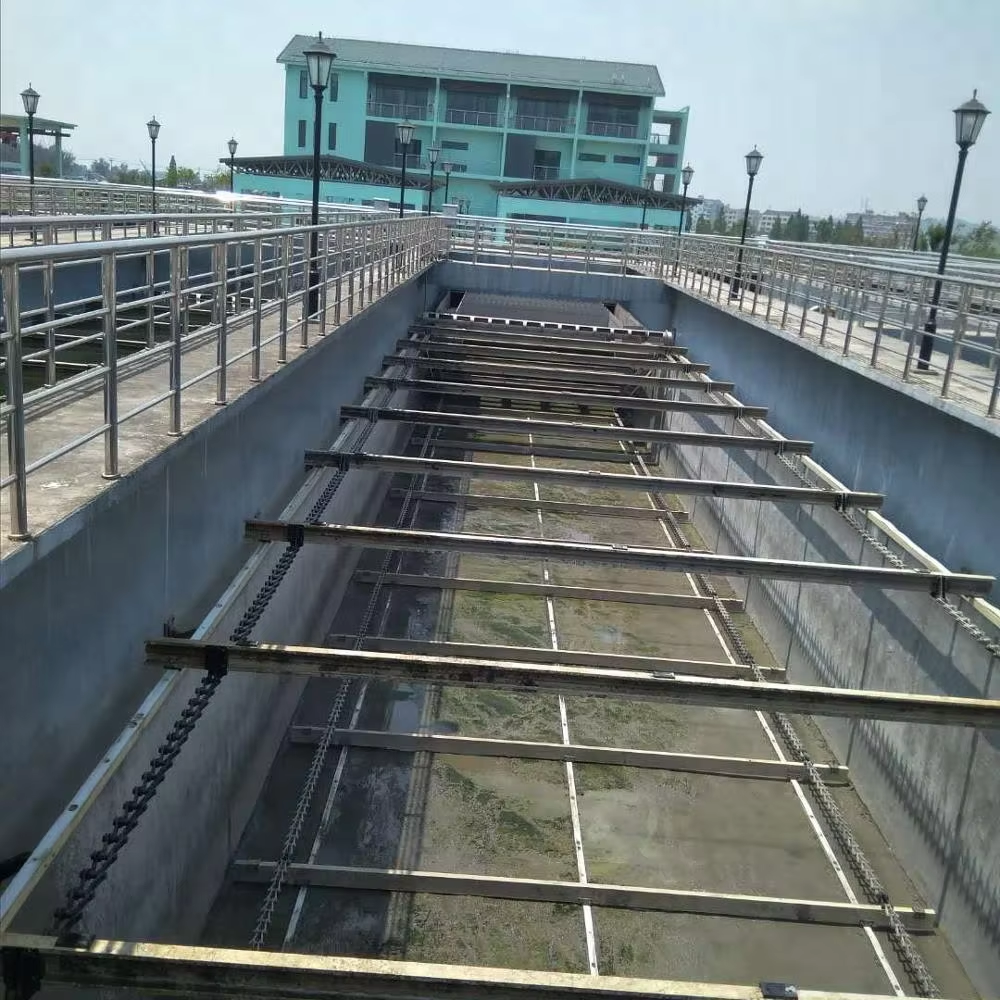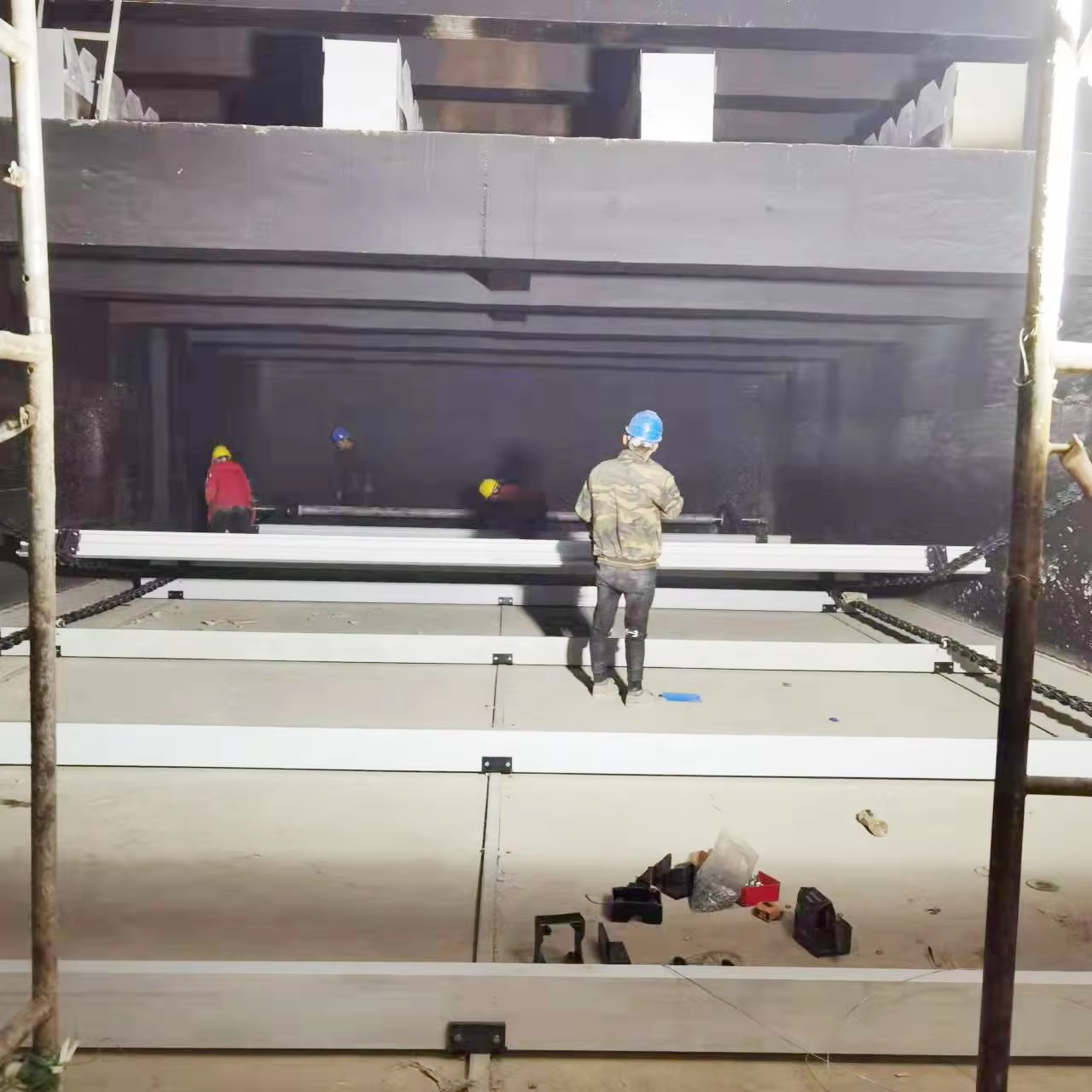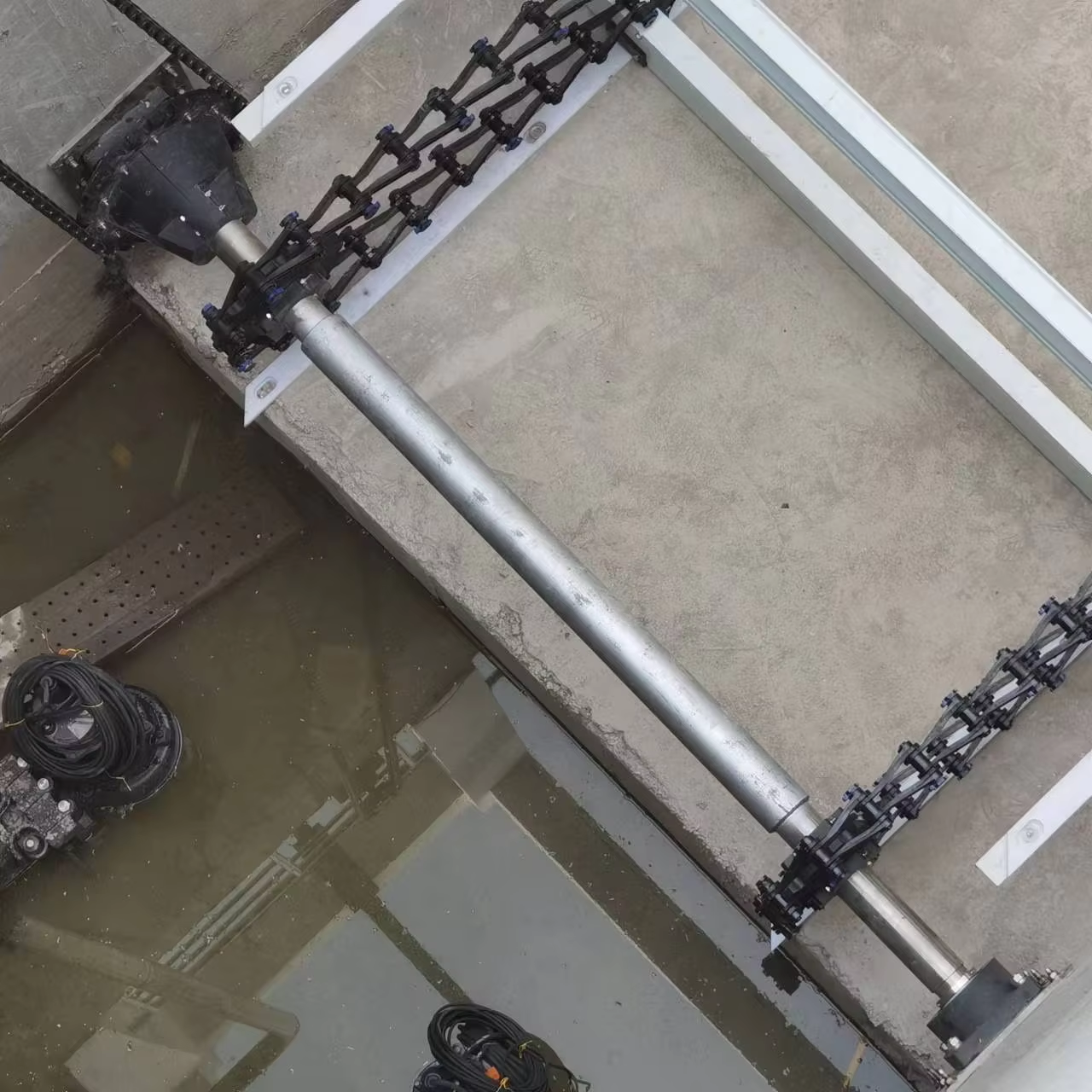
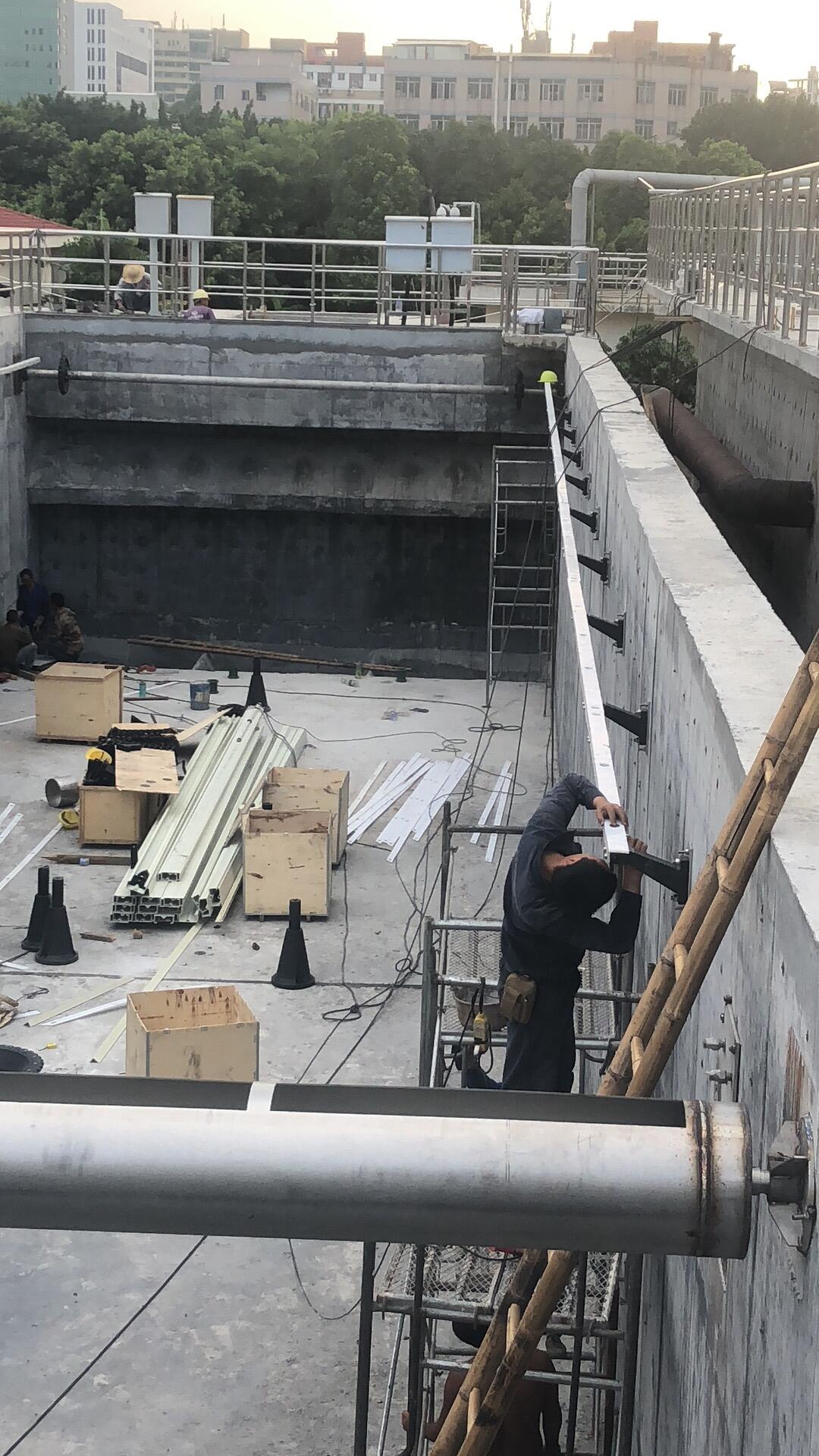
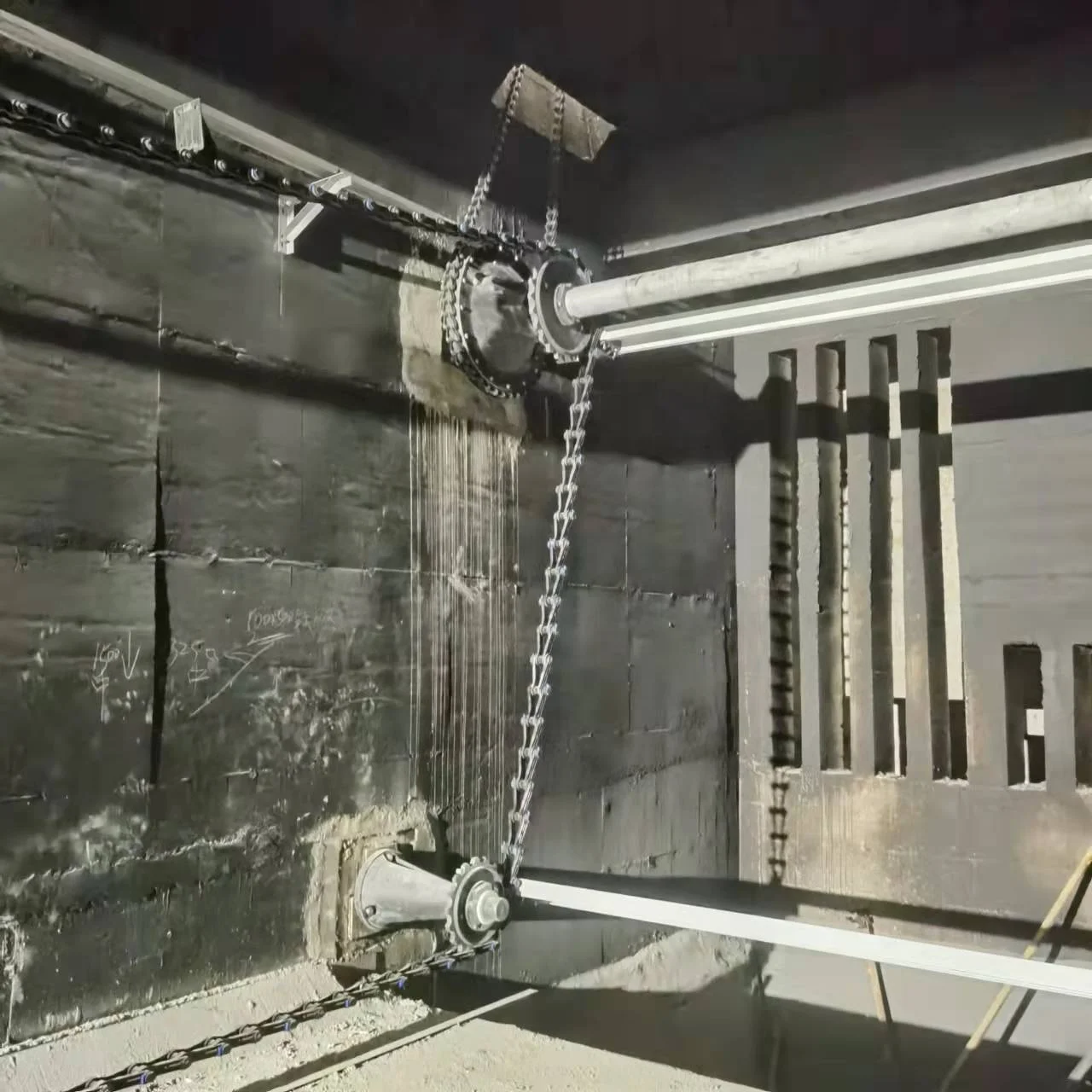
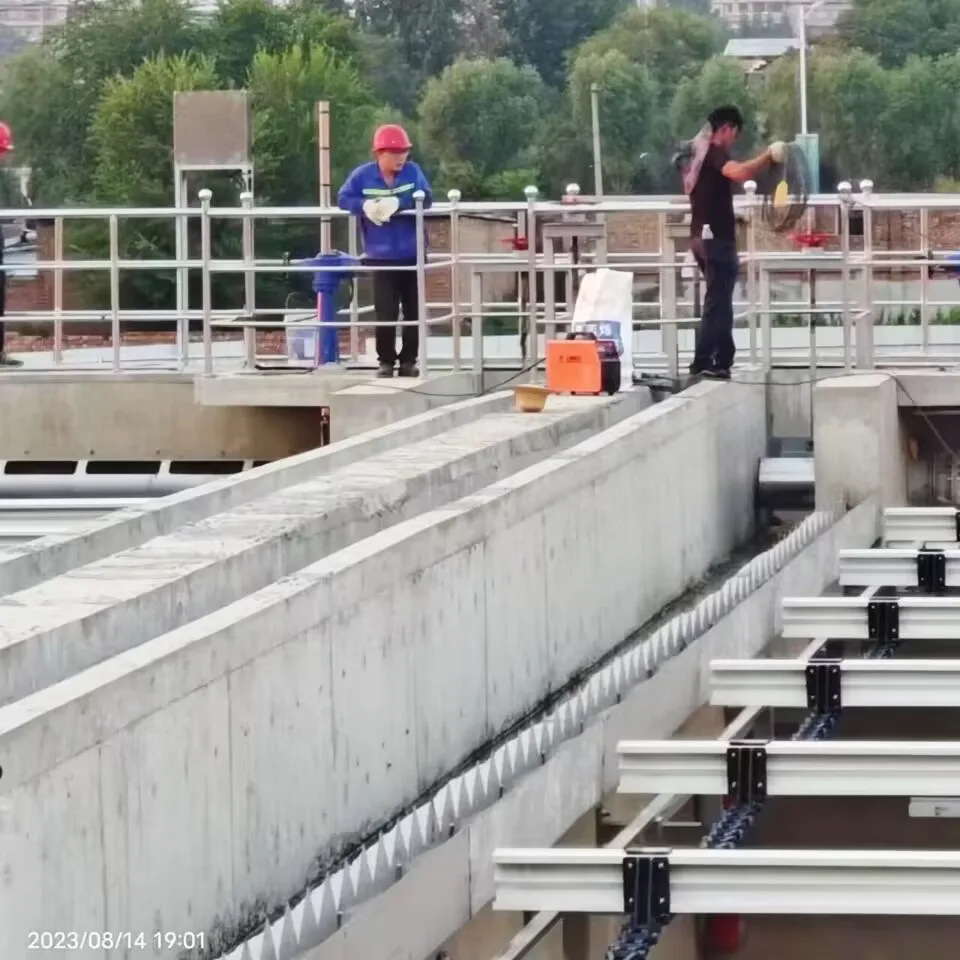
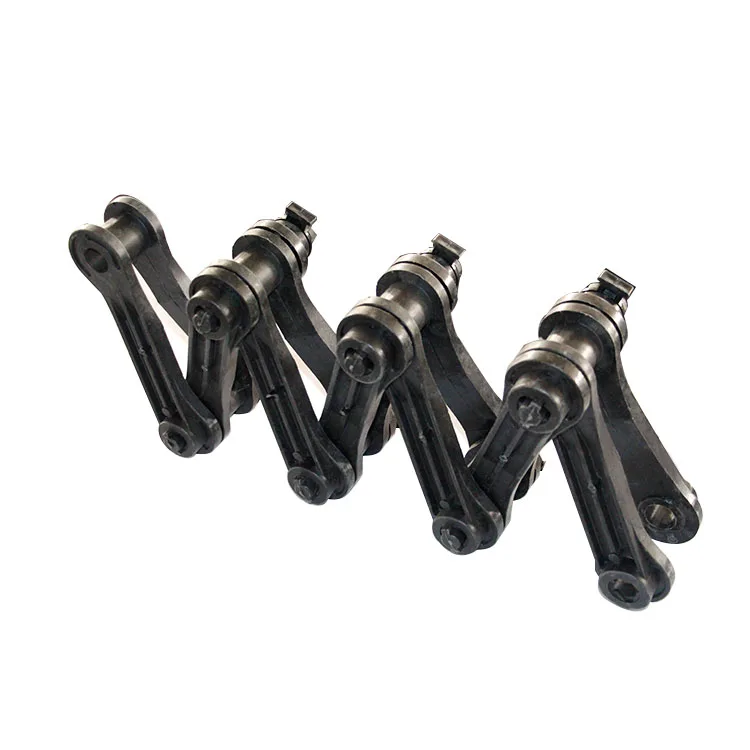
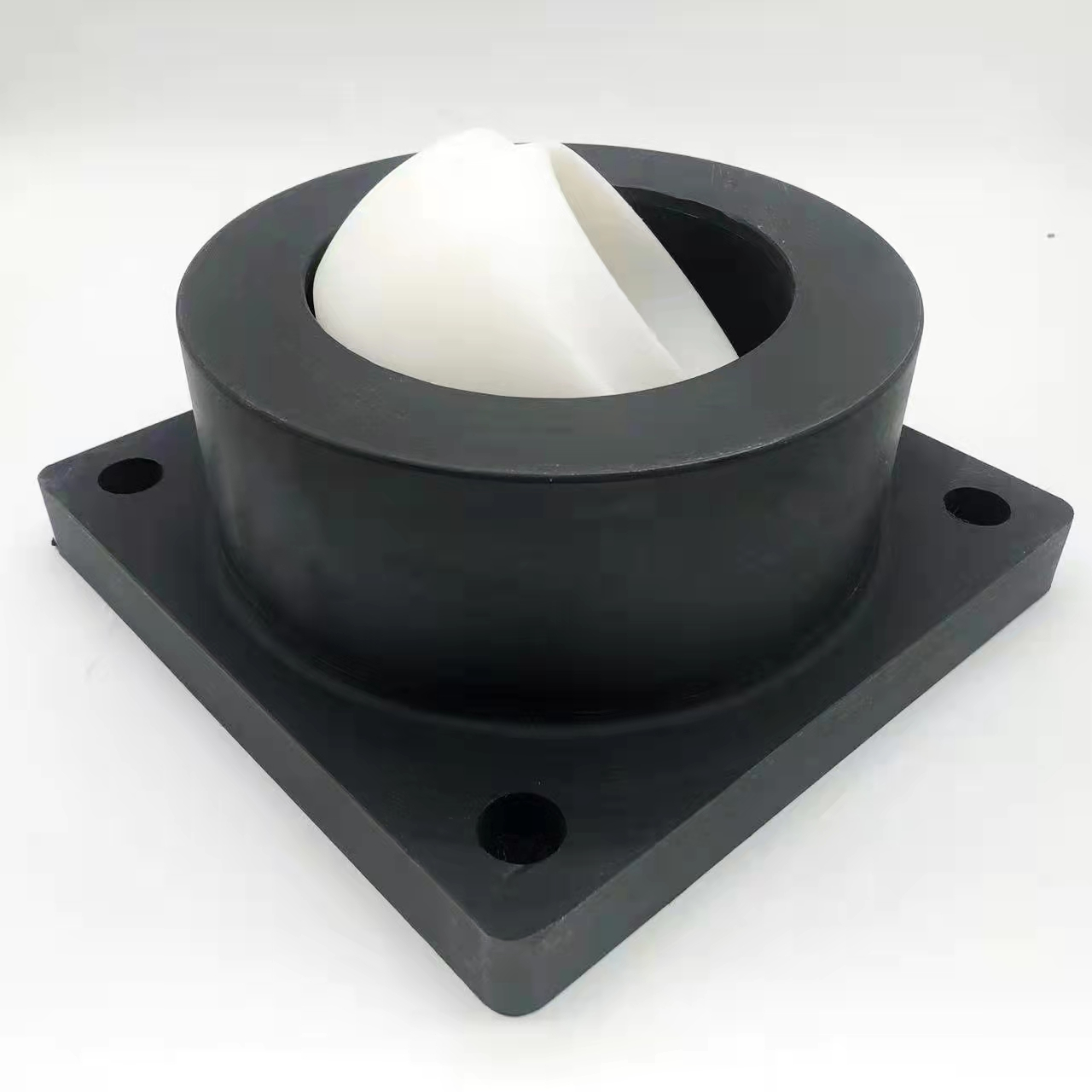
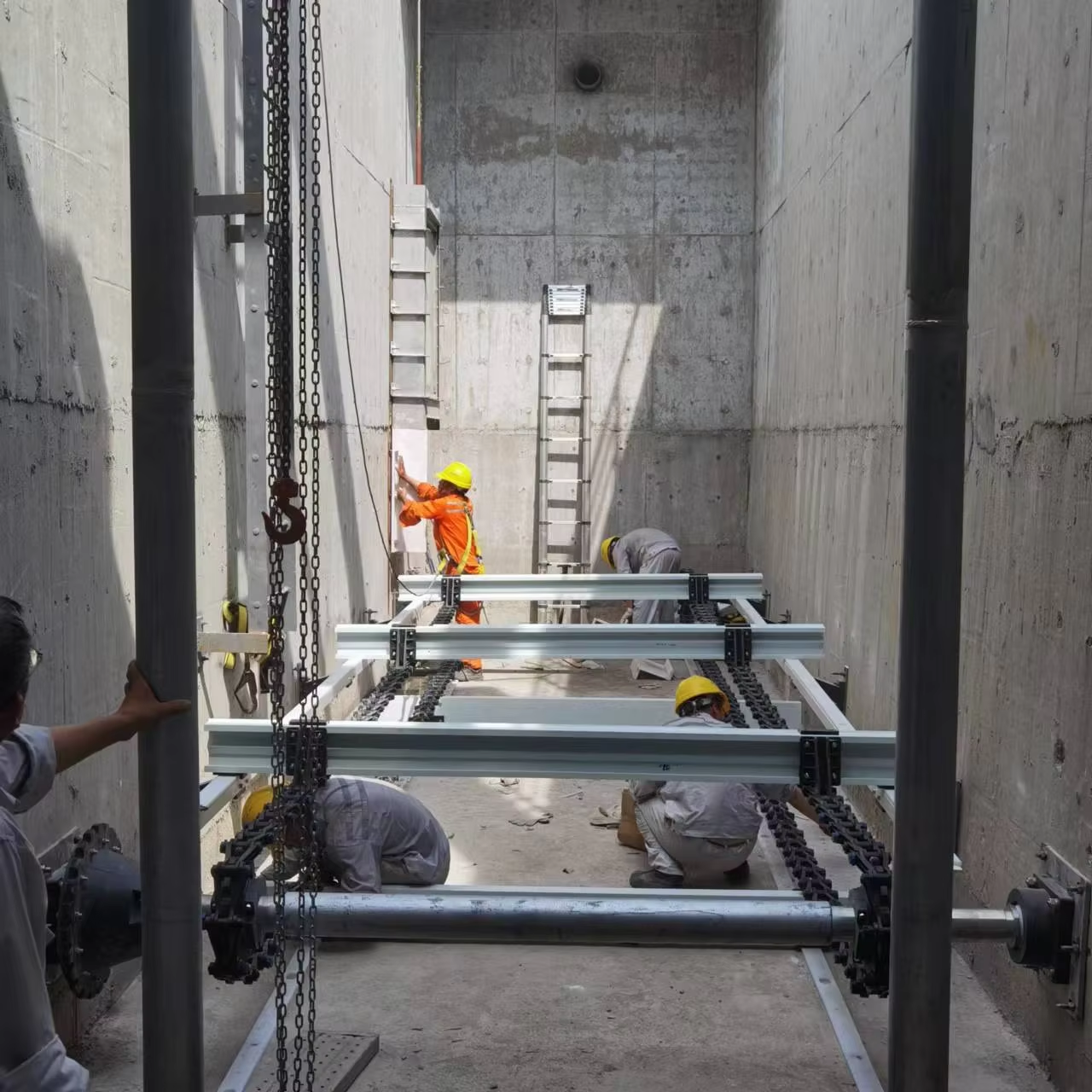
A sewage system, also known as a sewerage system, is the extensive underground infrastructure network responsible for collecting and transporting wastewater from its sources (toilets, sinks, showers, industrial drains) to a treatment plant. It is a capital-intensive and critically important public health system. There are primarily two types: combined systems that carry both sanitary sewage and stormwater runoff in the same pipe, and separate systems that have distinct pipelines for sewage and stormwater. A typical system comprises building laterals, branch sewers, main sewers, interceptors, and often pumping stations to lift wastewater over topographic obstacles. The design and maintenance of this network are complex challenges. Issues such as blockages, infiltration of groundwater, inflow from stormwater, pipe corrosion, and root intrusion are common. A well-maintained sewage system is vital to prevent sanitary sewer overflows (SSOs), which can bypass treatment and discharge raw sewage into the environment. While our company's primary expertise is not in the pipeline network itself, the effective operation of the sewage system is intrinsically linked to the headworks of the treatment plant. The preliminary treatment stage (screening and grit removal) is designed to protect the plant's equipment from the debris carried by the sewage system. Furthermore, the efficiency of the entire system culminates at the treatment plant's sedimentation tanks. Here, our products play a crucial role. The reliable removal of settled sludge by our high-performance scrapers is a key step in the treatment process that ultimately handles what the sewage system delivers. For comprehensive solutions regarding the treatment plant component of the sewage system, we welcome your contact.