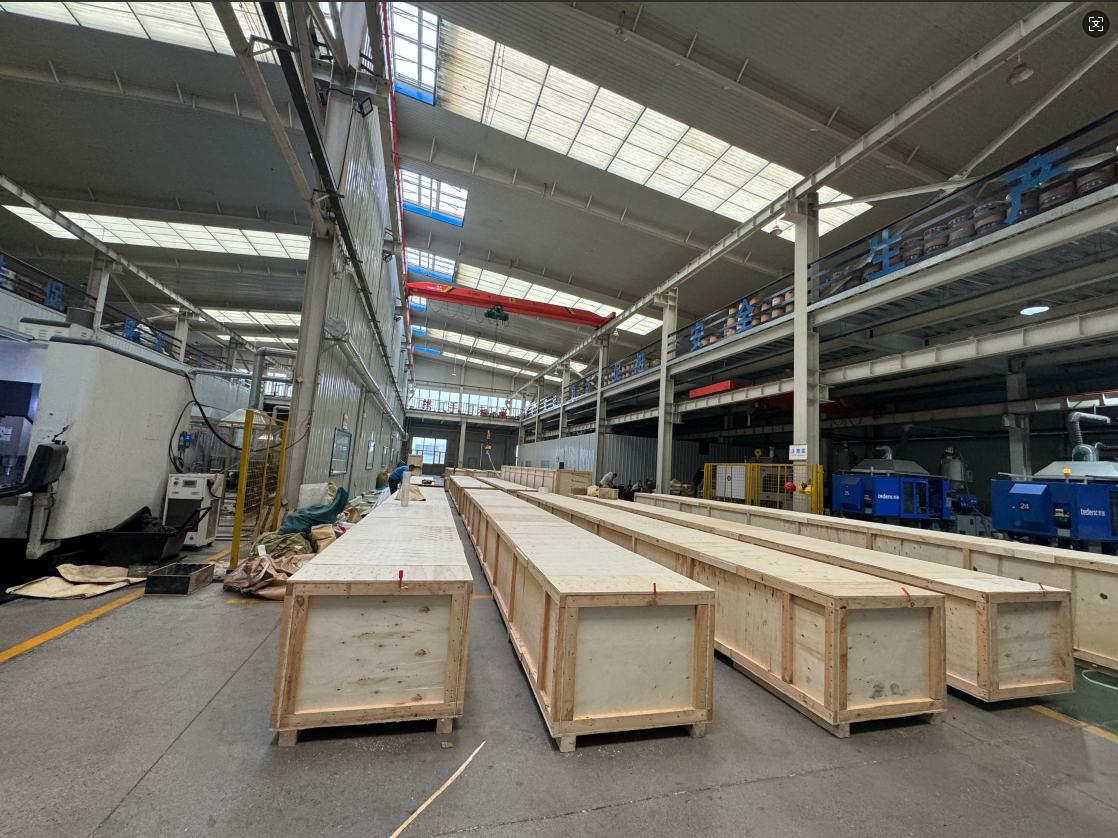
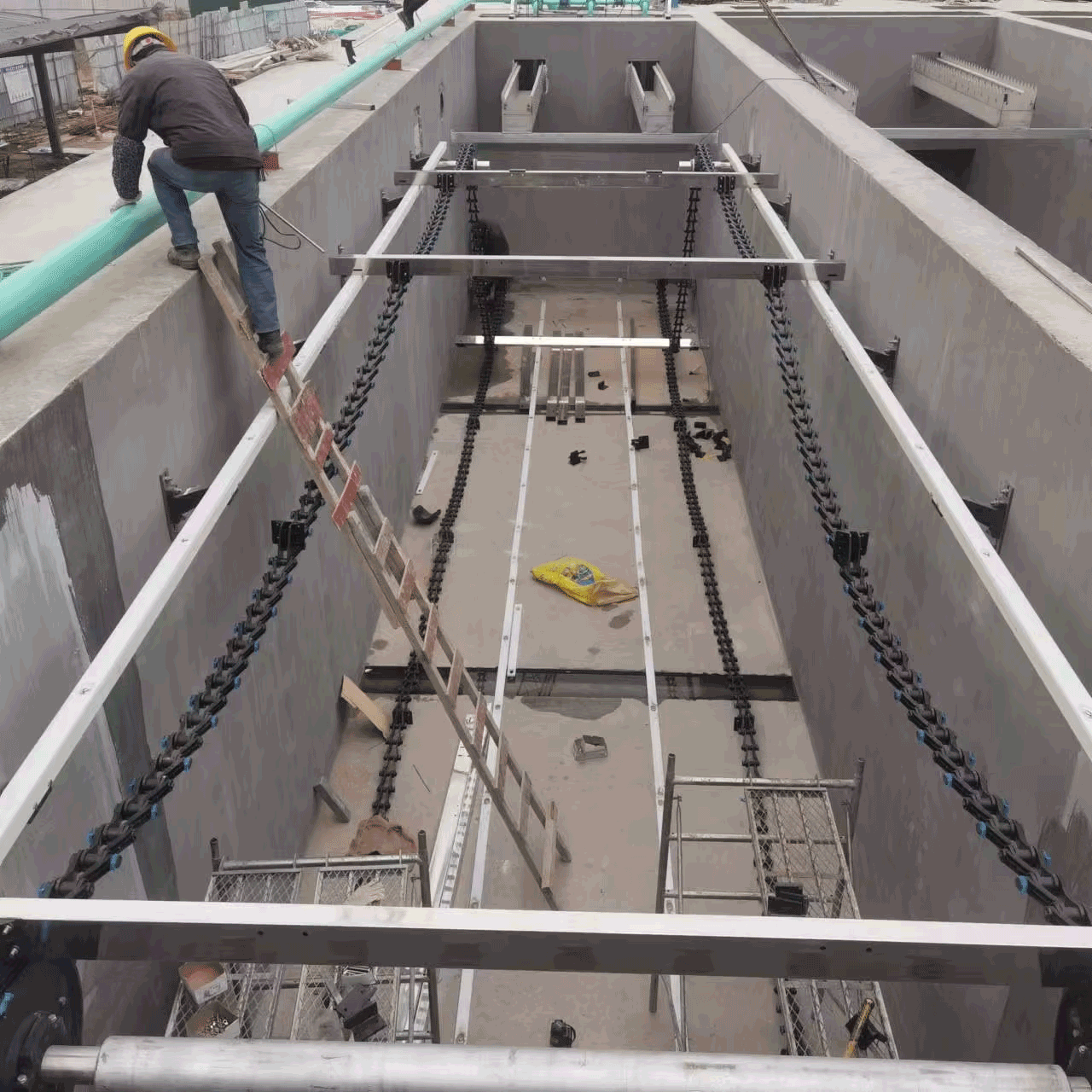
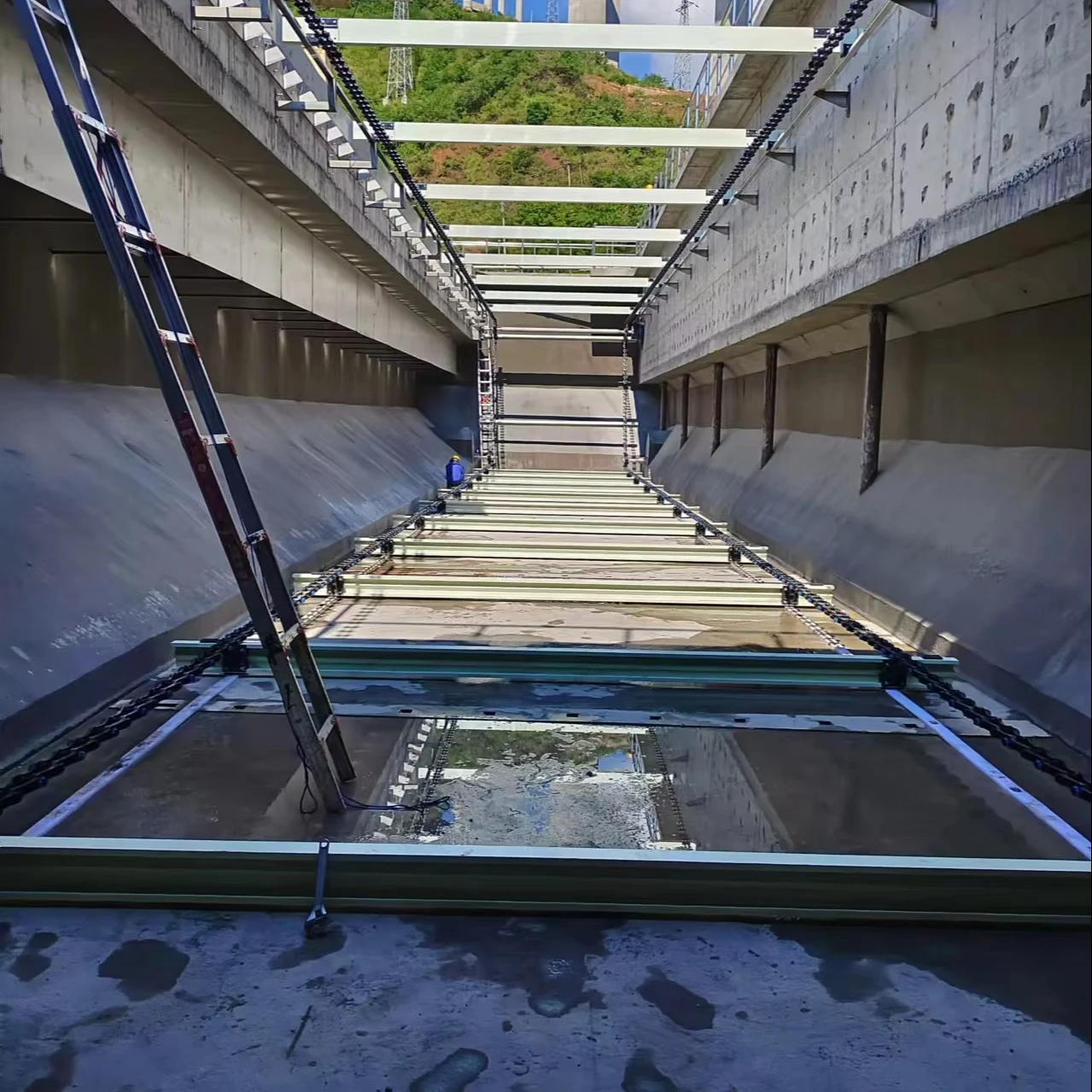
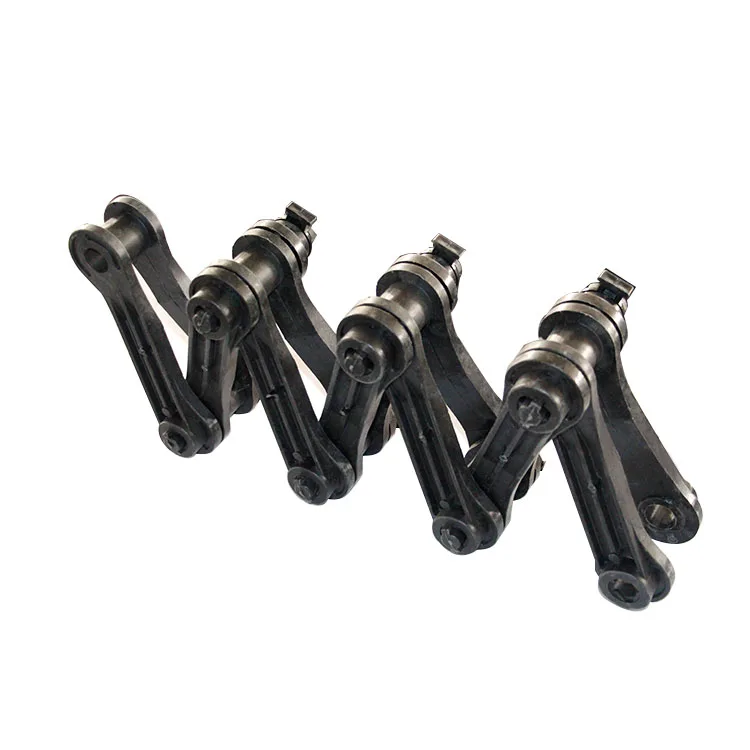
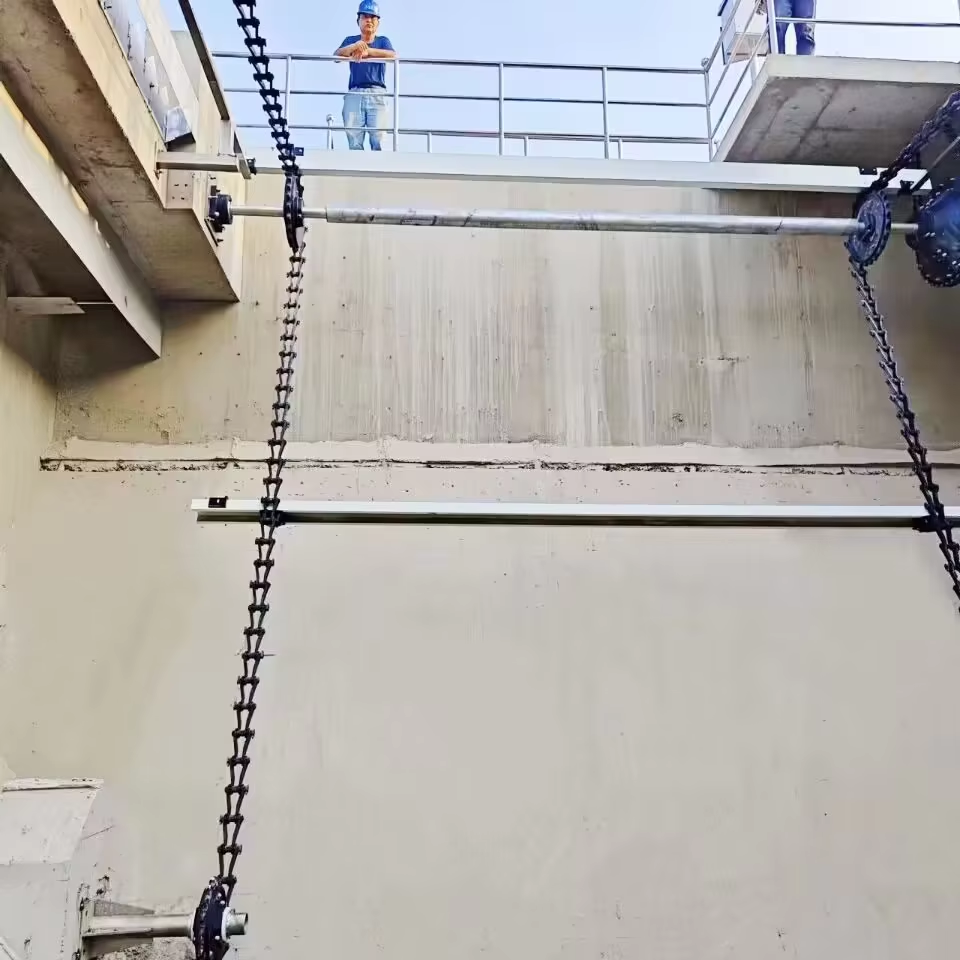
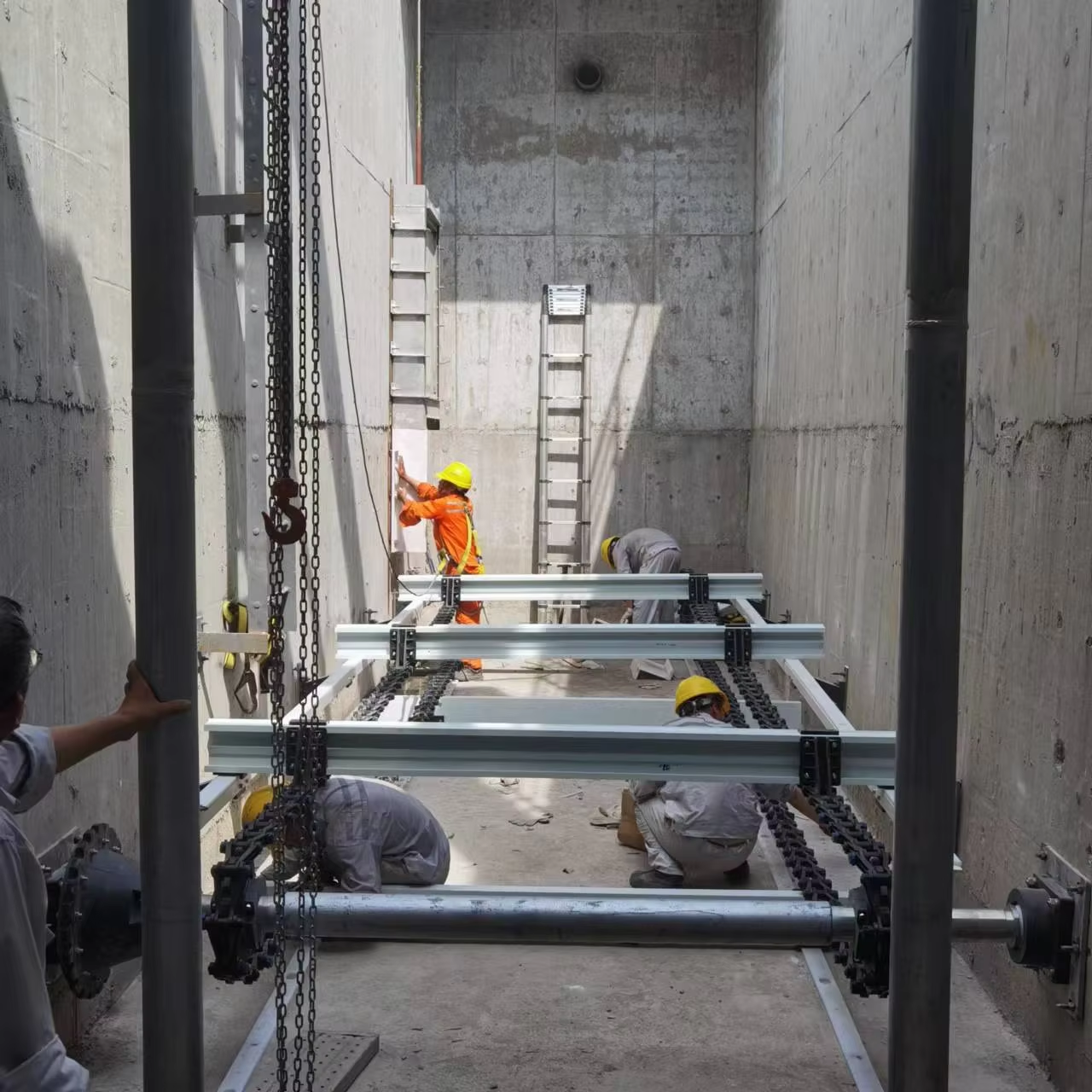
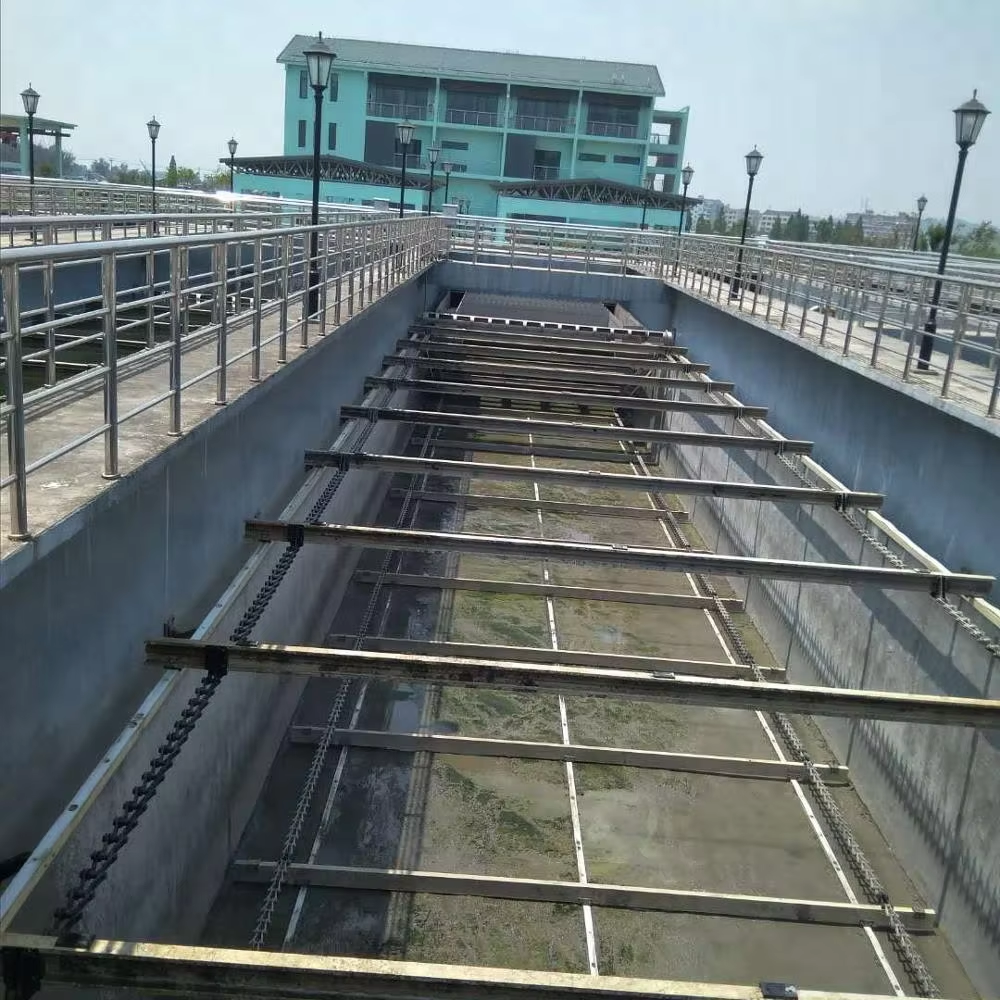
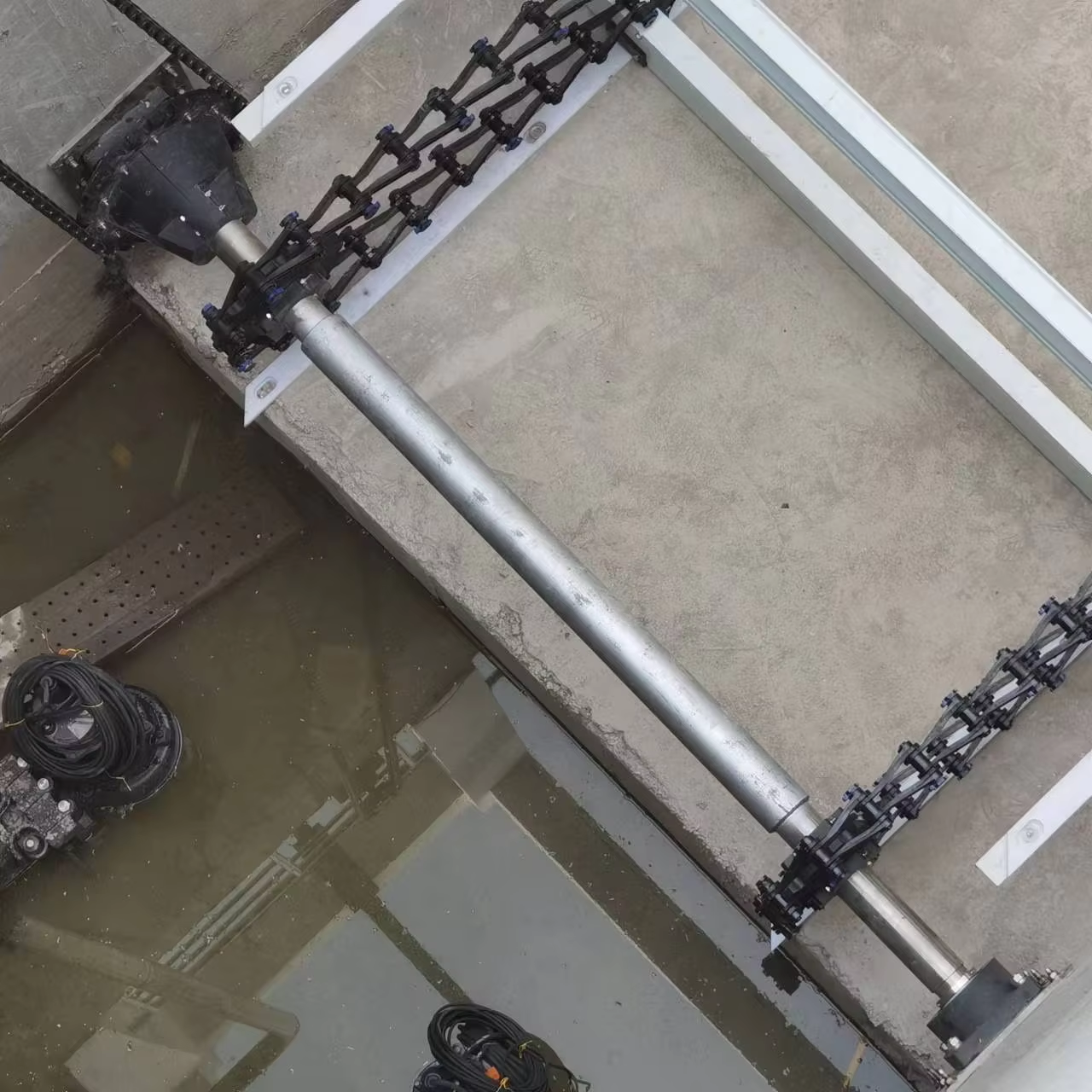
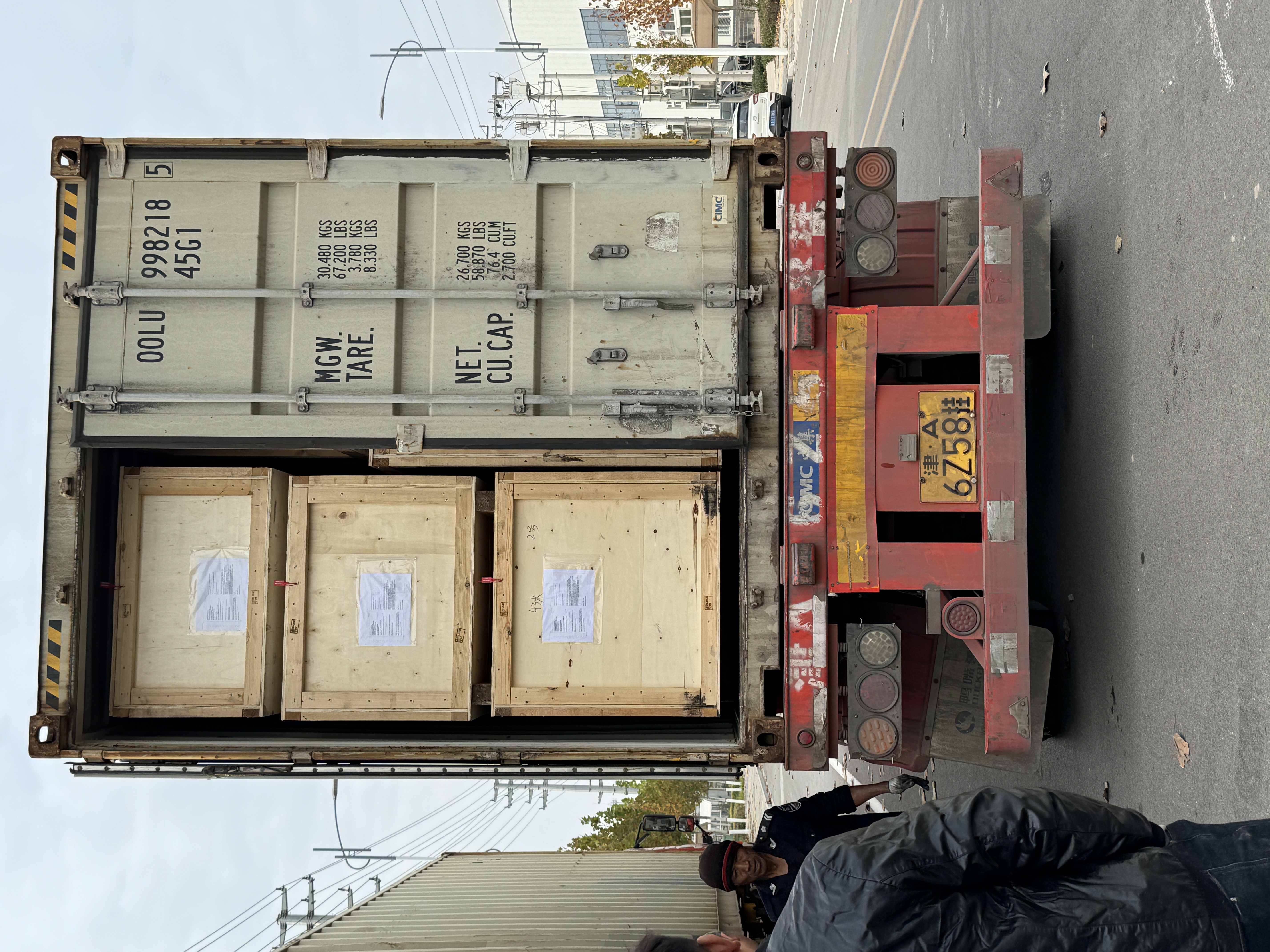
Tanks are the fundamental structural components of any sewage treatment plant, each serving a distinct and vital purpose in the multi-stage treatment process. The primary types include primary sedimentation tanks, aeration tanks, secondary clarifiers, and tertiary treatment tanks like chlorine contact tanks. Primary sedimentation tanks are designed to allow settleable organic solids to gravitationally separate from the raw wastewater, forming a layer of primary sludge at the bottom. Aeration tanks are where biological treatment occurs; they are equipped with diffusers or mechanical aerators to supply oxygen to microorganisms. Secondary clarifiers are perhaps the most critical tanks for process stability; they receive the mixed liquor from the aeration basin and allow the separation of the treated wastewater from the biological floc. The design and operation of these tanks, particularly the sedimentation units, are heavily reliant on the efficiency of their internal mechanical equipment. The sludge collector mechanism, often a bridge or chain-driven scraper system, must gently and consistently move the settled sludge towards a collection hopper for removal without causing resuspension. In corrosive environments, traditional metal scrapers can degrade, leading to frequent breakdowns and process downtime. This is addressed by utilizing scrapers fabricated from high-performance, corrosion-resistant polymers and composites. Our company specializes in manufacturing such non-metallic sludge scrapers, which offer exceptional durability, smooth operation, and an extended service life, directly protecting the integrity and performance of the treatment plant tank. The choice of scraper directly impacts tank efficiency and overall plant operational costs. To learn more about our tank scraper solutions, we invite you to contact our technical sales department for detailed information.