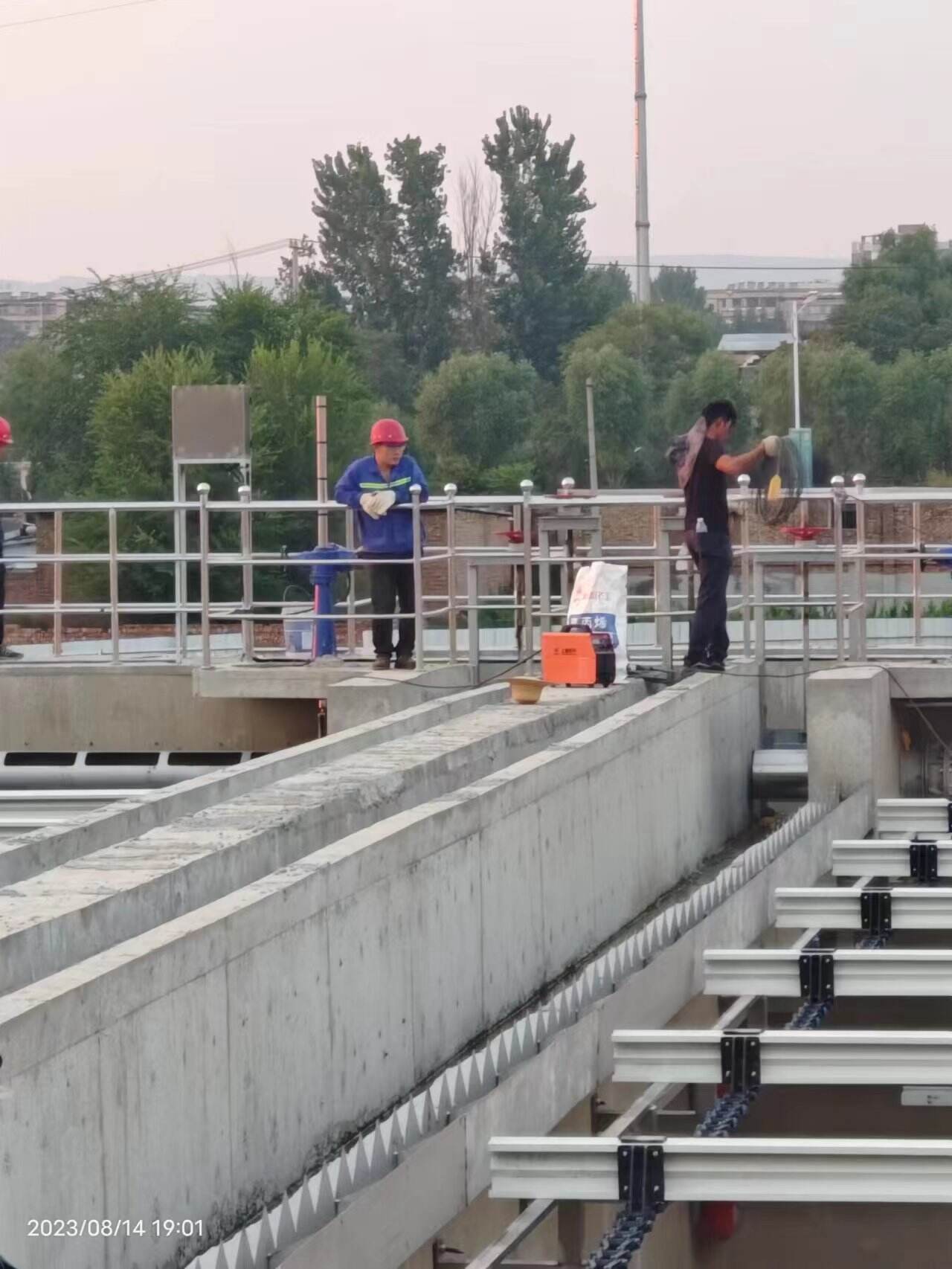
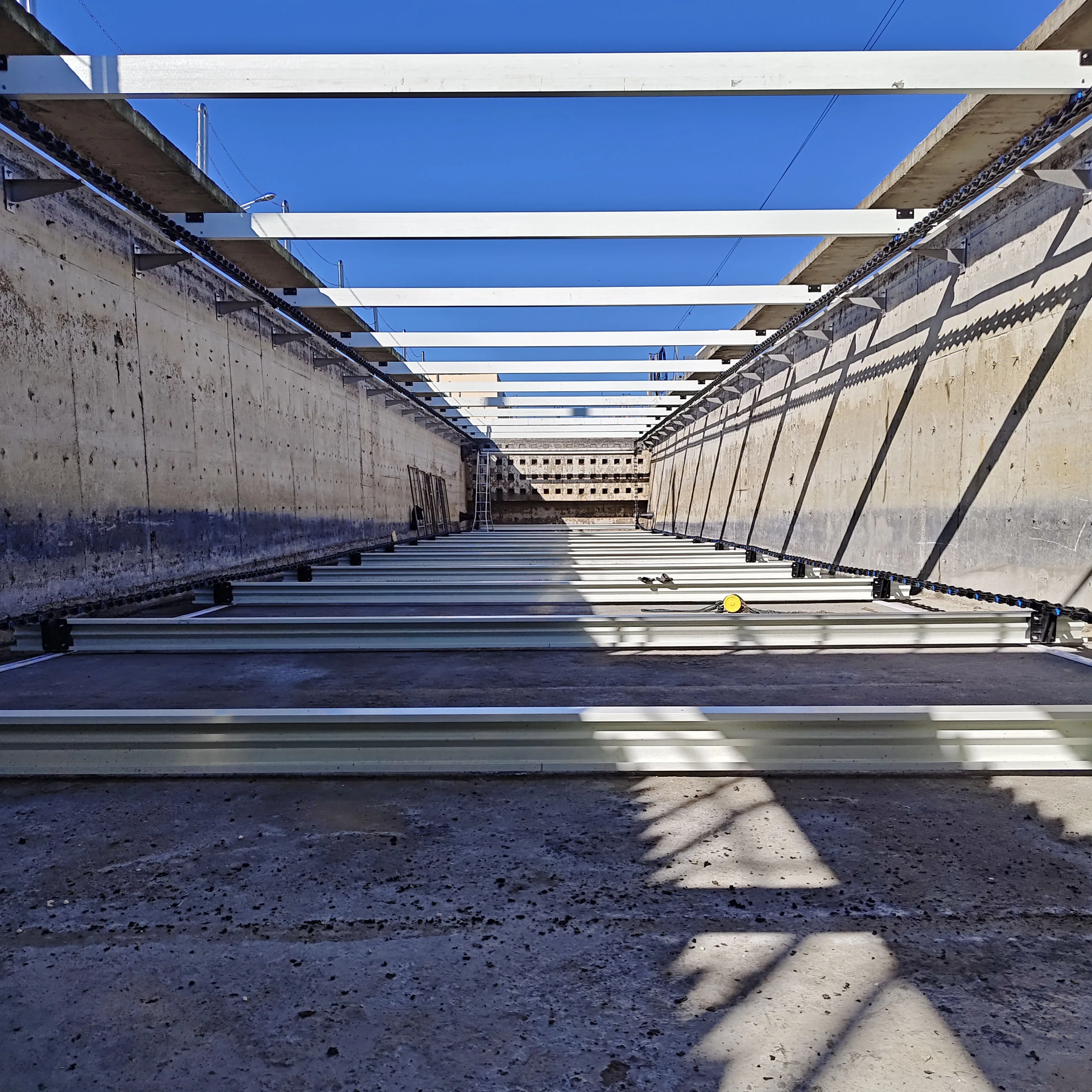
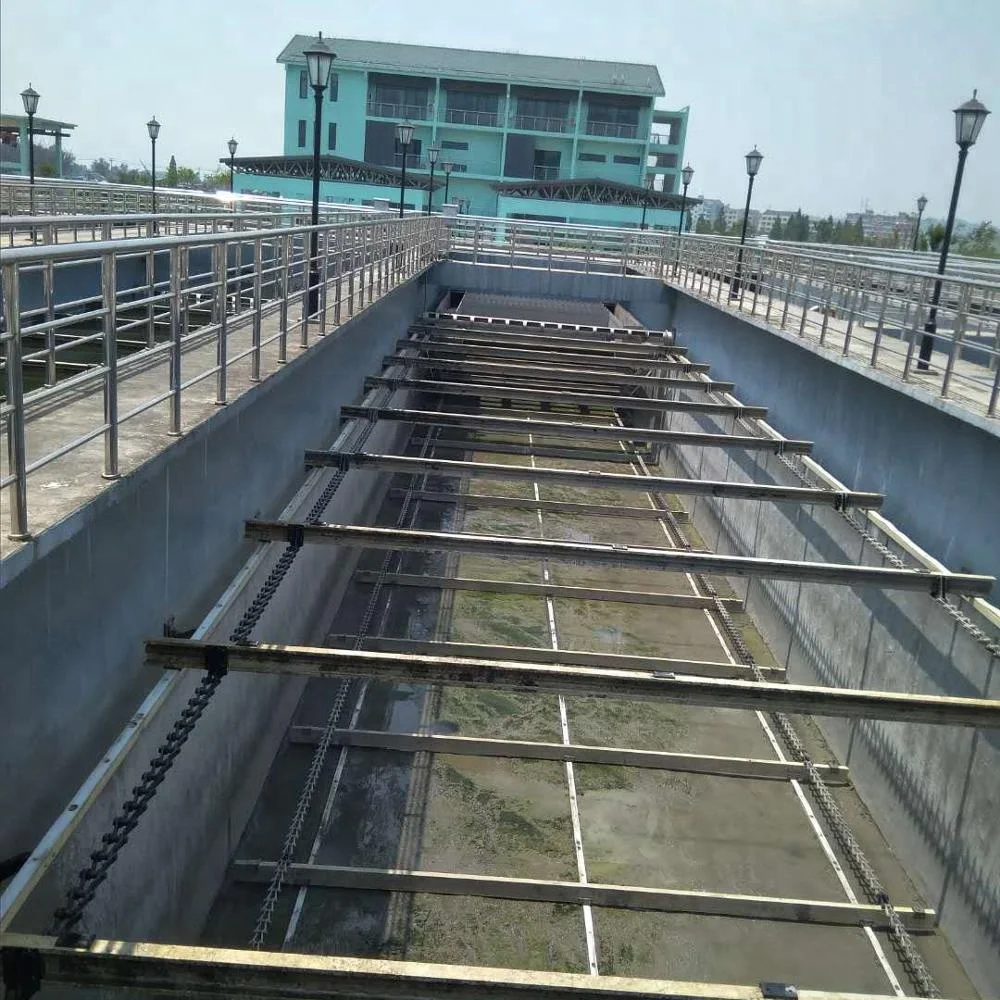
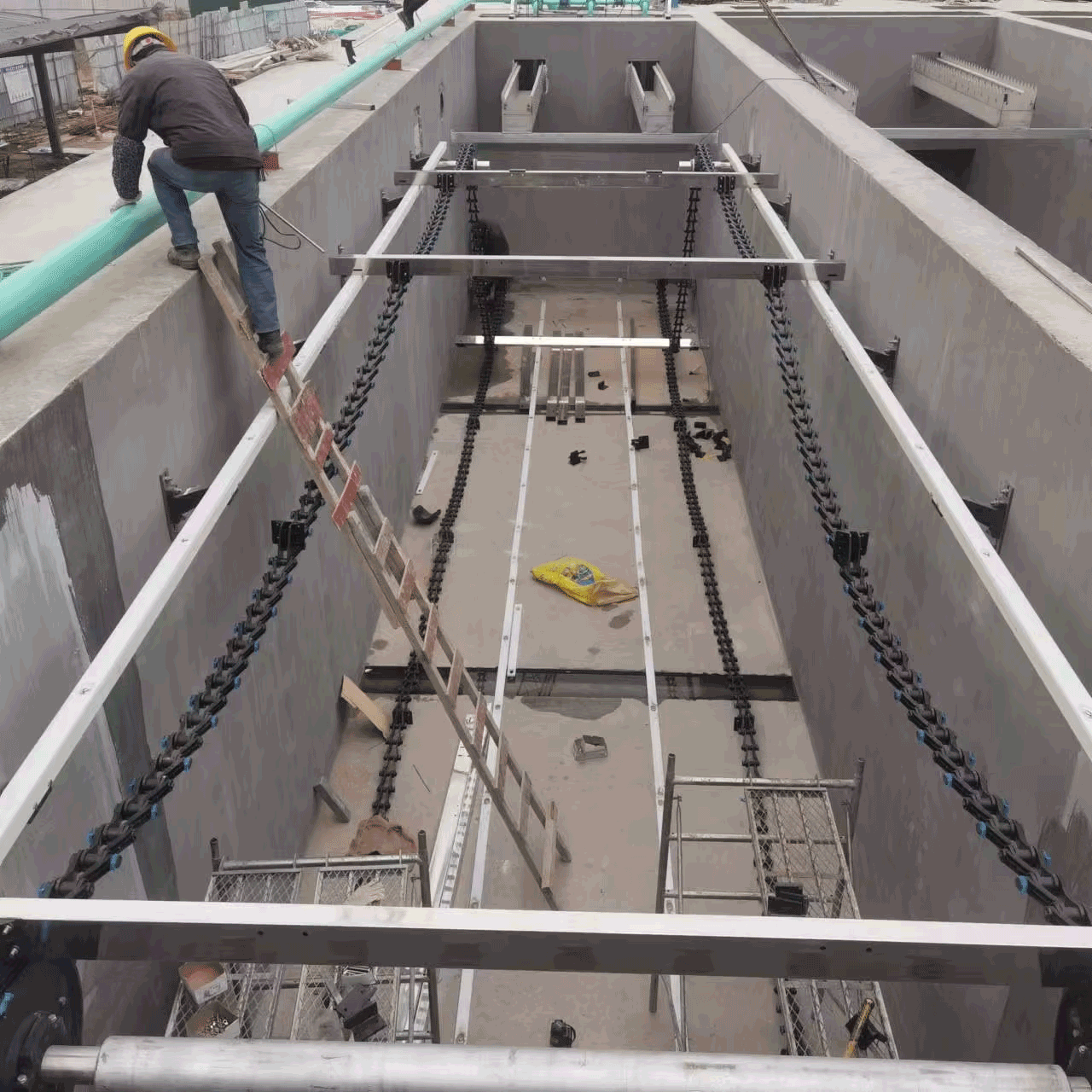
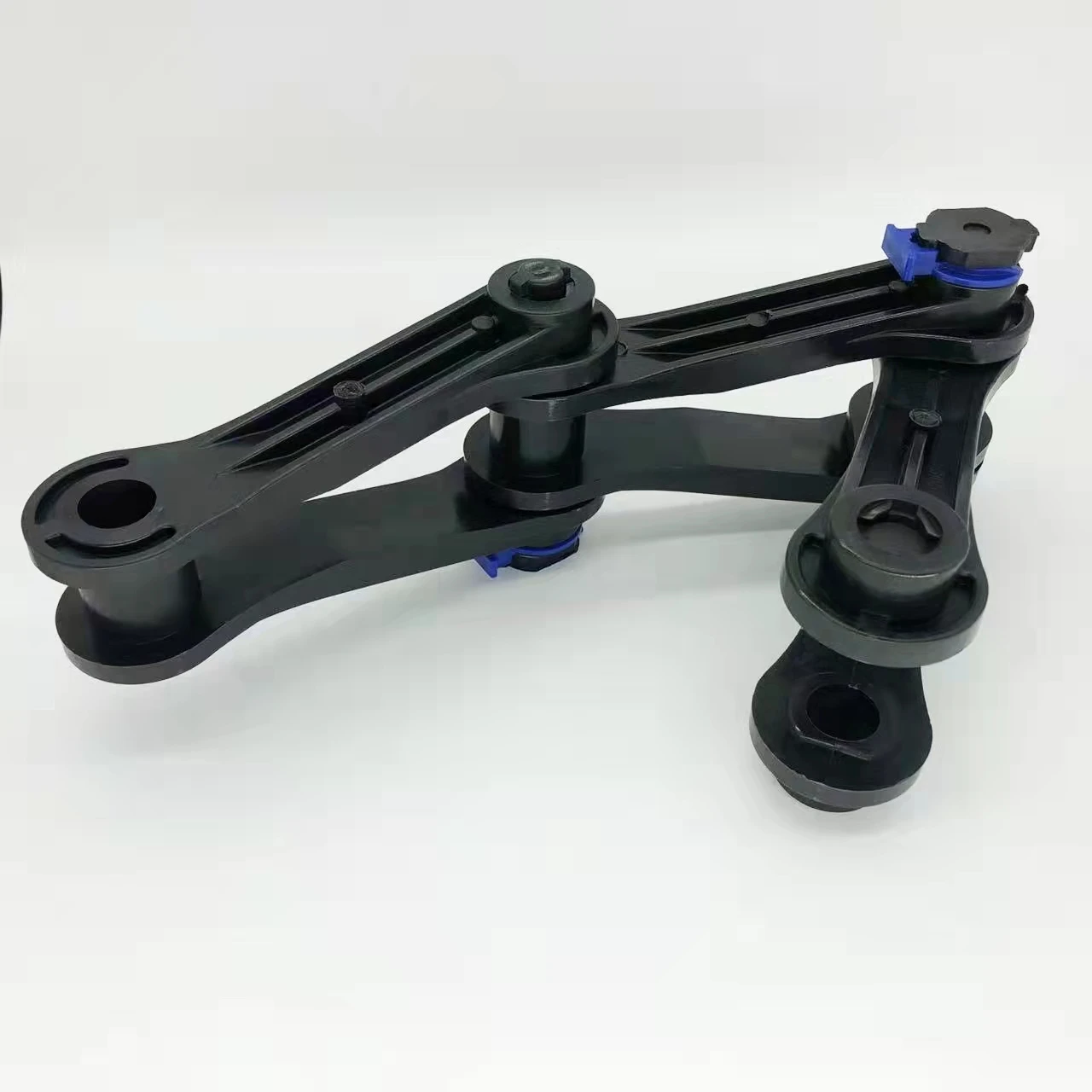
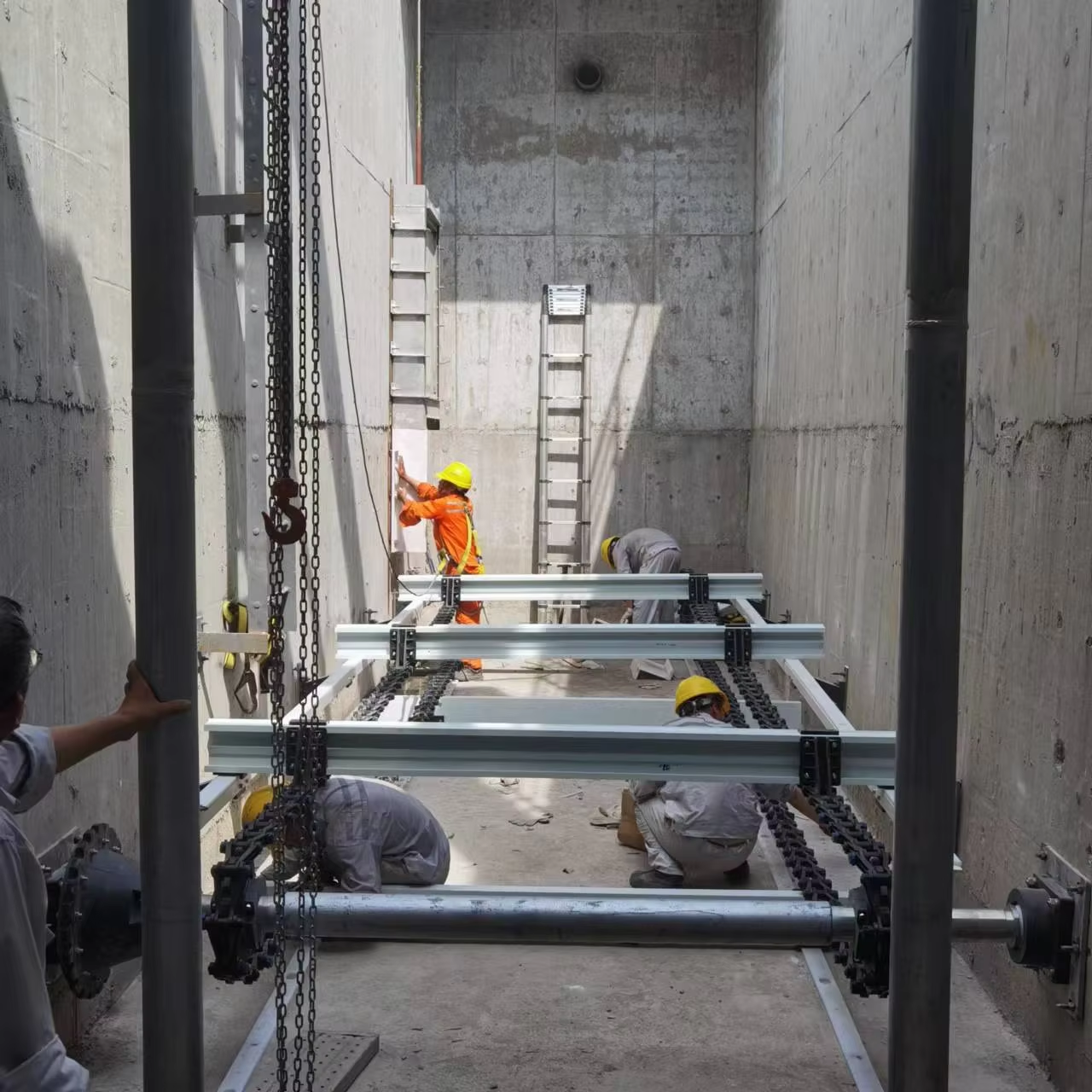
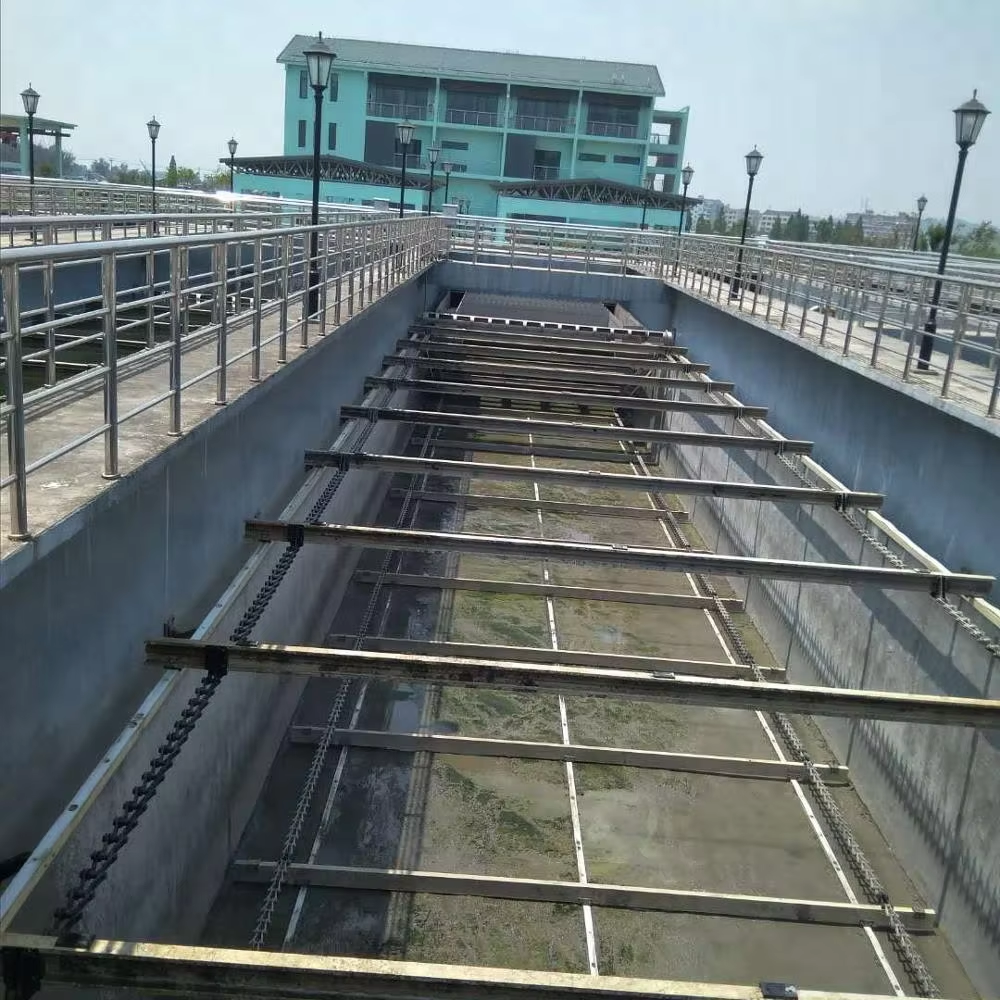
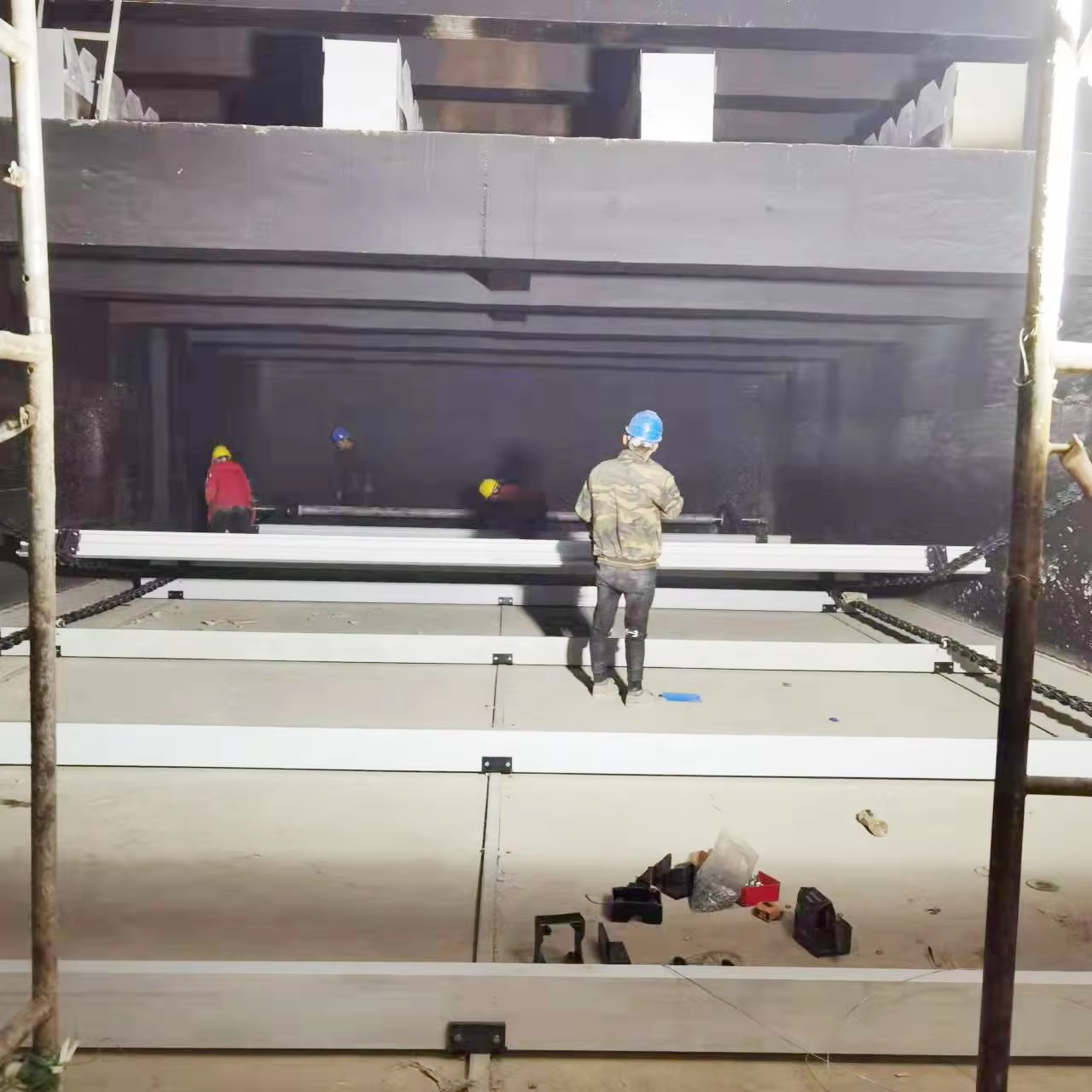
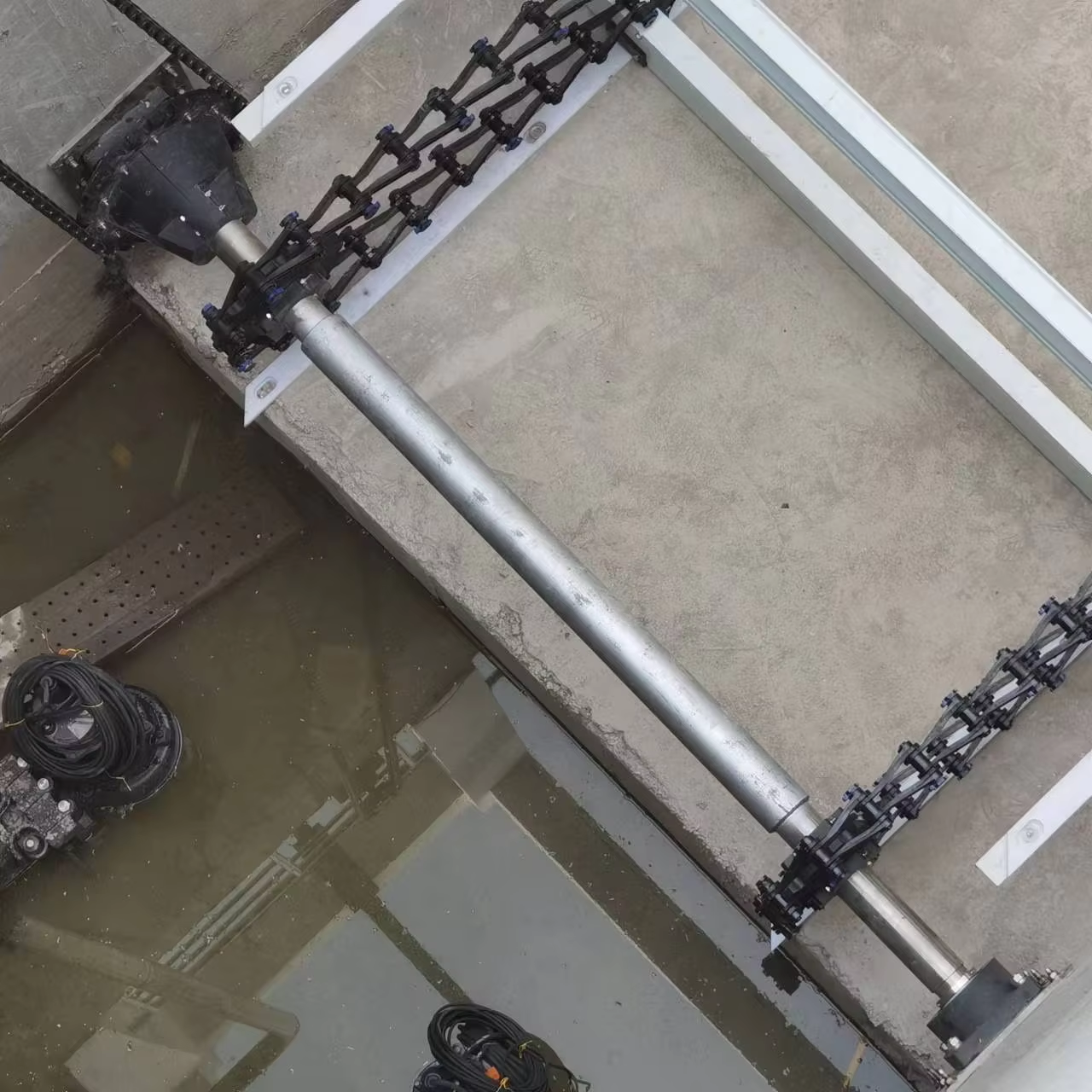
Municipal sewage flying scraper equipment is a cornerstone of modern public wastewater treatment infrastructure, designed for the high-volume, continuous-duty operation required by city treatment plants. This equipment is engineered for robustness and reliability, tasked with the critical function of moving settled organic and inorganic solids from the large rectangular primary and secondary sedimentation basins to the collection hoppers for further processing. The typical system consists of a bridge-supported structure that traverses the tank length, from which scraping flights are suspended. These flights, often made from durable, non-corrosive composites, are dragged along the tank bottom, pushing the sludge blanket. The drive system is a key focus, featuring high-torque, low-speed motors designed for years of uninterrupted service with minimal energy consumption. In a municipal setting, where flow rates can vary dramatically with time of day and weather conditions (influencing inflow and infiltration), the equipment must be capable of handling fluctuating sludge volumes without clogging or stalling. Many modern systems incorporate automated controls that can adjust scraper speed based on sludge blanket level sensors, optimizing energy use and removal efficiency. A notable case study involves a major metropolitan plant that upgraded to a new generation of flying scraper equipment, resulting in a 30% reduction in power consumption and a significant decrease in maintenance call-outs. The design also emphasizes operator safety, with guarded moving parts and easy access for routine inspections. The longevity of this equipment is paramount, as municipal assets are expected to operate for decades. For detailed specifications and pricing on municipal sewage flying scraper systems tailored to your plant's capacity and tank dimensions, please contact our sales department for a comprehensive offer.