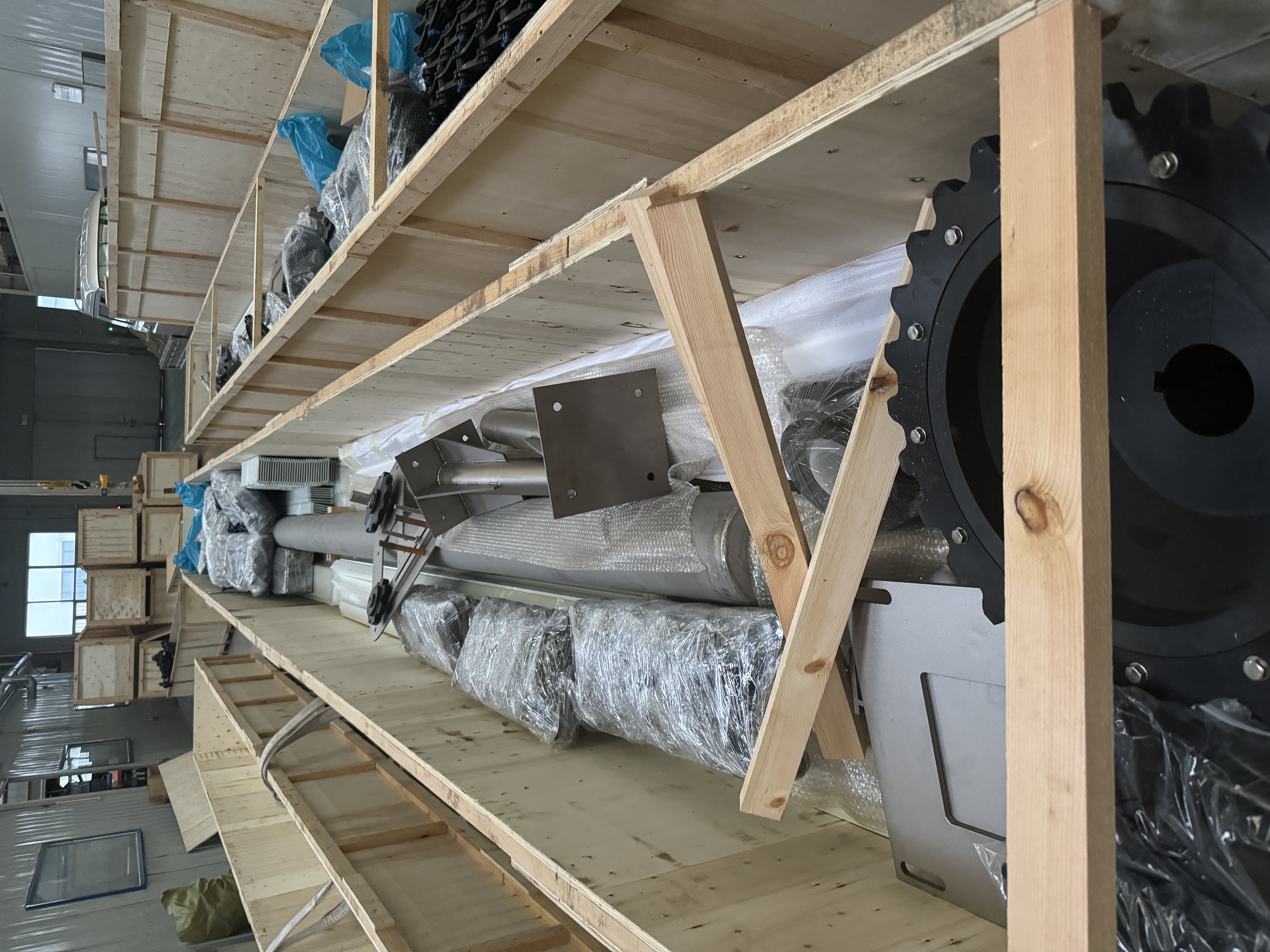
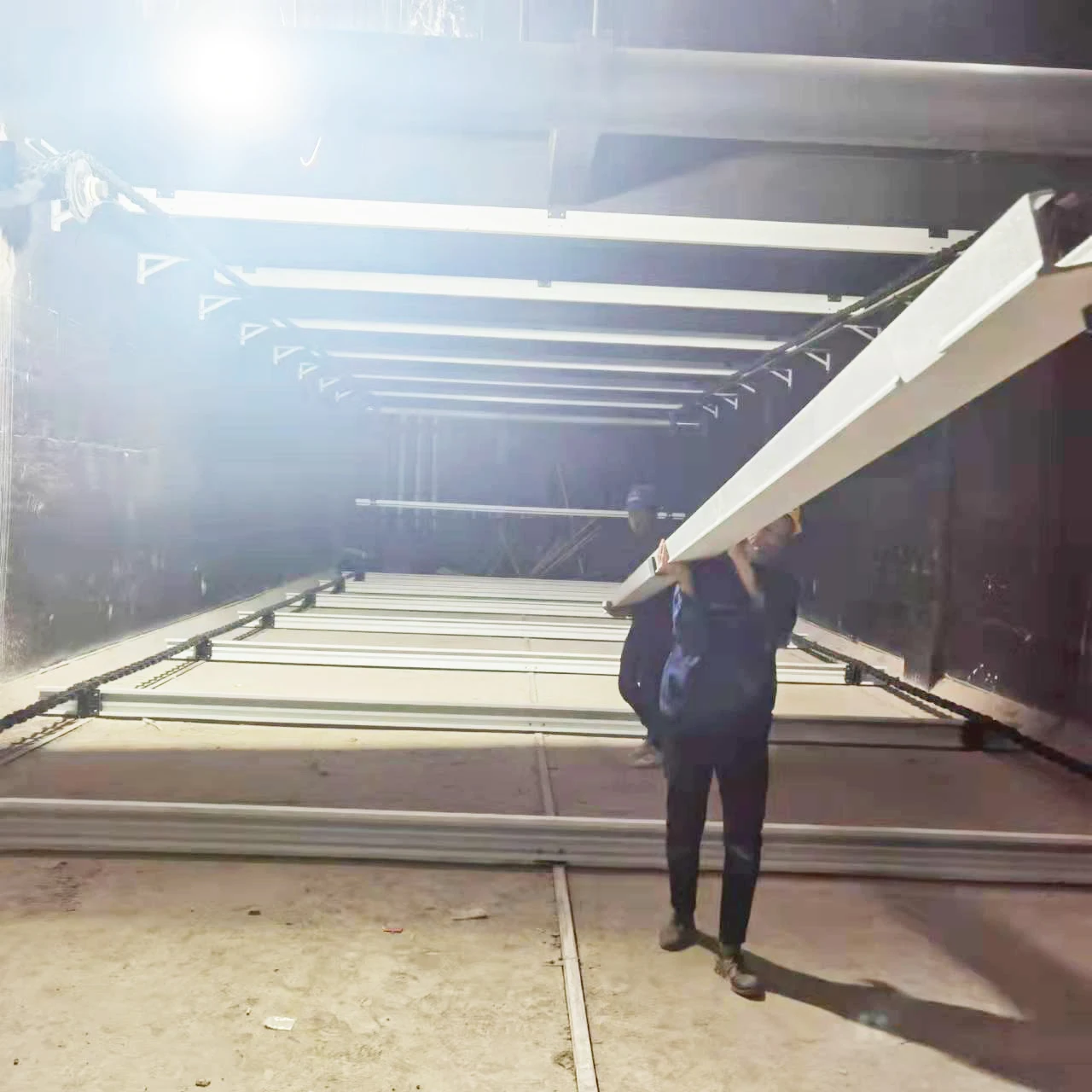
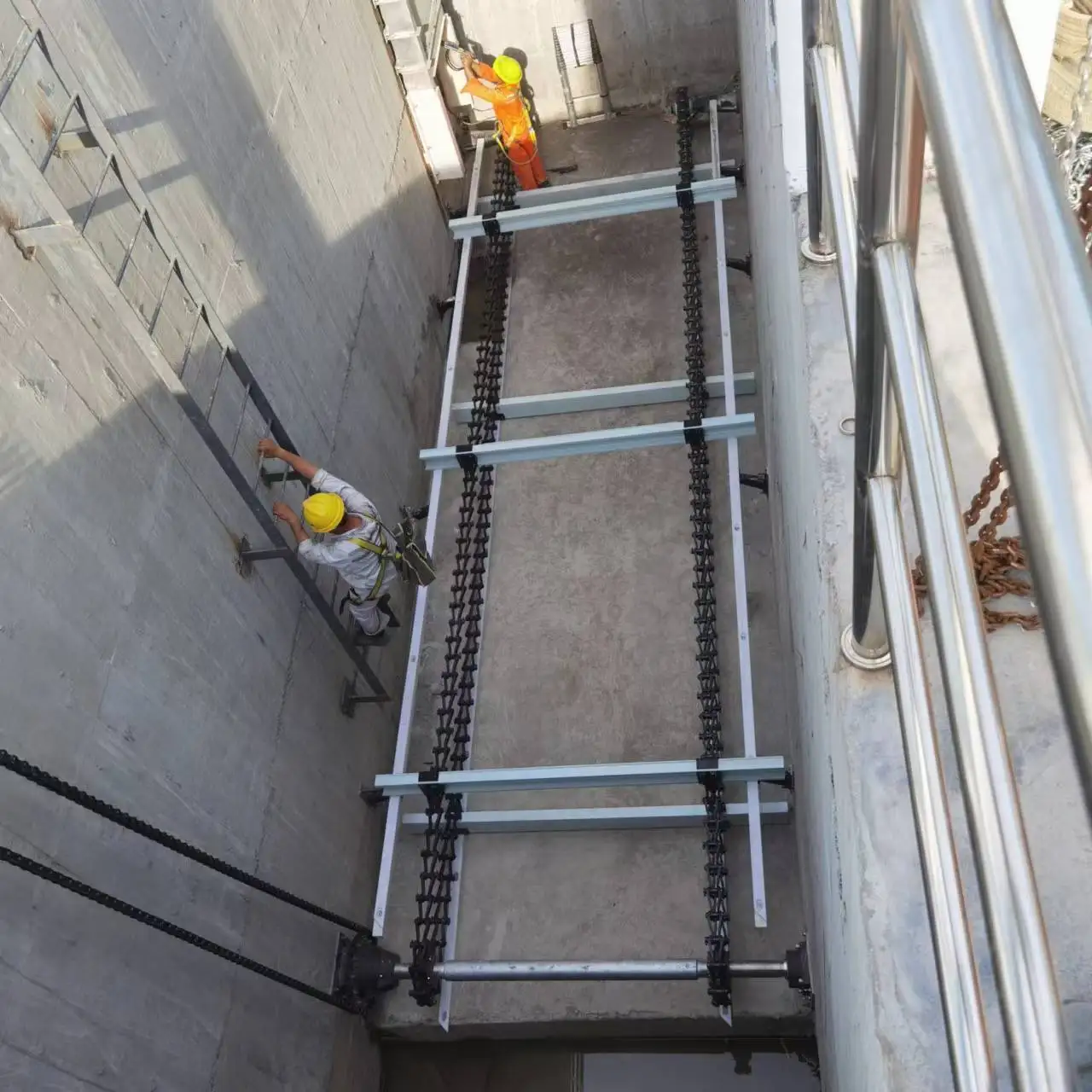
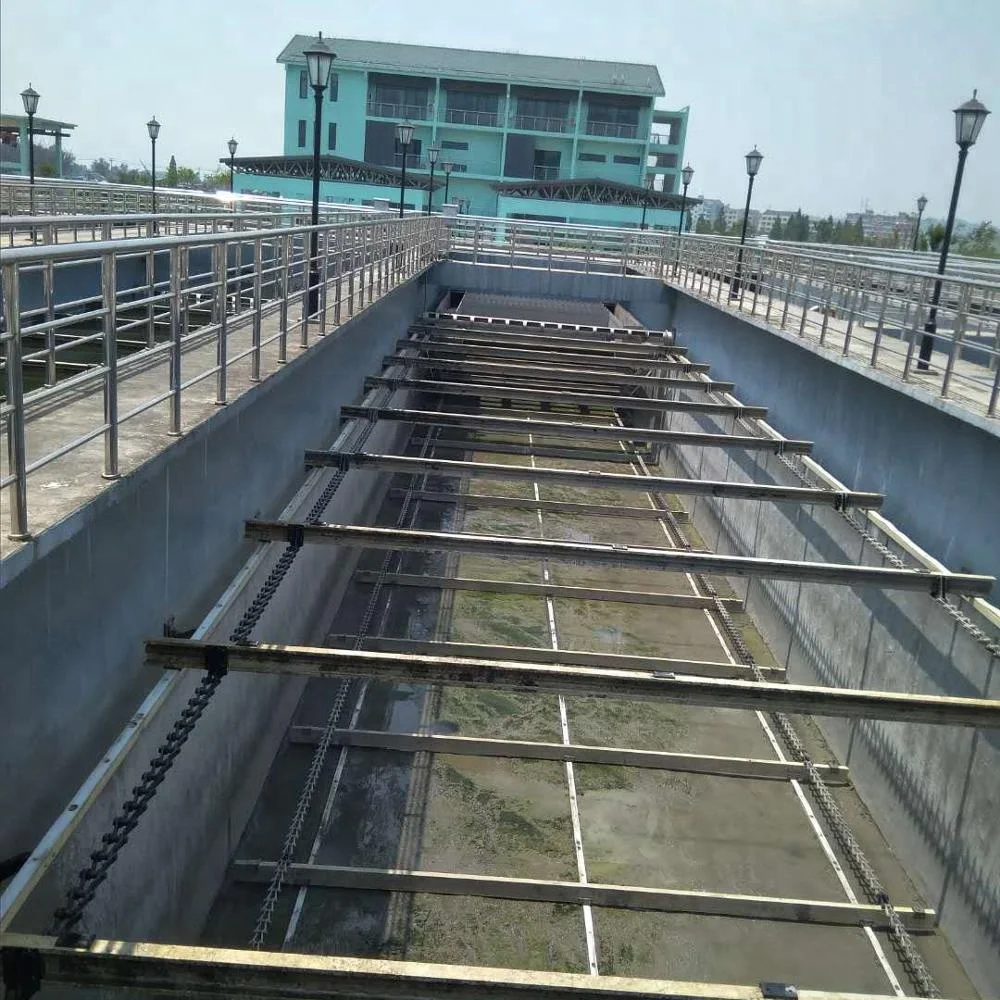
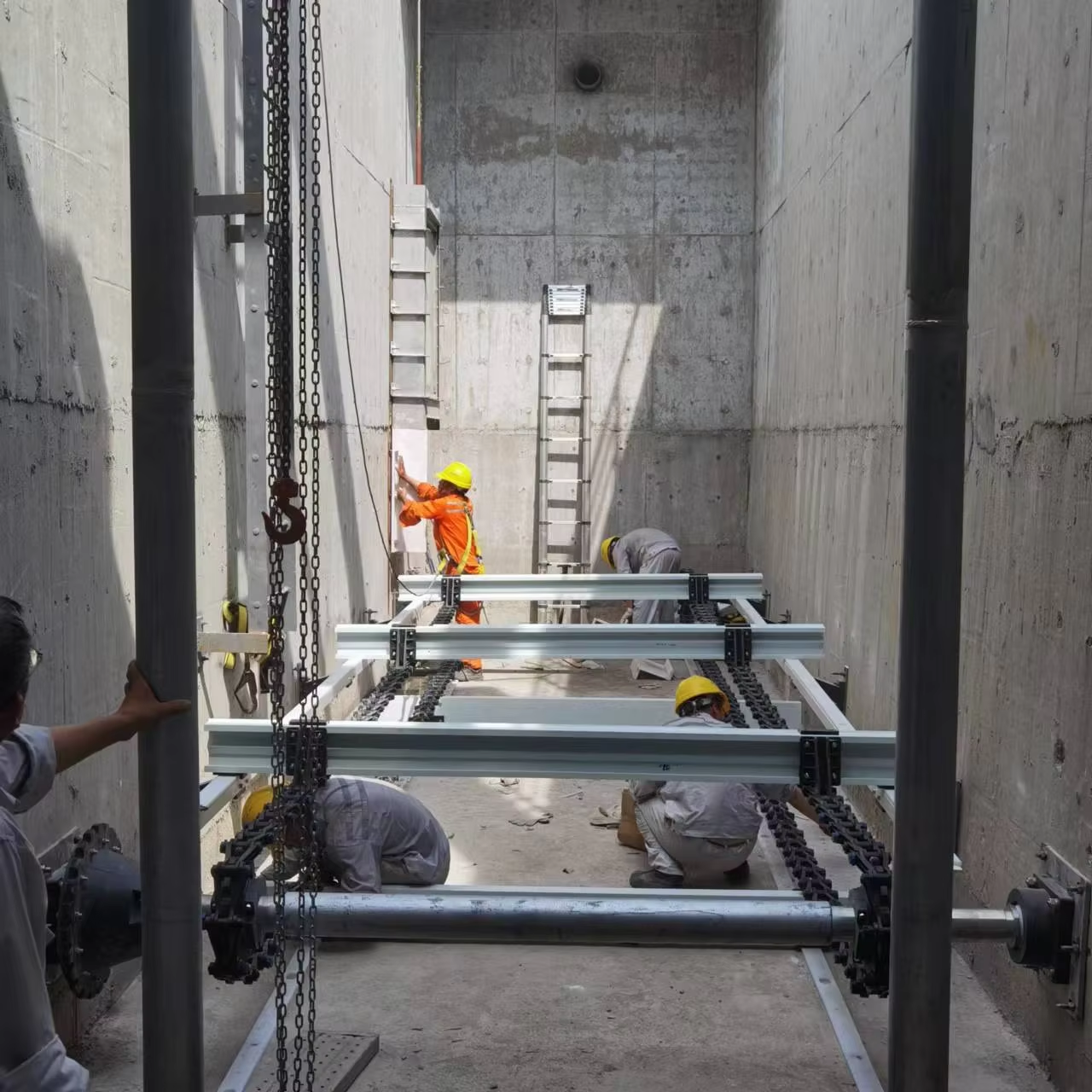
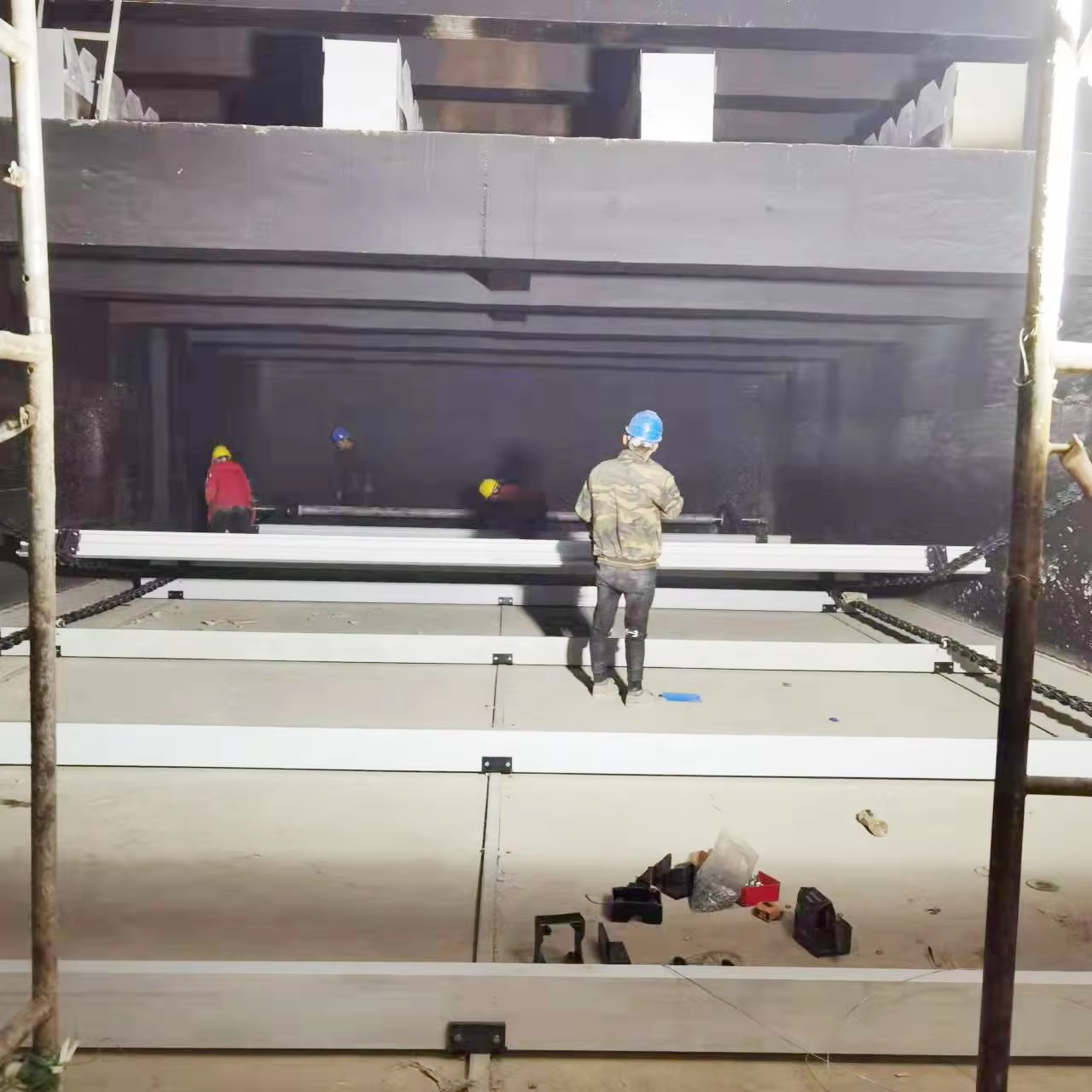
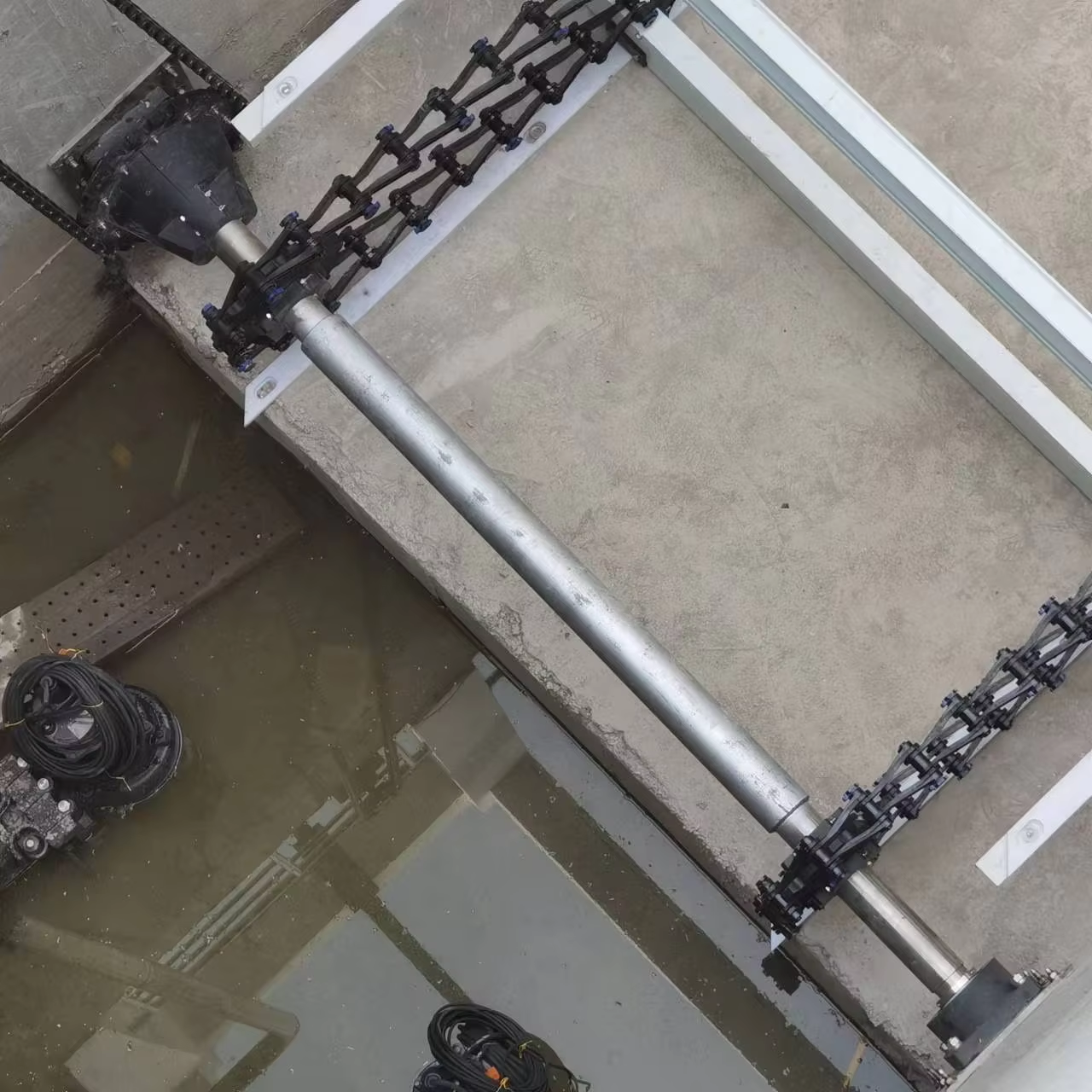
High efficiency in a flying sludge scraper is achieved through a holistic design philosophy that optimizes energy consumption, scraping effectiveness, and integration with process control systems. The primary goal is to remove the maximum amount of settled solids with the minimum expenditure of energy and without causing undue disturbance to the settling process. Key to this is an aerodynamically efficient flight design that minimizes drag resistance through the water and sludge medium. These flights are often shaped from low-friction, composite materials. The drive system incorporates high-efficiency, IE3 or IE4 class electric motors paired with precision gear reducers that ensure smooth, powerful traction with minimal electrical input. Furthermore, the system's control logic is sophisticated; it can operate in an intermittent mode, activating only when a sufficient sludge blanket has accumulated, as detected by ultrasonic or optical sensors. This prevents unnecessary power usage and wear during periods of low inflow. In a large industrial application, such as a pulp and paper mill, the high viscosity and rapid settling characteristics of the sludge demand a scraper that can apply consistent force without stalling. A high-efficiency scraper in this context would feature a sensor-driven variable frequency drive (VFD) that automatically adjusts the torque and speed to match the real-time load conditions, preventing energy waste during easy scraping and providing extra power when needed. This intelligent operation can reduce energy costs associated with sludge removal by up to 40% compared to continuously running fixed-speed models. The efficiency also translates to reduced mechanical stress, leading to lower maintenance needs and longer component life. For a detailed analysis of the potential energy savings and a performance report for a high-efficiency flying sludge scraper in your facility, please contact us to speak with an application engineer.