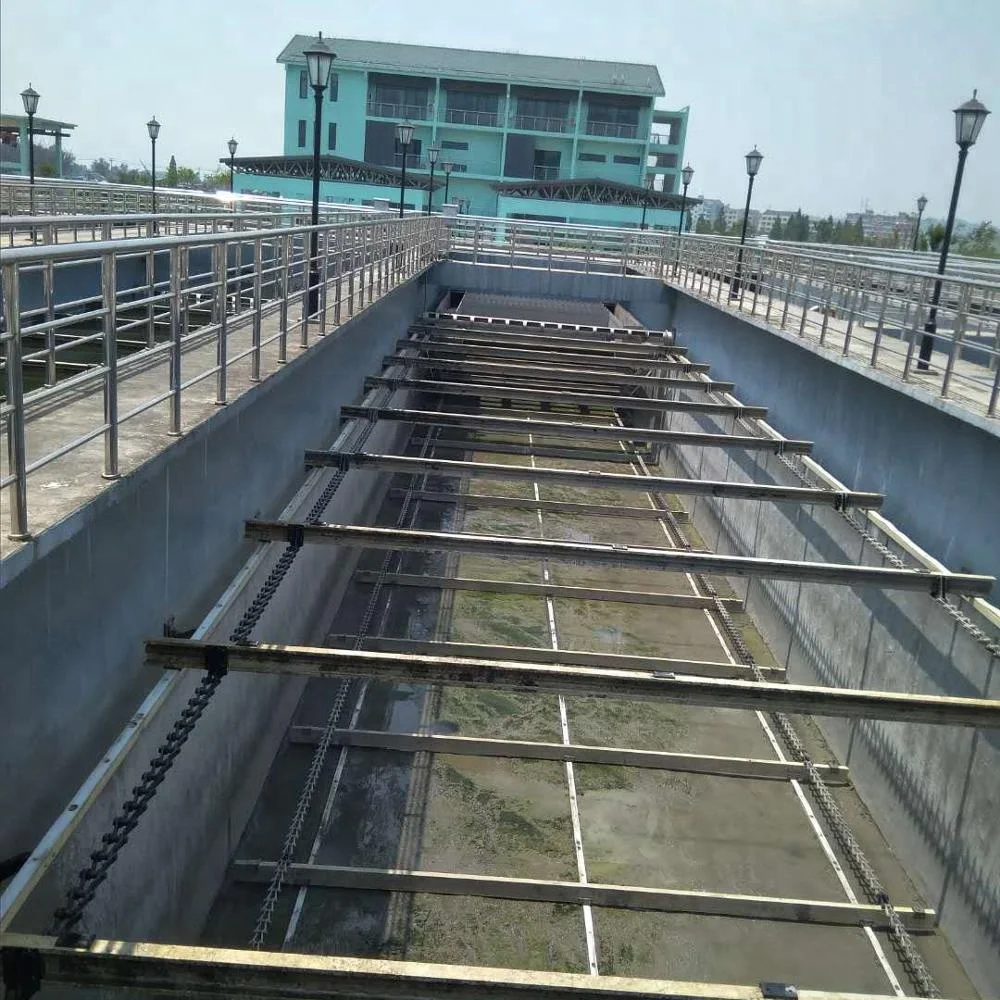
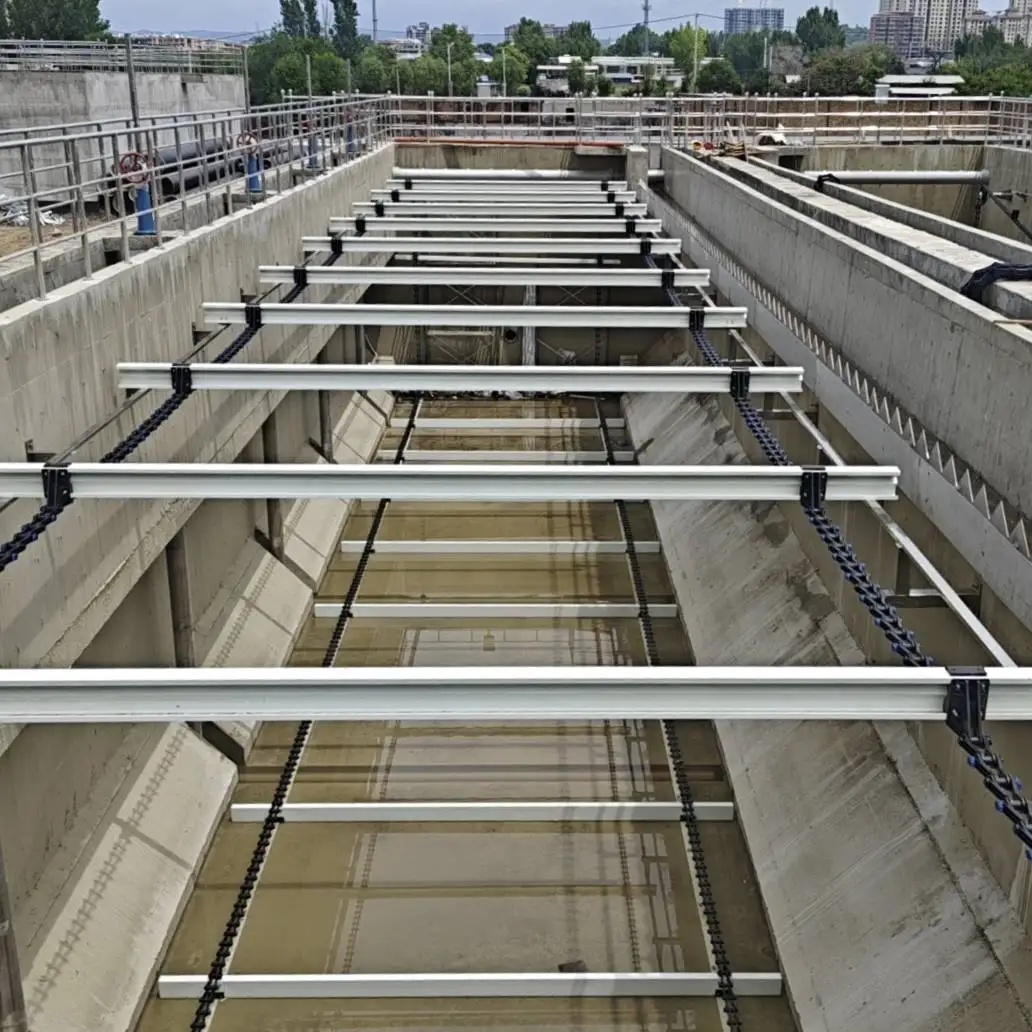
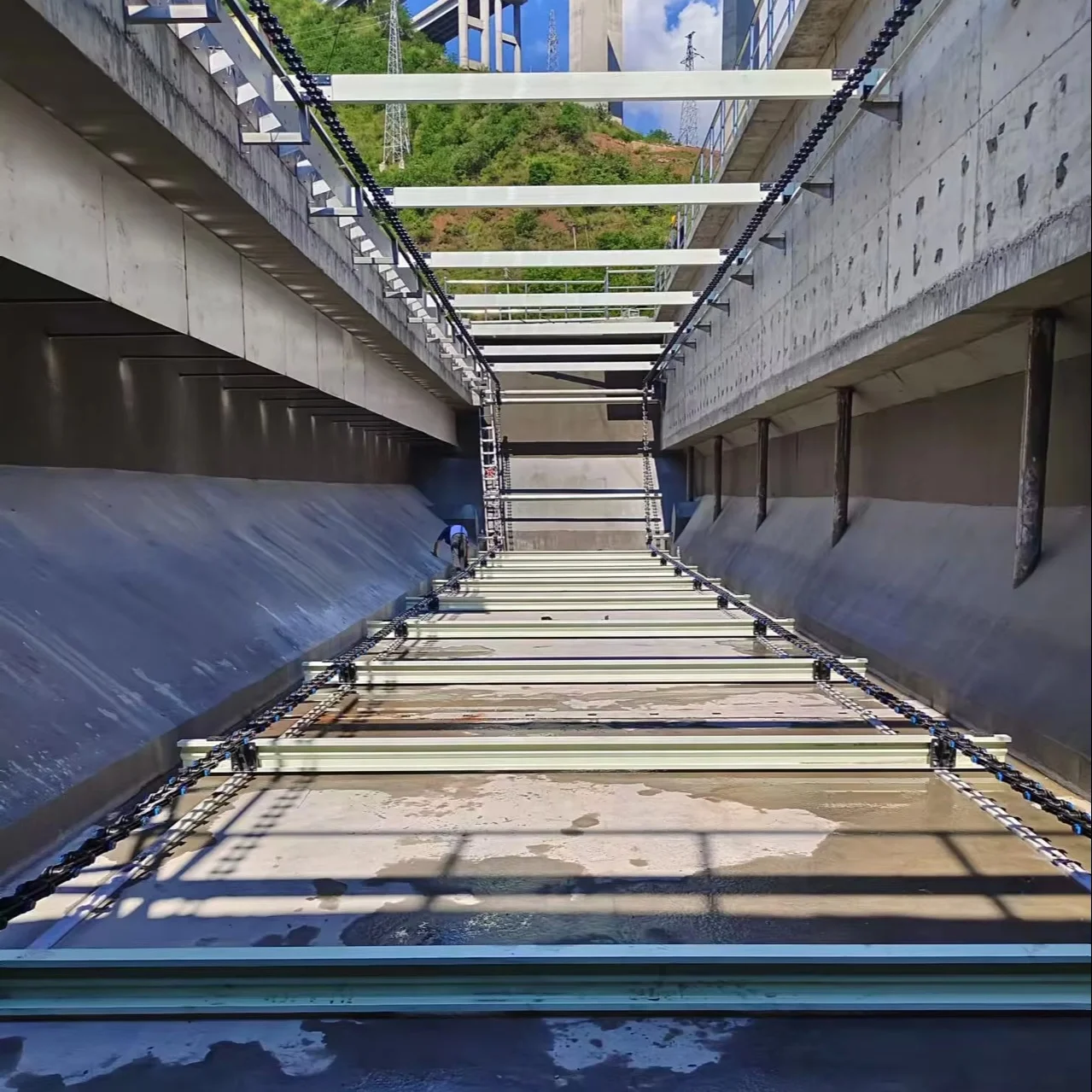
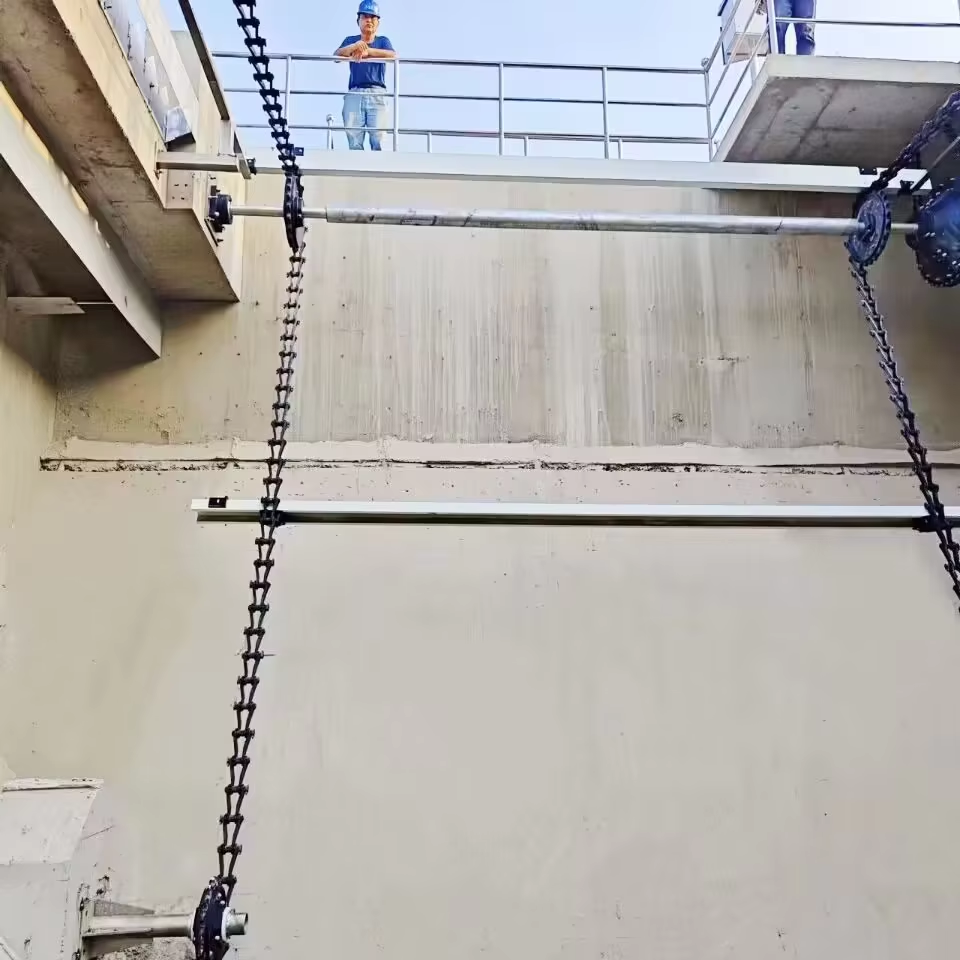
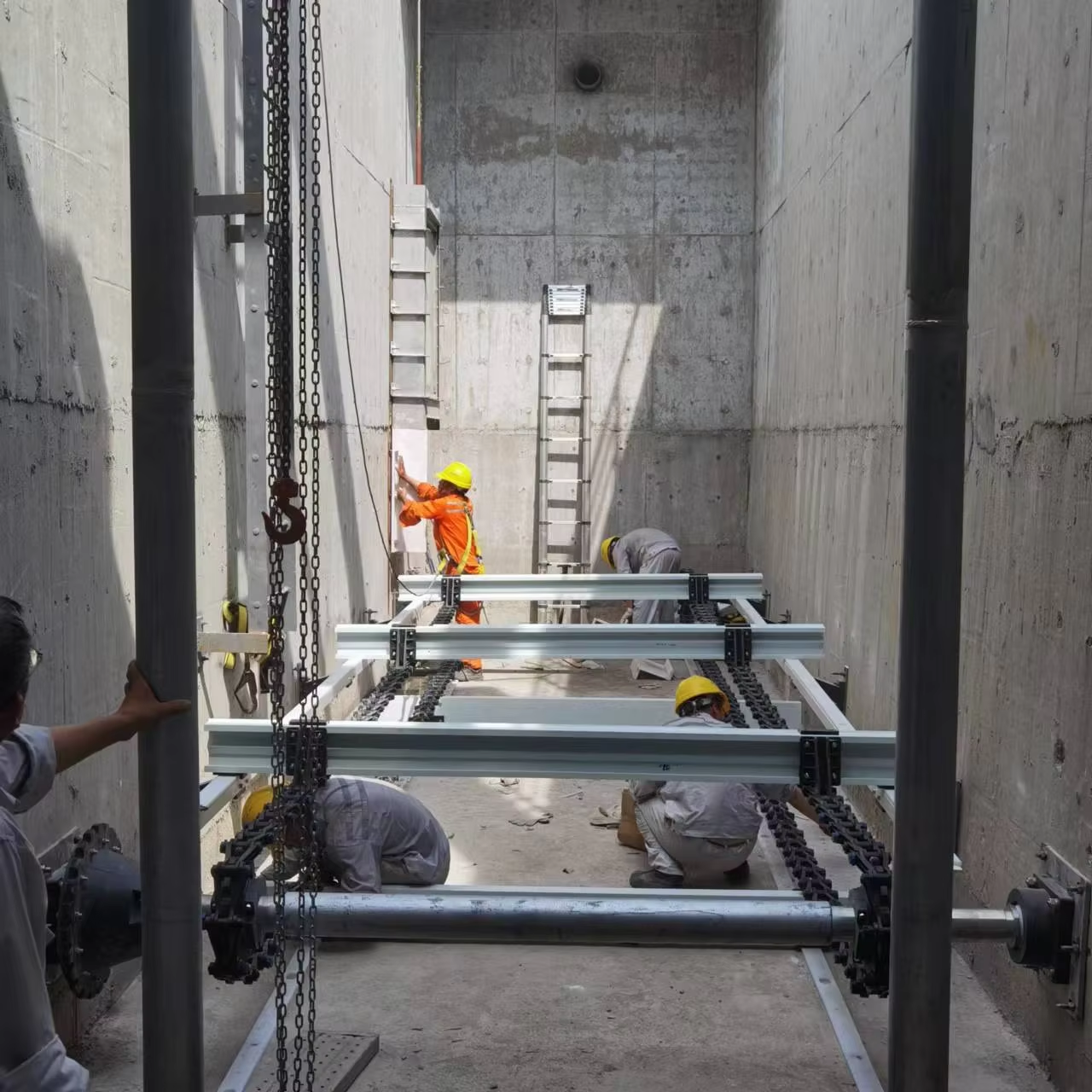
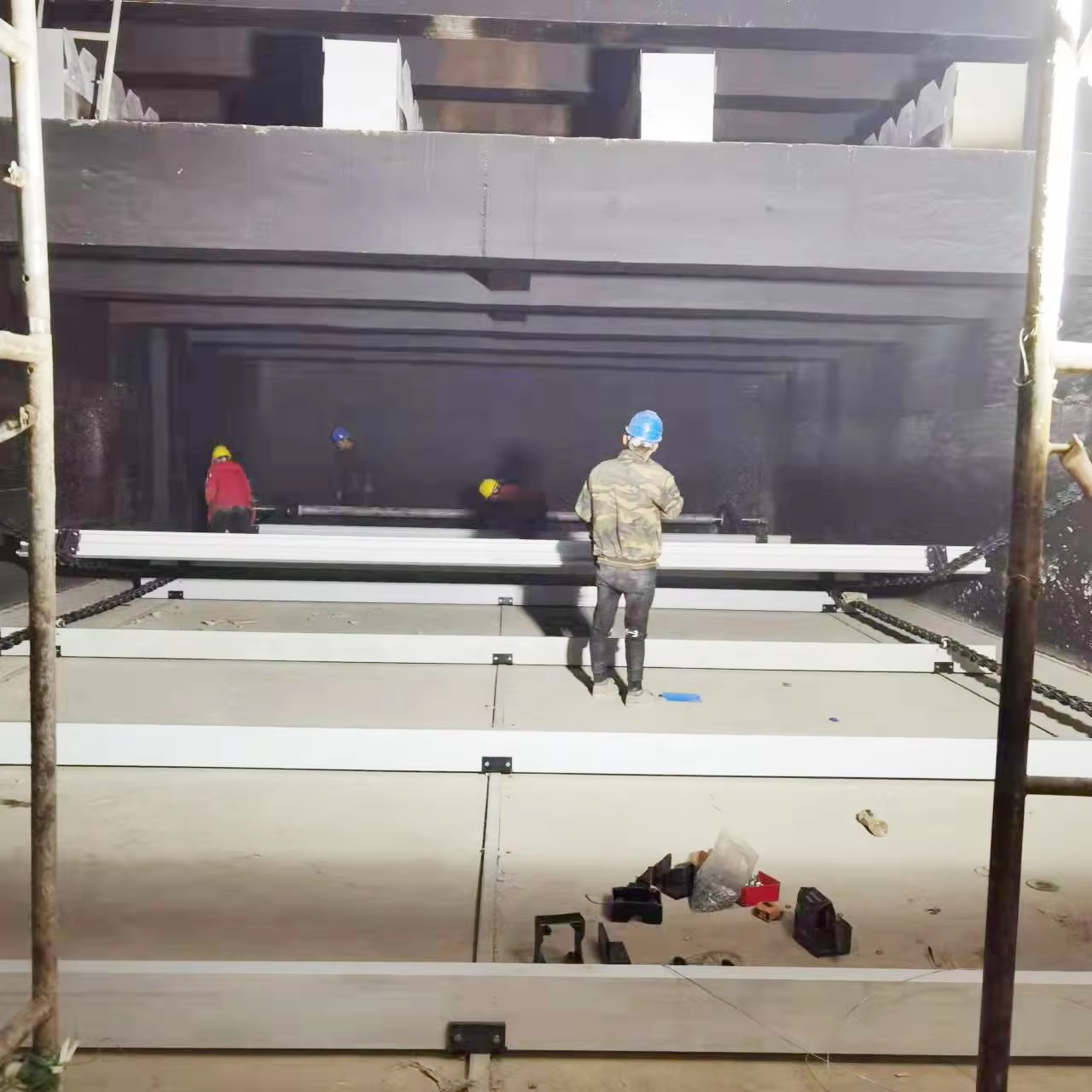
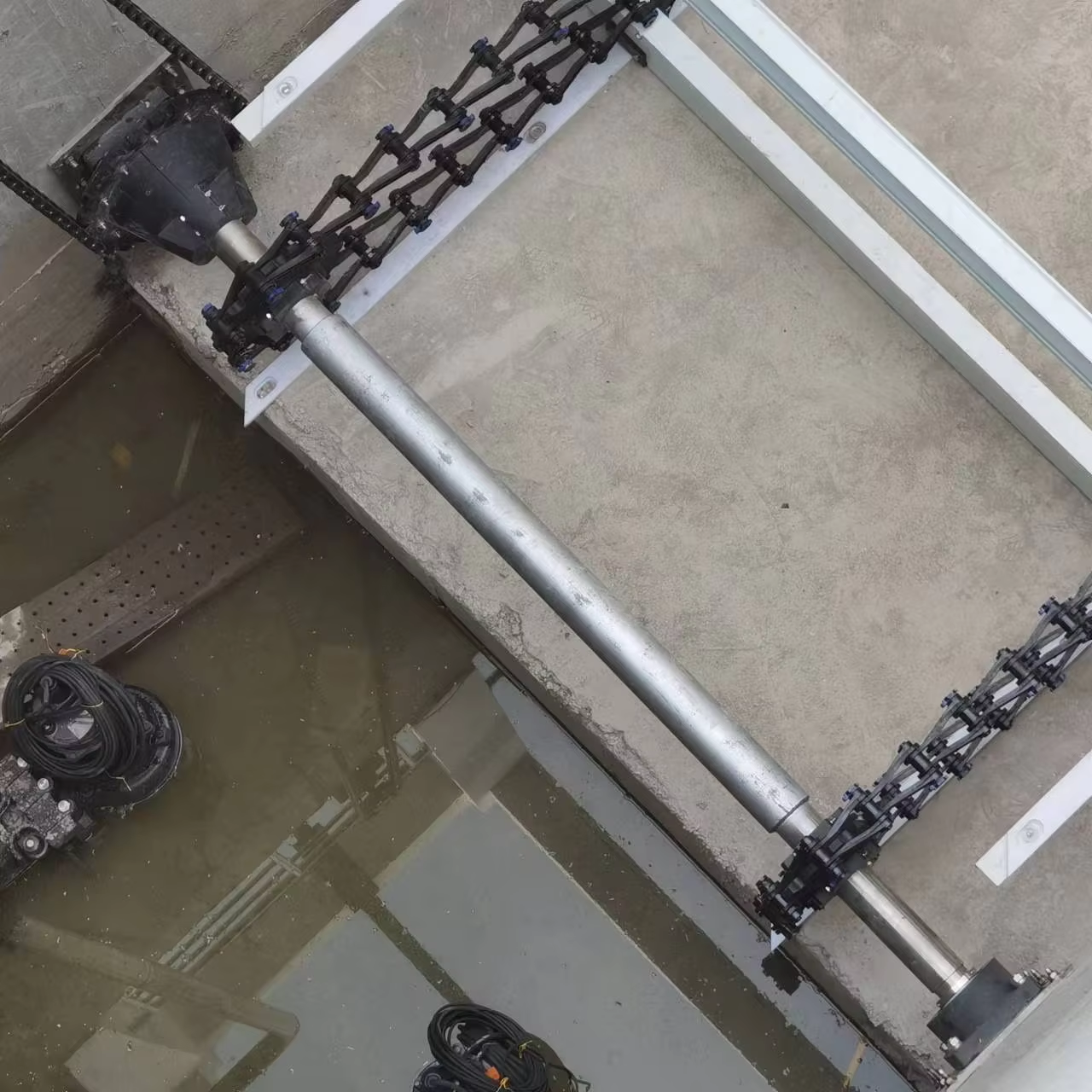
The term Fly Scraper is synonymous with Flying Scraper and refers to the same essential technology: a moving bridge system equipped with blades that scrape settled solids across the floor of a rectangular sedimentation basin. This equipment is a workhorse in the water treatment industry, providing a reliable and mechanized solution for a process that is fundamental to separating liquids from solids. The fly scraper system's key components include a structural bridge that spans the tank's width, a drive unit located on the bridge, a traction mechanism (which can be chain-and-sprocket, wire rope, or a direct rack-and-pinion system), and the scraper flights themselves. The flights are strategically angled to effectively push the sludge without rolling it or causing excessive turbulence. The entire assembly moves at a slow, controlled speed (often just a few centimeters per second) to ensure gentle yet thorough cleaning. One of the main advantages of the fly scraper is its adaptability. It can be designed for tanks of virtually any length and for sludge with varying characteristics, from light biological flocs in secondary clarifiers to dense, gritty solids in primary settling tanks. Modern iterations often feature automated control systems that integrate with the plant's SCADA, allowing for remote operation, monitoring, and fault diagnosis. Maintenance is straightforward, with easy access to the drive and traction components from the walkable bridge. For plants looking to retrofit old or failing sludge removal equipment, the fly scraper presents a proven and efficient upgrade path. To obtain specific information on fly scraper models suitable for your application and to request pricing, please get in touch with our company directly. Our experts are ready to guide you through the selection process based on your tank's specifications.