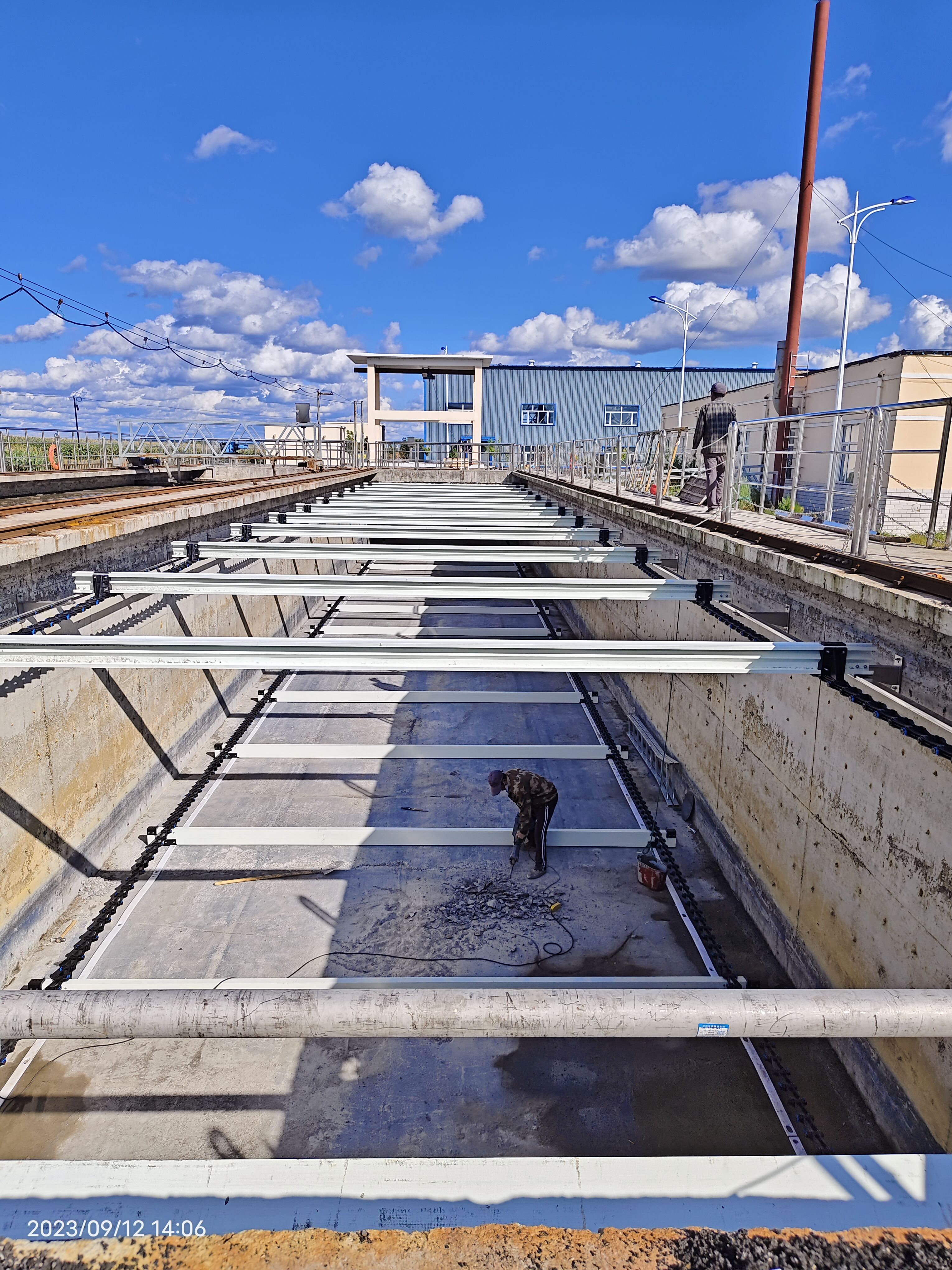
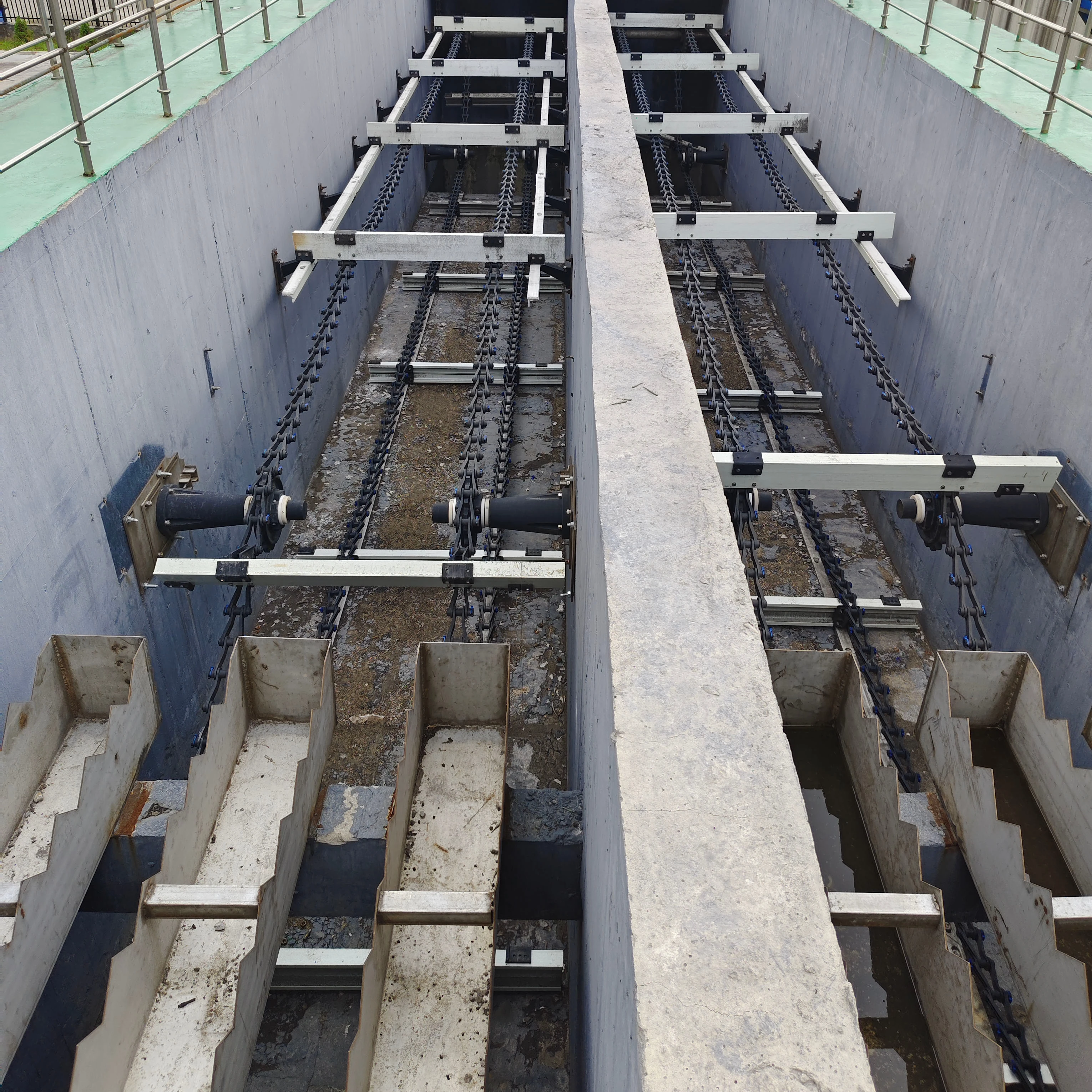
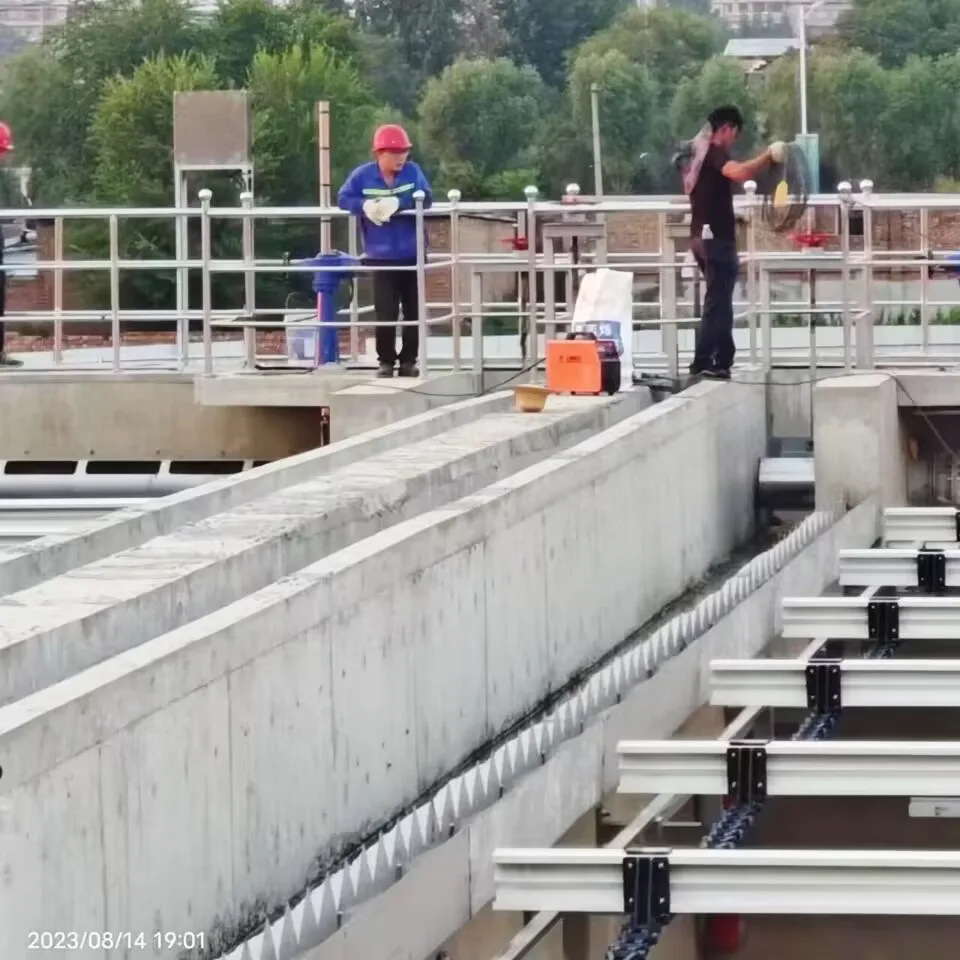
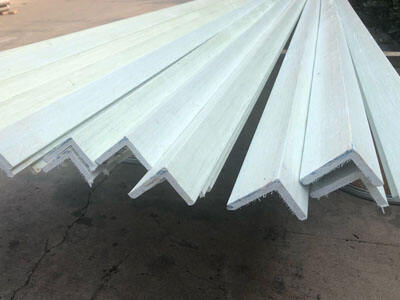
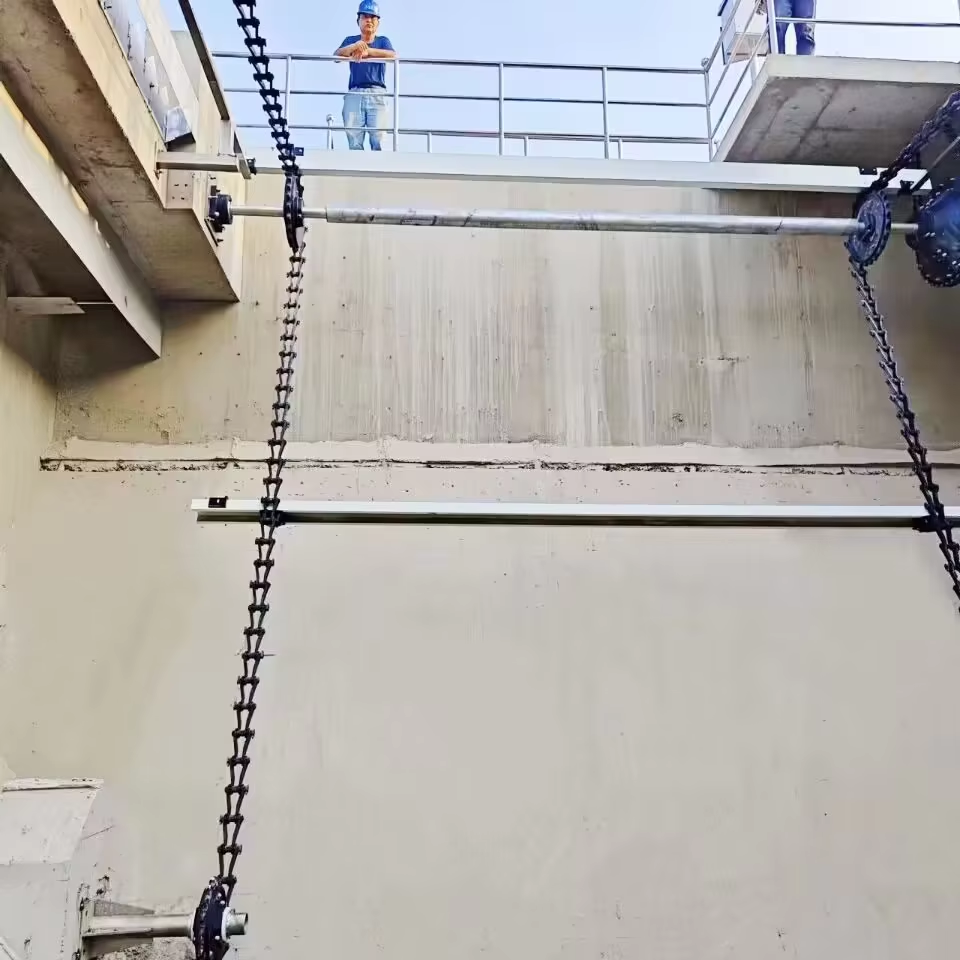
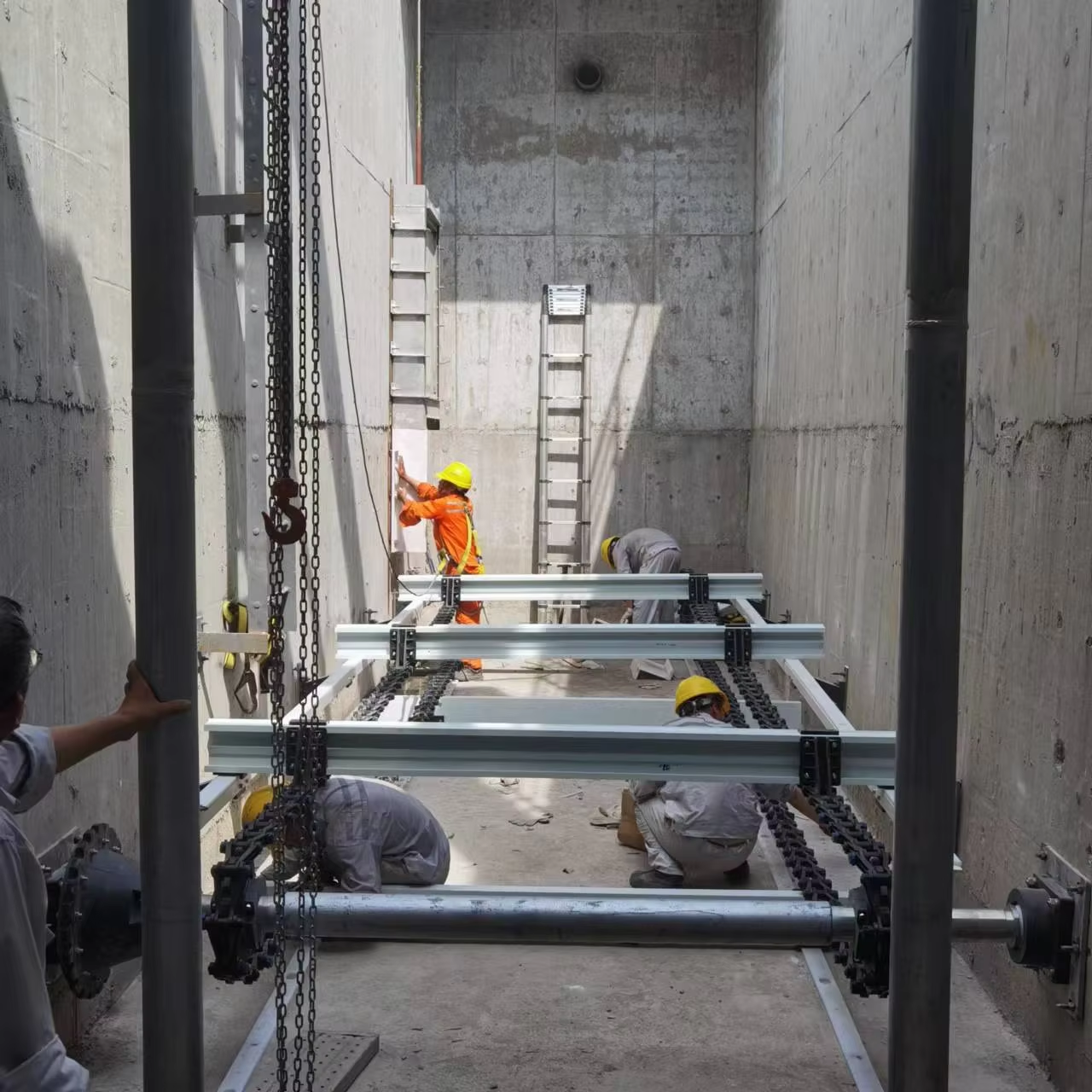
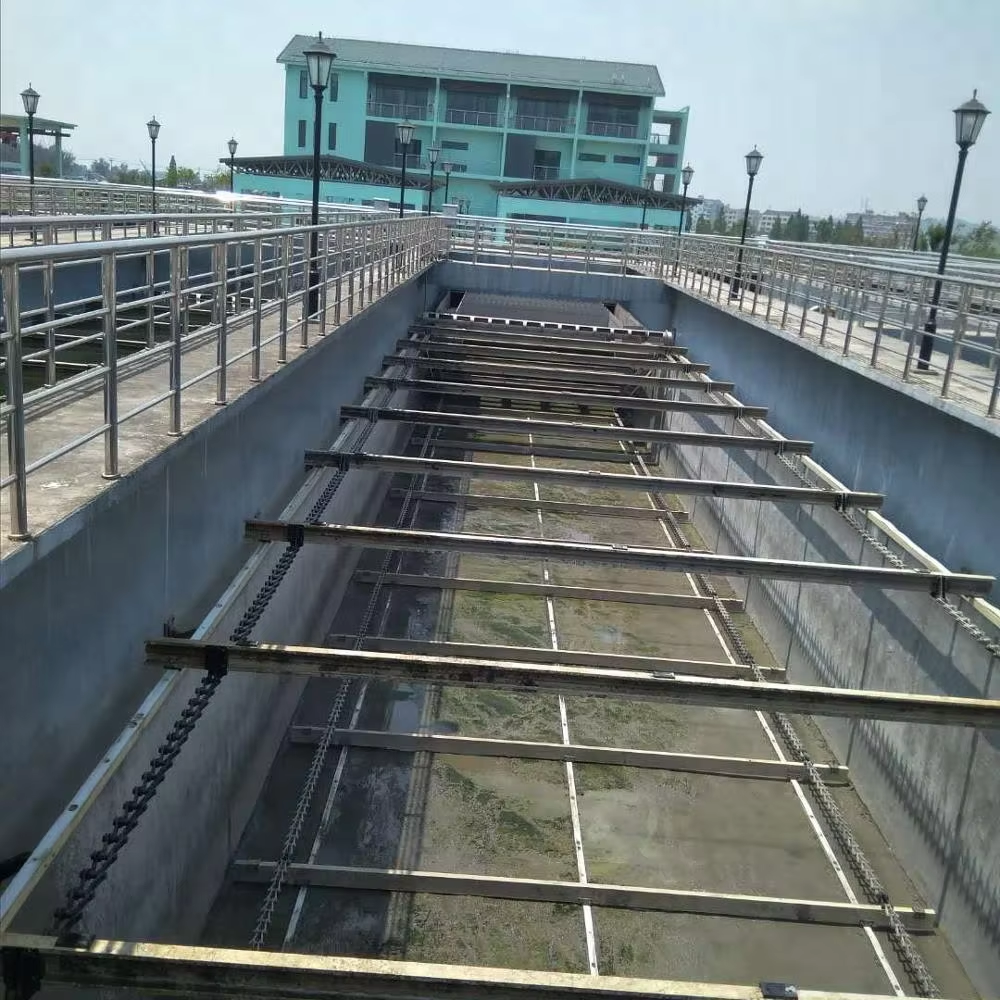
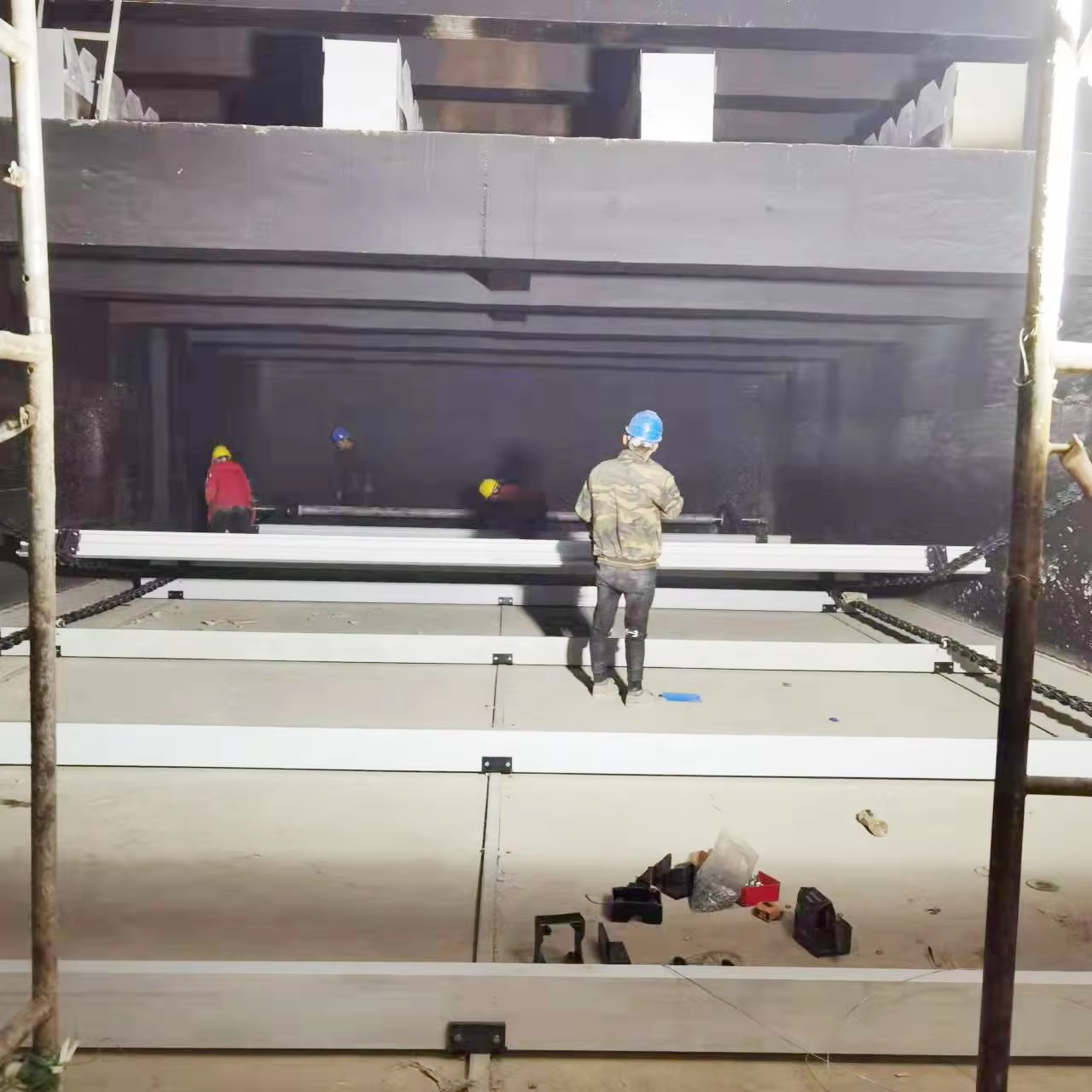
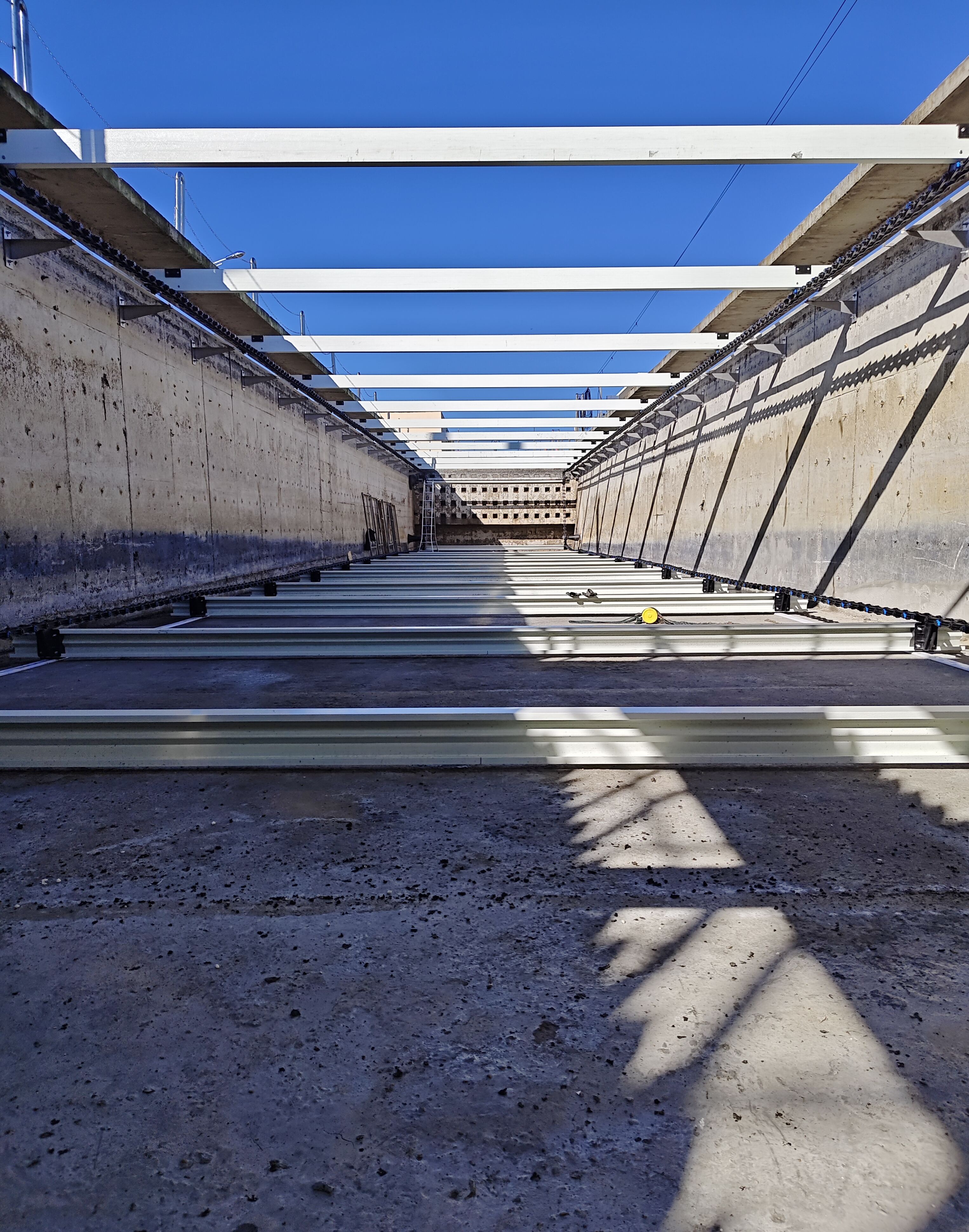
A corrosion-resistant flying scraper system is an essential investment for any wastewater treatment process where equipment is exposed to corrosive media, which can include saltwater, high-chloride environments, acidic or alkaline conditions, and hydrogen sulfide gas. The integrity and longevity of the entire scraping mechanism depend on the meticulous selection of materials and protective measures for every component. The structural elements, such as the bridge and guide rails, are typically fabricated from hot-dip galvanized steel or stainless steel (grades like 304 or 316, depending on the corrosion risk). The scraping flights themselves, which are in constant contact with the aggressive sludge, are commonly made from non-metallic materials such as ultra-high-molecular-weight polyethylene (UHMW-PE), polypropylene, or fiberglass-reinforced plastics. These materials are inherently inert to a wide range of chemicals and also exhibit excellent wear resistance and low friction coefficients. Fasteners, bearings, and chain links are specified in stainless steel or specially coated alloys. In a coastal wastewater treatment plant, for example, the combination of salt-laden moisture and microbial activity creates a highly corrosive atmosphere that can destroy mild steel equipment in a matter of months. A corrosion-resistant flying scraper system installed in such a location would utilize duplex stainless steel for critical load-bearing parts and composite polymers for submerged components, effectively neutralizing the threat of corrosion and ensuring decades of reliable service. The system's design also minimizes crevices and pockets where corrosive elements can accumulate. To receive a specification sheet and a competitive quote for a corrosion-resistant flying scraper system engineered for your plant's specific environmental conditions, we encourage you to reach out to our technical team for a detailed consultation.