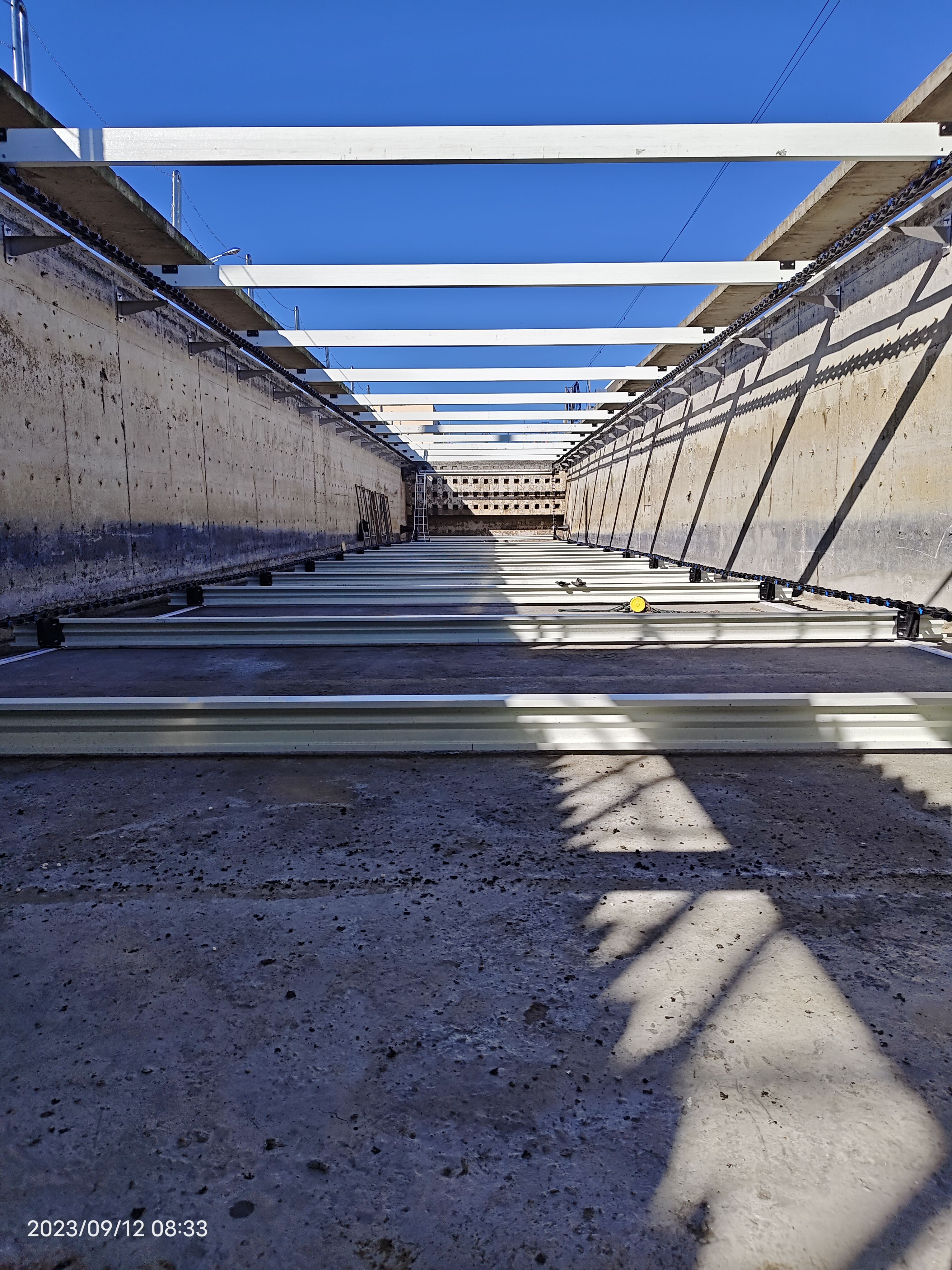
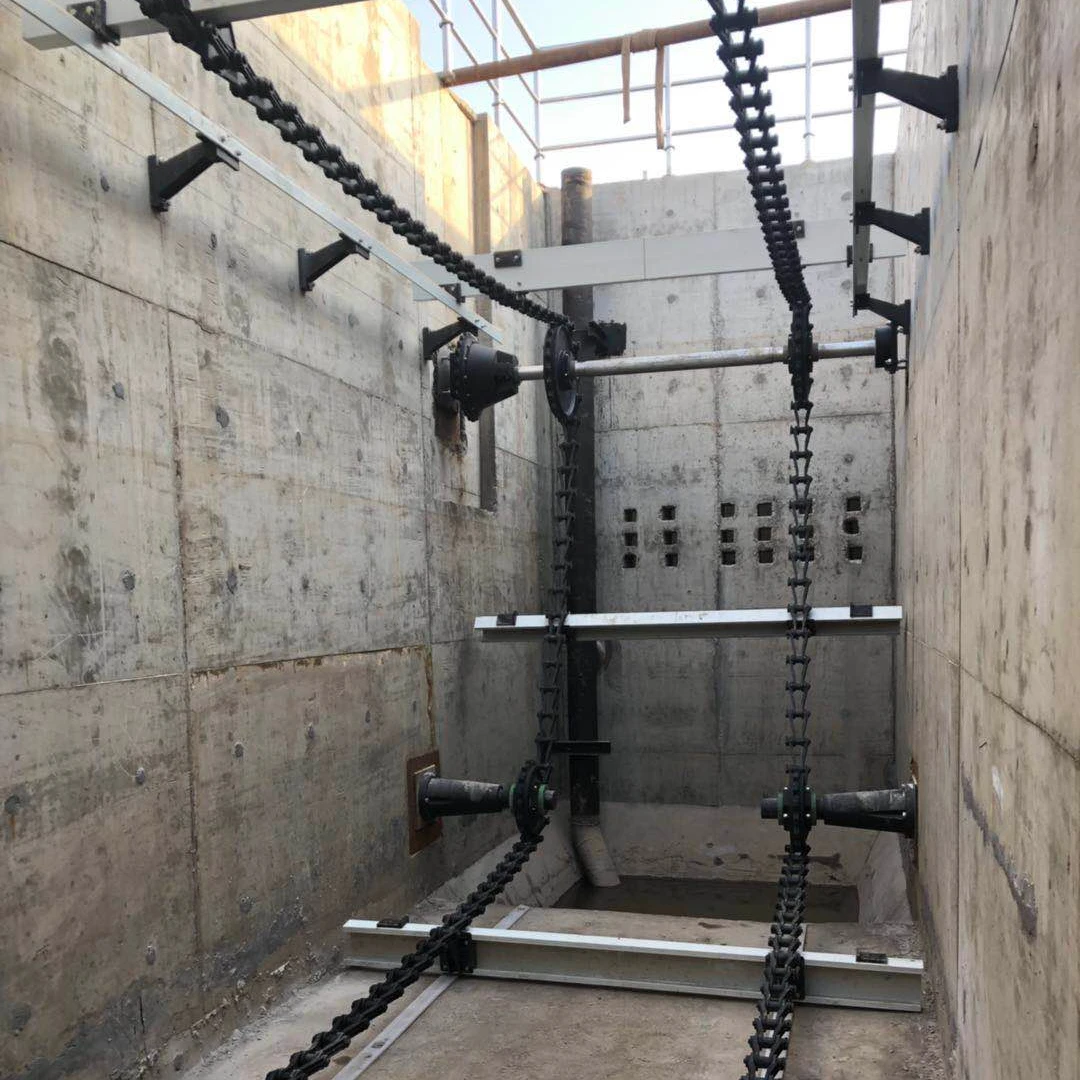
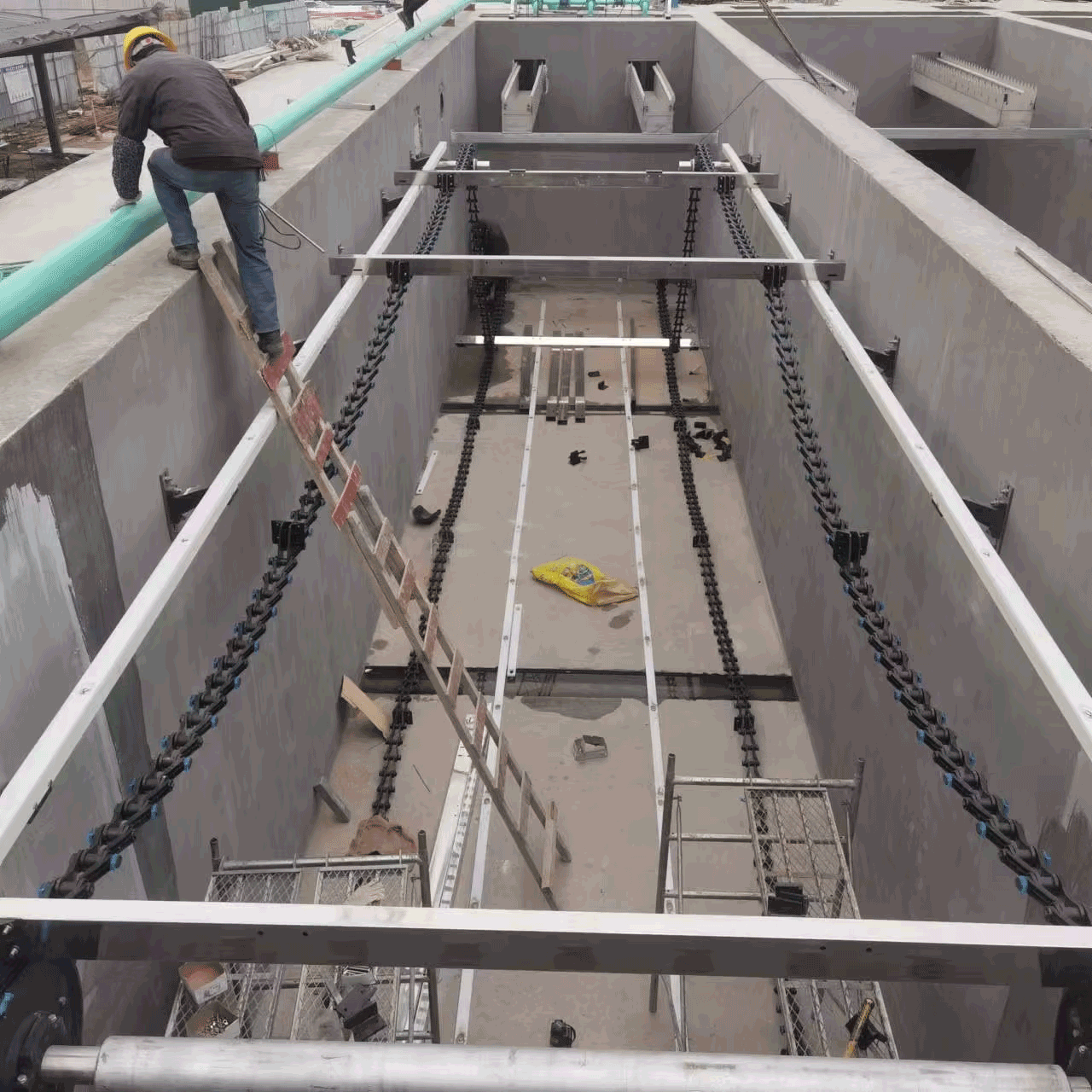
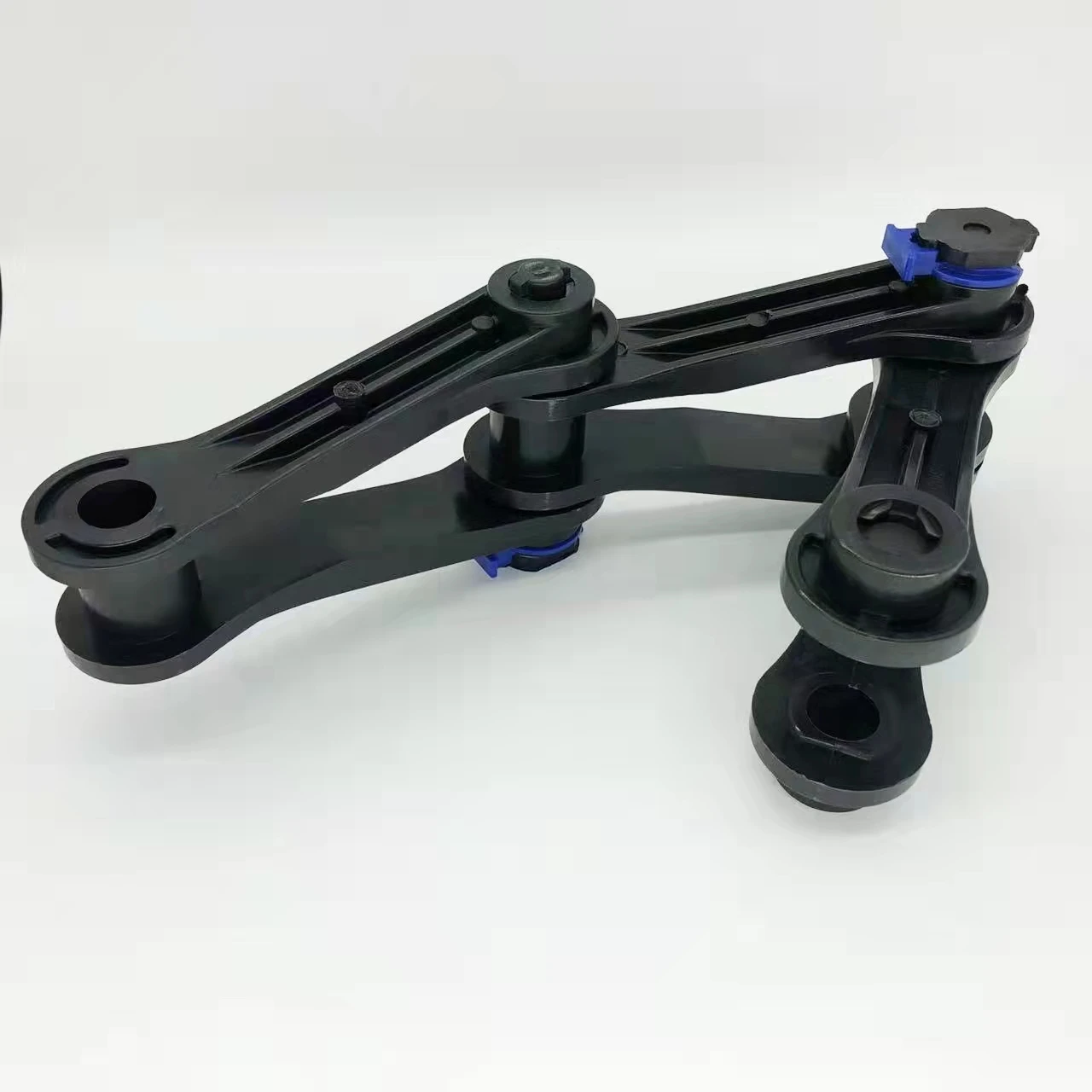
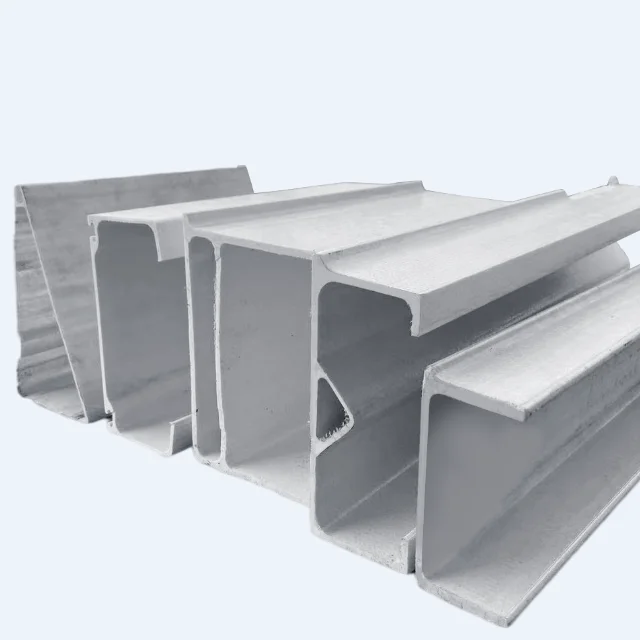
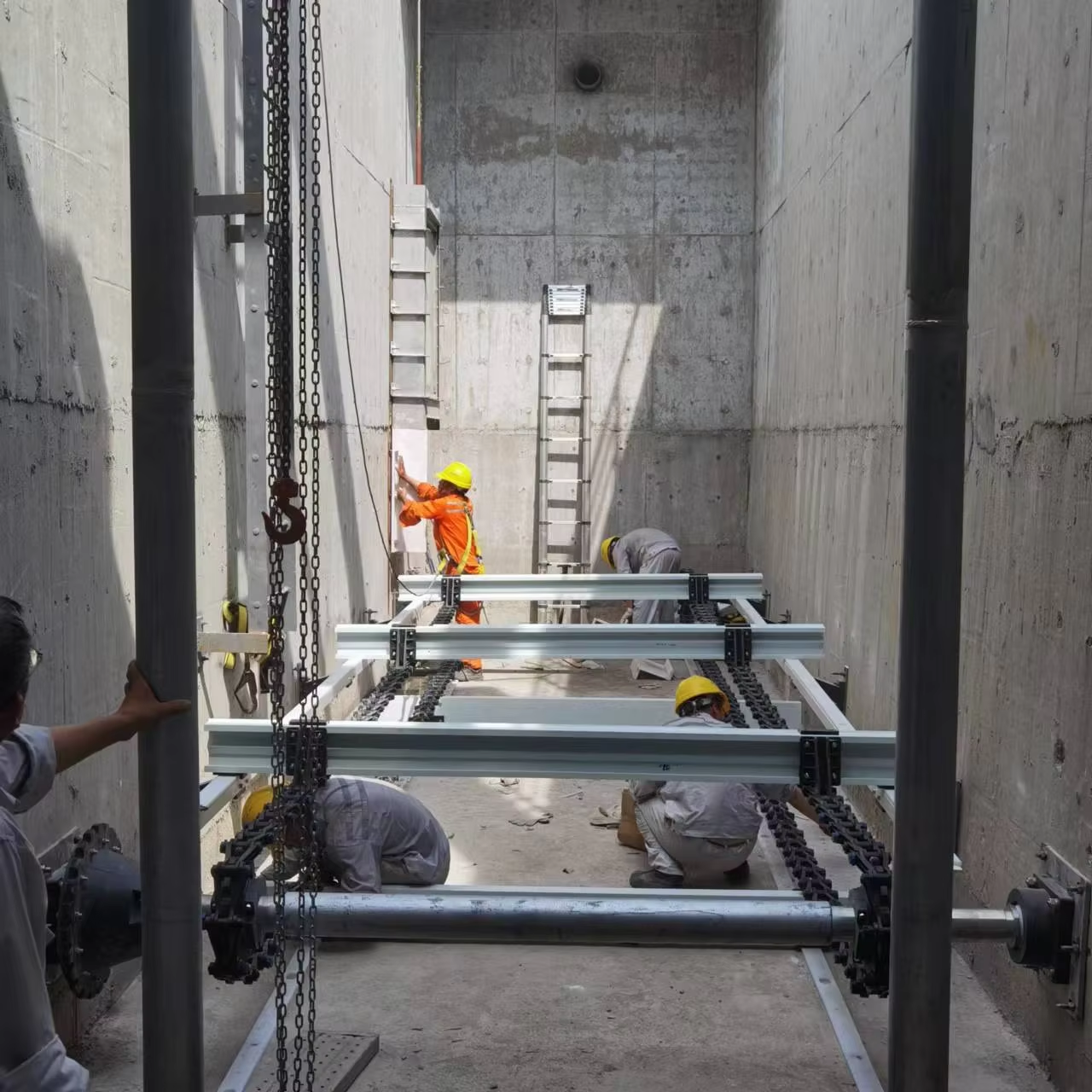
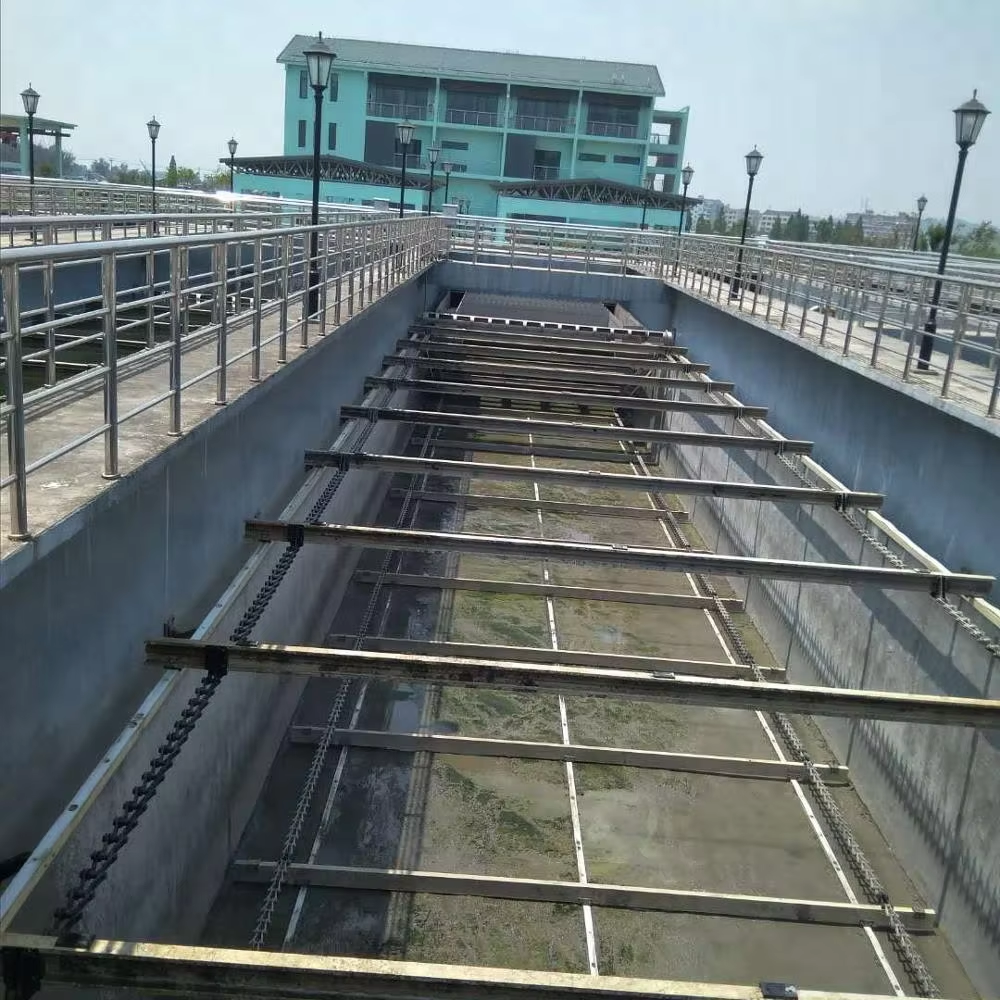
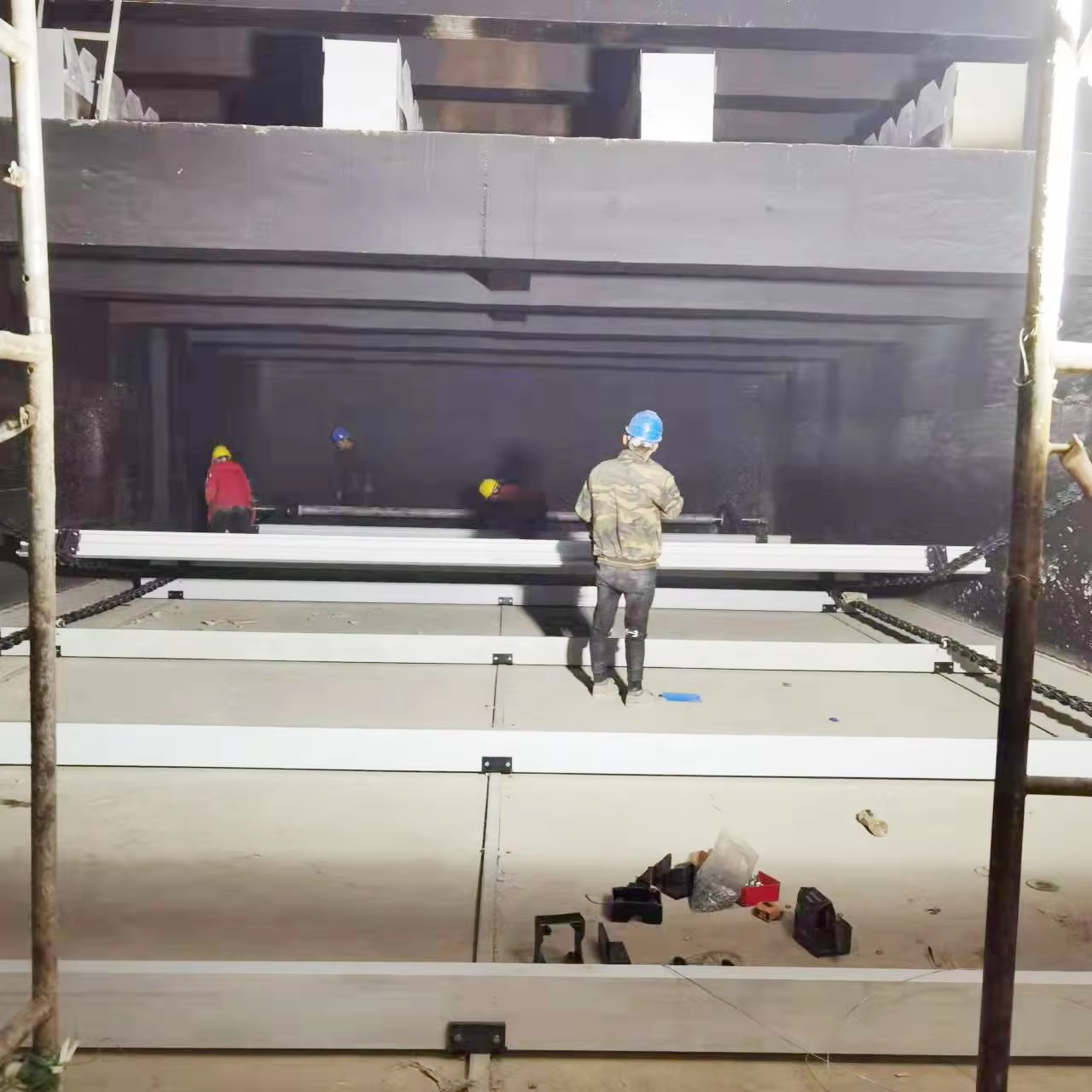
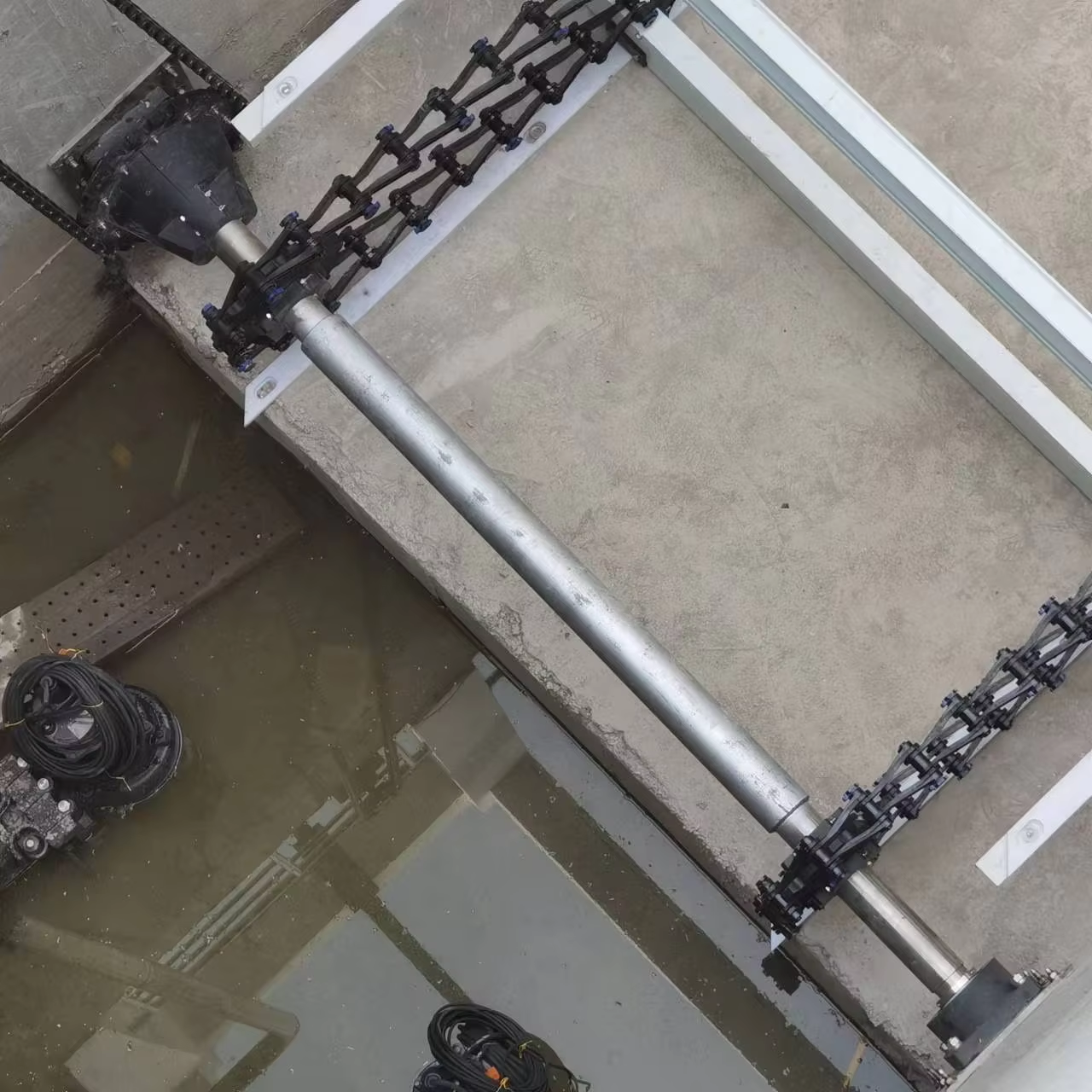
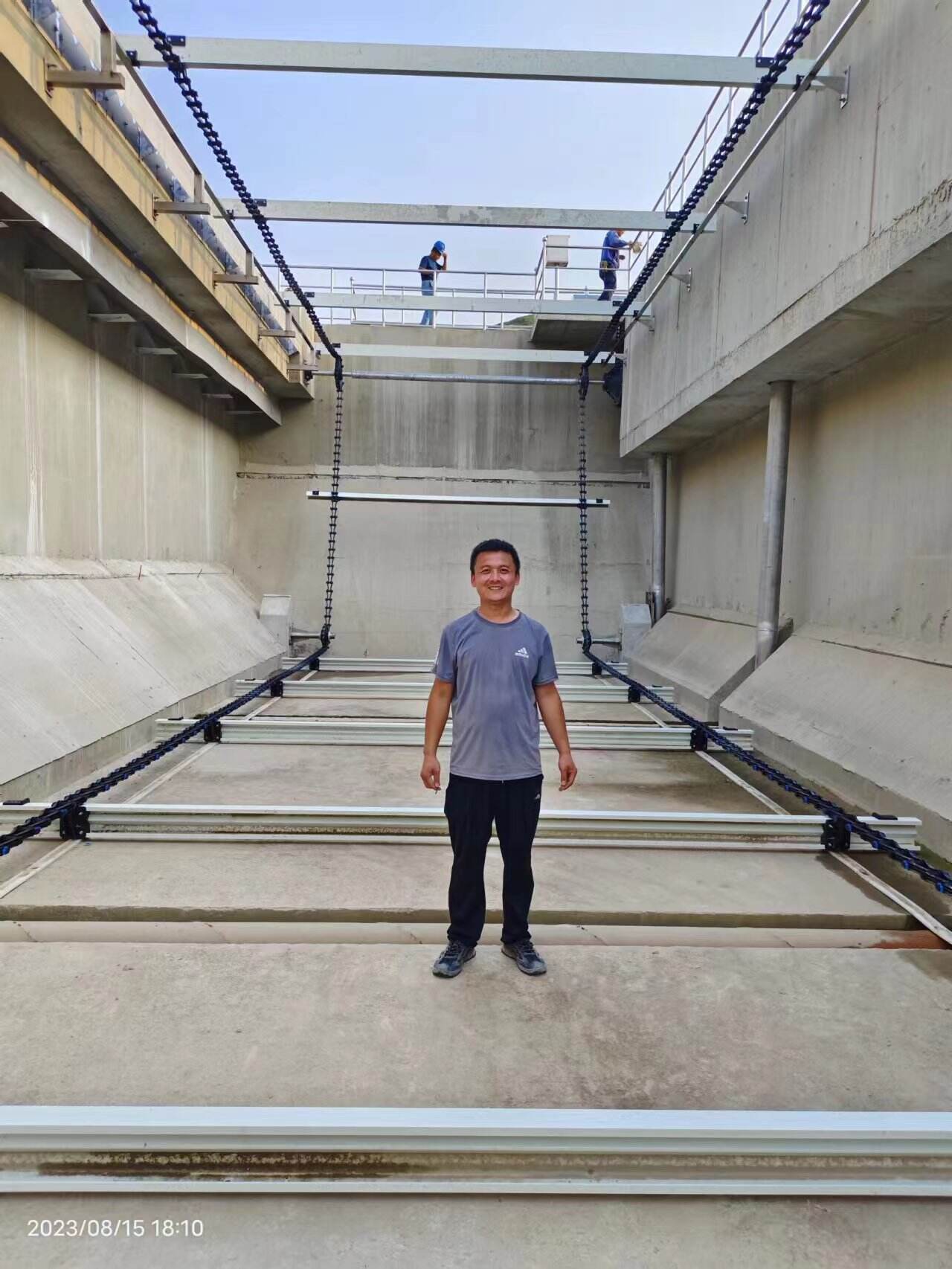
A secondary wastewater treatment plant is specifically designed to perform the biological phase of wastewater purification, following the primary physical treatment stage. Its fundamental purpose is to degrade the dissolved and colloidal organic matter that remains after primary settling, significantly reducing the Biological Oxygen Demand (BOD) and Chemical Oxygen Demand (COD) of the effluent. The heart of this plant is the biological reactor and the secondary clarifier. In the most common activated sludge process, wastewater is mixed with a culture of aerobic microorganisms (activated sludge) in aeration basins. Air or oxygen is pumped in to sustain the metabolic processes of these microbes as they consume the organic pollutants. The mixture then flows into a secondary clarifier or settling tank, where the gravity separation of the microbial mass (now called biological floc) from the treated wastewater occurs. The clarified water overflows from the top for further treatment or discharge, while a portion of the settled sludge is recycled to the aeration basin to maintain a high microbial population, and the excess is wasted for further processing. The performance of the secondary clarifier is paramount; any failure in efficiently collecting and removing the settled sludge can lead to washout of solids, process failure, and permit violations. This is where high-efficiency sludge collection equipment becomes indispensable. Our non-metallic scrapers are engineered to provide continuous, uniform sludge removal in these clarifiers, ensuring optimal biological process health. They are constructed from materials that withstand the corrosive environment of biological sludge, guaranteeing long-term reliability and minimal operational interruption. For pricing and technical specifications for your secondary treatment needs, please inquire directly.