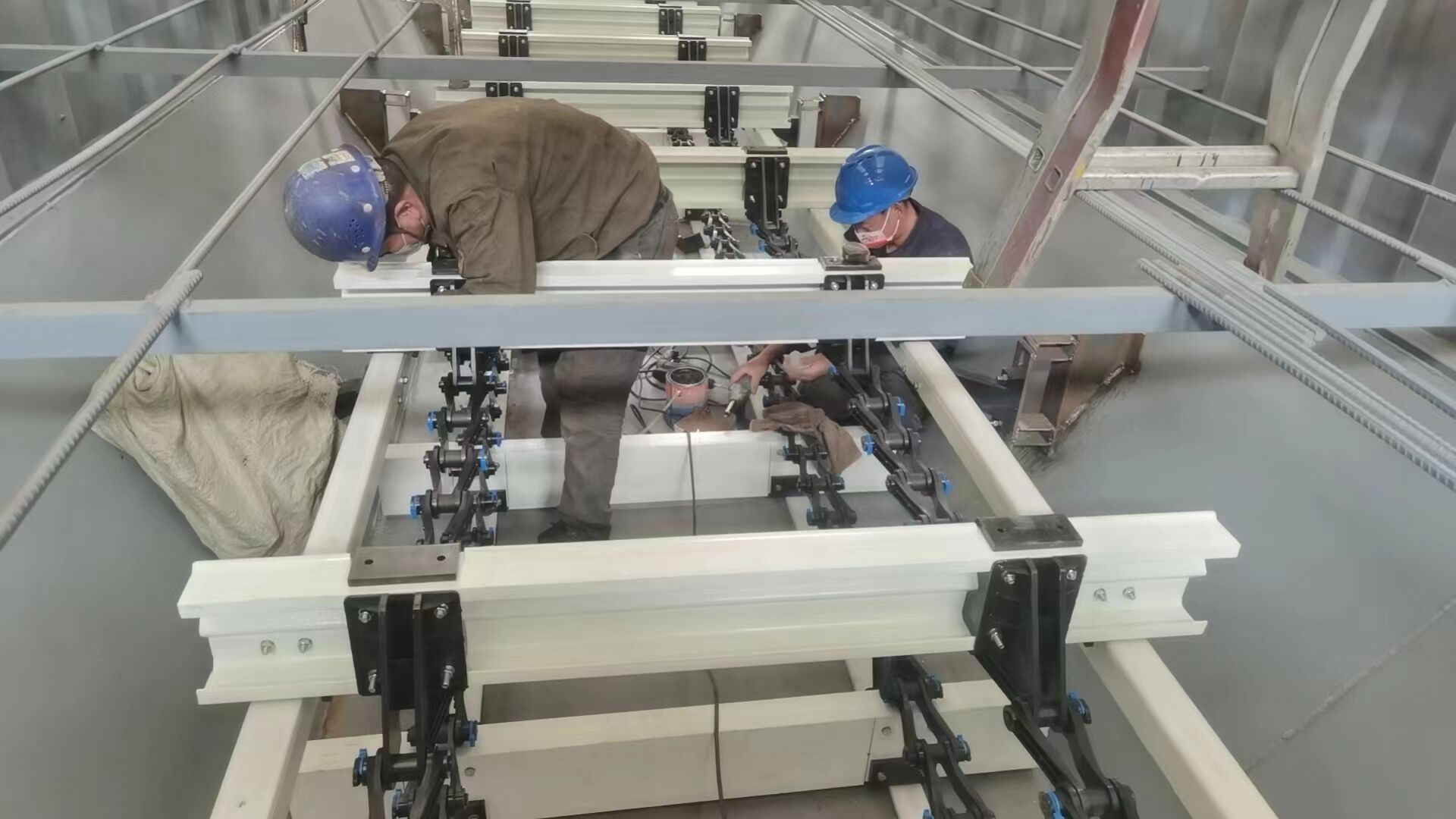
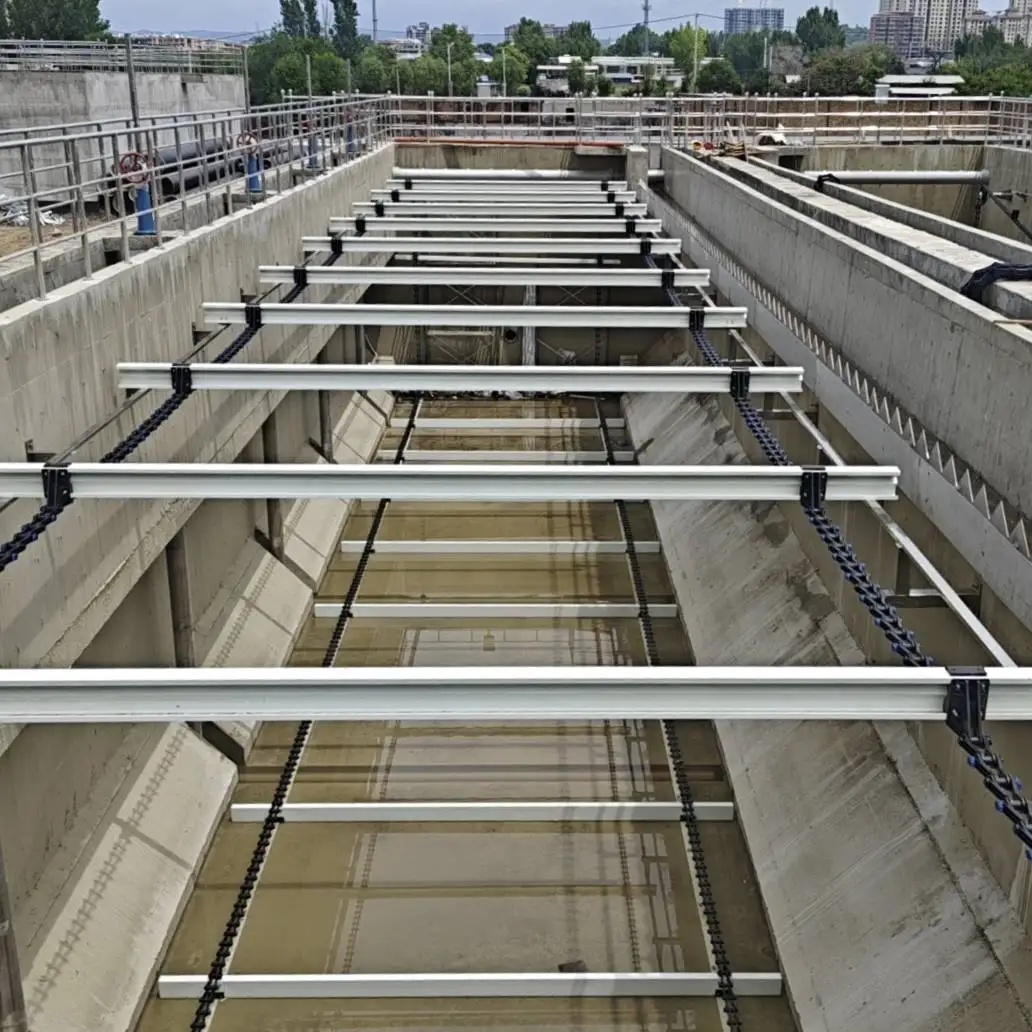
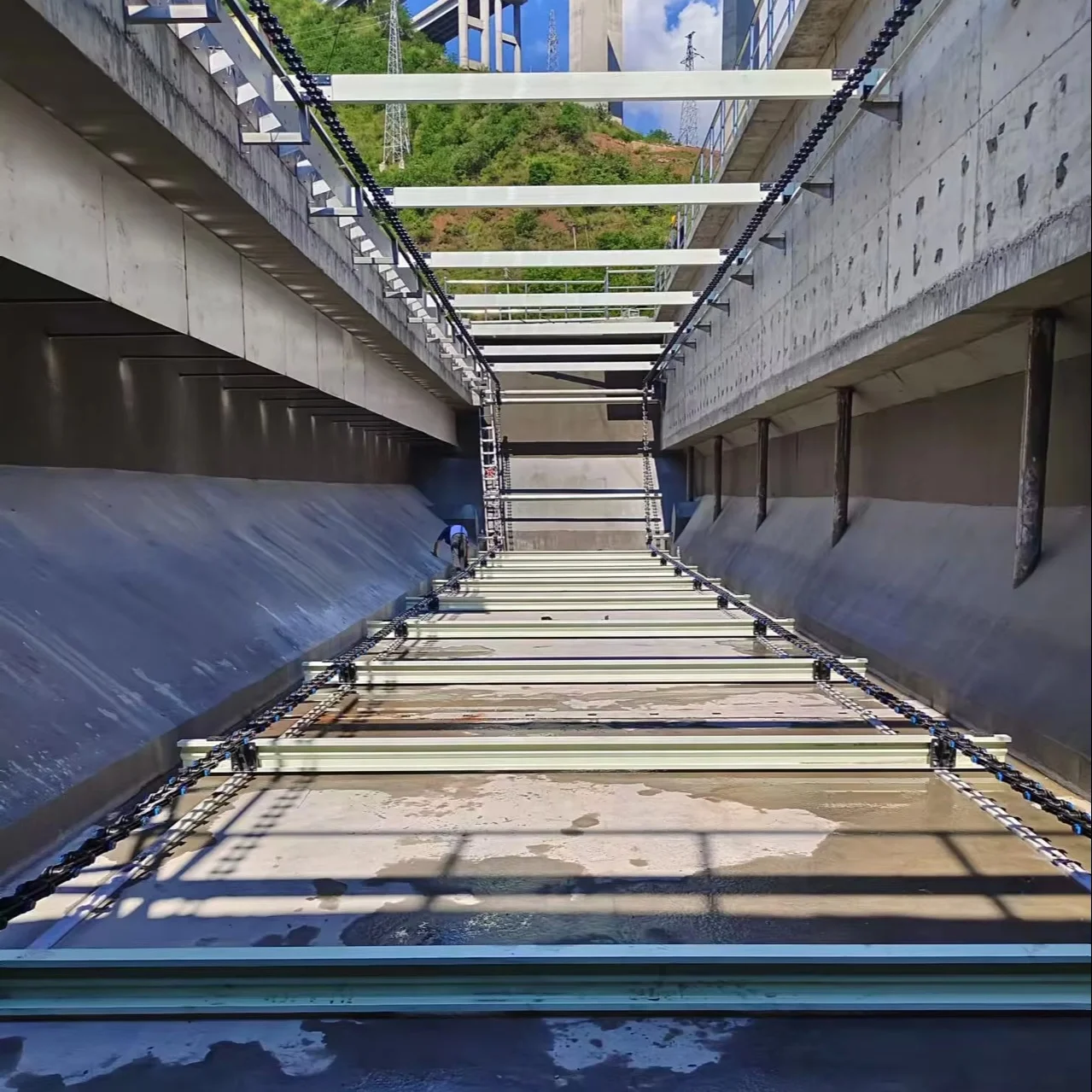
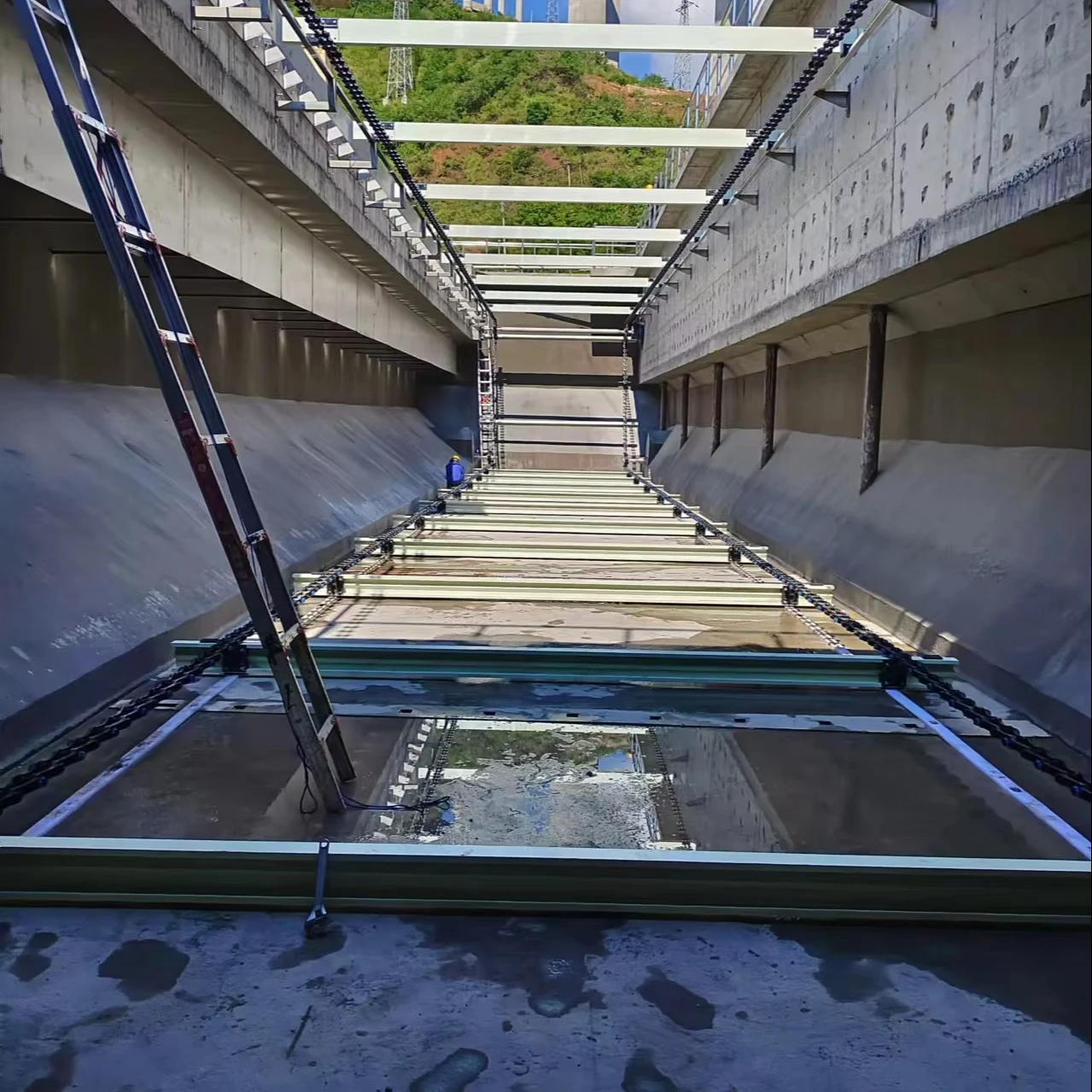
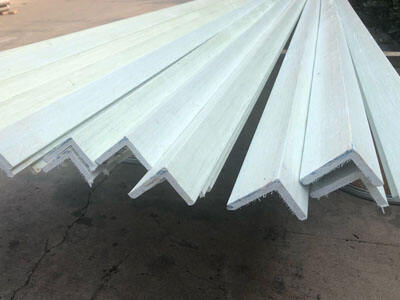
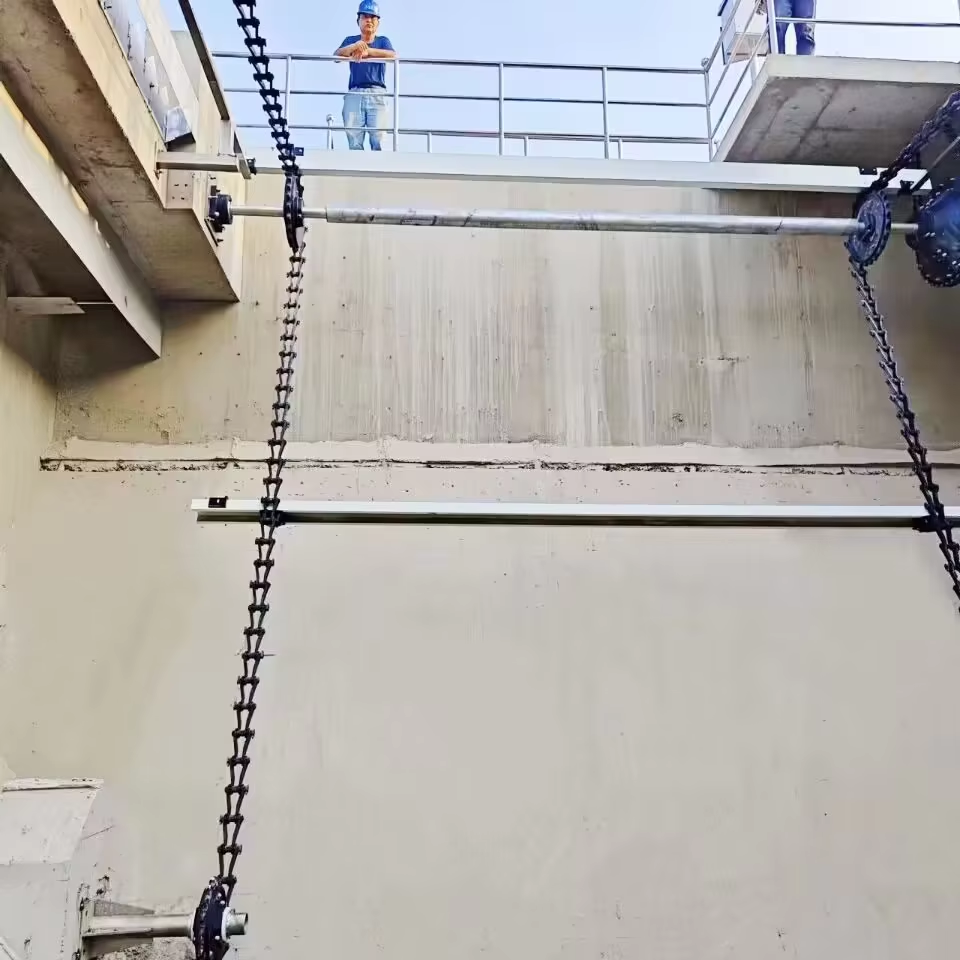
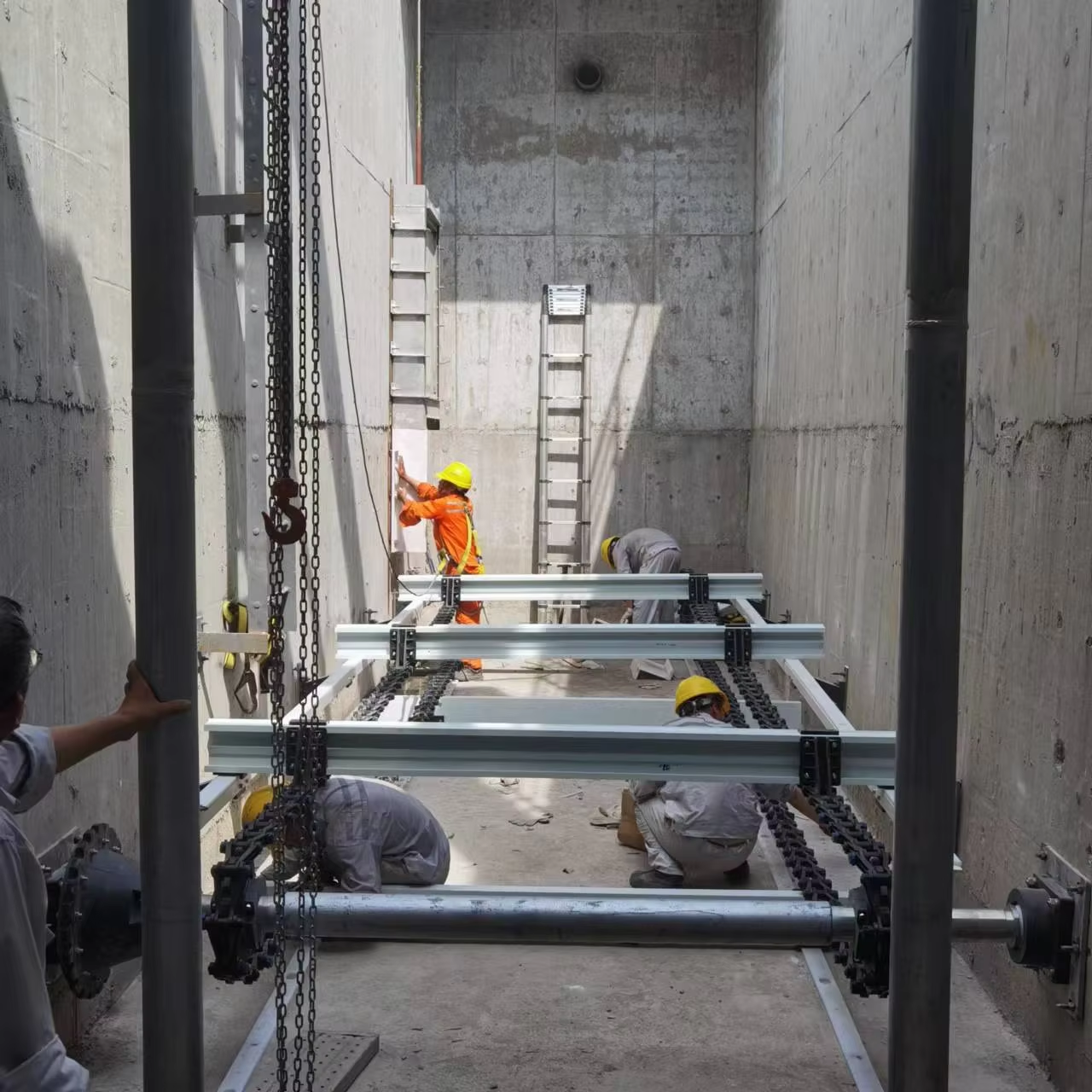
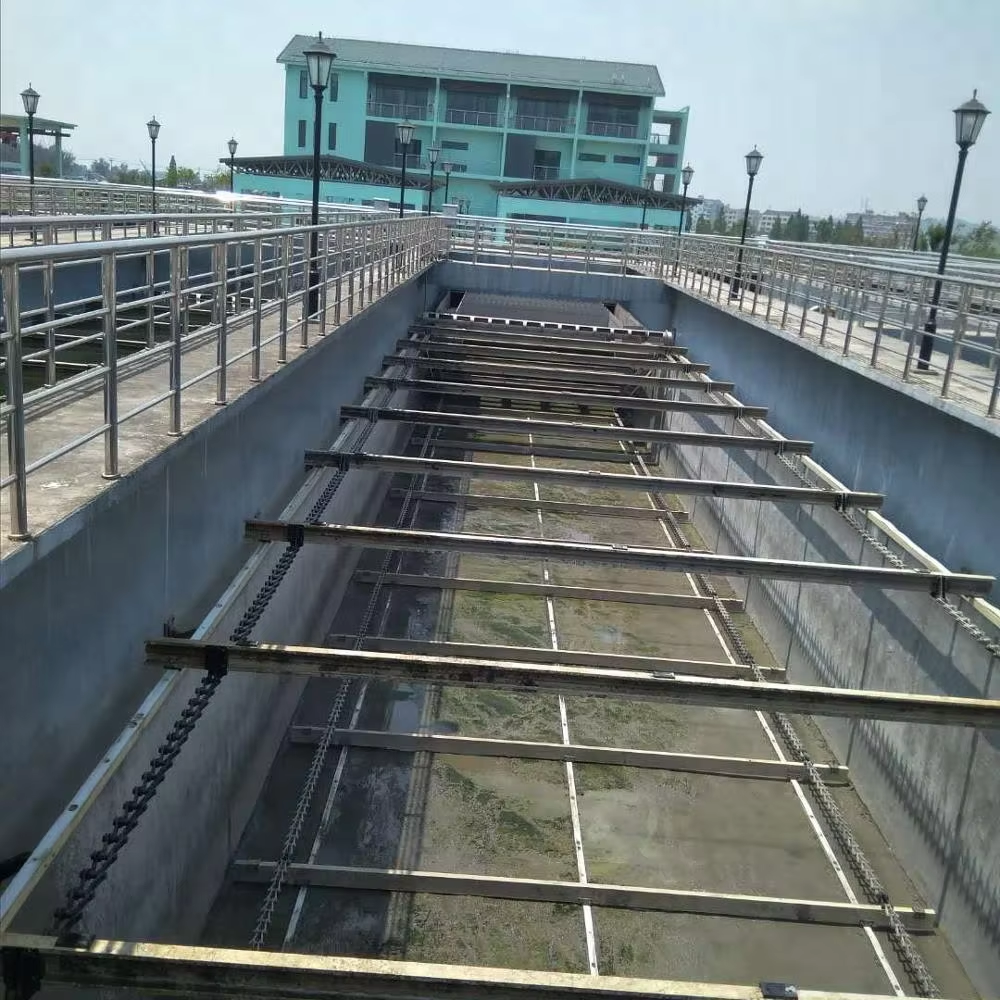
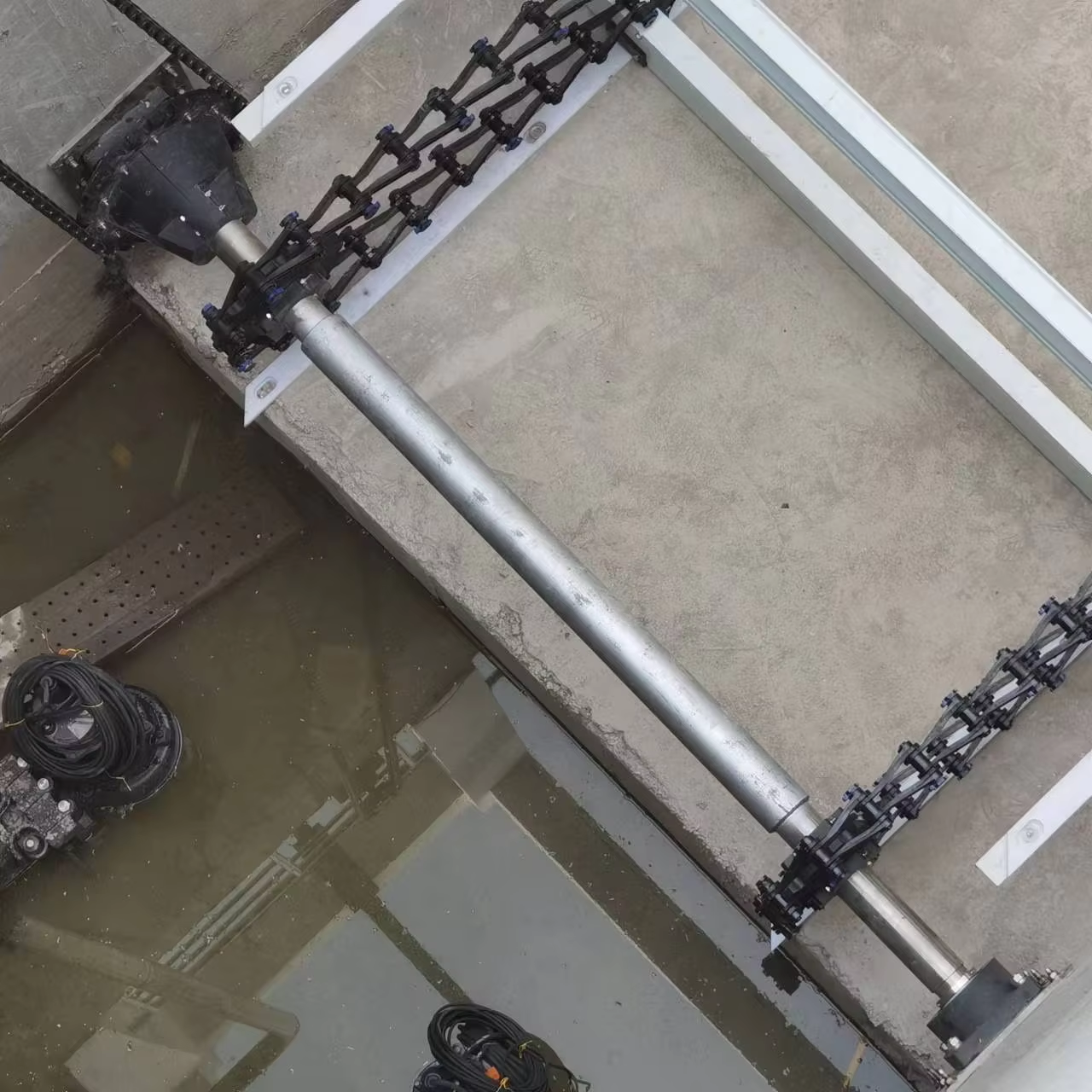
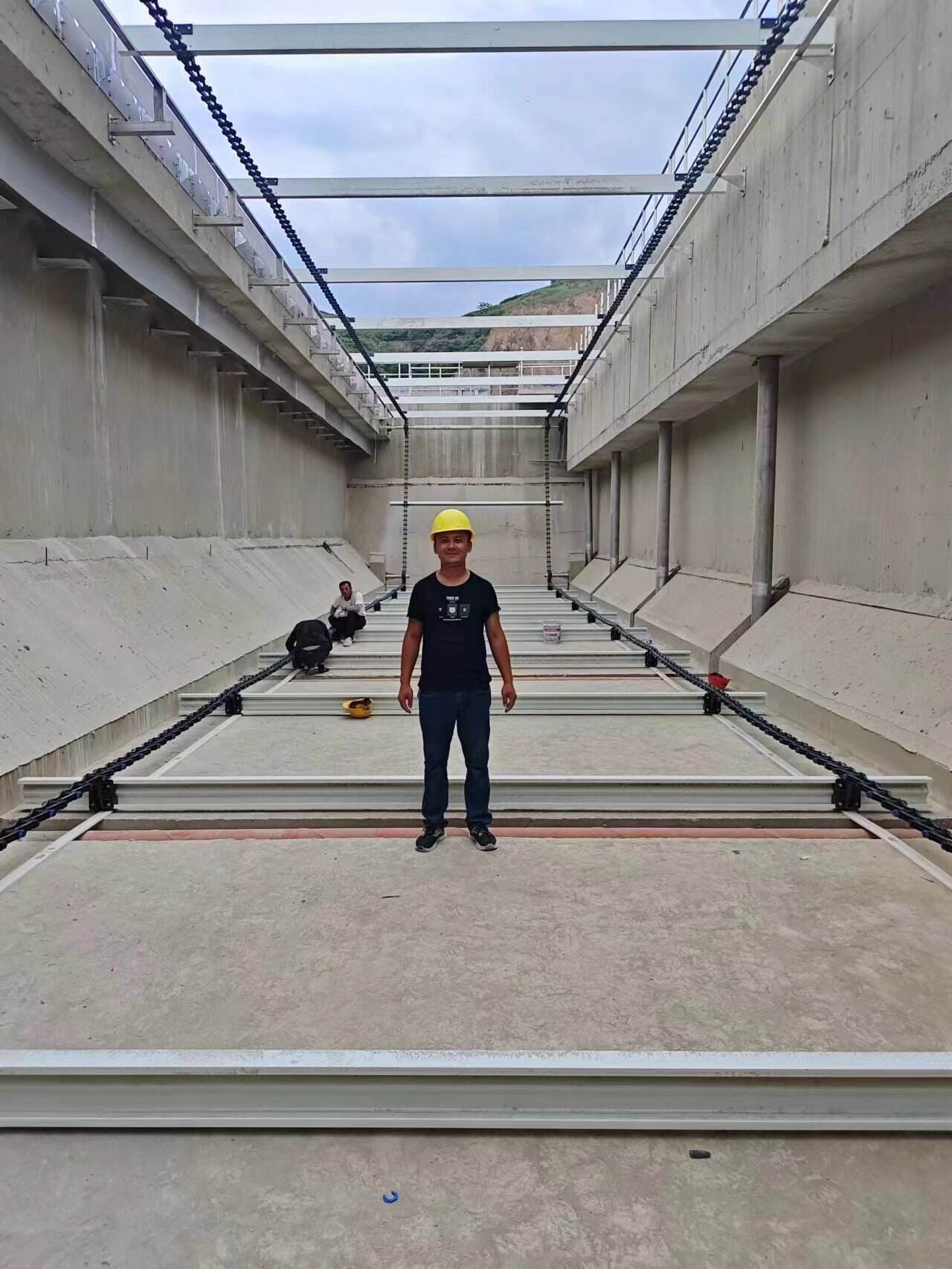
The total cost of a water treatment plant is a comprehensive calculation encompassing capital expenditure (CAPEX) for design, engineering, and equipment procurement, and operational expenditure (OPEX) for energy, maintenance, labor, and consumables. A critical, yet often underestimated, factor in the lifecycle cost analysis is the selection of internal mechanical components. Equipment failure, particularly in harsh environments like sedimentation tanks, leads to unplanned downtime, expensive emergency repairs, and potential process upsets that can violate discharge permits. While the initial purchase price of a component is a consideration, its durability and maintenance requirements ultimately define its true cost. Investing in superior, corrosion-resistant technology from the outset is a strategic decision that minimizes OPEX. For instance, specifying non-metallic sludge scrapers eliminates the recurring costs associated with repairing and replacing corroded metal systems. This directly translates to reduced labor hours, zero costs for anti-corrosion paints or cathodic protection, and avoided production losses from tank downtime. The resulting financial benefit is a significantly lower total cost of ownership over the plant's decades-long operational life. For a detailed and customized cost-benefit analysis based on your specific project parameters, including flow rate, wastewater characteristics, and local energy rates, please contact our engineering team for a comprehensive consultation.