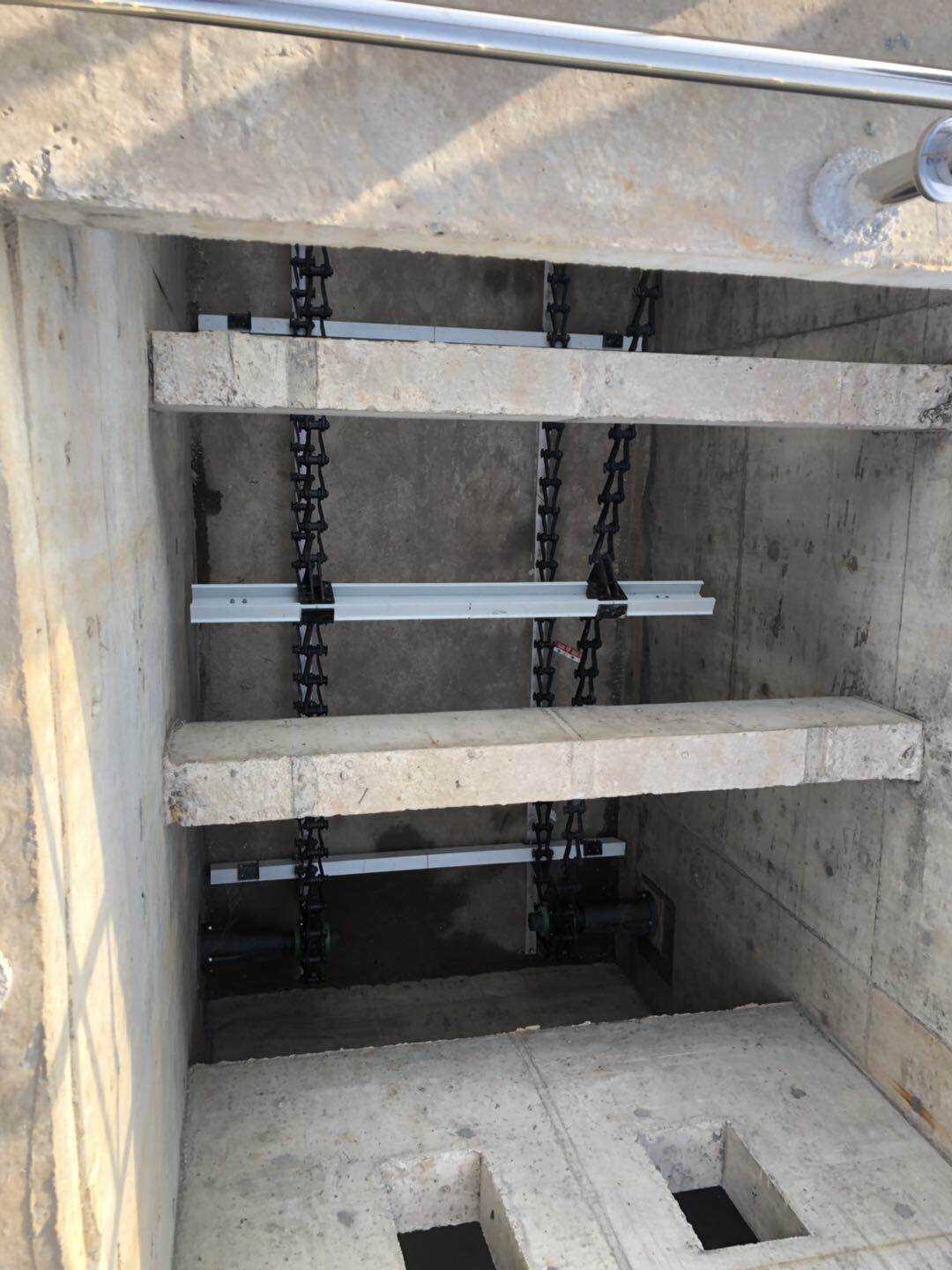
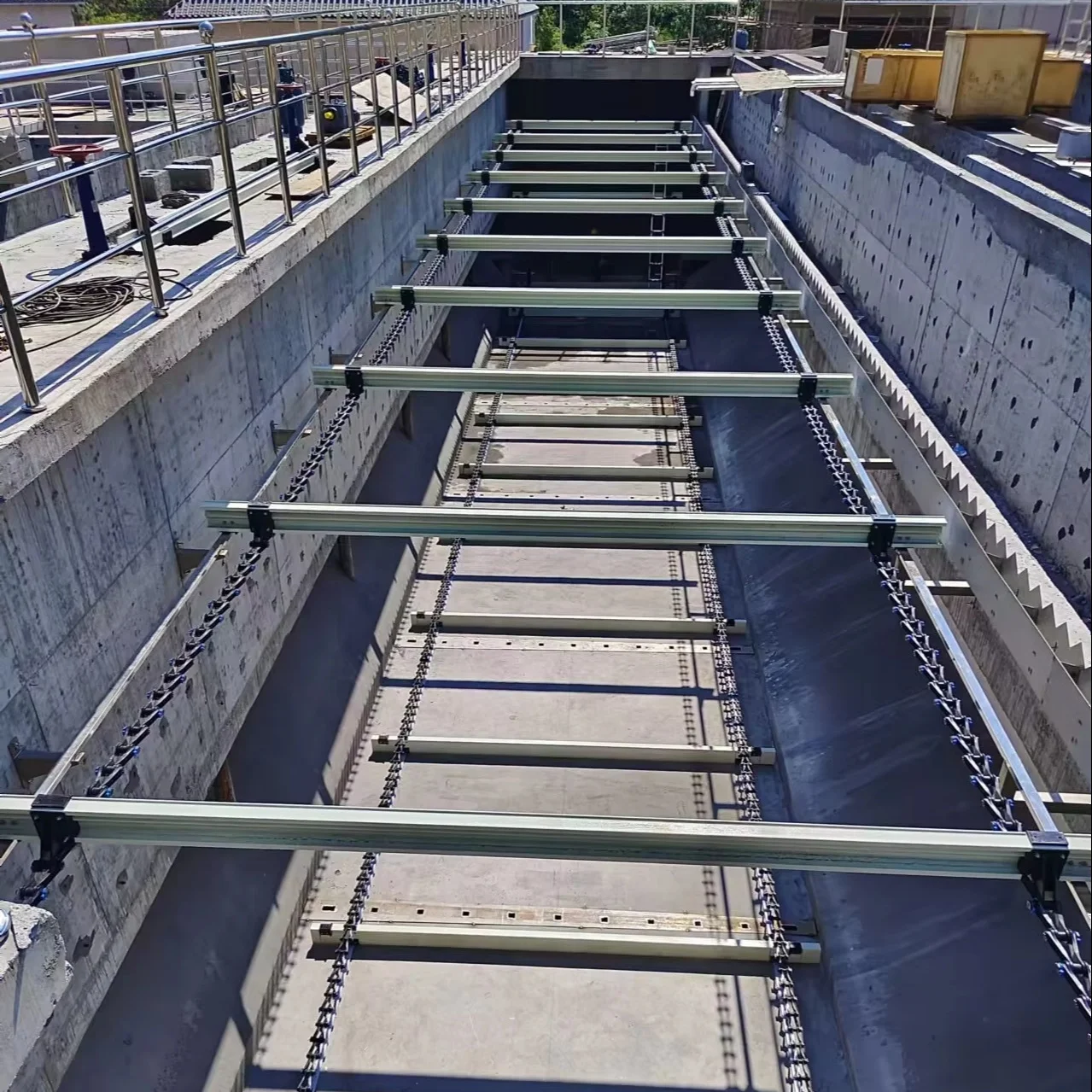
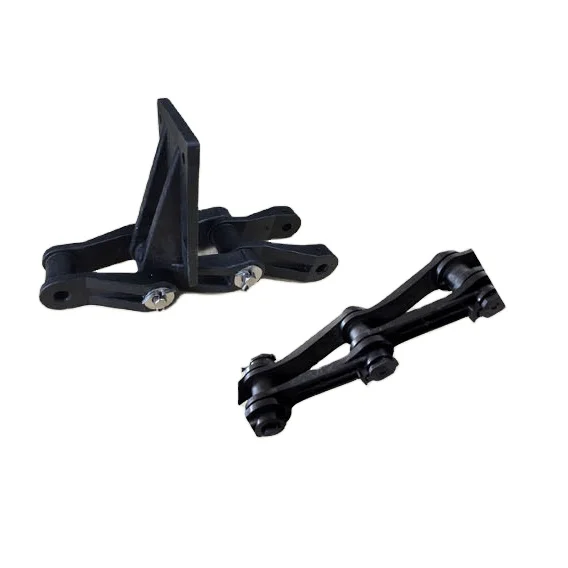
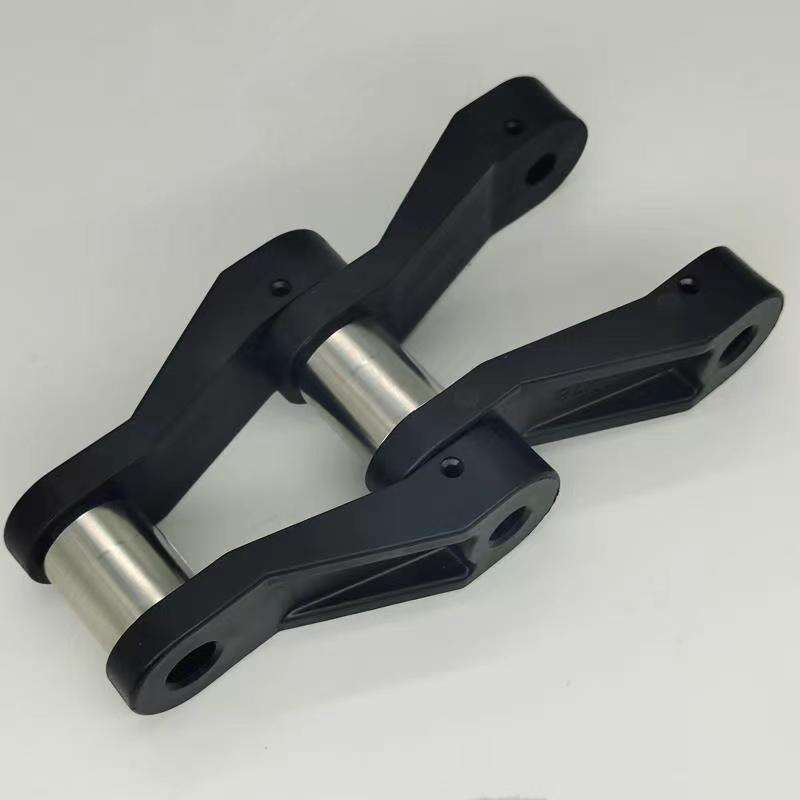
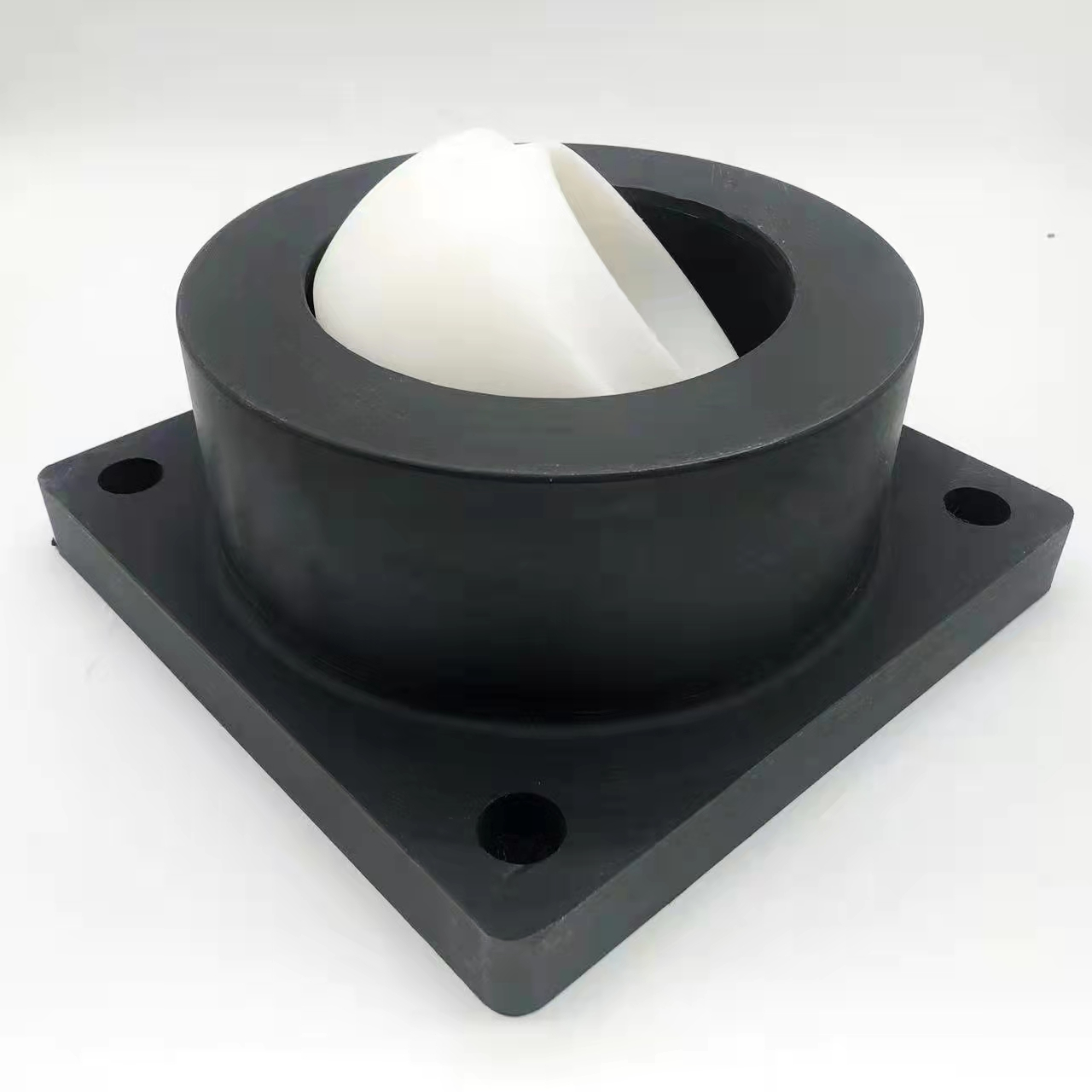
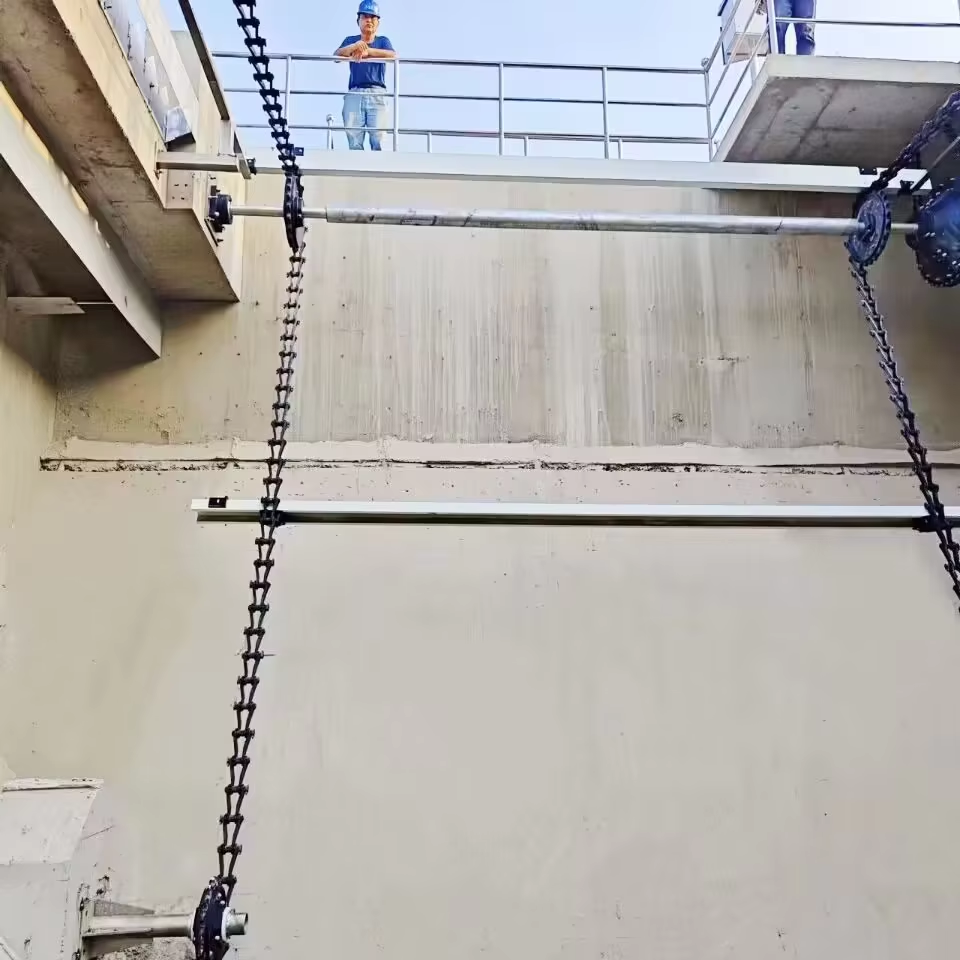
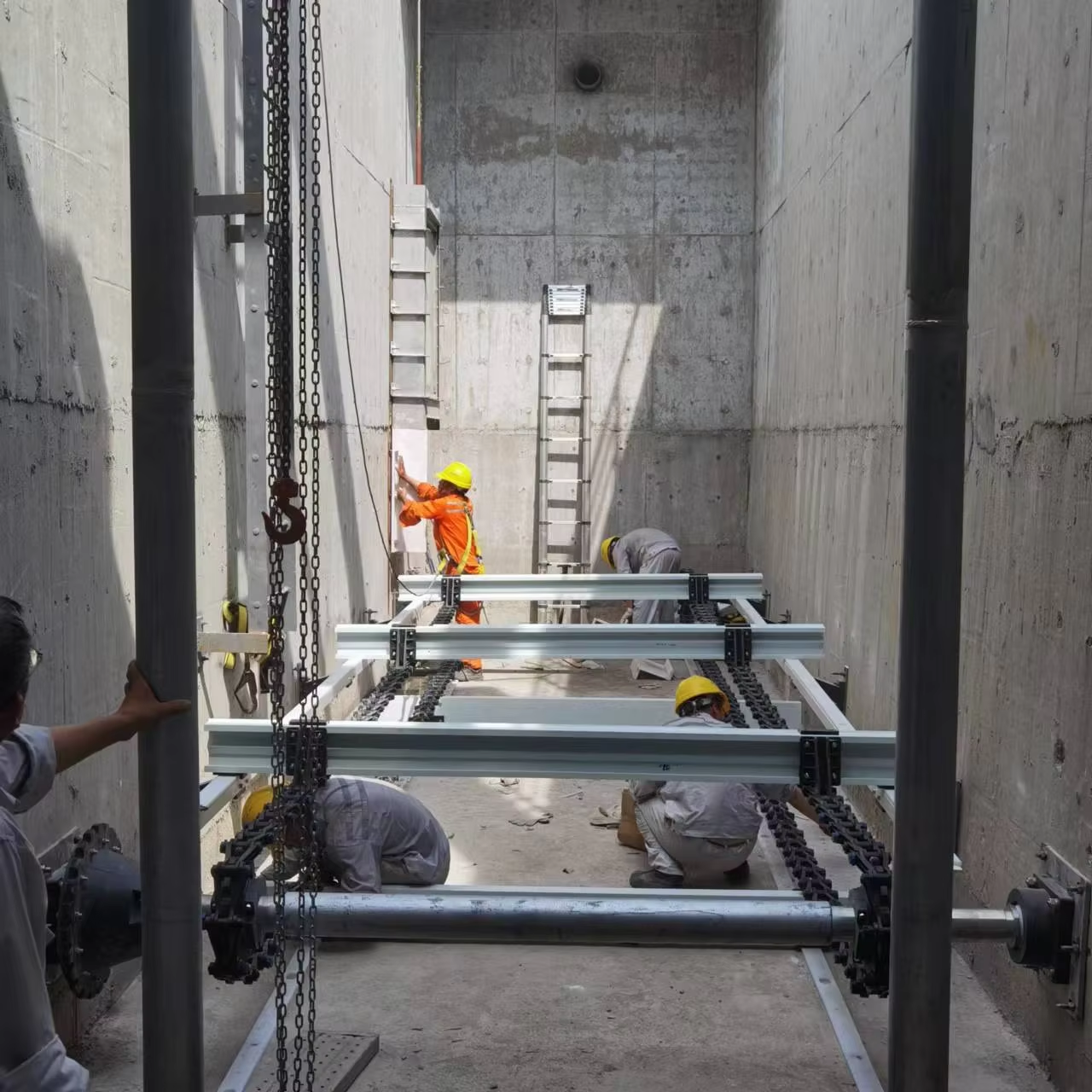
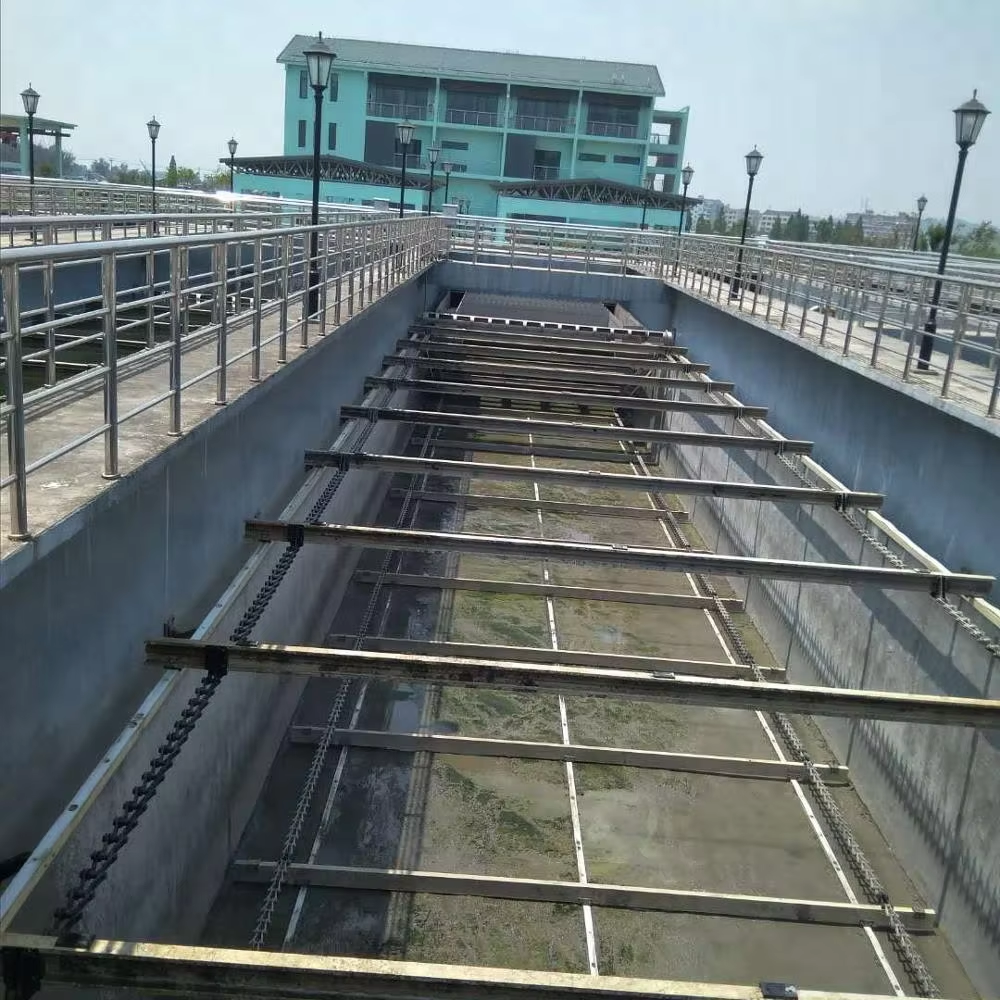
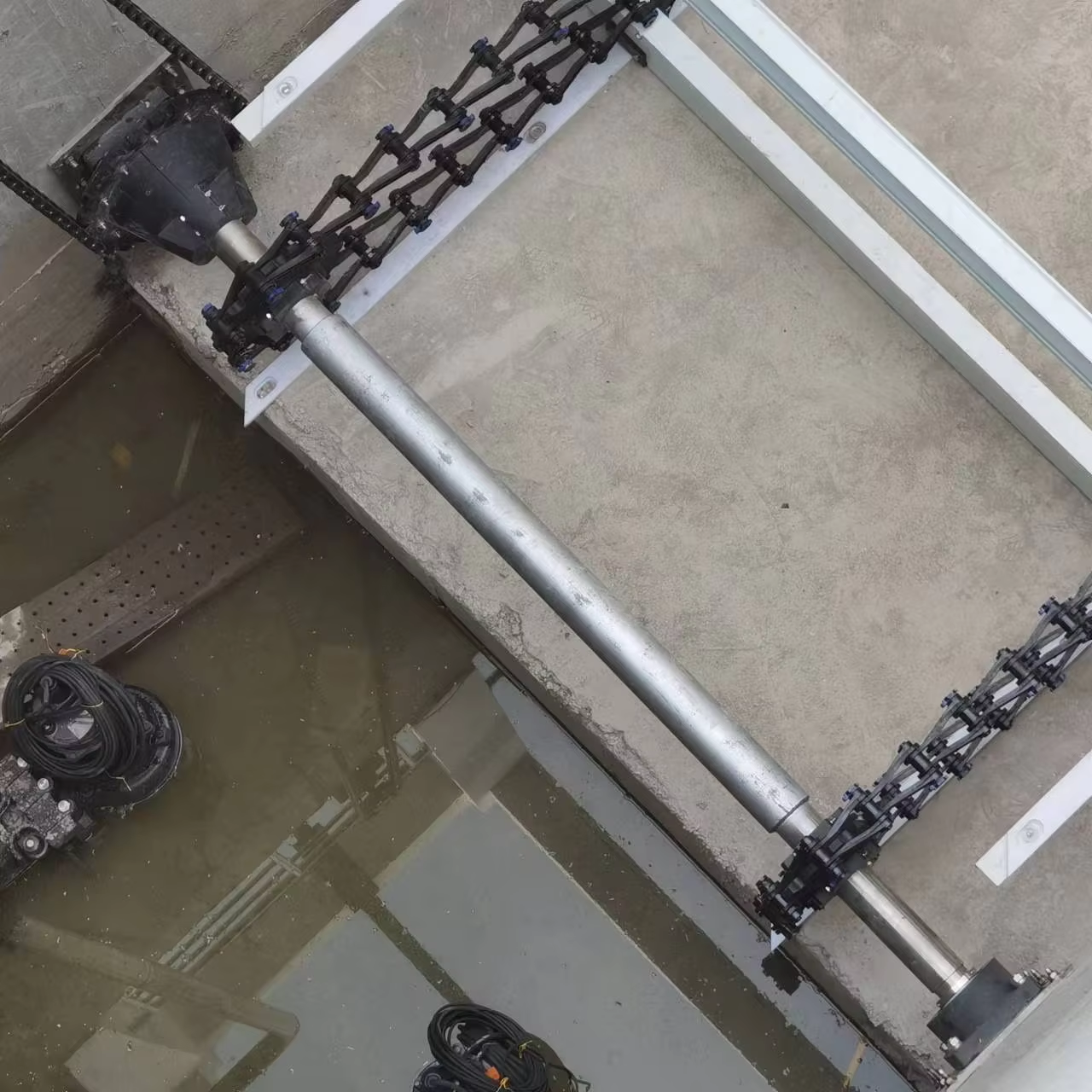
Corrosion Resistance is the defining feature of this category of Sludge Mud Scraper, making it indispensable for applications involving aggressive media. Constructed from meticulously selected materials such as stainless steels (e.g., 316, 2205), specialty alloys, or non-metallic composites, these scrapers are designed to withstand constant exposure to acidic, alkaline, or saline conditions that would rapidly degrade ordinary carbon steel. The selection of material is based on a detailed analysis of the wastewater chemistry, temperature, and concentration of corrosive agents. In industries like petrochemical processing, pharmaceutical manufacturing, or landfill leachate treatment, where the sludge can contain a cocktail of harsh compounds, corrosion-resistant scrapers are essential for maintaining operational integrity and preventing frequent, costly replacements. Every component, from the main structure and blades to fasteners and bearings, is chosen for its compatibility with the service environment. This comprehensive approach prevents premature failure points and ensures consistent, reliable performance. For instance, in a flue gas desulfurization (FGD) system where scrubber sludge is highly acidic and abrasive, a scraper made with a high-grade alloy provides years of service without significant degradation. This reliability protects the entire sedimentation process from unplanned shutdowns and maintains the efficiency of solids removal. Investing in a correctly specified corrosion-resistant system is a strategic decision for long-term asset protection and operational cost management. To specify the right material for your corrosive application, we recommend contacting our engineering department for a review of your process conditions.