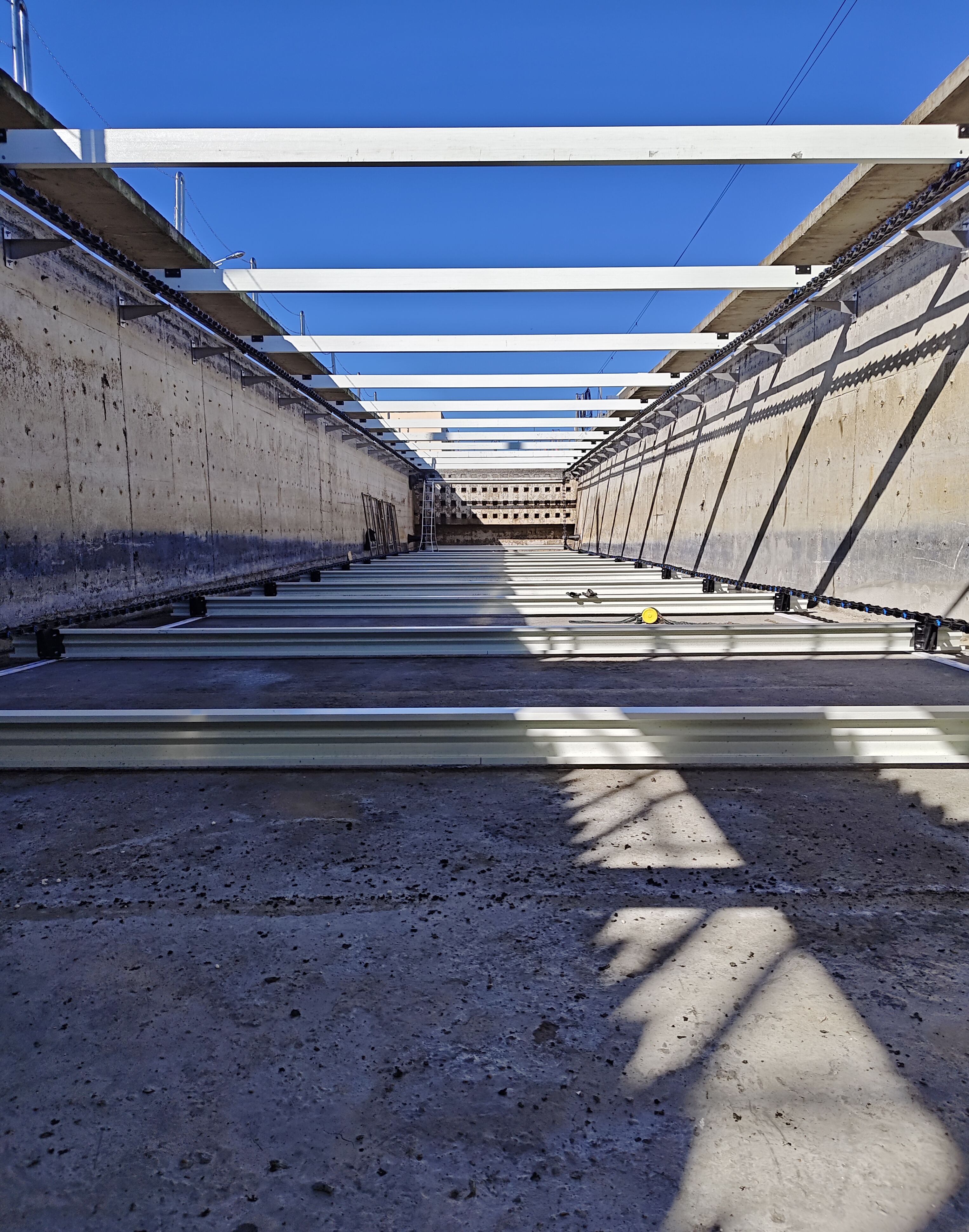
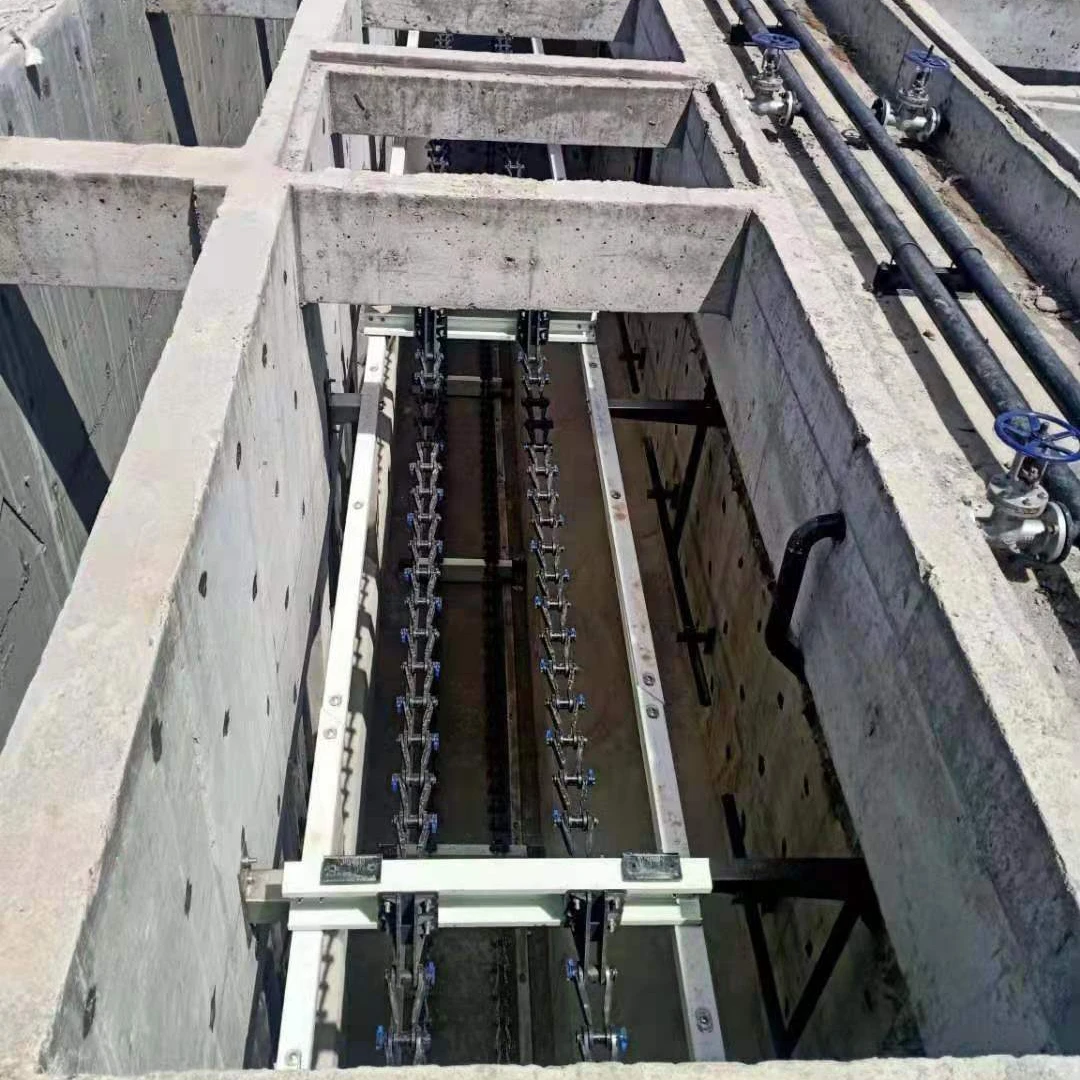
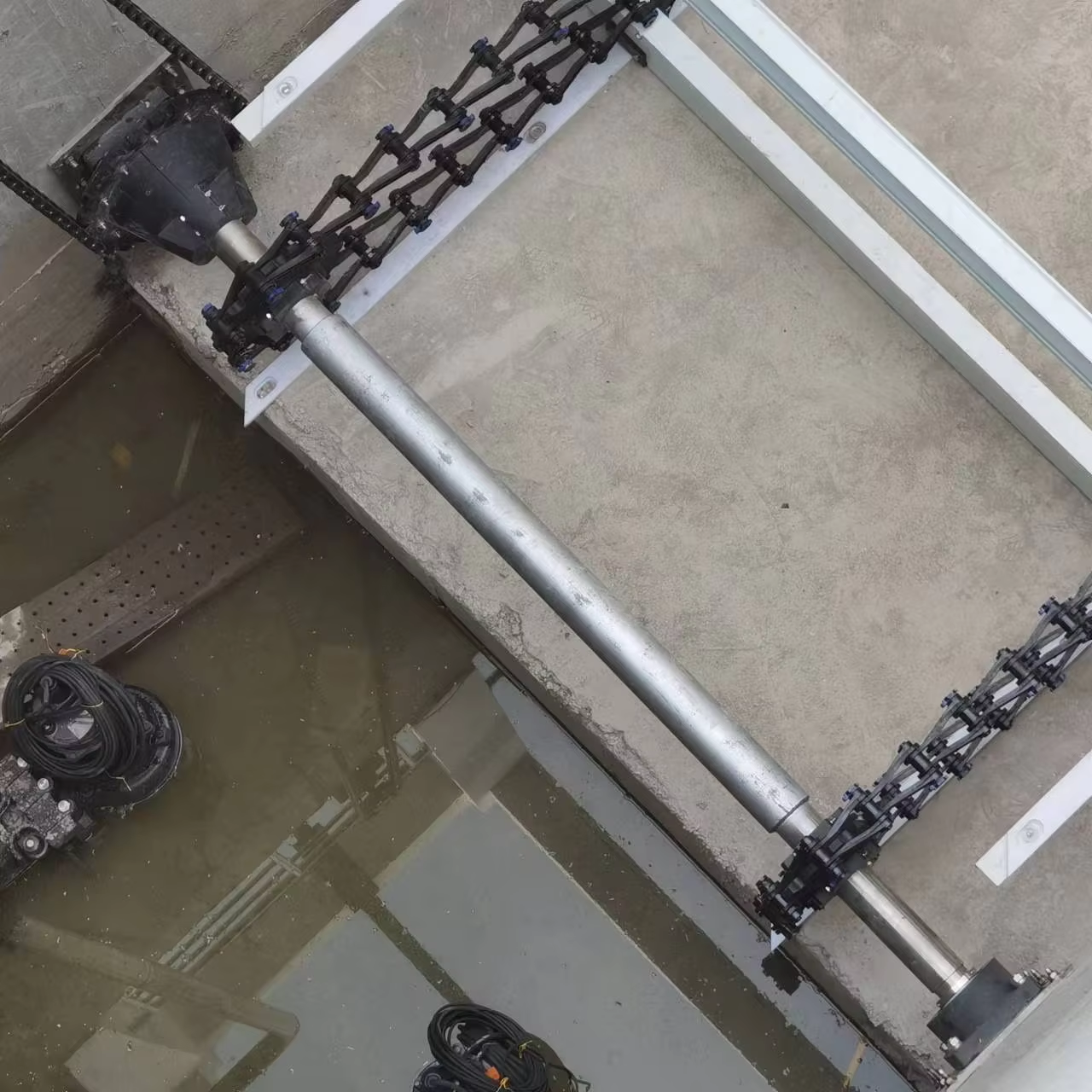
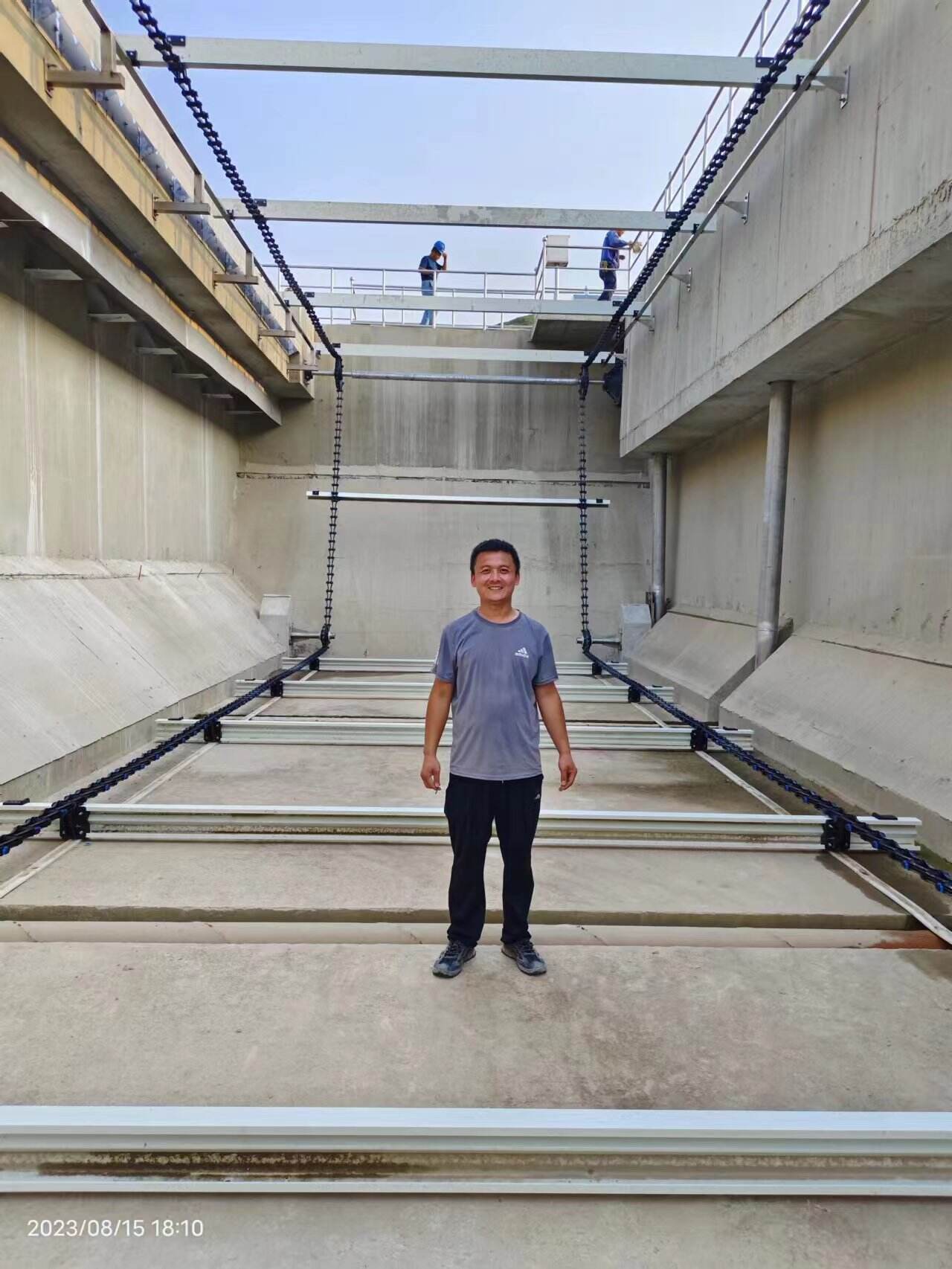
An environmentally friendly sludge scraping method prioritizes minimizing the ecological footprint of the sludge removal process through energy efficiency, use of sustainable materials, and design features that enhance the overall treatment process. The core of this approach is a significant reduction in energy consumption. This is achieved by employing high-efficiency IE4 class motors, regenerative drives that can feedback energy during braking cycles, and intelligent control systems that operate the scraper only when necessary, as determined by sludge blanket level sensors. Beyond energy, the materials selected for construction play a key role. Using long-lasting, corrosion-resistant materials like stainless steel and engineered polymers extends the equipment's lifecycle, reducing the frequency of manufacturing replacements and the associated resource consumption and waste. Furthermore, these materials are often recyclable at the end of their long service life. The design of the scraper itself contributes to environmental performance; by ensuring complete and efficient sludge removal, it prevents the buildup and anaerobic digestion of solids in the tank, which can release greenhouse gases like methane and hydrogen sulfide into the atmosphere. Efficient removal also means the downstream sludge processing systems (like digesters or dewatering units) receive a more consistent and concentrated feedstock, improving their efficiency and reducing polymer or energy use. Therefore, investing in a modern, well-designed scraper system has a positive cascading effect on the entire plant's sustainability metrics. We are committed to providing scraping solutions that align with green operational goals. For a detailed discussion on the environmental benefits and energy-saving potential of our equipment, please contact our team for a consultation and an assessment of your current system's performance.