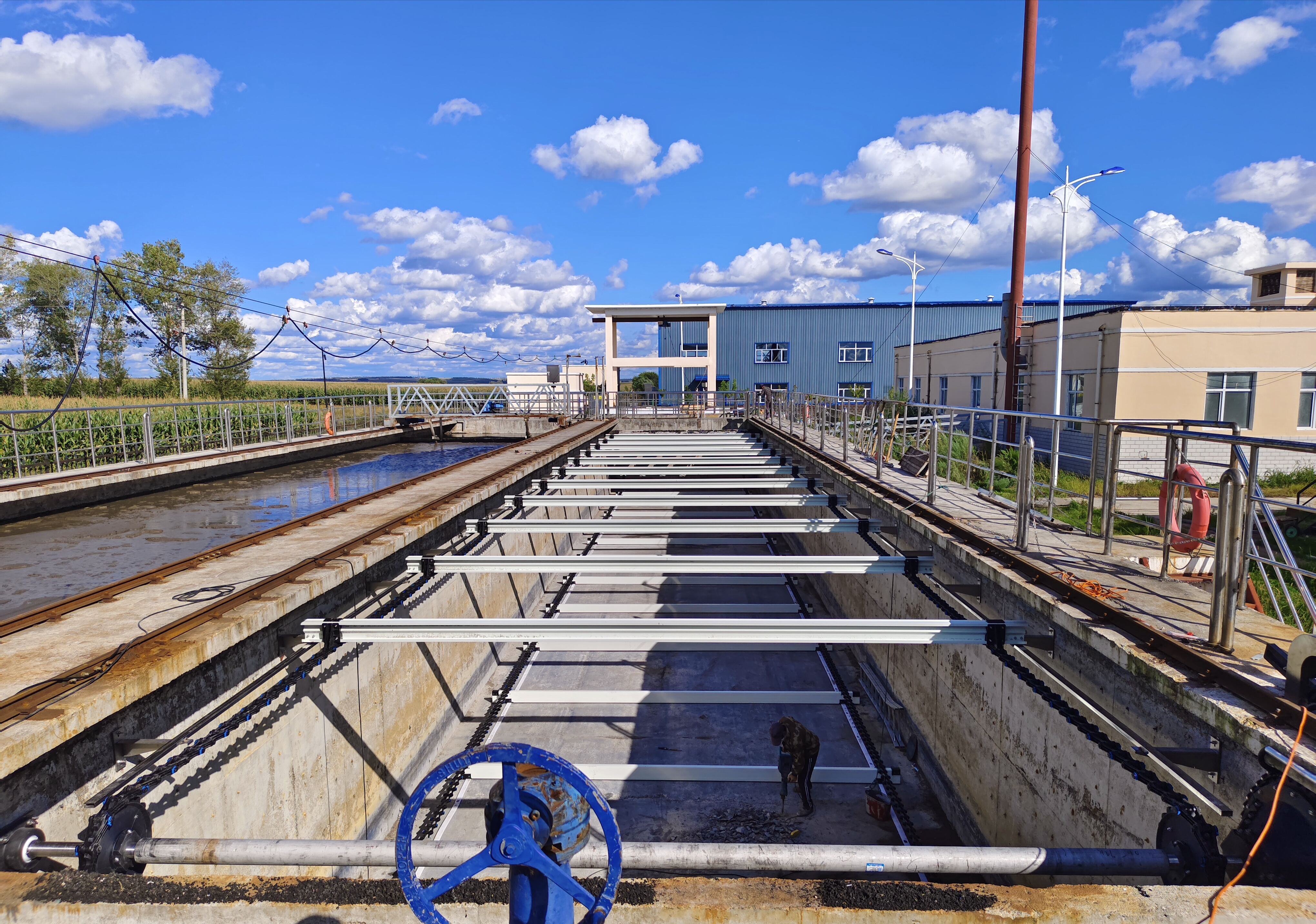
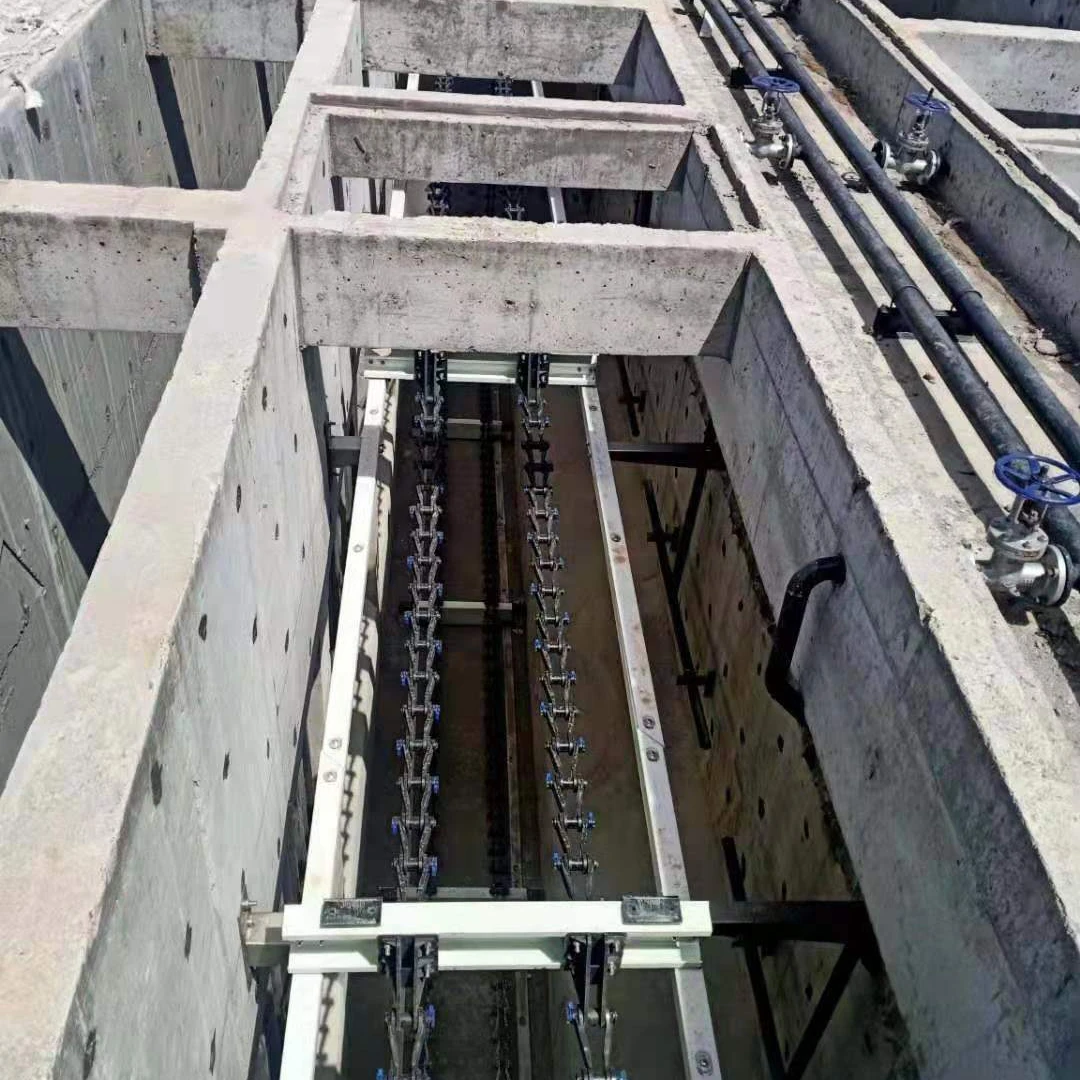
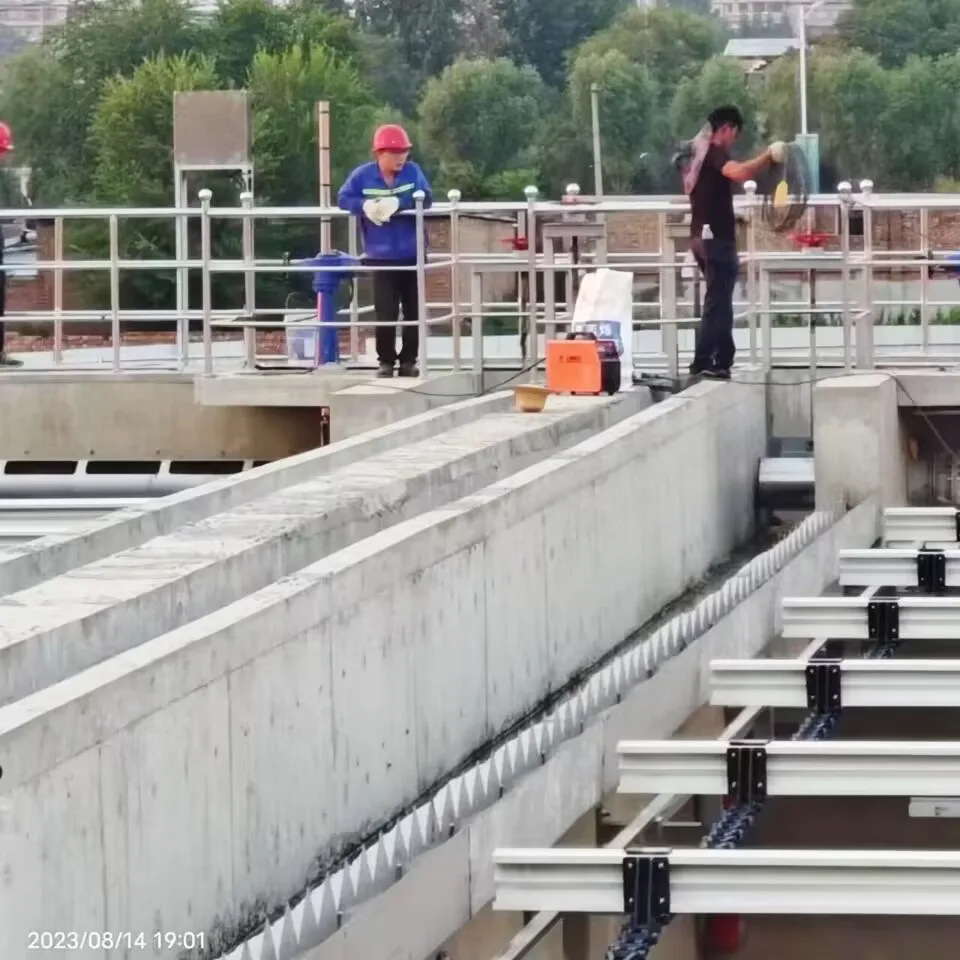
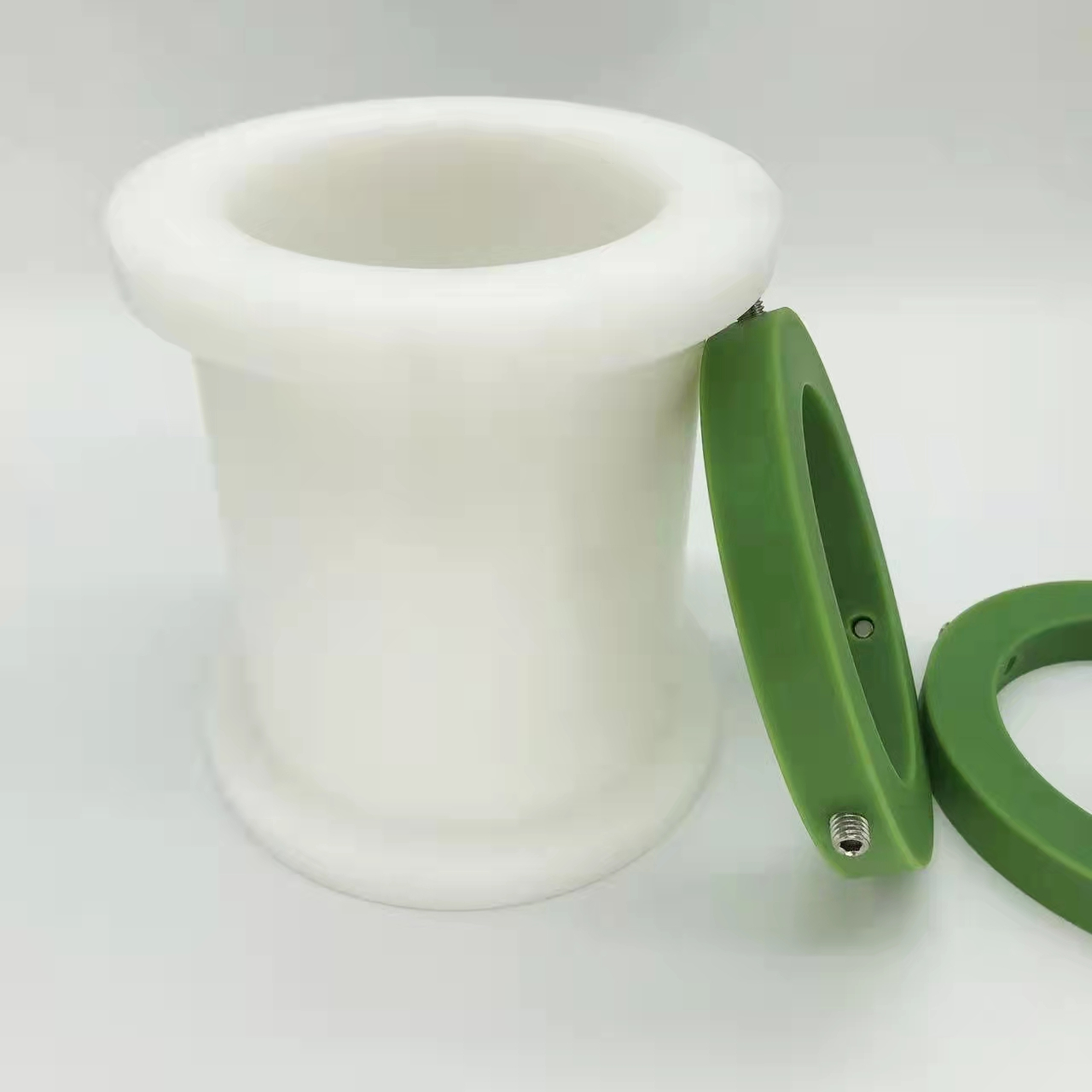
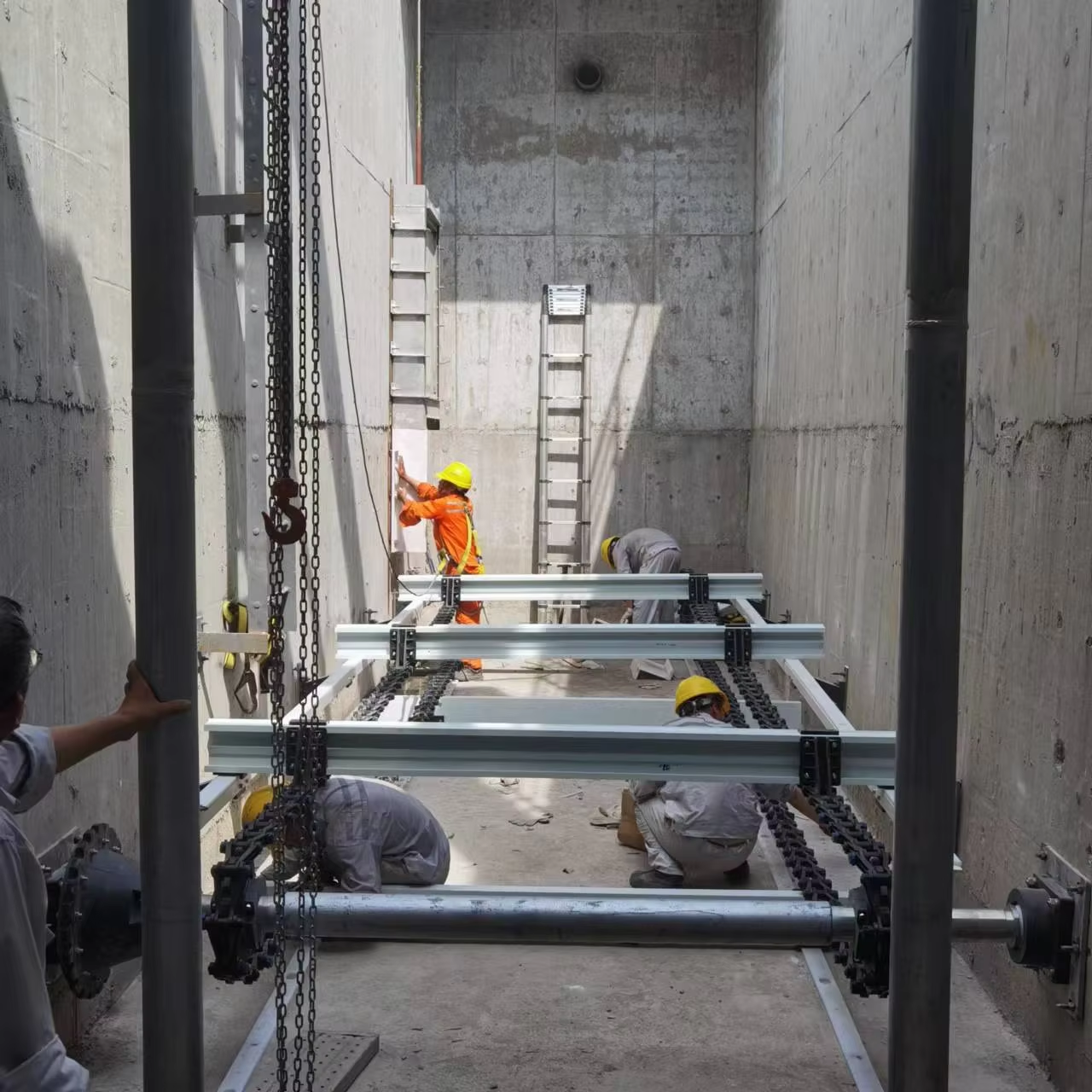
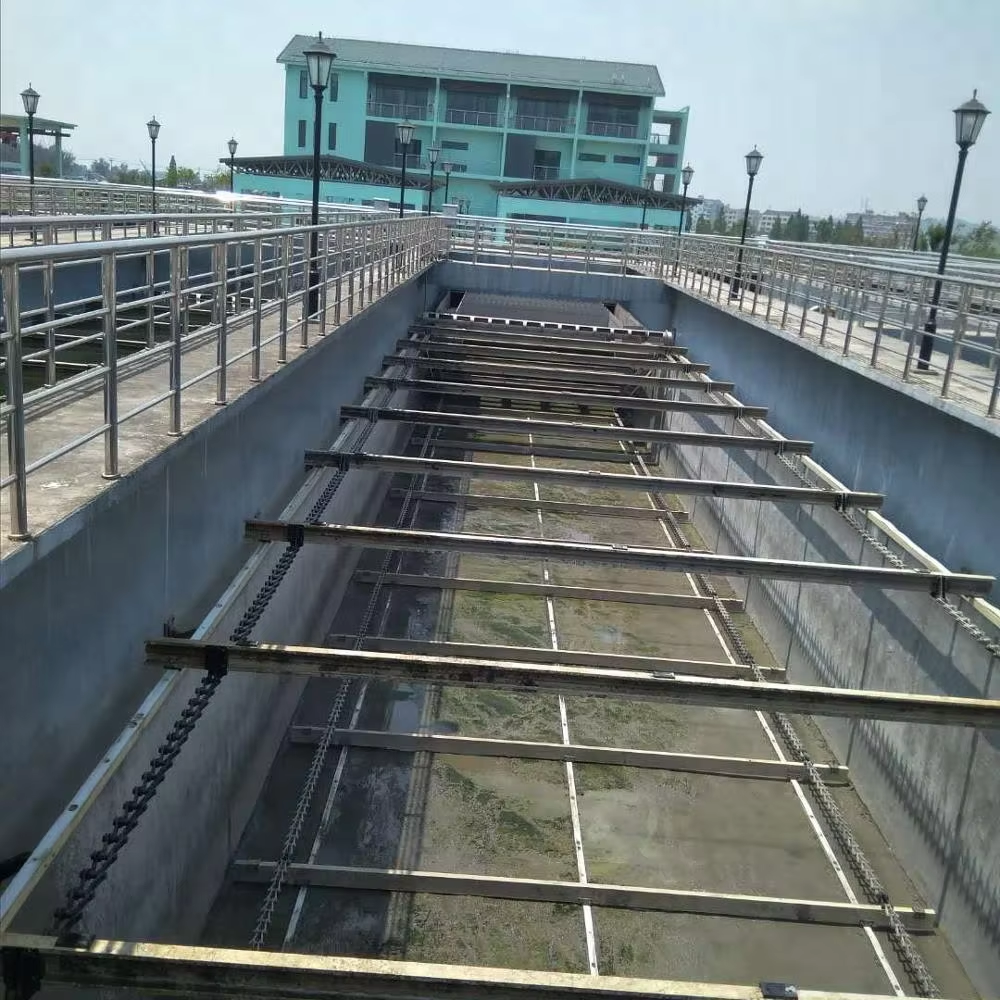
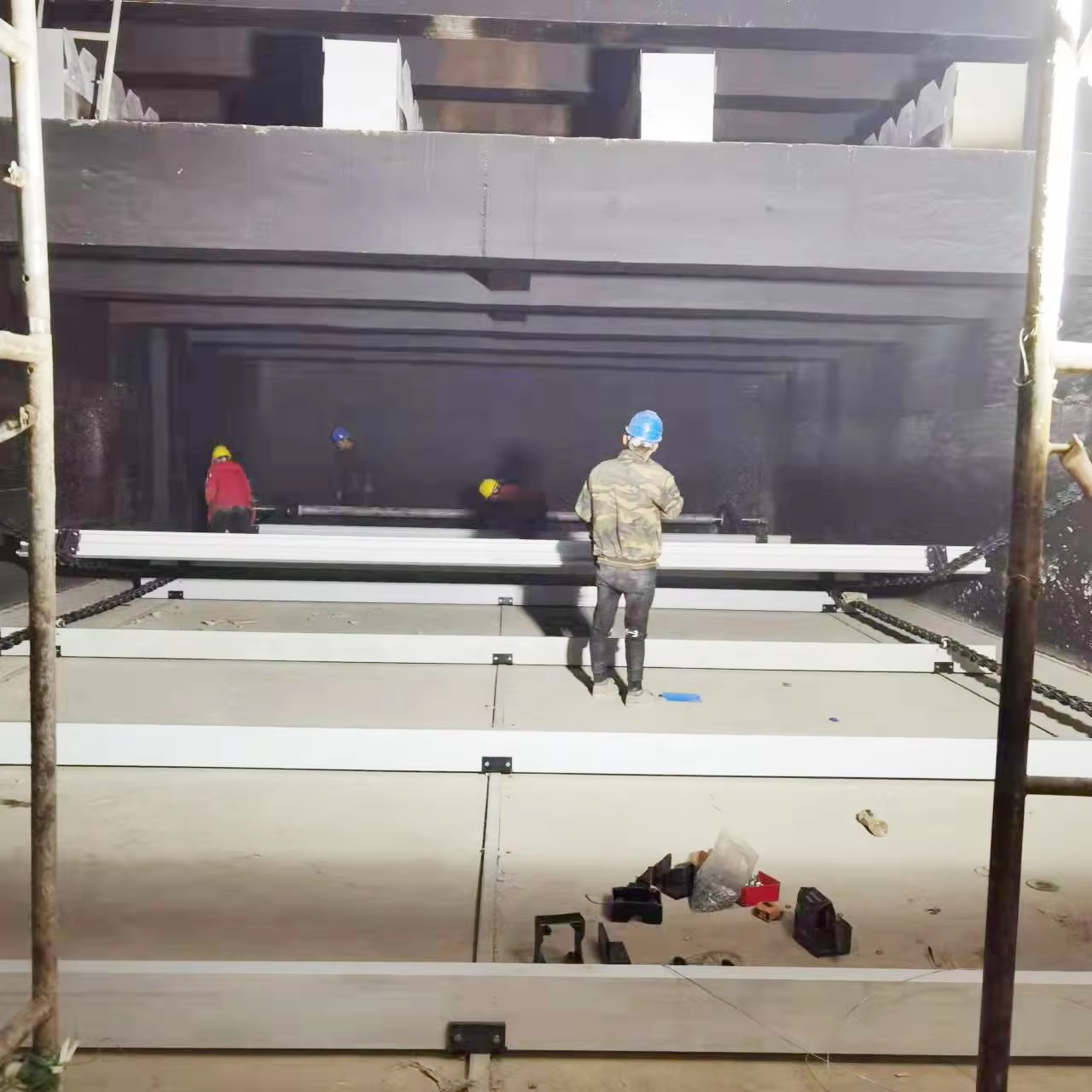
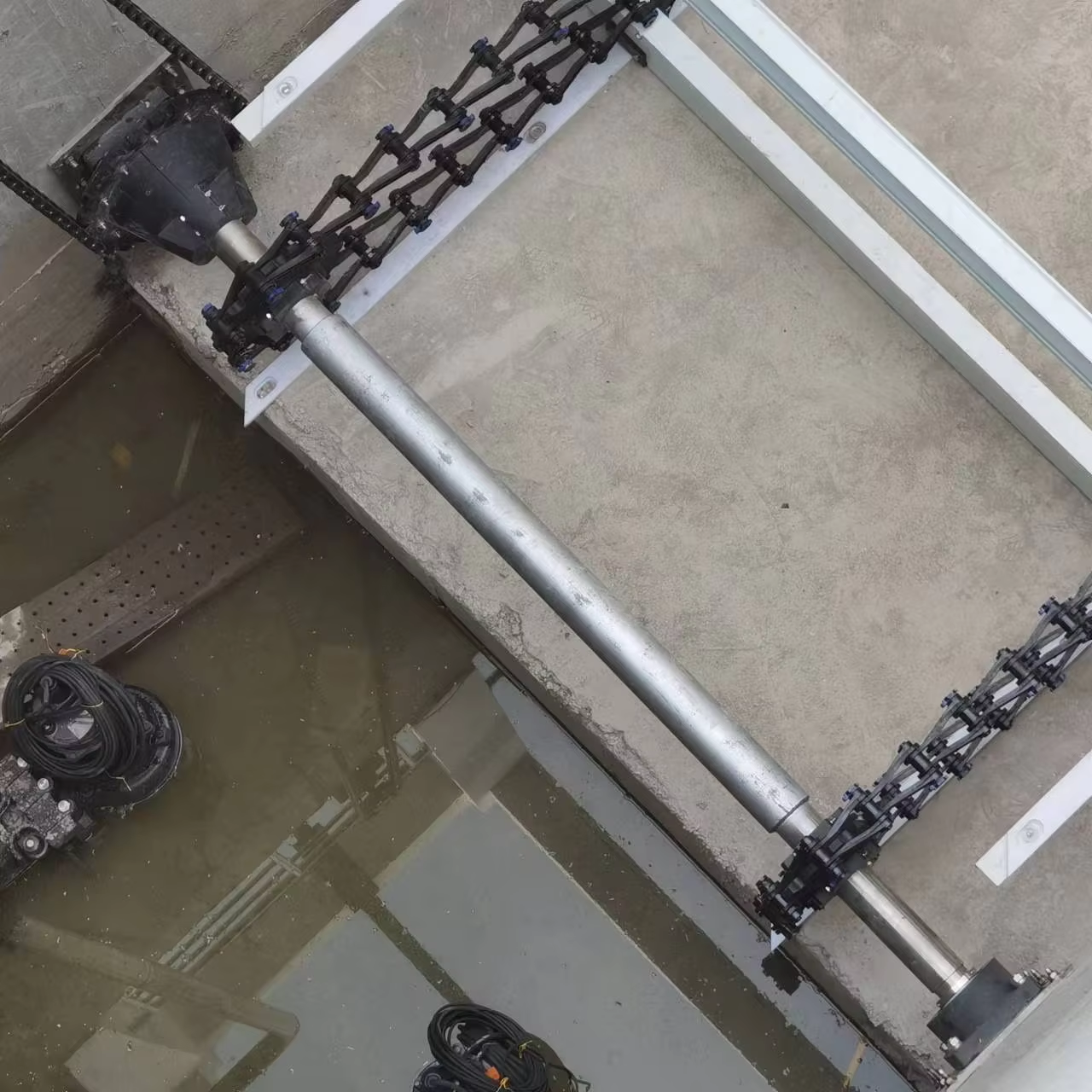
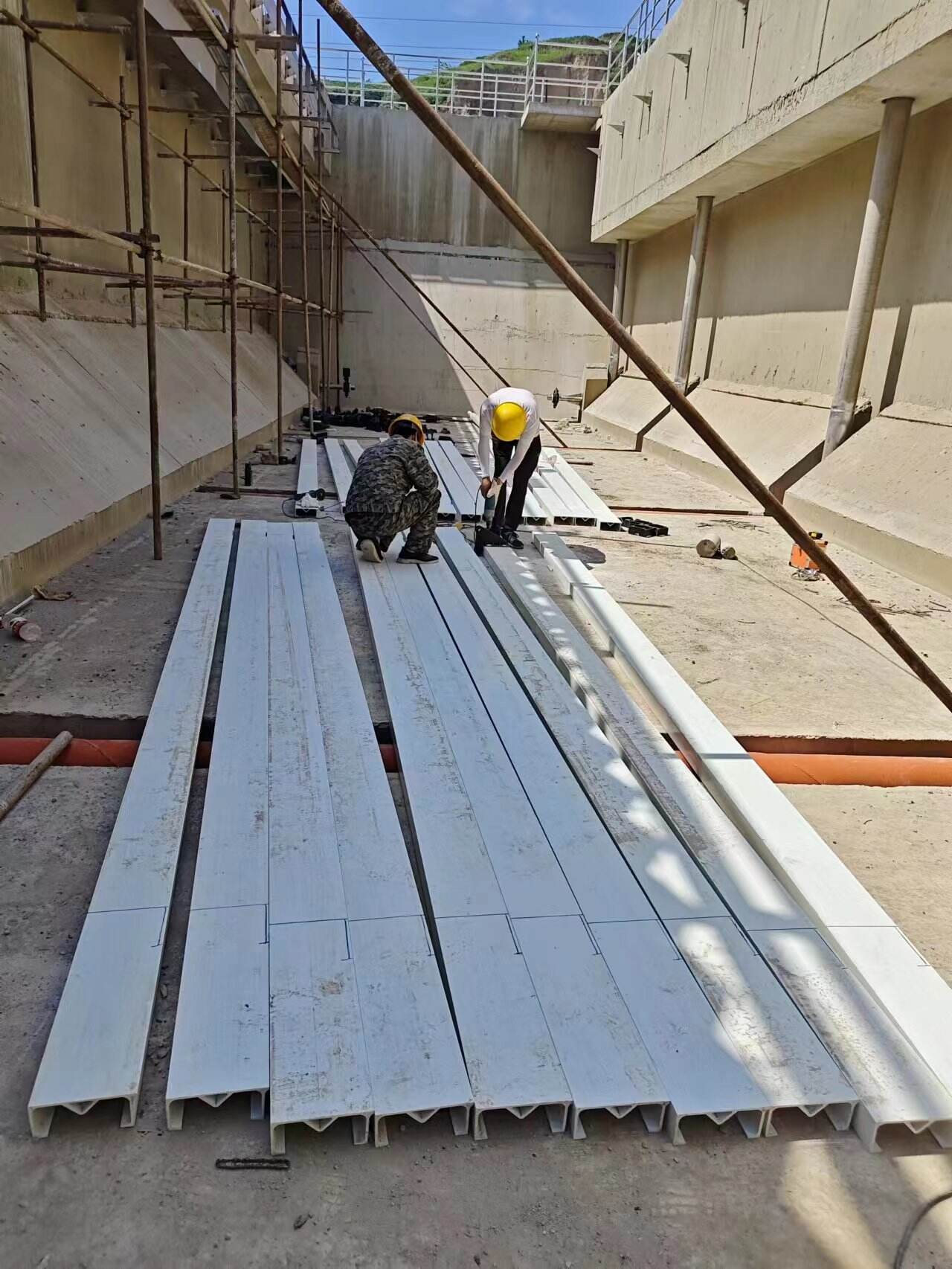
Operating a sludge scraping machine in low-temperature environments, such as those found in colder climates or certain industrial processes, introduces significant challenges including the potential for ice formation, material embrittlement, and increased viscosity of the sludge. A low-temperature resistant sludge scraping machine is specifically engineered to overcome these hurdles and maintain reliable operation year-round. The design considerations are comprehensive. Firstly, structural metals are selected for their ability to retain impact resistance and ductility below freezing points, often requiring special low-temperature-grade steels. Secondly, all electrical components, including motors, sensors, and control panels, are rated for low-temperature operation and may be equipped with integral heating elements to prevent condensation and ice-related failures. The scraping flights, commonly made from polymers like UHMW-PE, are chosen for their maintained flexibility and wear resistance in cold conditions. In a municipal wastewater plant in a northern region, for example, outdoor sedimentation tanks can experience surface ice and significantly chilled water. A standard scraper might suffer from cracked components, seized bearings, or a drive system overloaded by thickened, viscous sludge. The low-temperature resistant model would feature a hardened drive system with higher torque capacity, lubricants designed for sub-zero operation, and potentially a defrosting system for critical areas. The control system might also include winterization modes, such as more frequent intermittent operation to prevent freezing in place. This specialized engineering ensures continuous sludge removal, which is critical to preventing process failures during the winter months. For technical datasheets and pricing information on our range of low-temperature resistant sludge scraping machines, we encourage you to contact us directly with your environmental operating parameters and tank details.