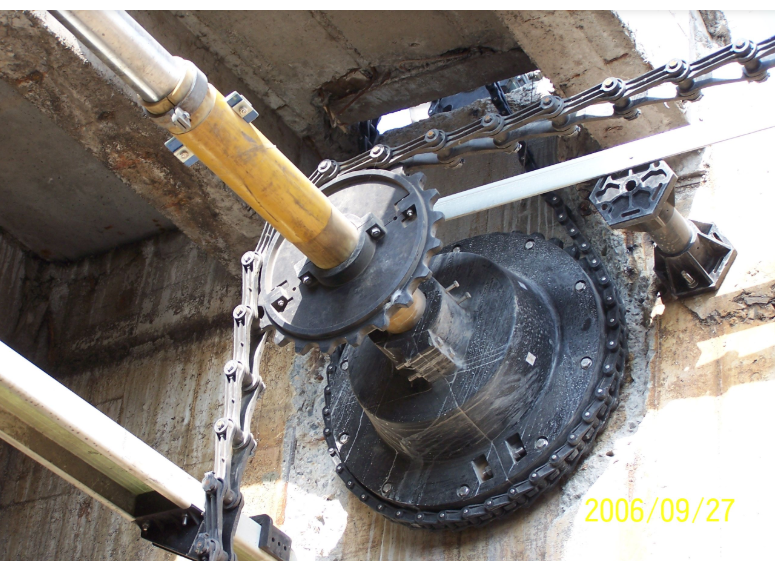
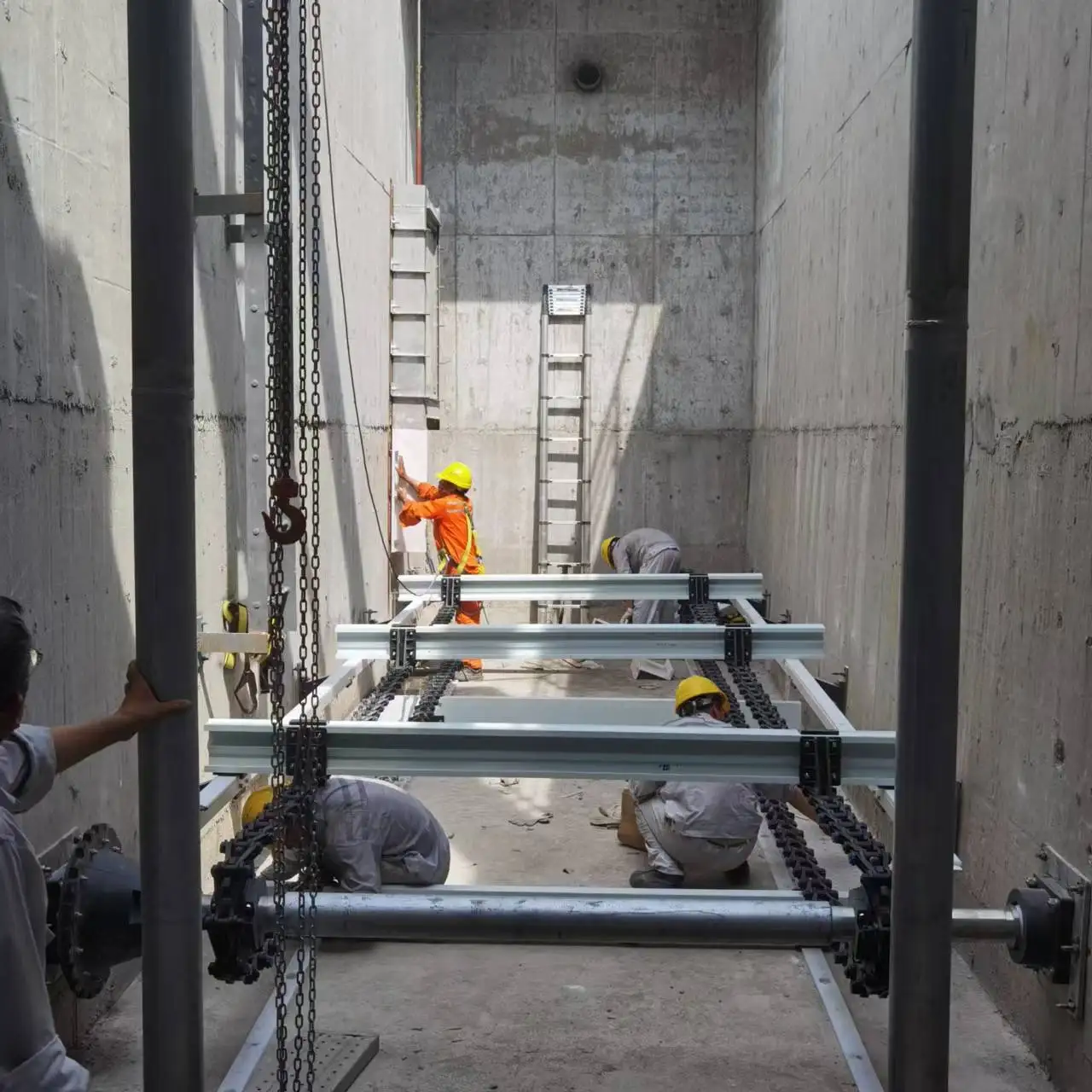
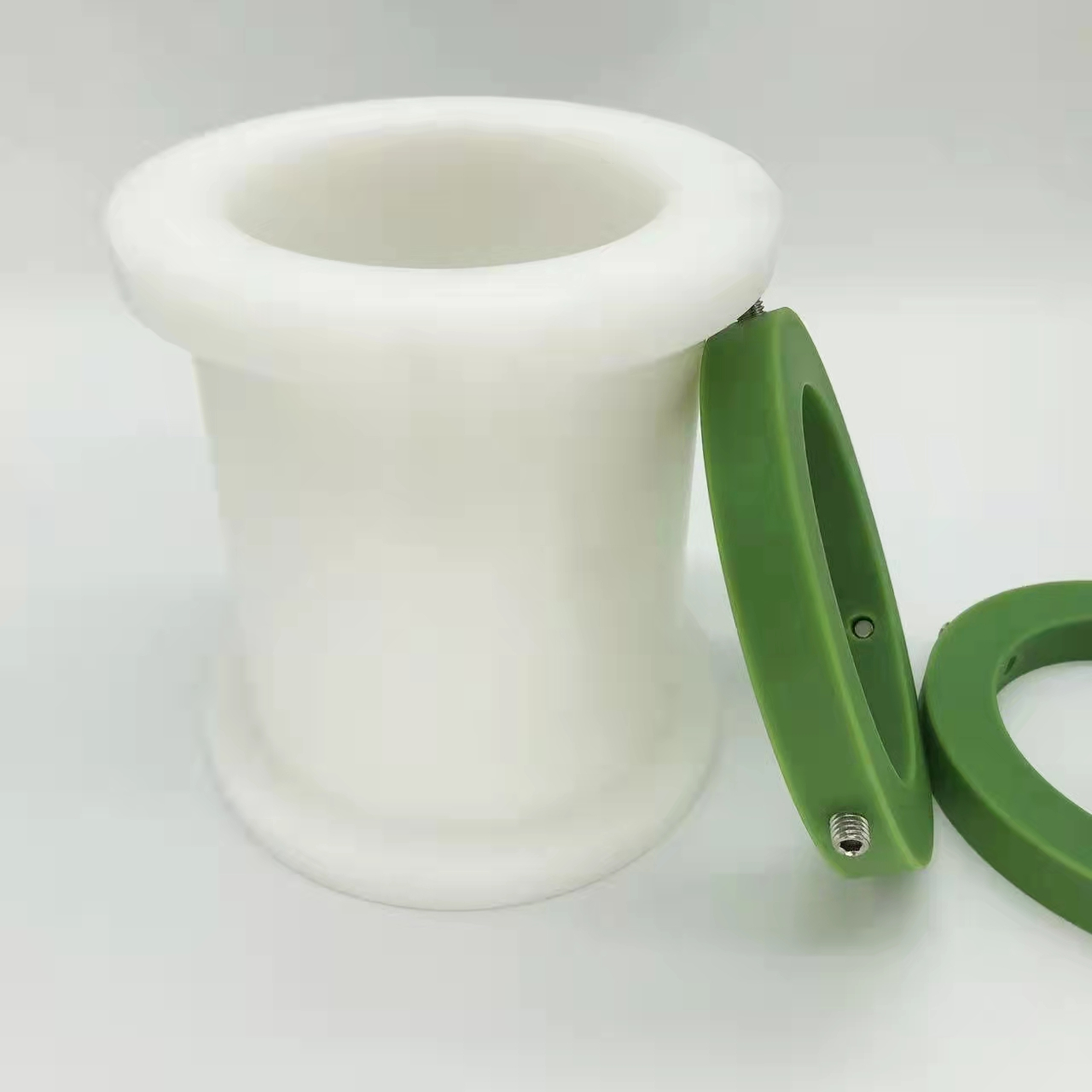
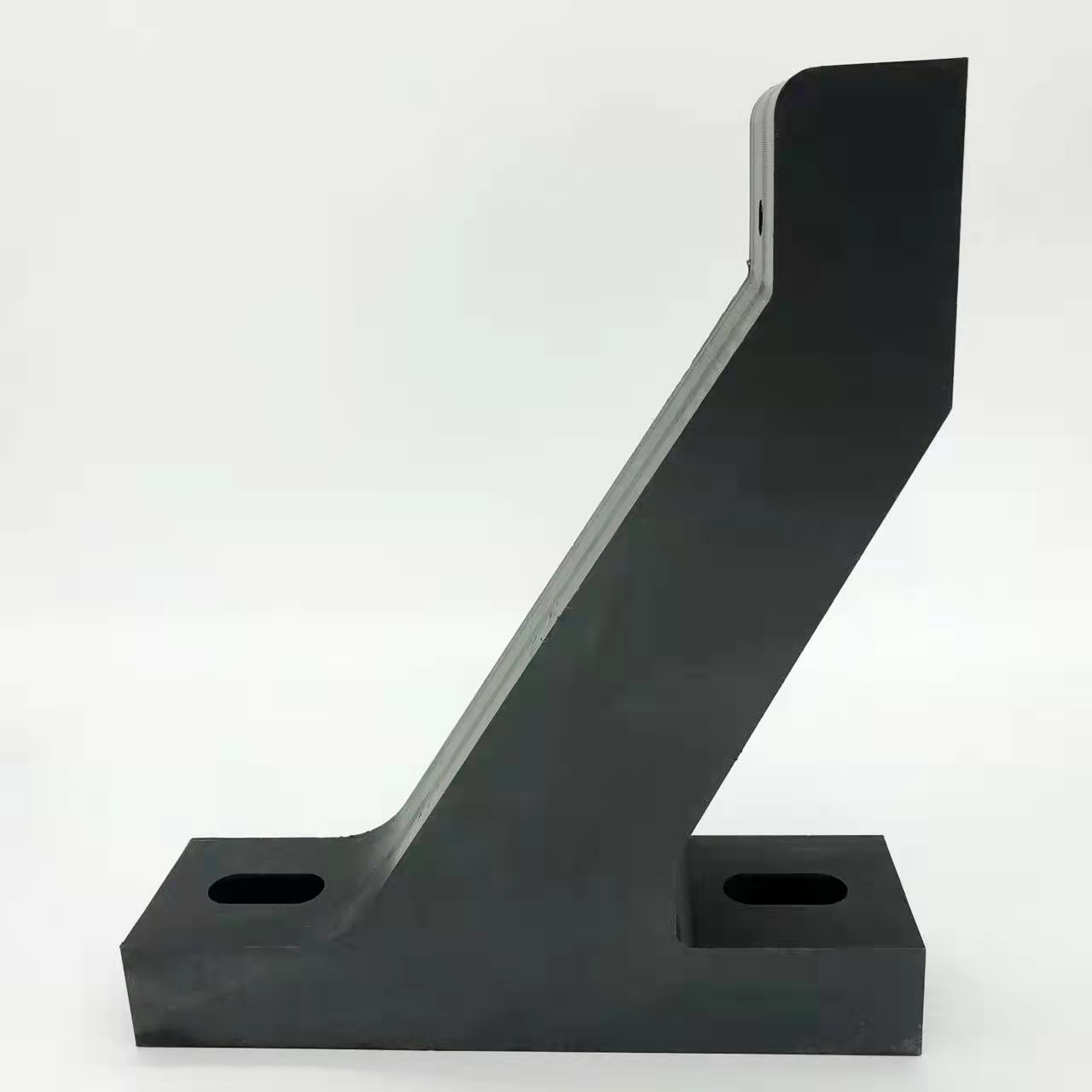
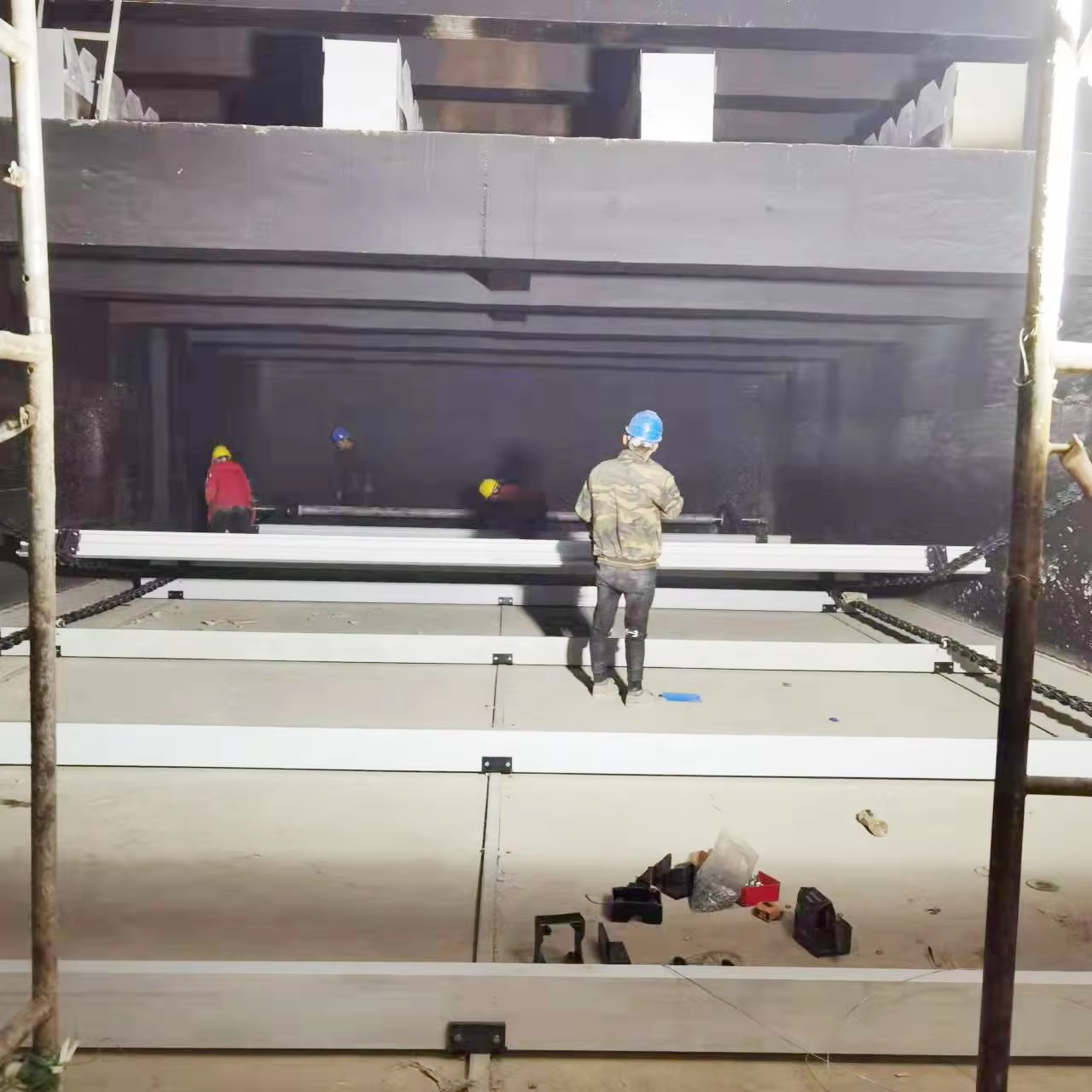
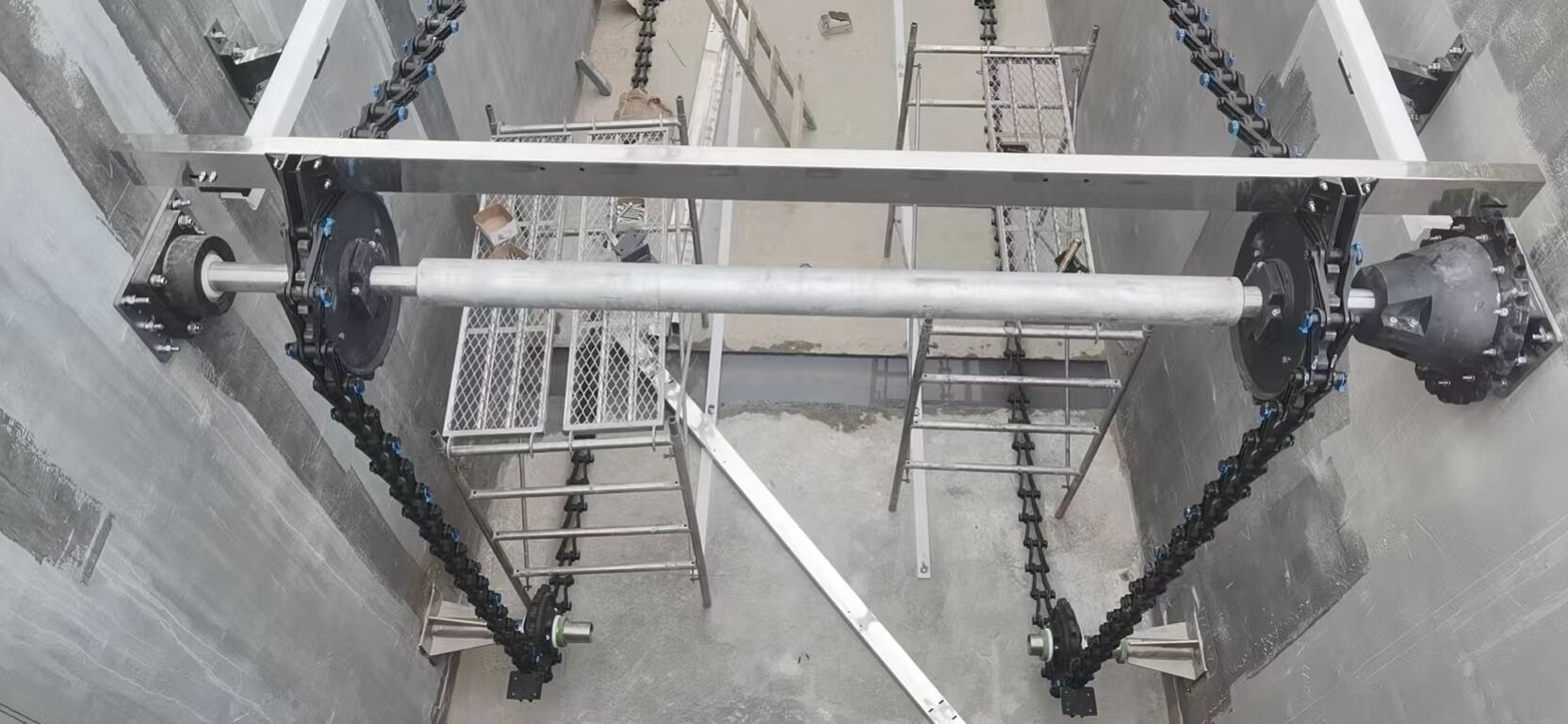
A long-life sludge scraping mechanism is the result of a holistic engineering approach focused on durability, material science, and conservative design principles. The goal is to deliver equipment that operates reliably for decades with minimal degradation in performance. This begins with the application of FEA (Finite Element Analysis) to all structural and load-bearing components to ensure they operate well within their stress limits, providing a large safety margin against fatigue failure. The selection of materials is critical: stainless steel grades are chosen for their corrosion resistance specific to the application's wastewater chemistry; submerged wear components are crafted from ultra-high-molecular-weight polyethylene (UHMW-PE) or other advanced polymers renowned for their exceptional abrasion resistance and low friction. Drive components, such as gearboxes, are oversized to ensure they operate at a fraction of their rated capacity, dramatically extending their service life. Protective measures like high-performance epoxy coating systems on carbon steel surfaces and cathodic protection for immersed metal parts are standard. The design also avoids crevices and pockets where corrosion can initiate. Every bearing is selected for a L10 life far exceeding the design life of the entire machine. This commitment to over-engineering and premium materials means a higher initial investment is amortized over an exceptionally long service life, resulting in a significantly lower lifetime cost. Our company's strict quality control system ensures that every long-life mechanism leaving our factory meets these rigorous standards. For a detailed white paper on our design-for-durability principles and case studies of long-performing installations, please contact our engineering department.