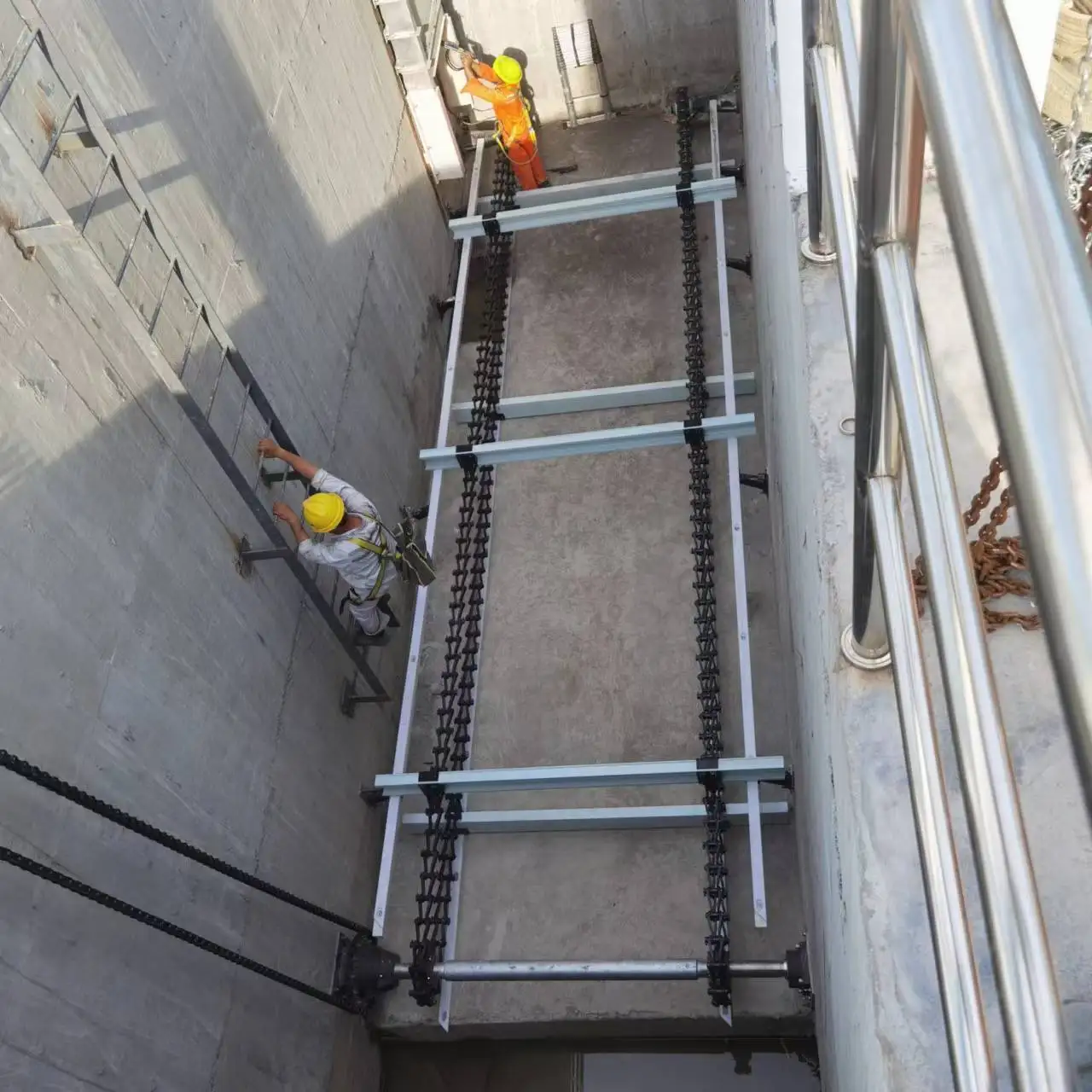
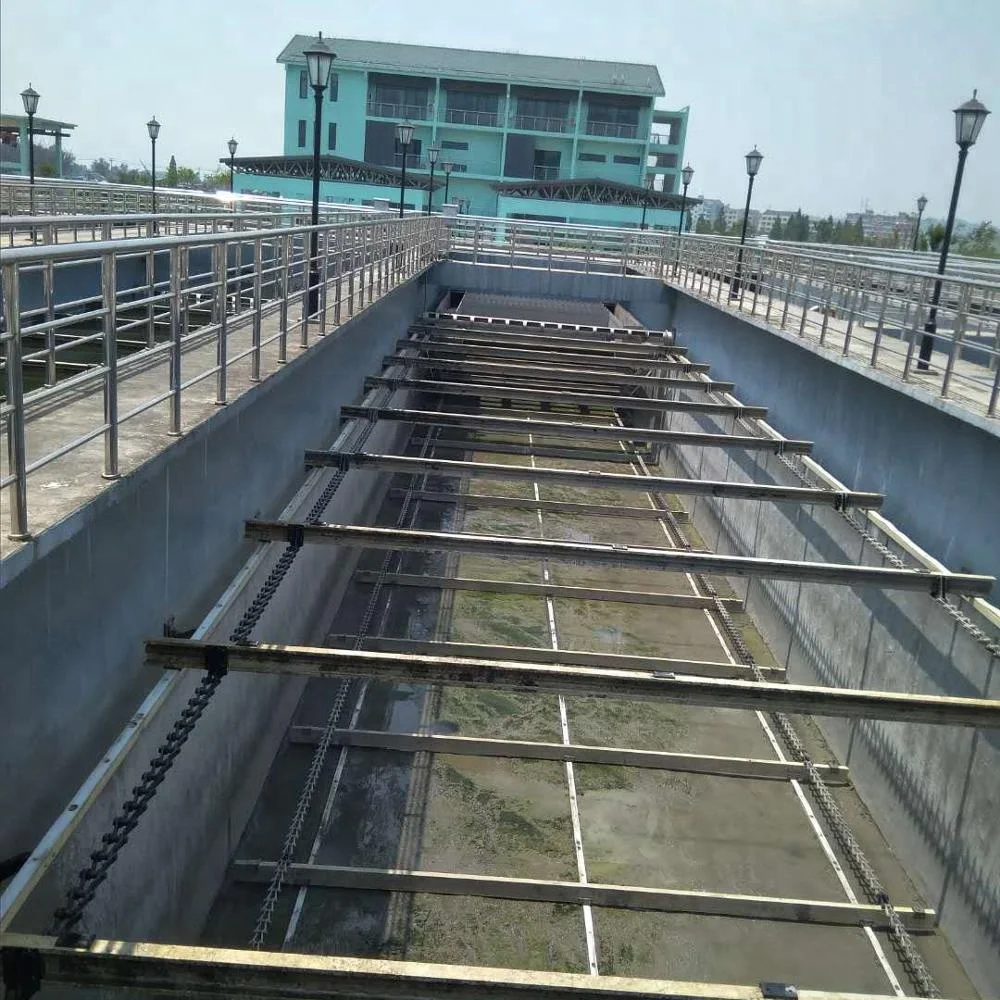
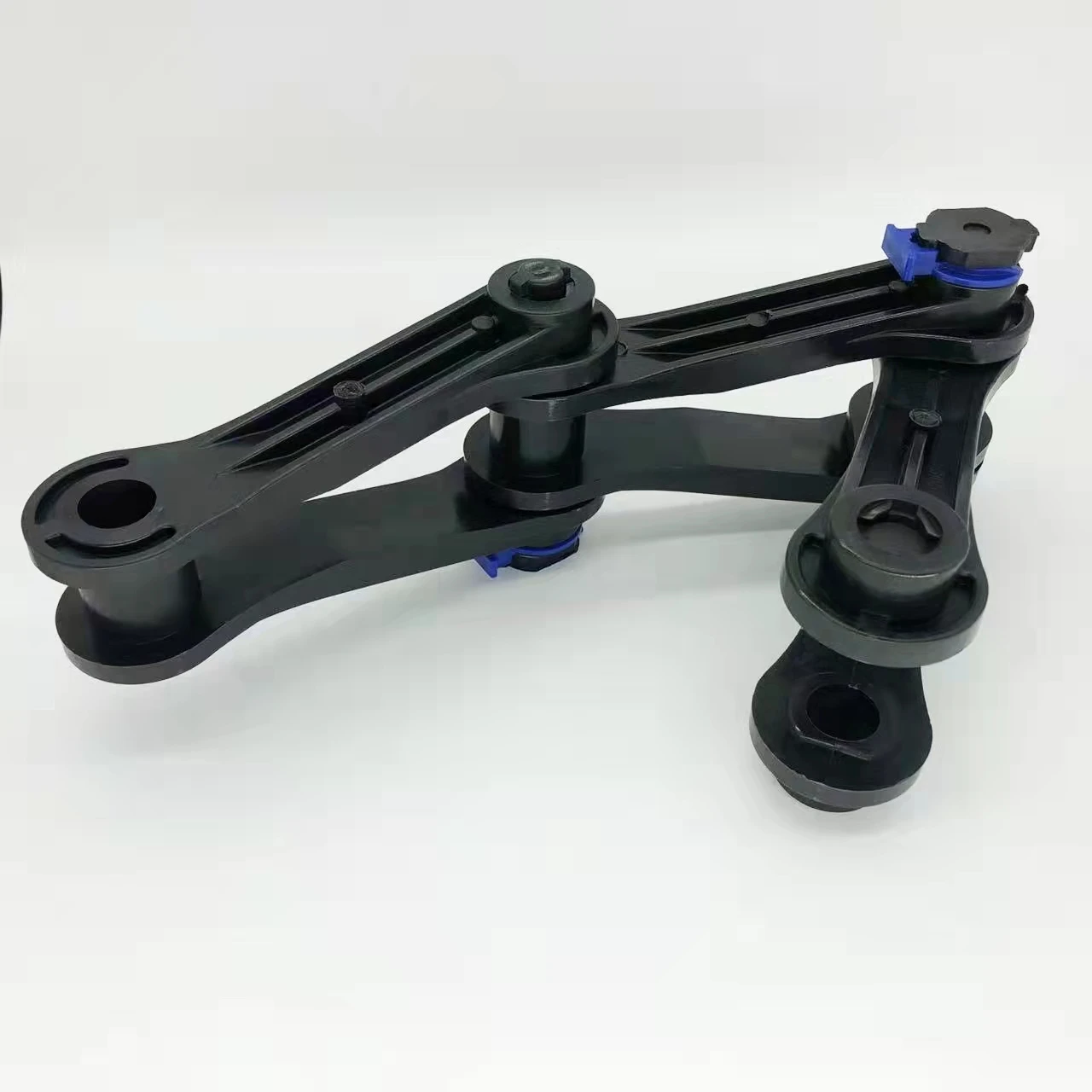
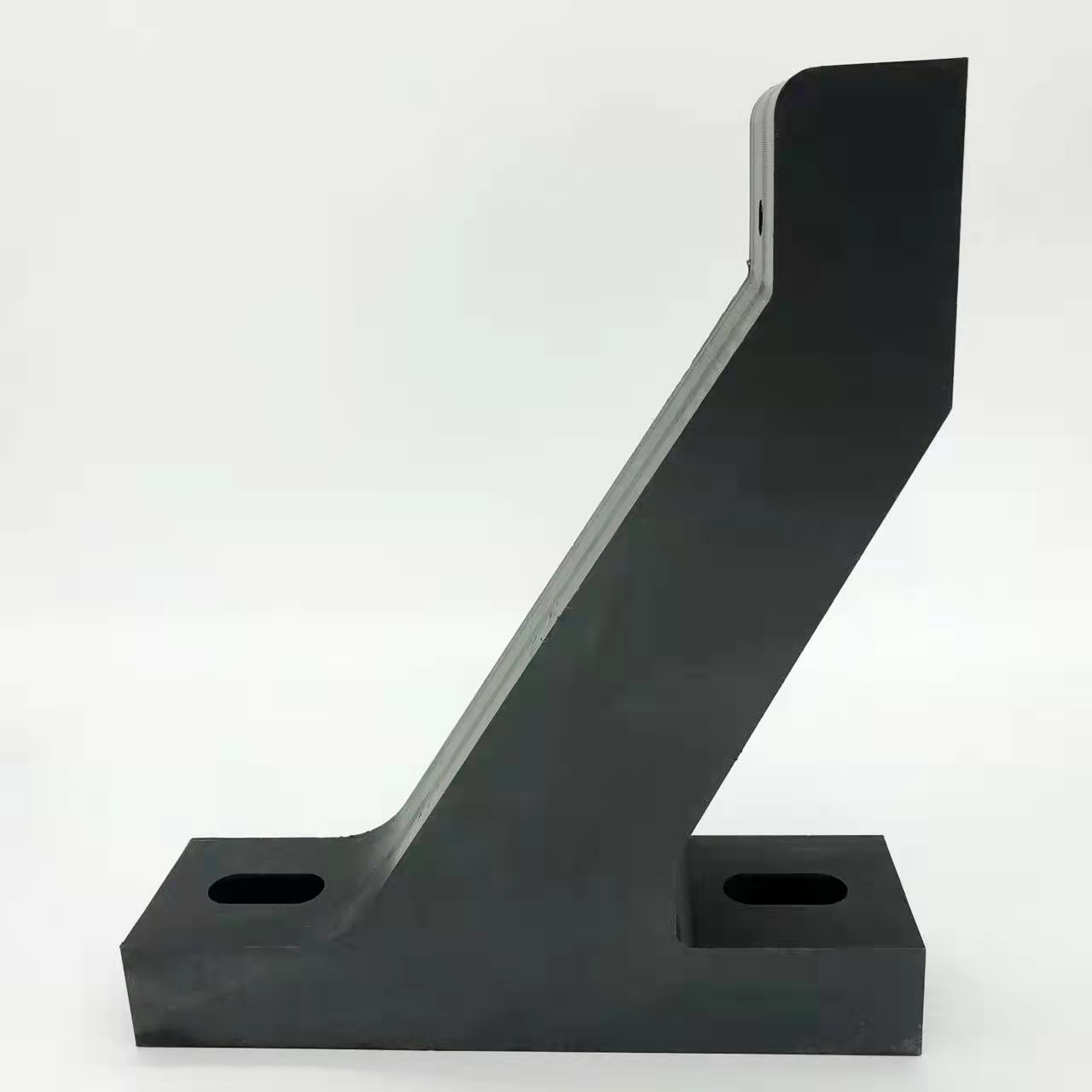
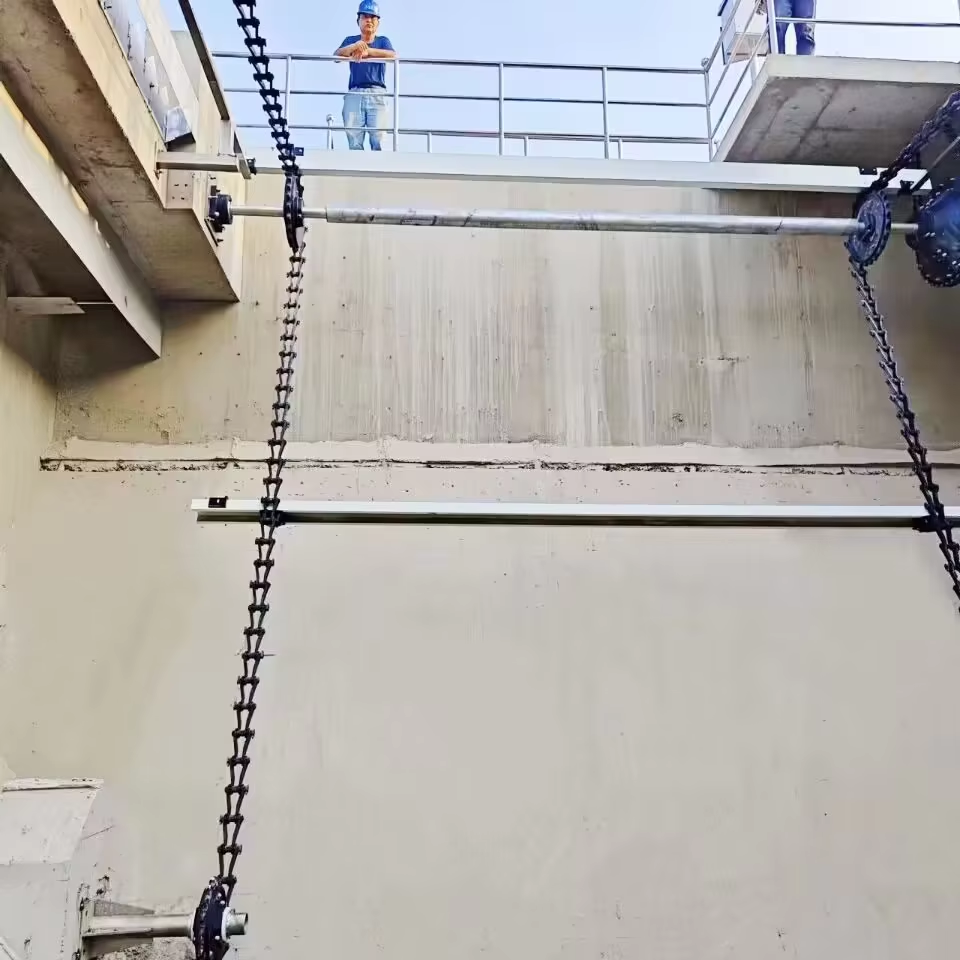
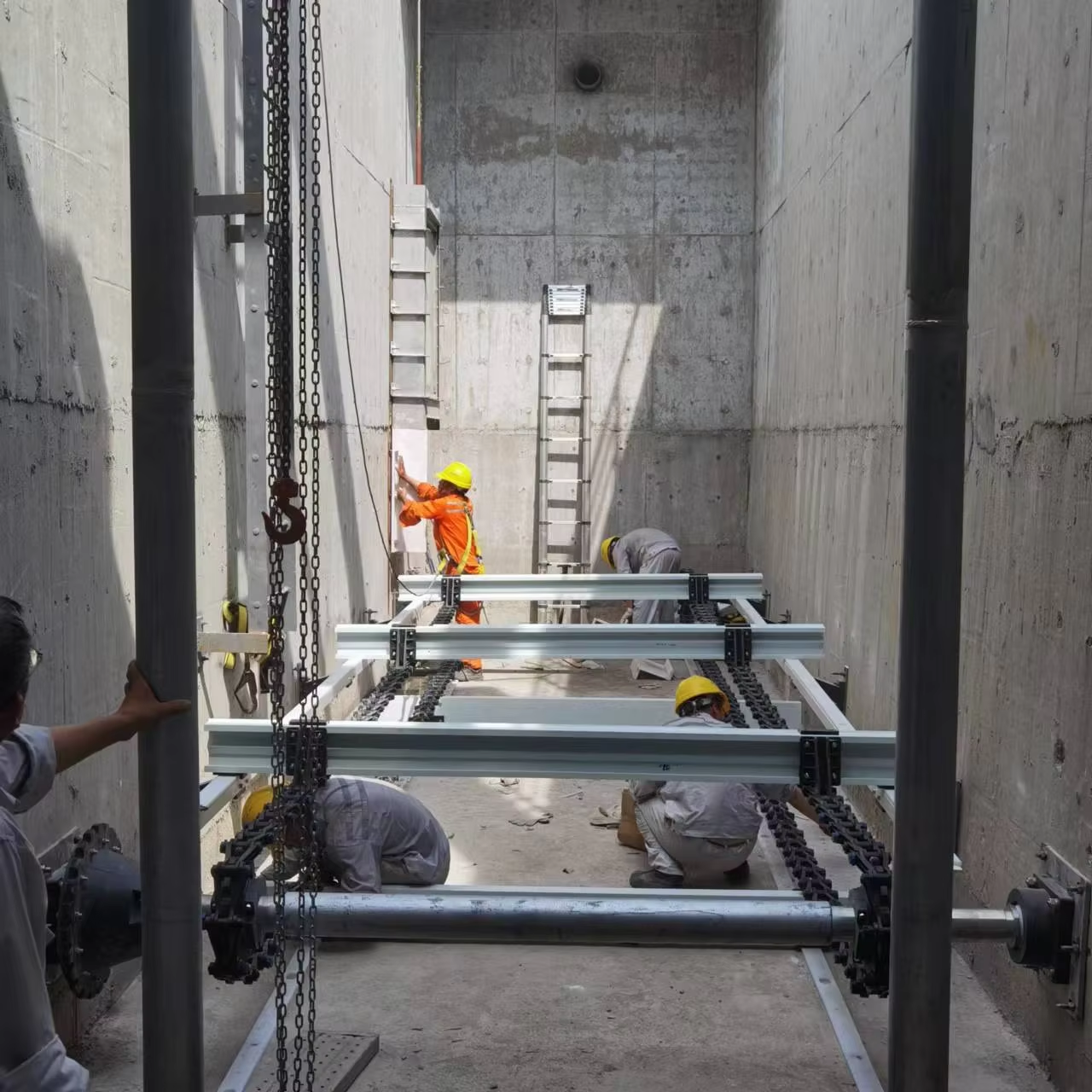
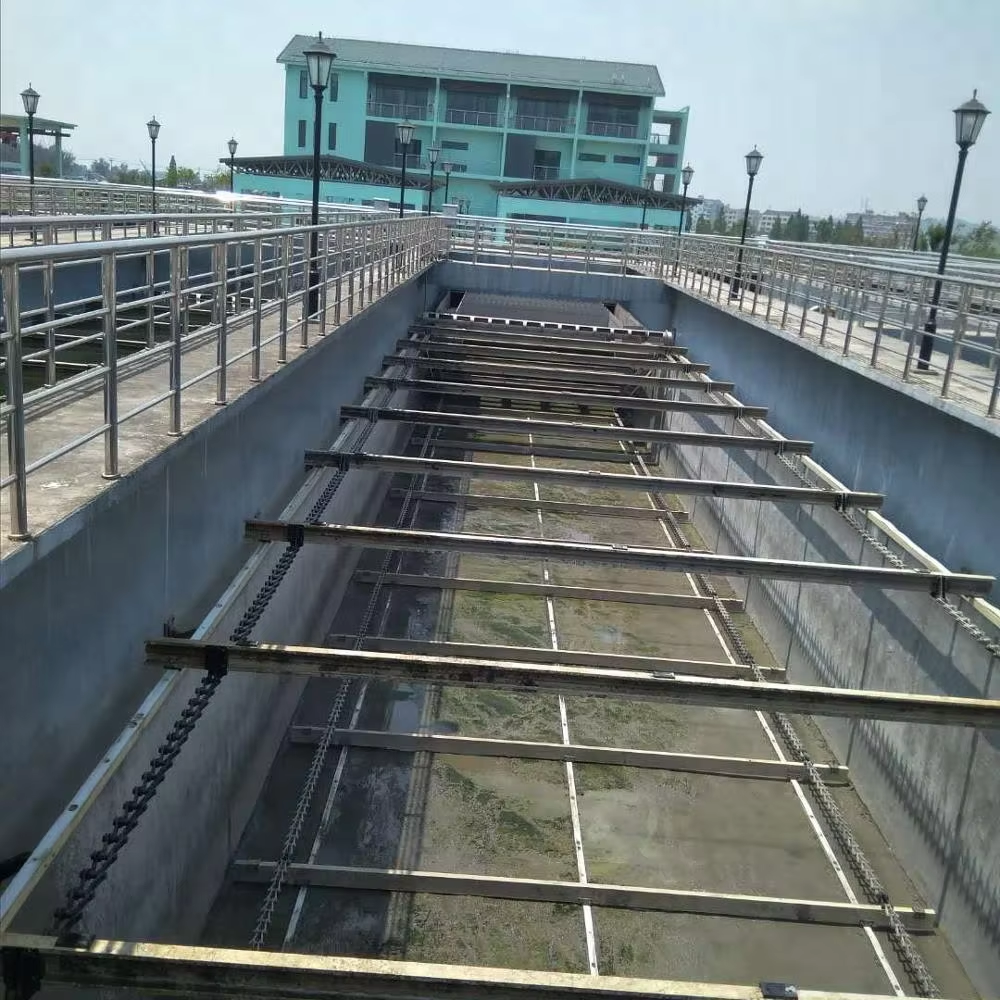
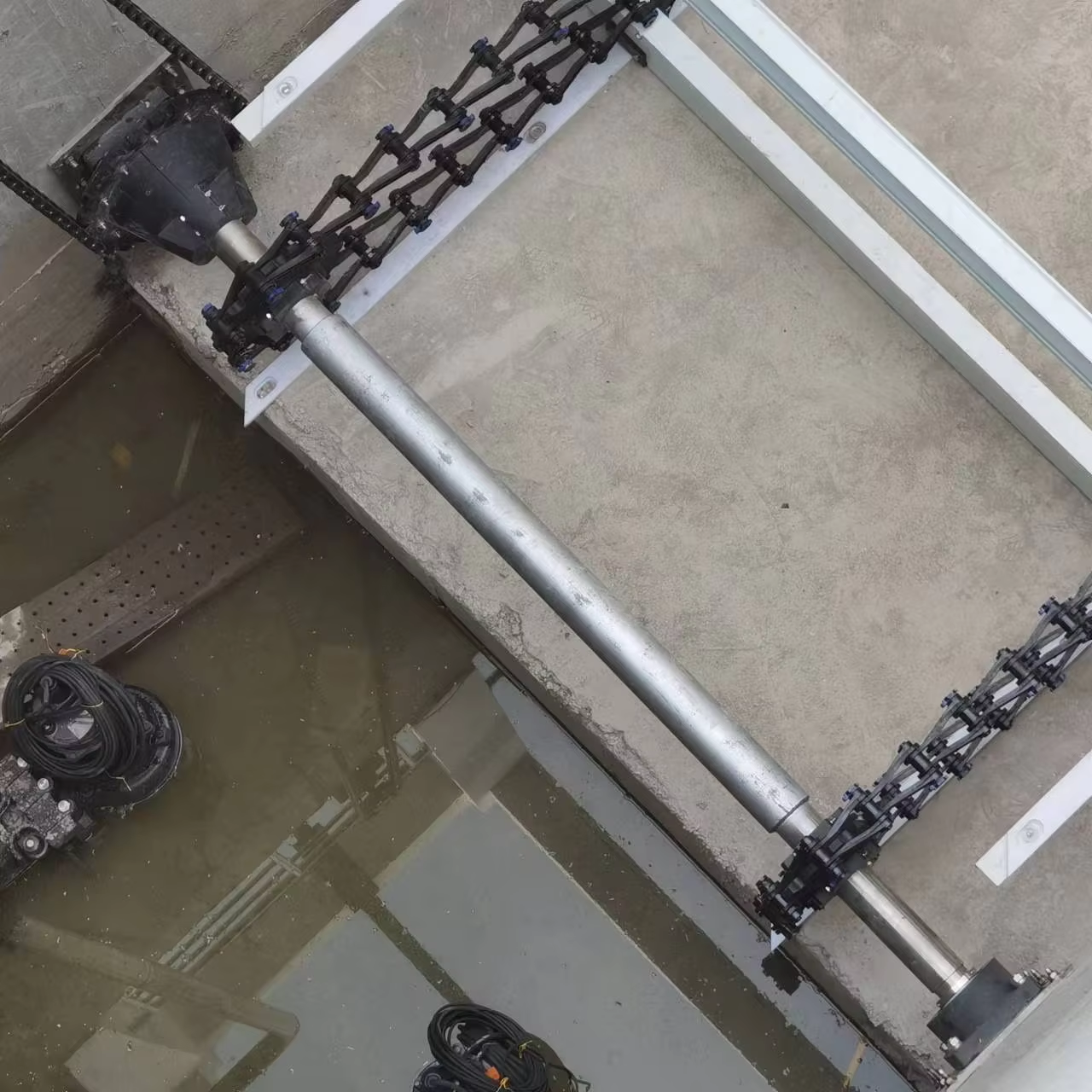
A Rotary Sludge Scraping Device is the standard and most efficient mechanism for circular clarifiers and sedimentation tanks. Unlike the linear motion of flying scrapers in rectangular tanks, this device rotates slowly around a central pivot, collecting sludge from the entire circular tank floor and directing it towards a central sludge hopper. The core assembly consists of a central drive unit, a structural bridge or truss (or a full diameter mechanism) that spans the tank, and multiple scraper blades (often called squeegees or plows) attached to the underside of the structure. As the bridge rotates, these blades, which are set at a precise angle to the radius, gently push the settled solids towards the center. The drive unit is typically a robust, sealed gearbox located at the center pier, designed for ultra-low-speed, high-torque output. A key feature is the ability to adjust the scraper blades to maintain optimal contact with the tank floor, which may become uneven over time. Materials of construction are chosen for corrosion resistance; the submerged blades are almost universally made from non-metallic materials like fiberglass-reinforced plastic (FRP) or polyethylene to prevent corrosion and to avoid damaging the tank's often epoxy-coated floor. Rotary scrapers are integral to the operation of circular tanks in both water and wastewater treatment. They provide continuous, uniform sludge removal, which is essential for maintaining the settling efficiency and surface overflow rate of the clarifier. Their design is proven, reliable, and effective for a wide range of applications. For specifications, operational parameters, and a quotation for a rotary sludge scraping device for your circular clarifier, we invite you to contact our company. Our team can provide solutions for new installations or replacements for existing units.