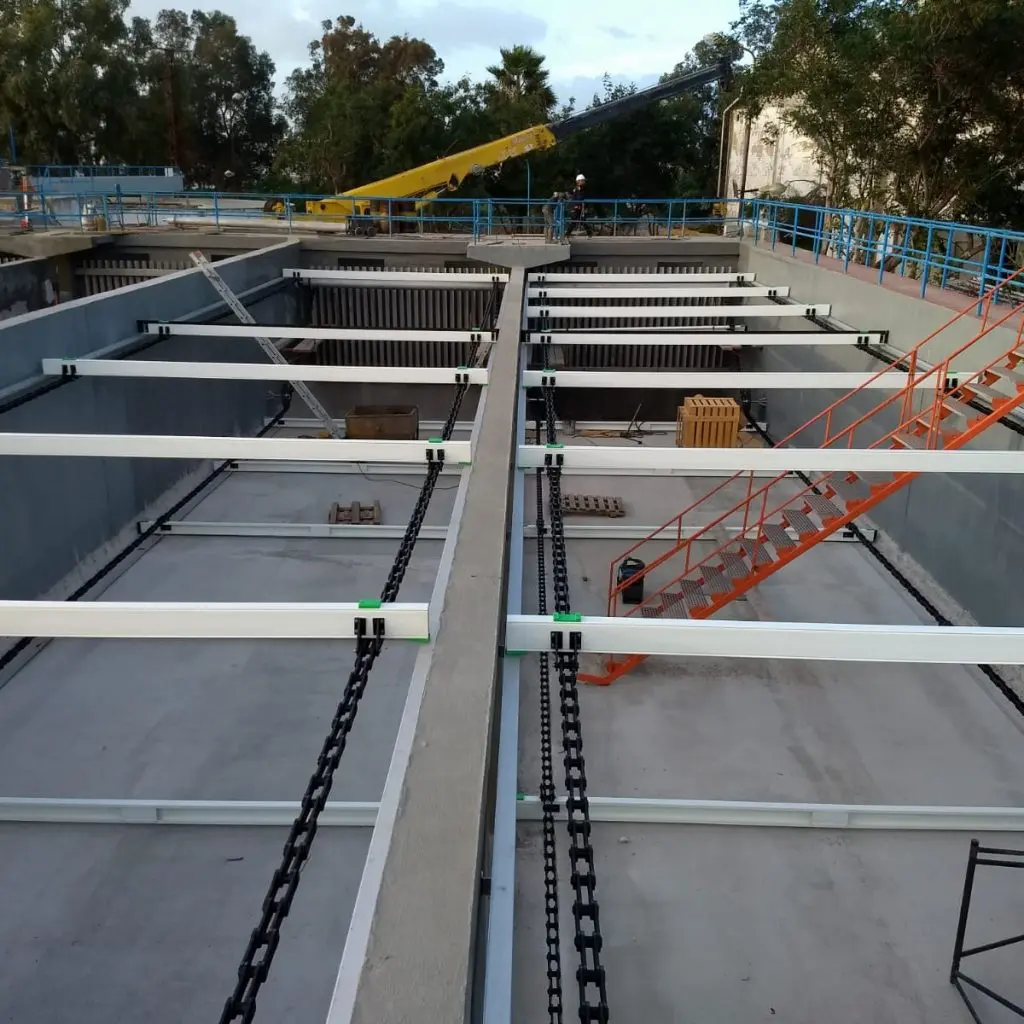
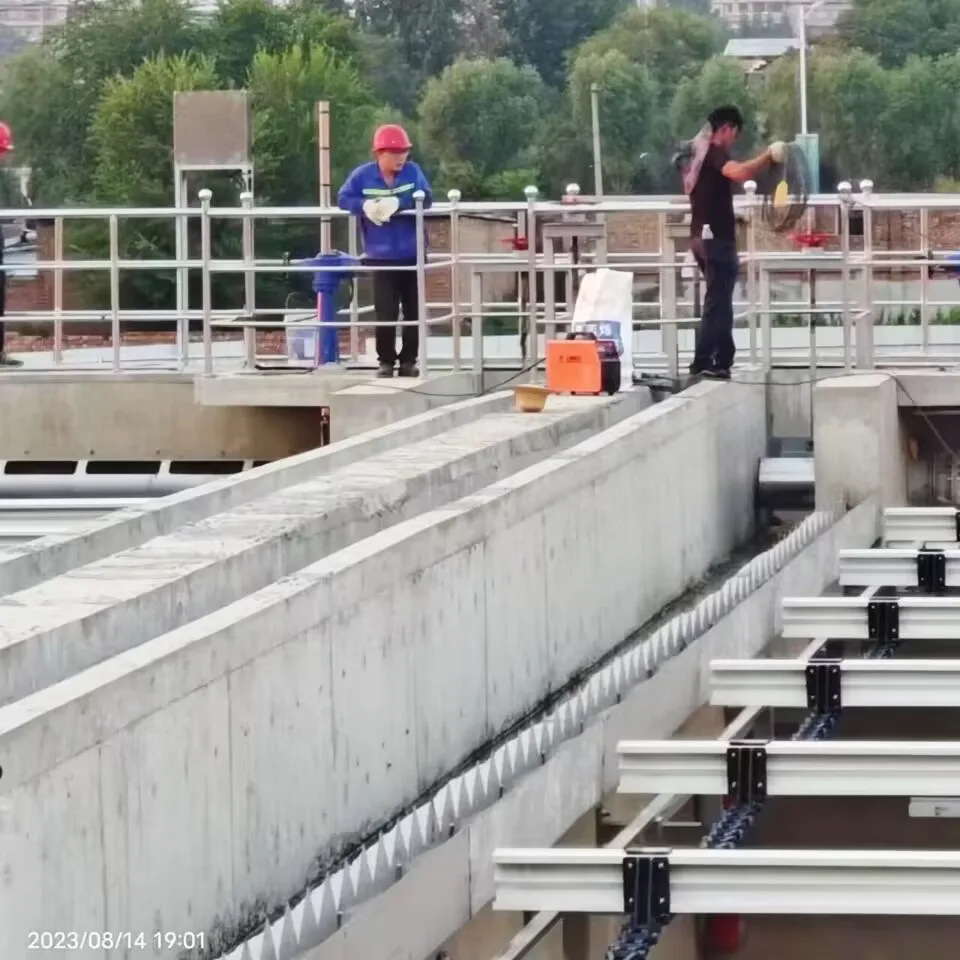
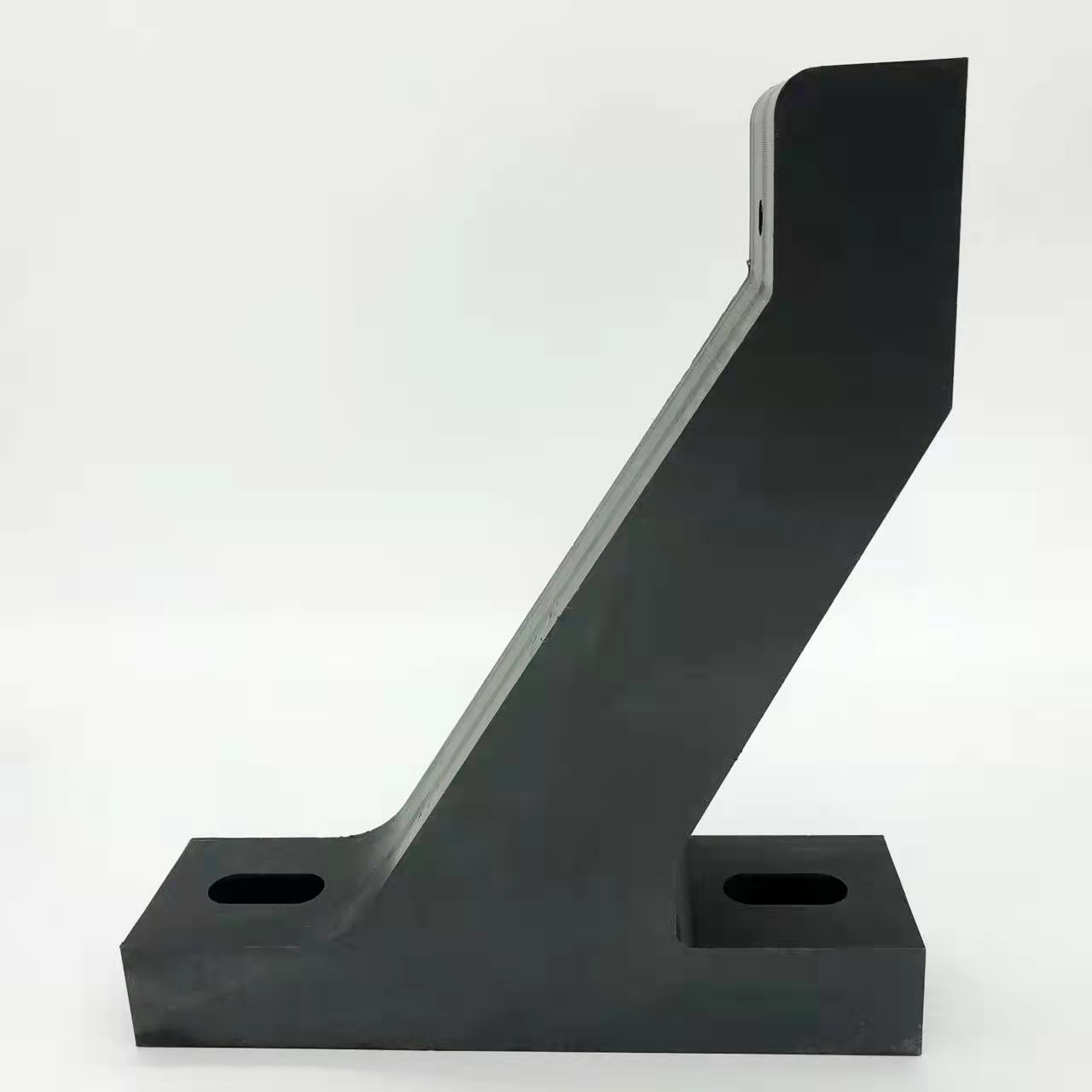
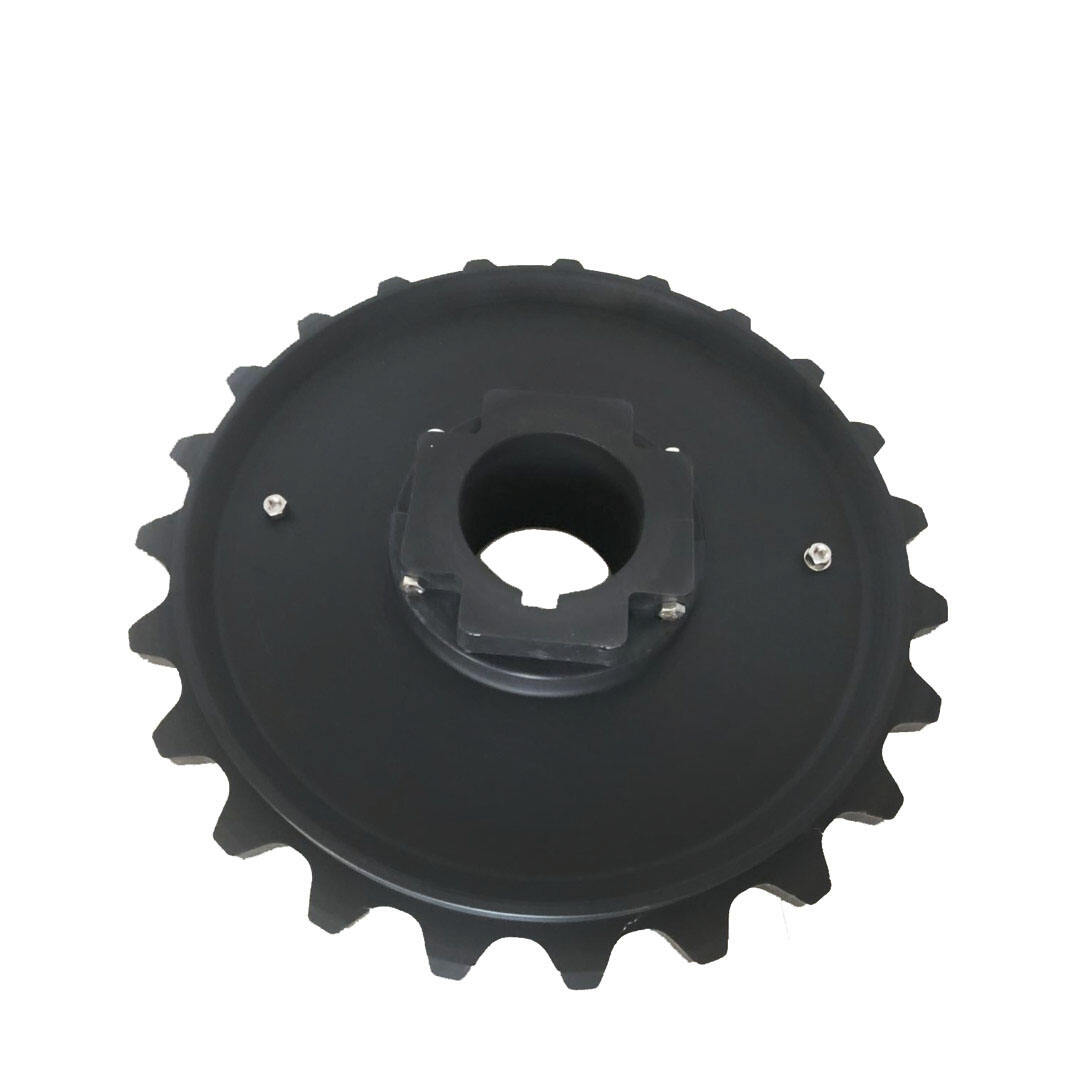
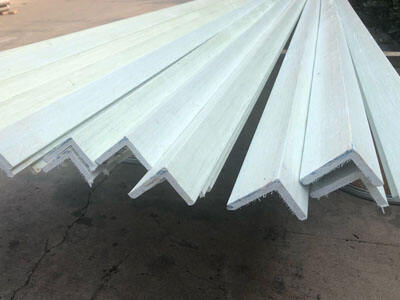
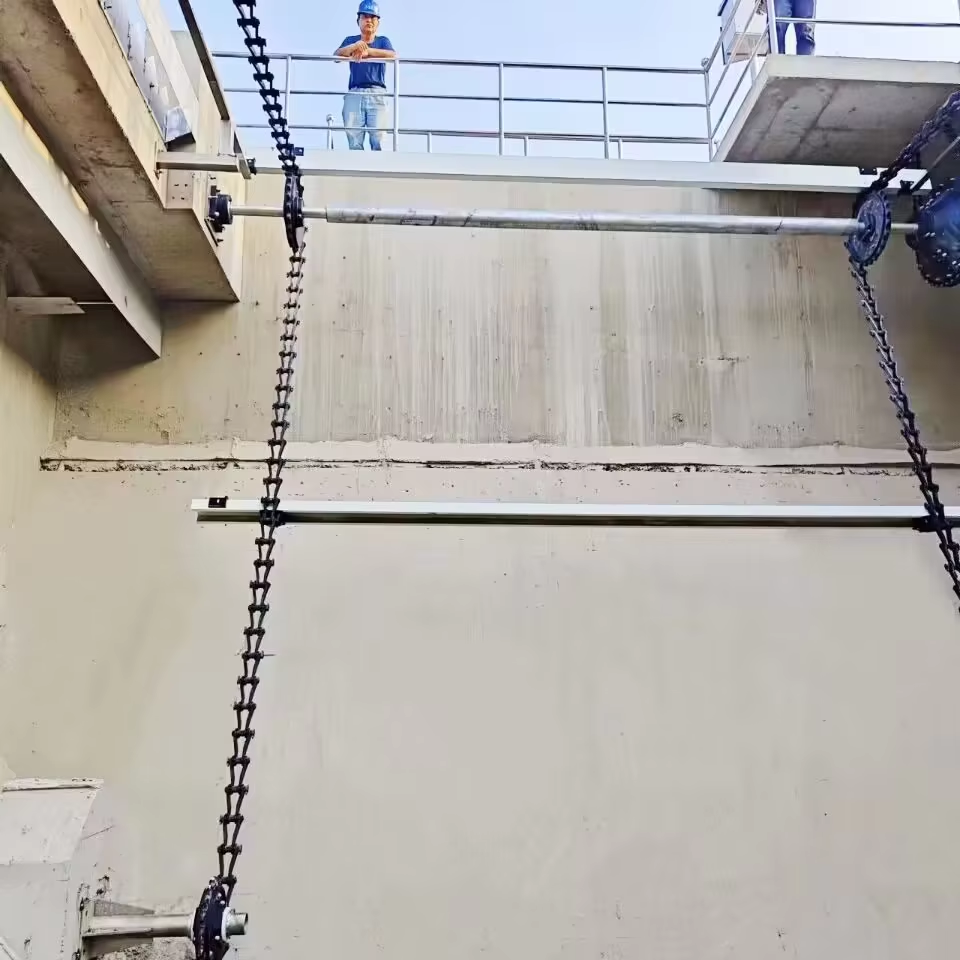
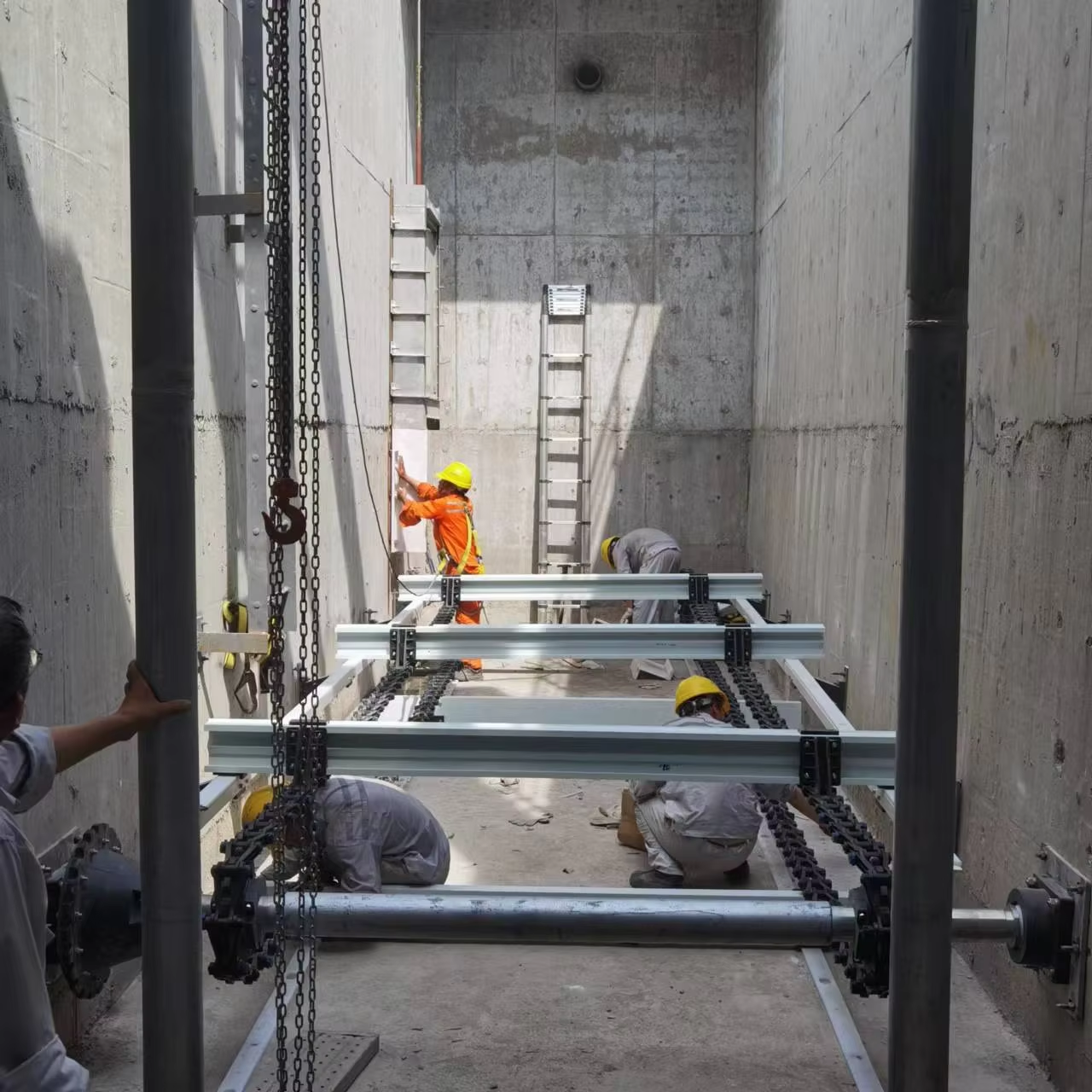
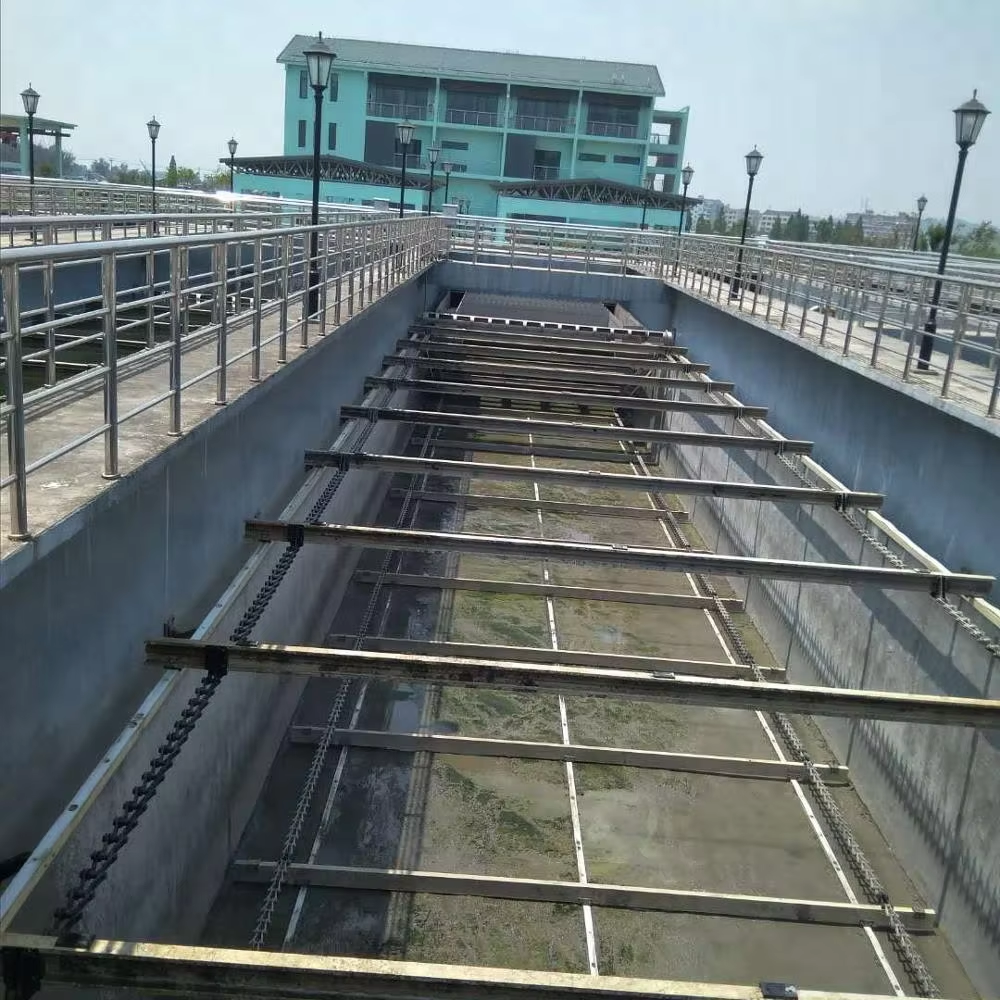
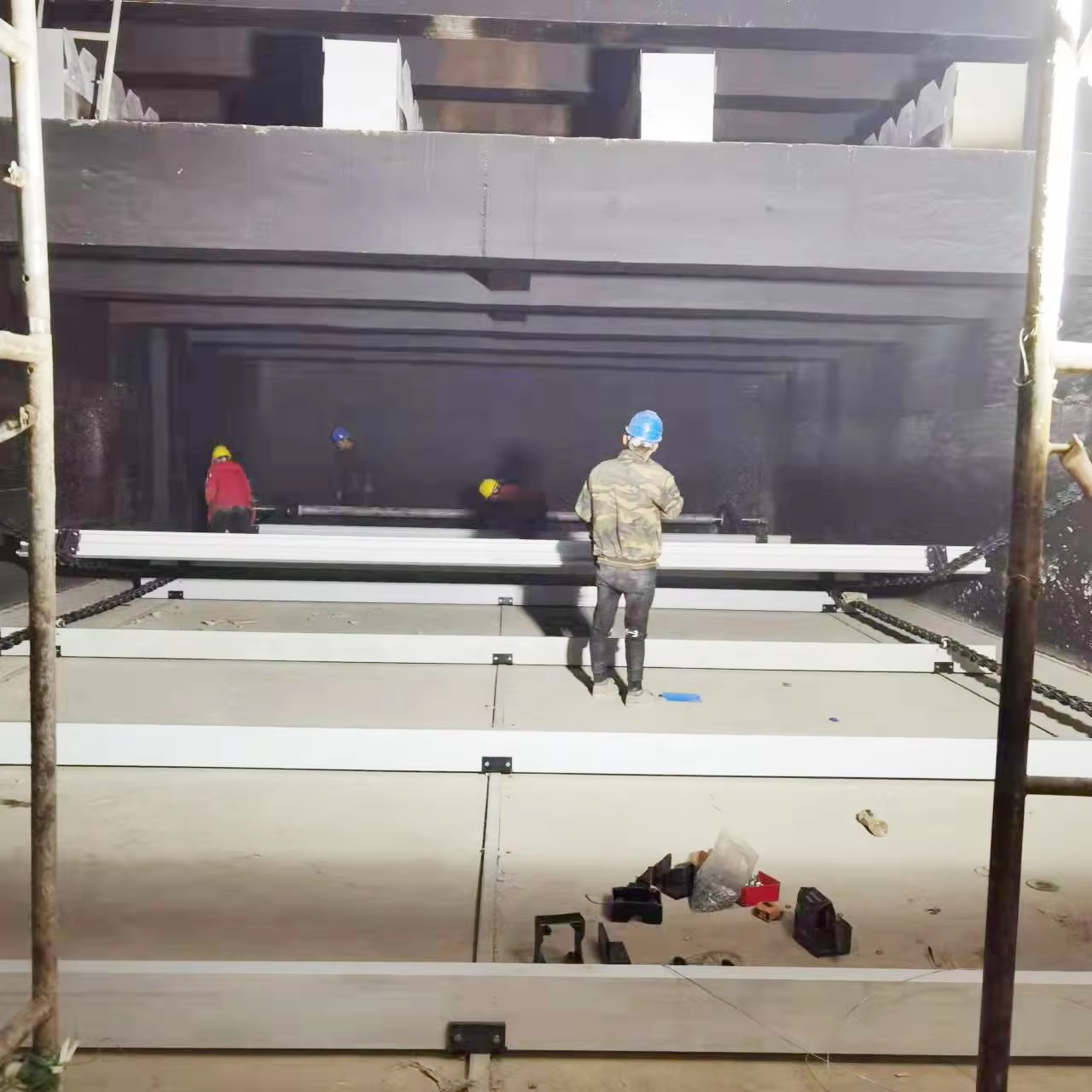
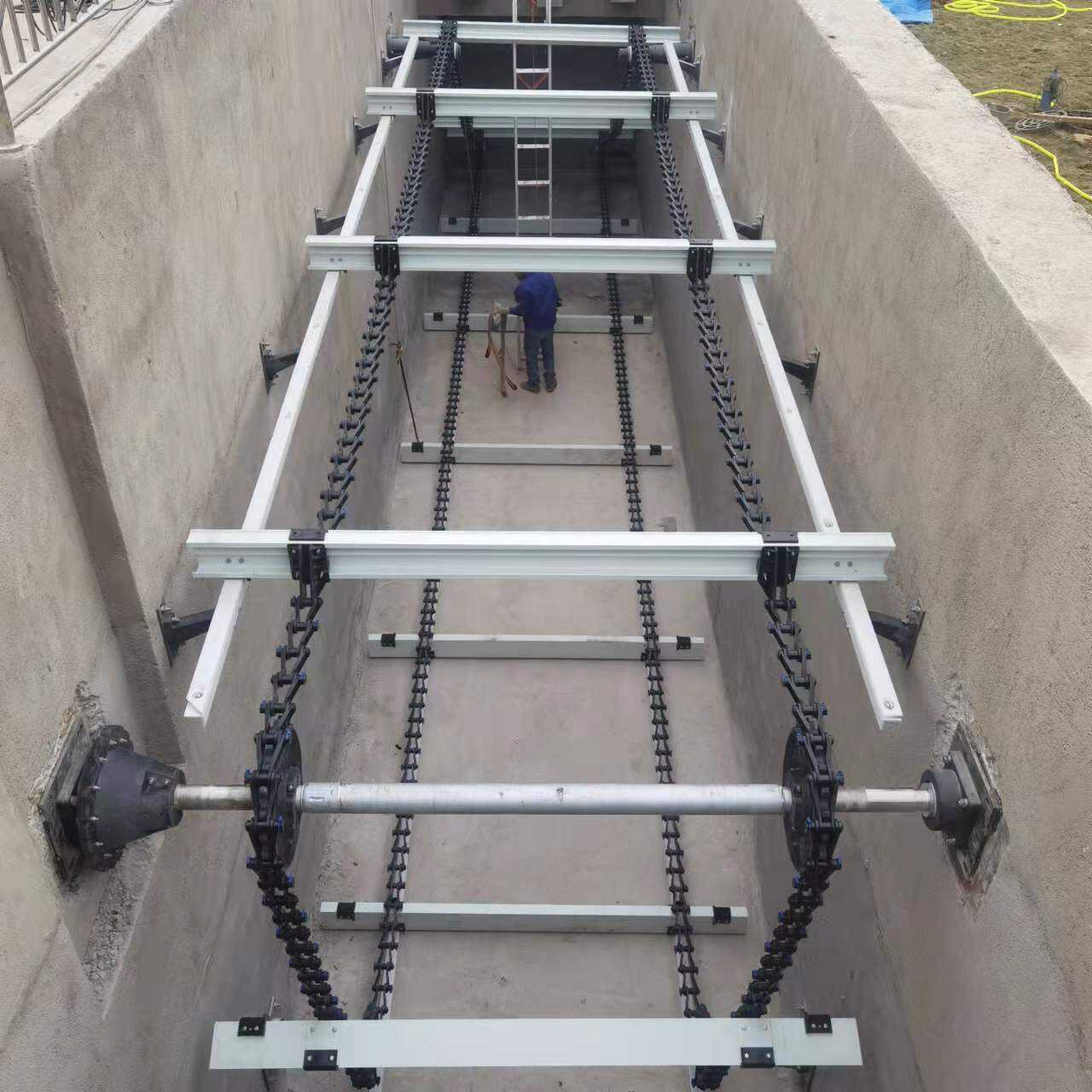
A low emission sewage treatment system is designed to minimize the release of greenhouse gases (like methane and nitrous oxide) and odorous compounds (such as hydrogen sulfide and mercaptans) during the treatment process. Strategies include optimizing biological processes, capturing and treating off-gases, and utilizing covered tanks. The primary treatment stage, particularly the sedimentation tanks, can be a significant source of odor emissions if sludge is allowed to accumulate and become septic. Therefore, efficient and continuous sludge removal is critical for odor control. Huake's non-metallic sludge scrapers contribute directly to a low-emission profile by ensuring this critical function is performed reliably. Their corrosion-resistant design guarantees uninterrupted operation, promptly removing settled solids before they can undergo anaerobic decomposition that releases foul-smelling and potentially corrosive gases like H2S. Furthermore, the composite materials are themselves resistant to attack by these corrosive gases, which can degrade metal components and accelerate failure. By specifying Huake's reliable scraping technology, plant operators can effectively manage one of the key sources of odors at the front end of the treatment process. This supports the overall goal of creating a low-emission facility that minimizes its nuisance impact on the surrounding community and reduces its environmental footprint, aligning with modern sustainability objectives for wastewater treatment operations.