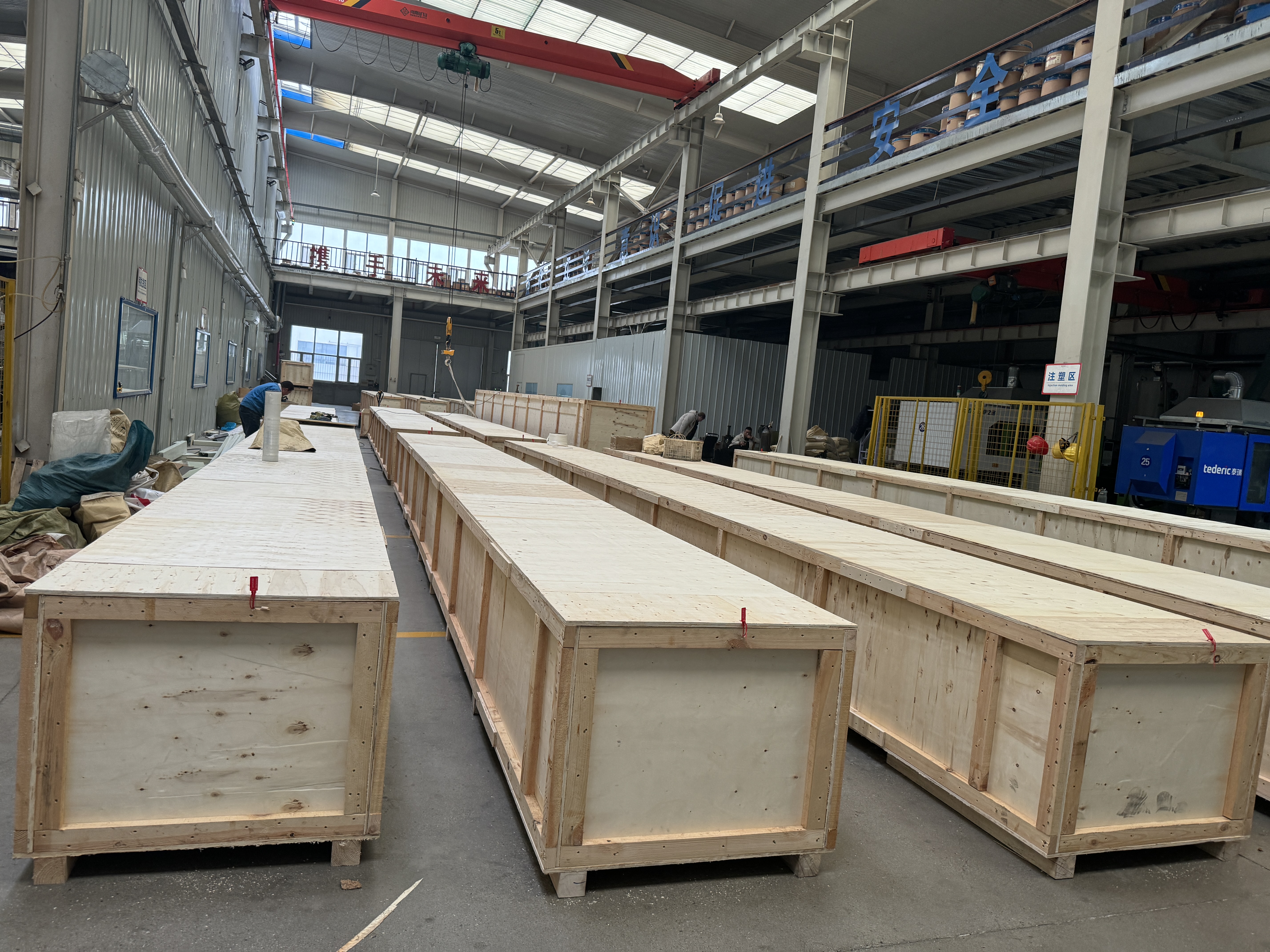
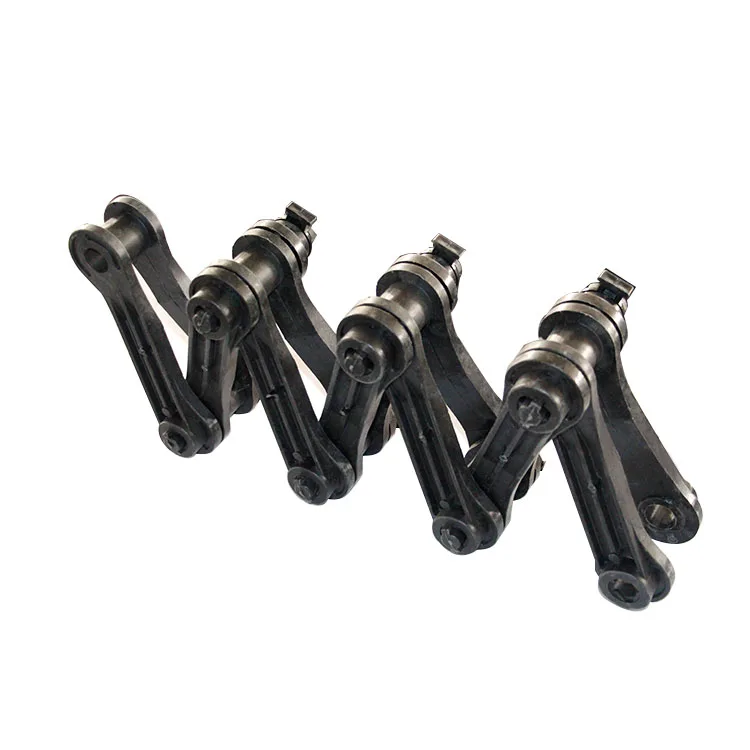
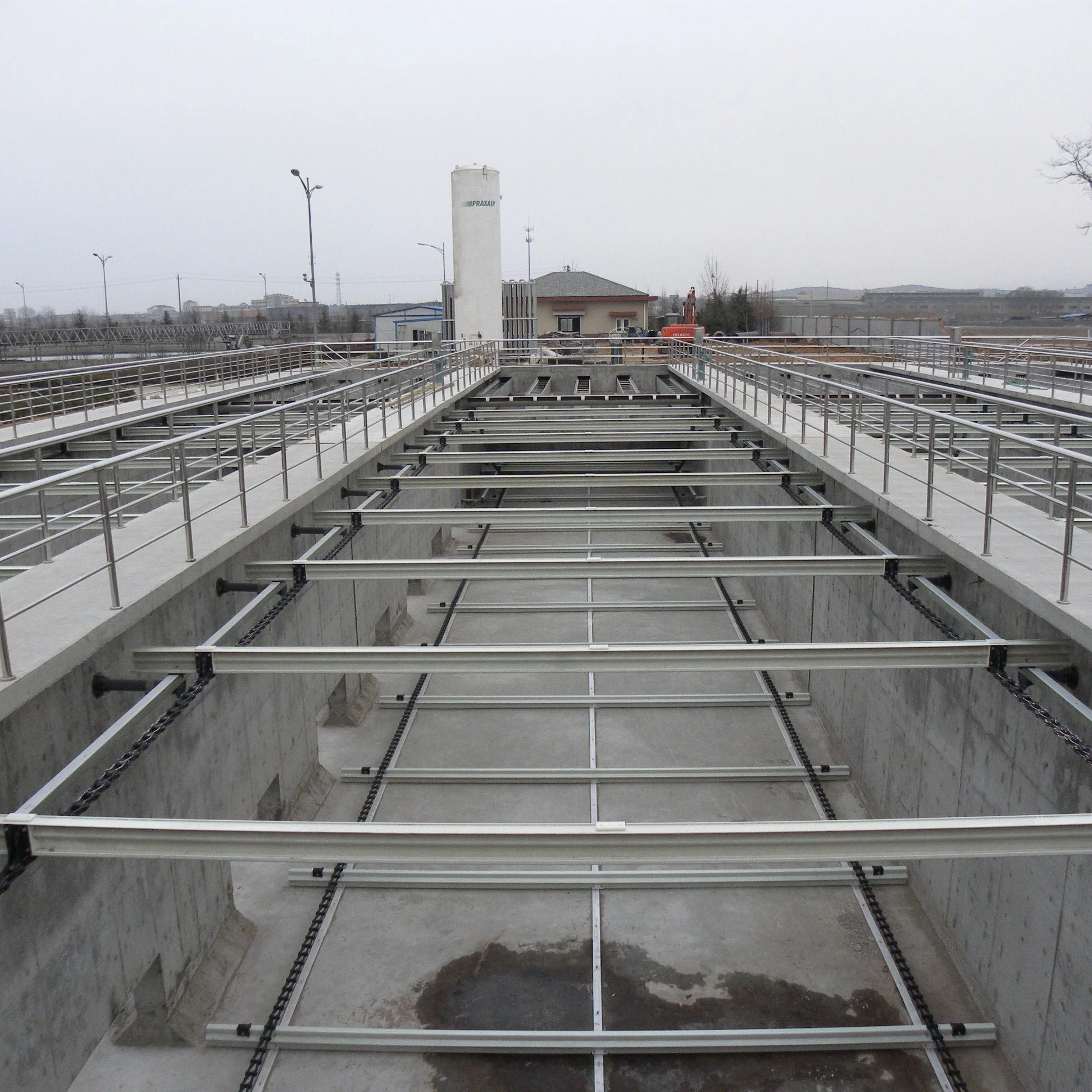
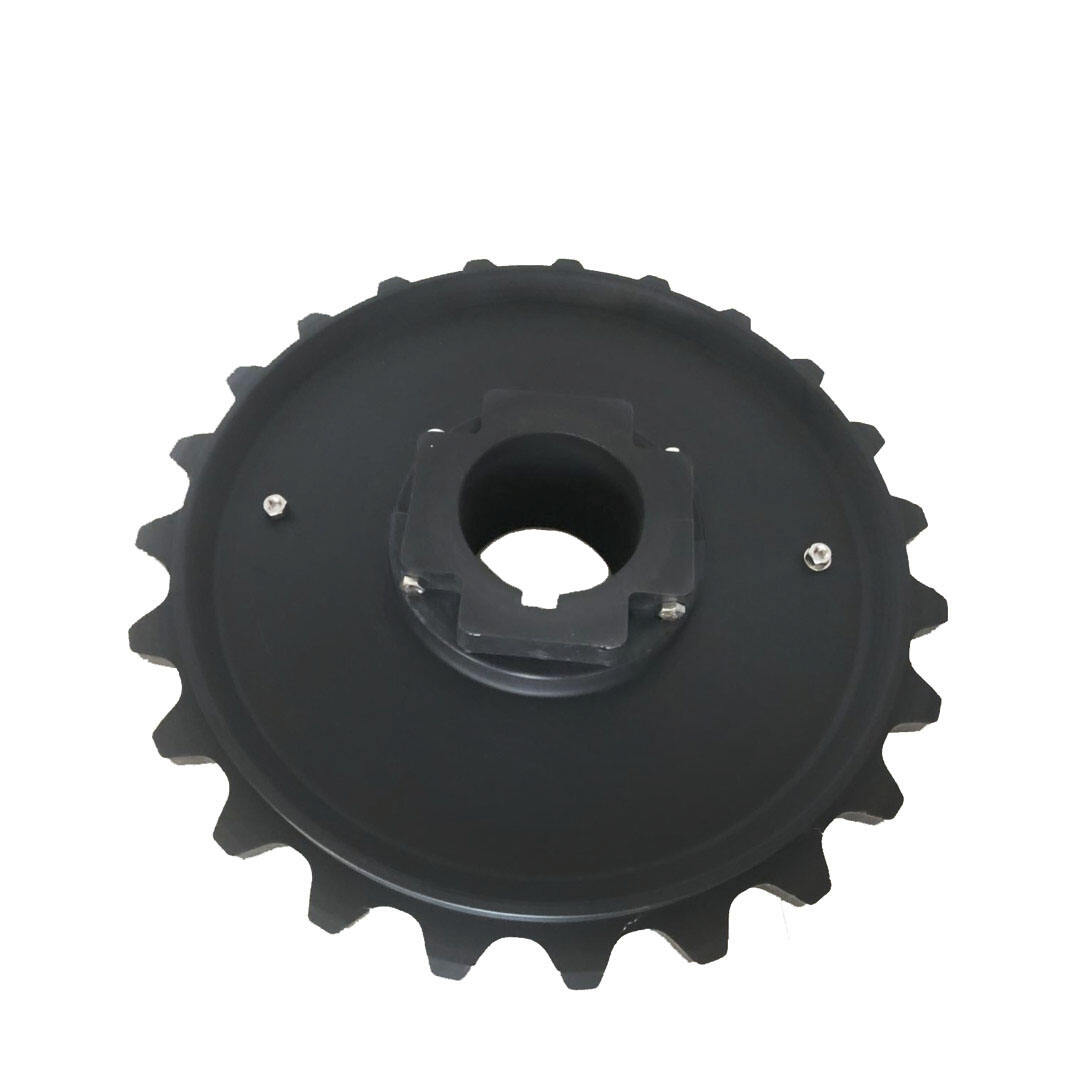
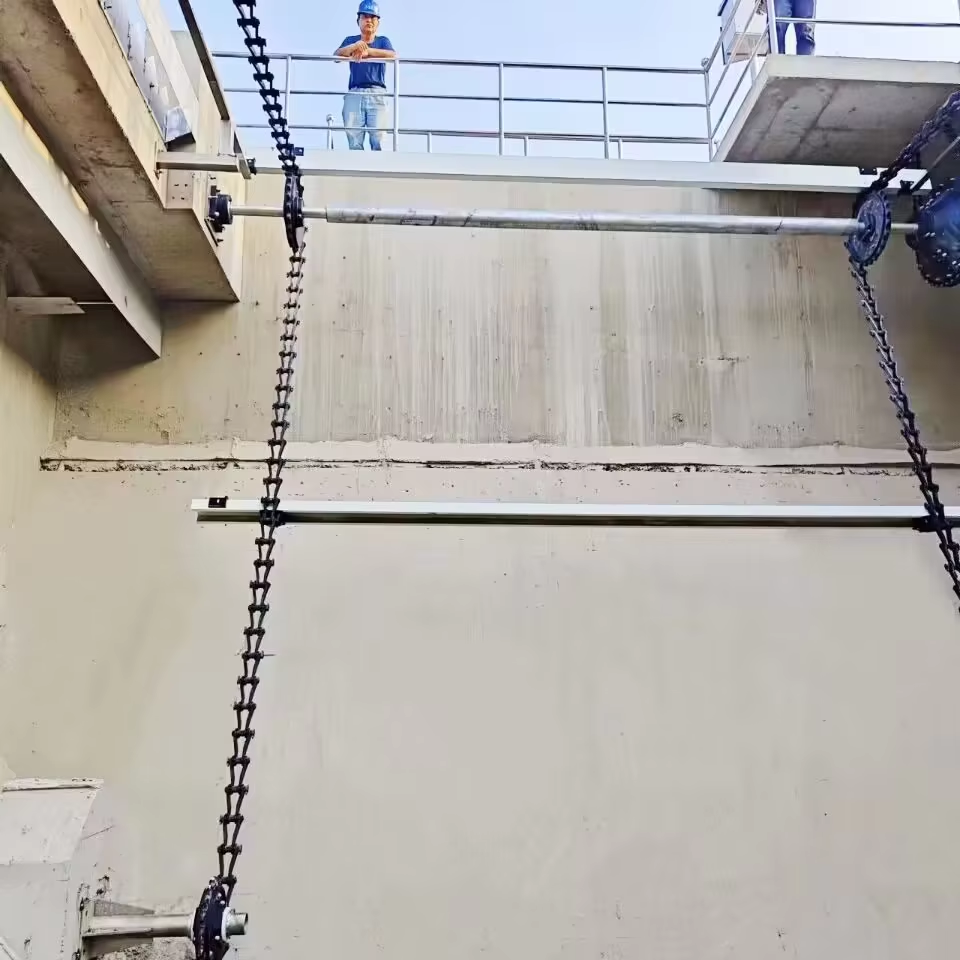
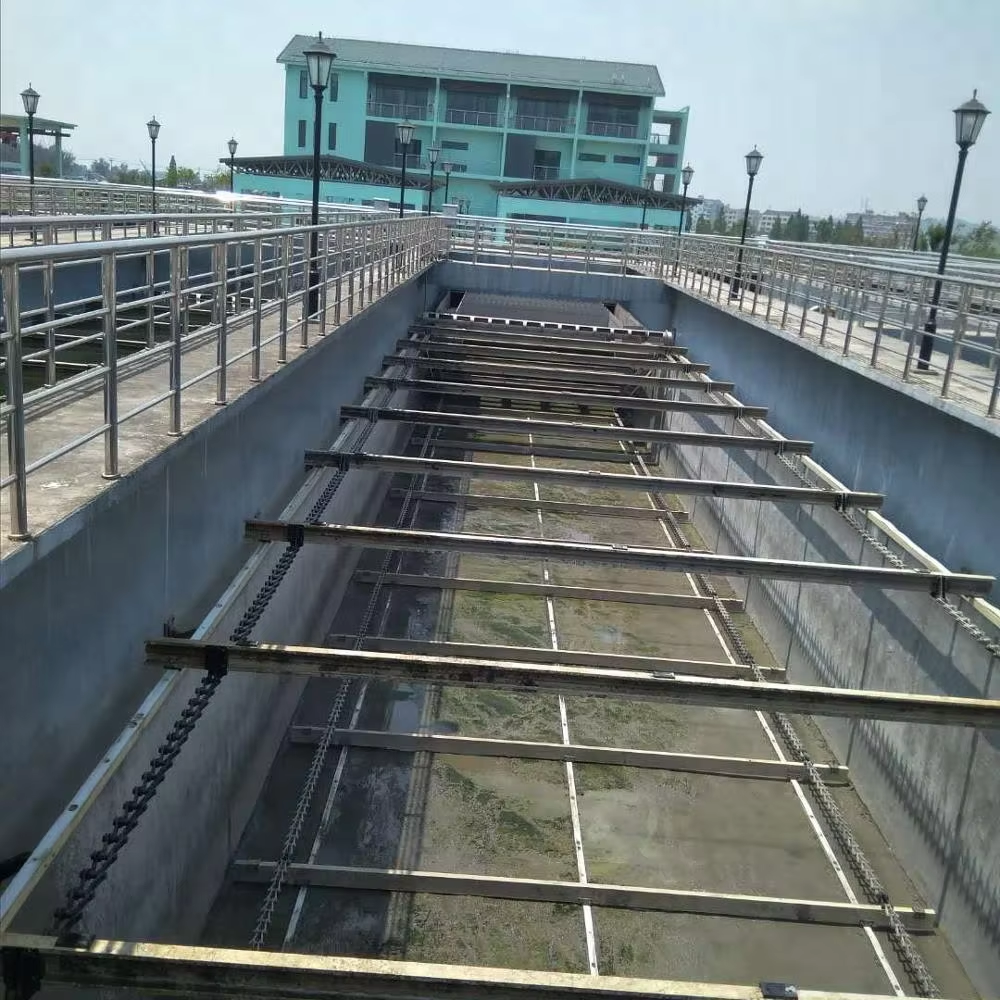
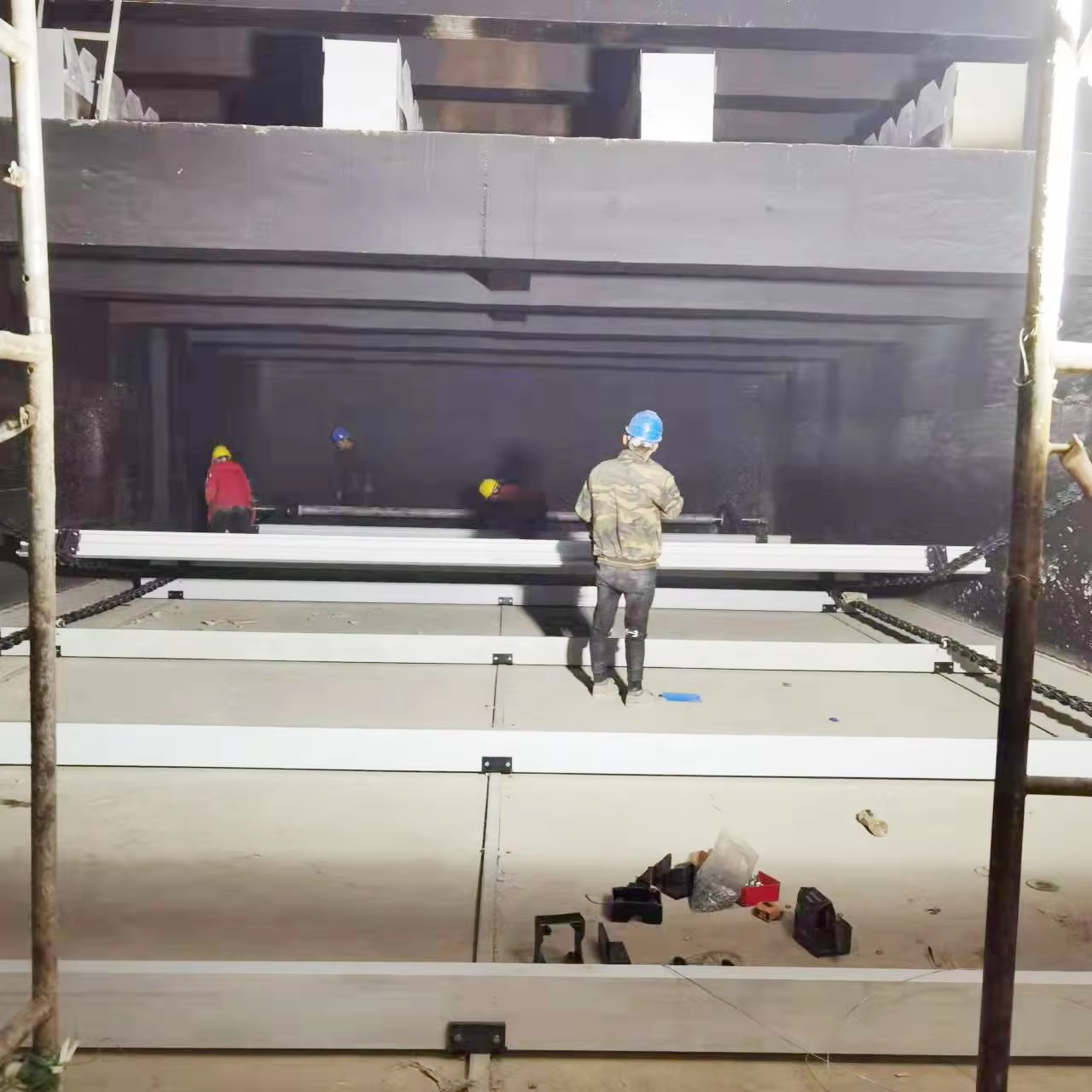
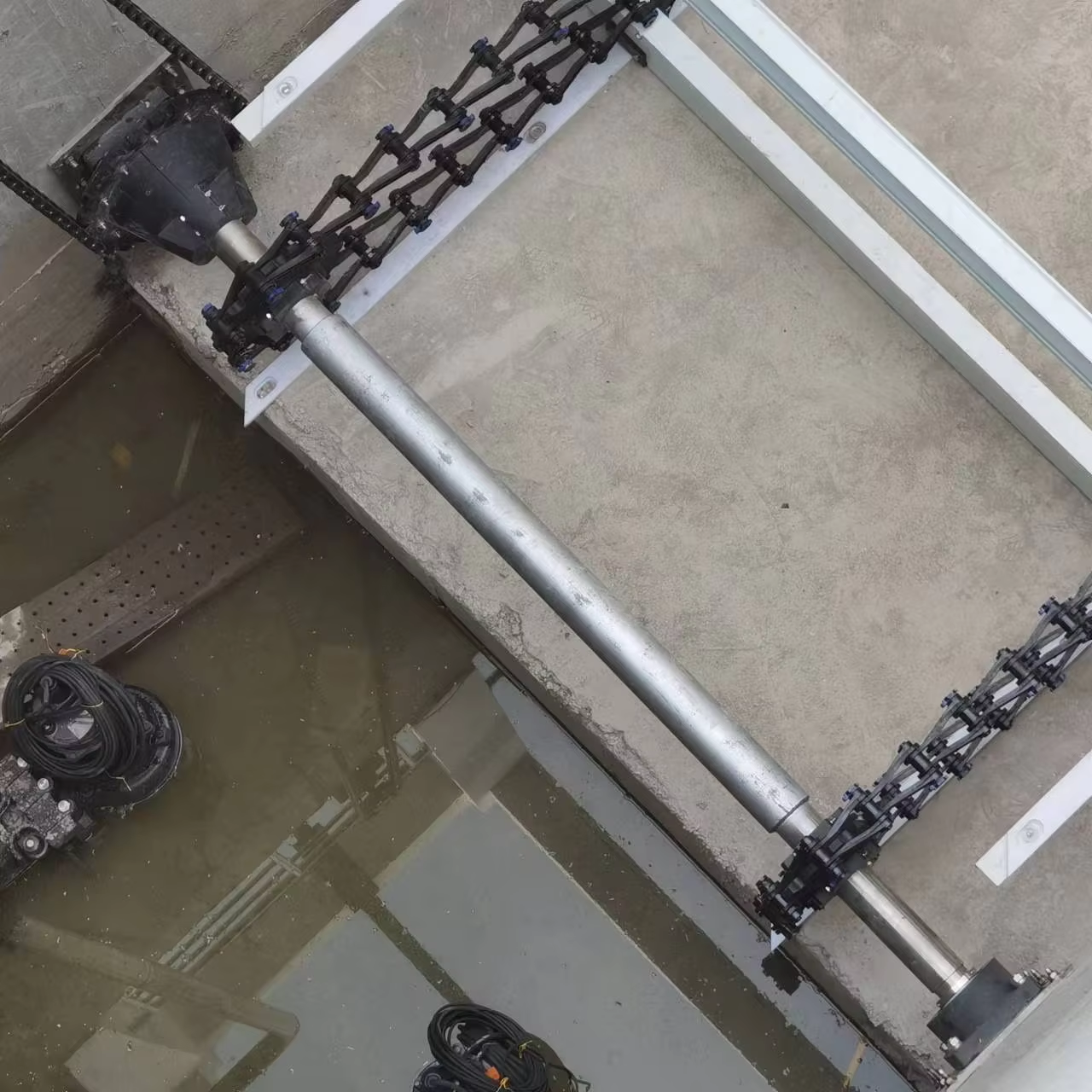
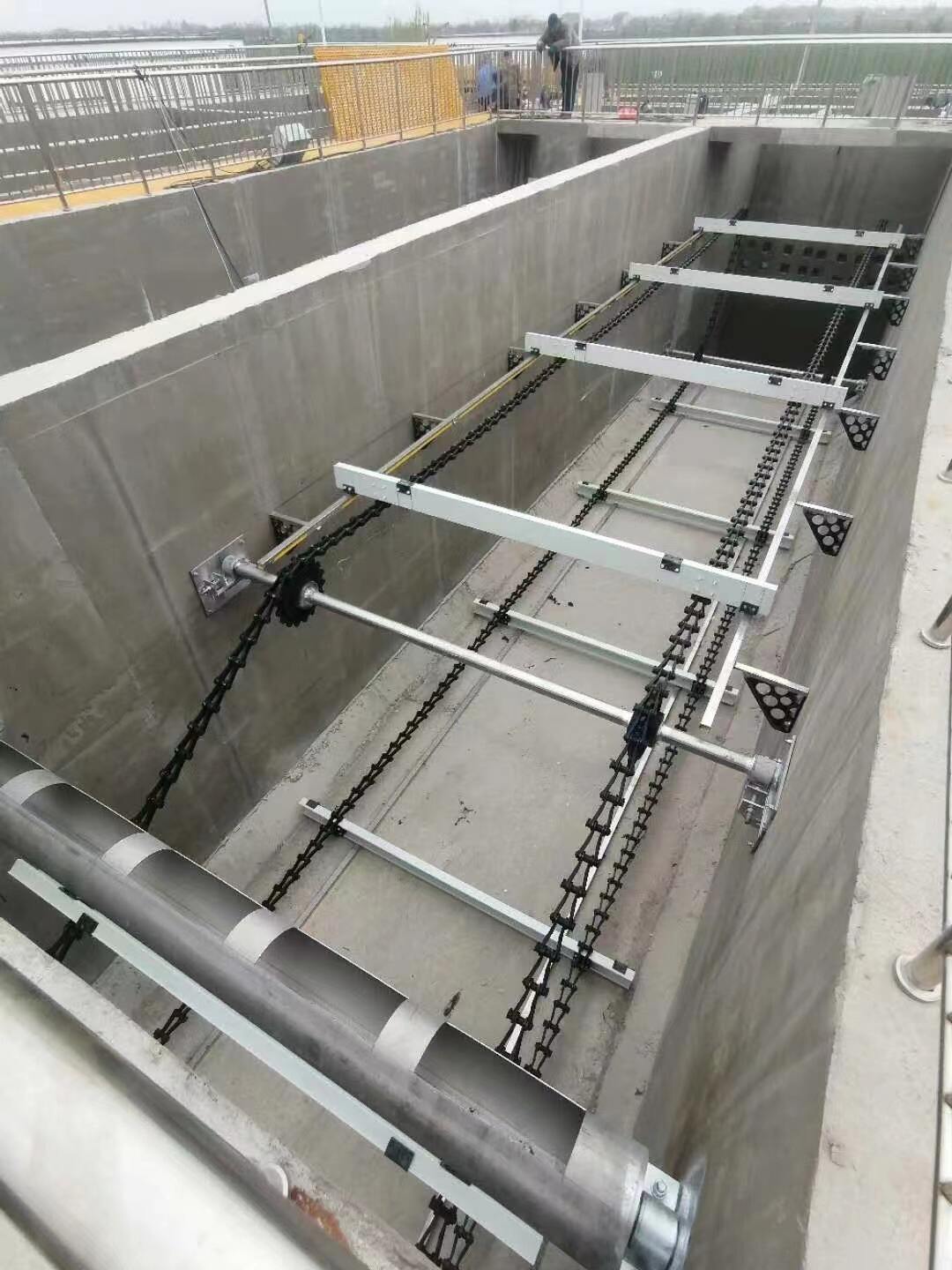
The term "water sewage treatment" refers to the intricate process of purifying water that has been contaminated through human use—from households, businesses, and industries—to a level that is safe for release back into the natural aquatic environment or for intended reuse applications. It is a critical public health and environmental protection service. The process is methodical and multi-staged. Preliminary treatment removes large solids and grit that could damage equipment. Primary treatment is a physical settling process that reduces suspended solids. Secondary treatment, a biological process, is the core of purification, where microbes consume dissolved organic waste. Tertiary treatment provides advanced polishing, which can include nutrient stripping, advanced filtration, and disinfection to eliminate pathogens. Each stage is engineered to target specific pollutants. The effectiveness of the primary and secondary sedimentation stages is a cornerstone of the entire process. In these large settling tanks, efficient sludge removal is non-negotiable. If sludge is not promptly and continuously collected, it can septicify, releasing gases that cause sludge buoyancy and carry-over of solids, severely degrading the quality of the final effluent. This makes the reliability of the sludge collection system—particularly the scrapers—a paramount concern. Our focus is on providing scraping systems that eliminate this risk. Manufactured from advanced plastics and composites, our scrapers are immune to corrosion, reduce energy consumption due to their lightweight nature, and are designed for minimal maintenance, ensuring that the sedimentation process operates at peak efficiency 24/7. For inquiries regarding how our scrapers enhance water sewage treatment, please reach out to us for a comprehensive consultation.