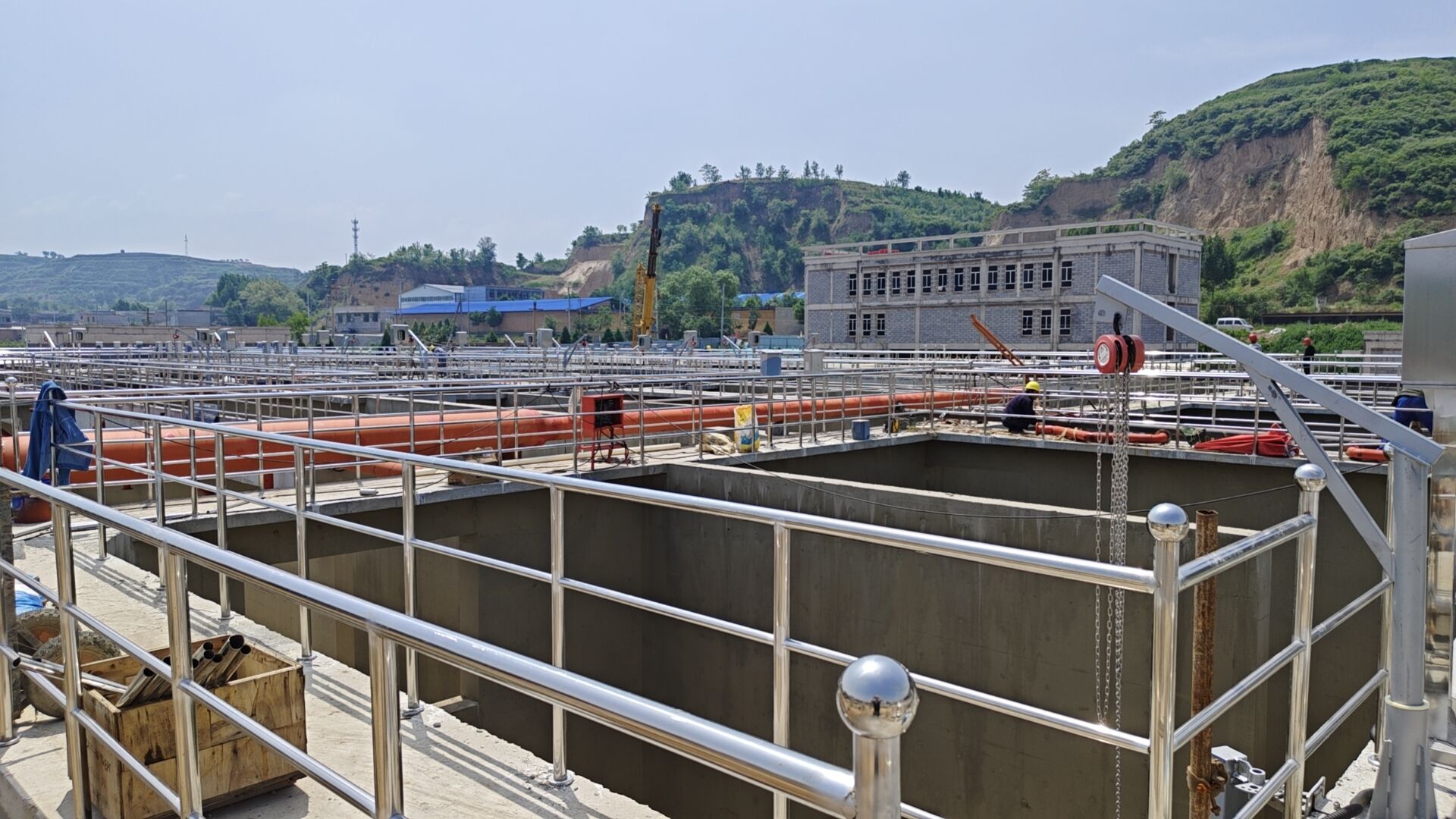
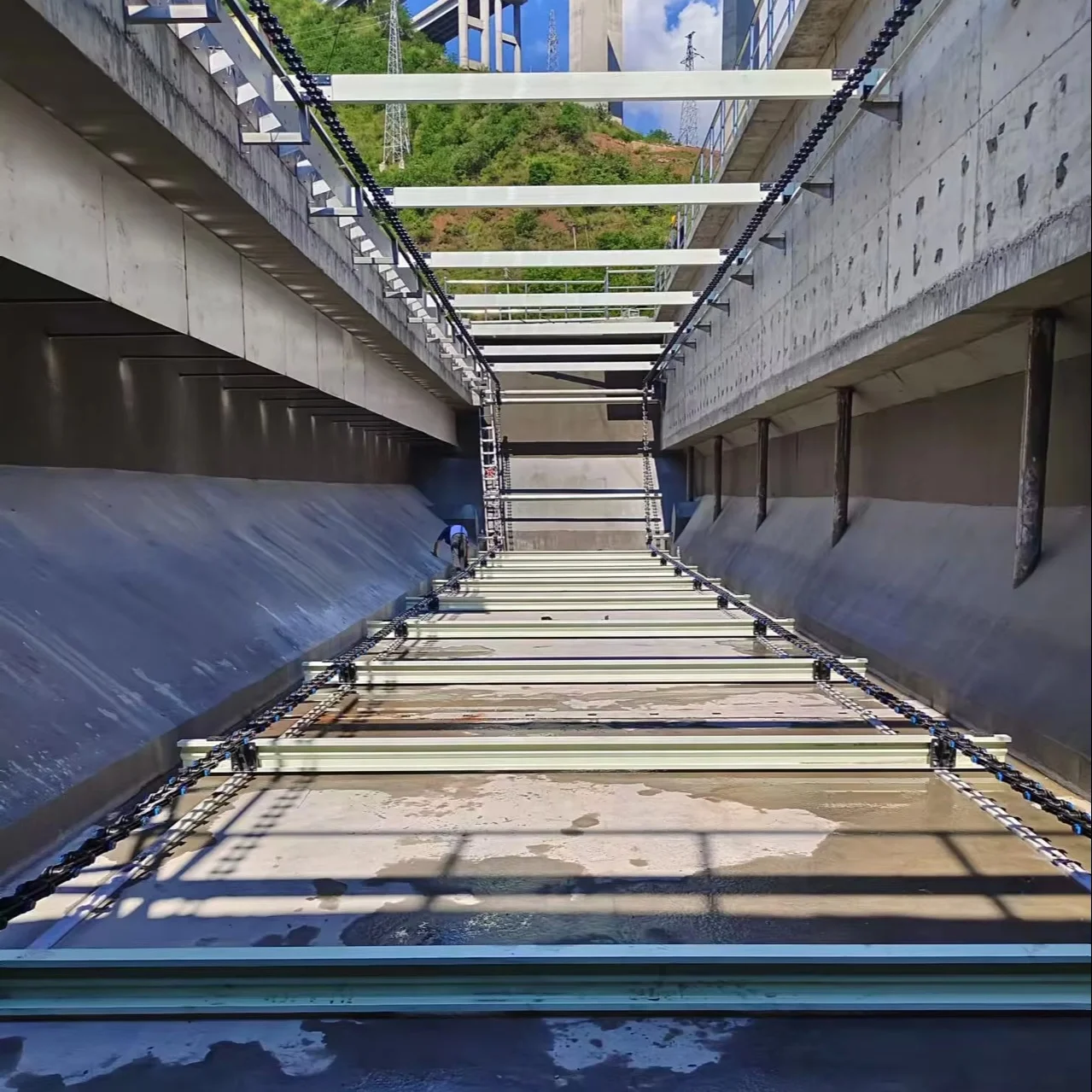
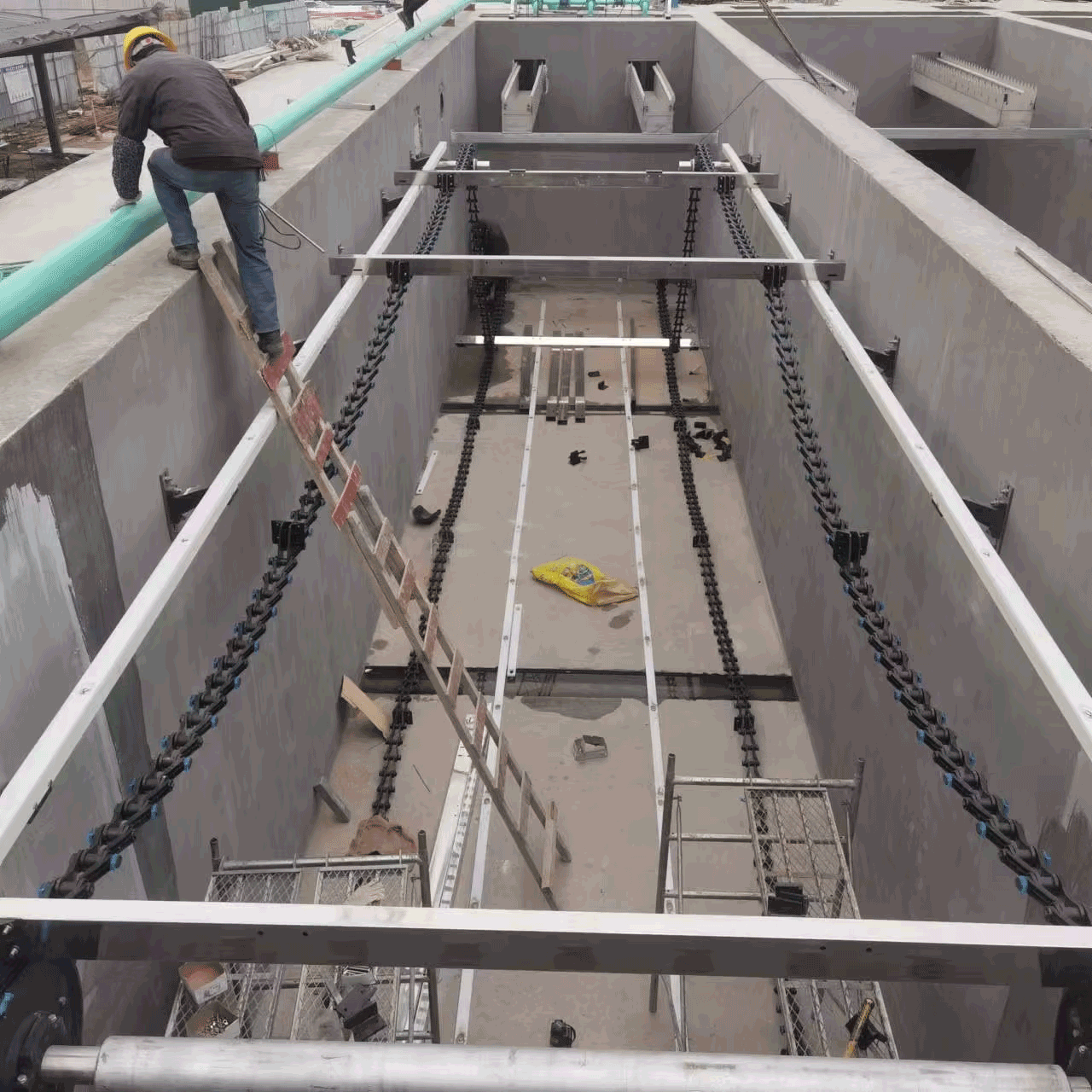
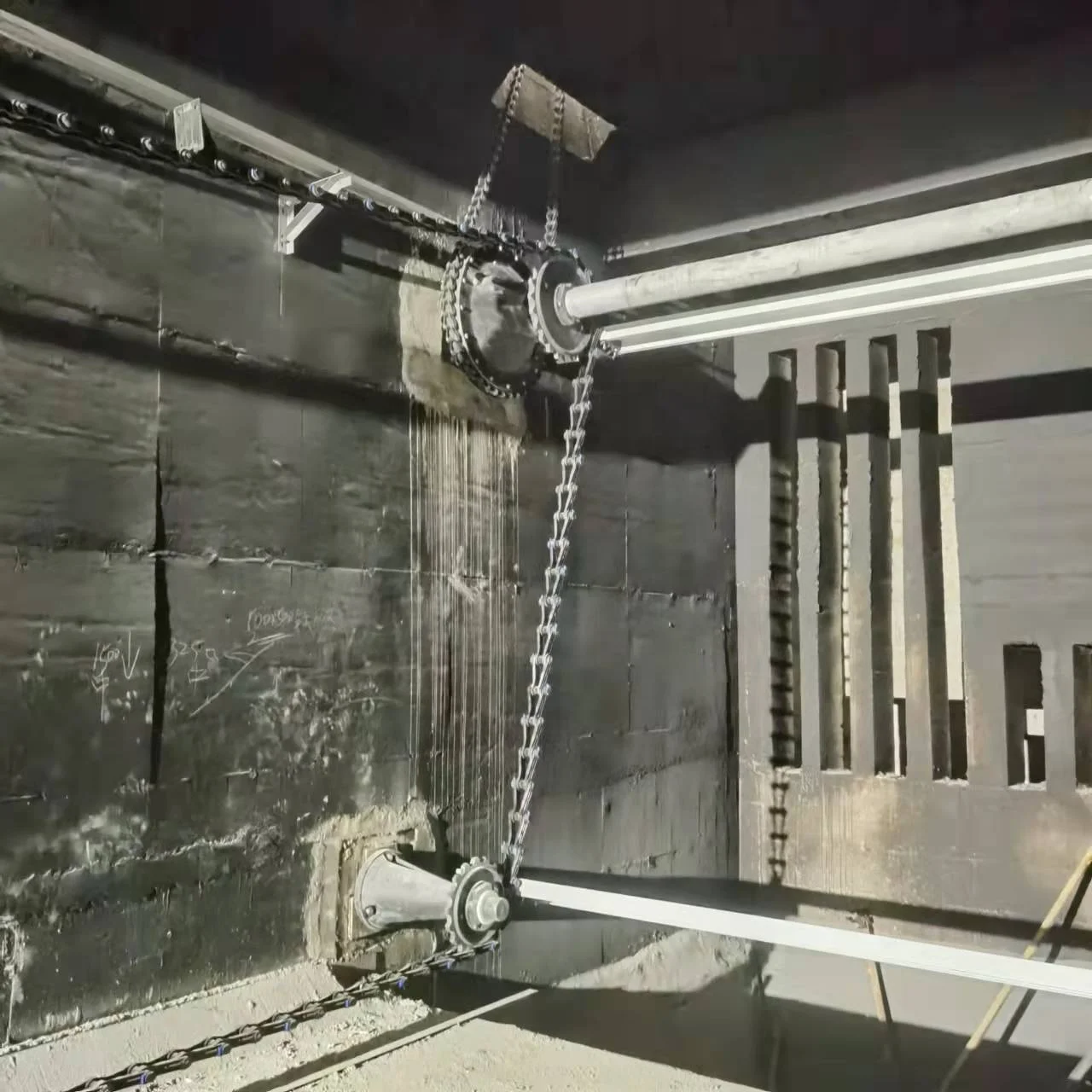
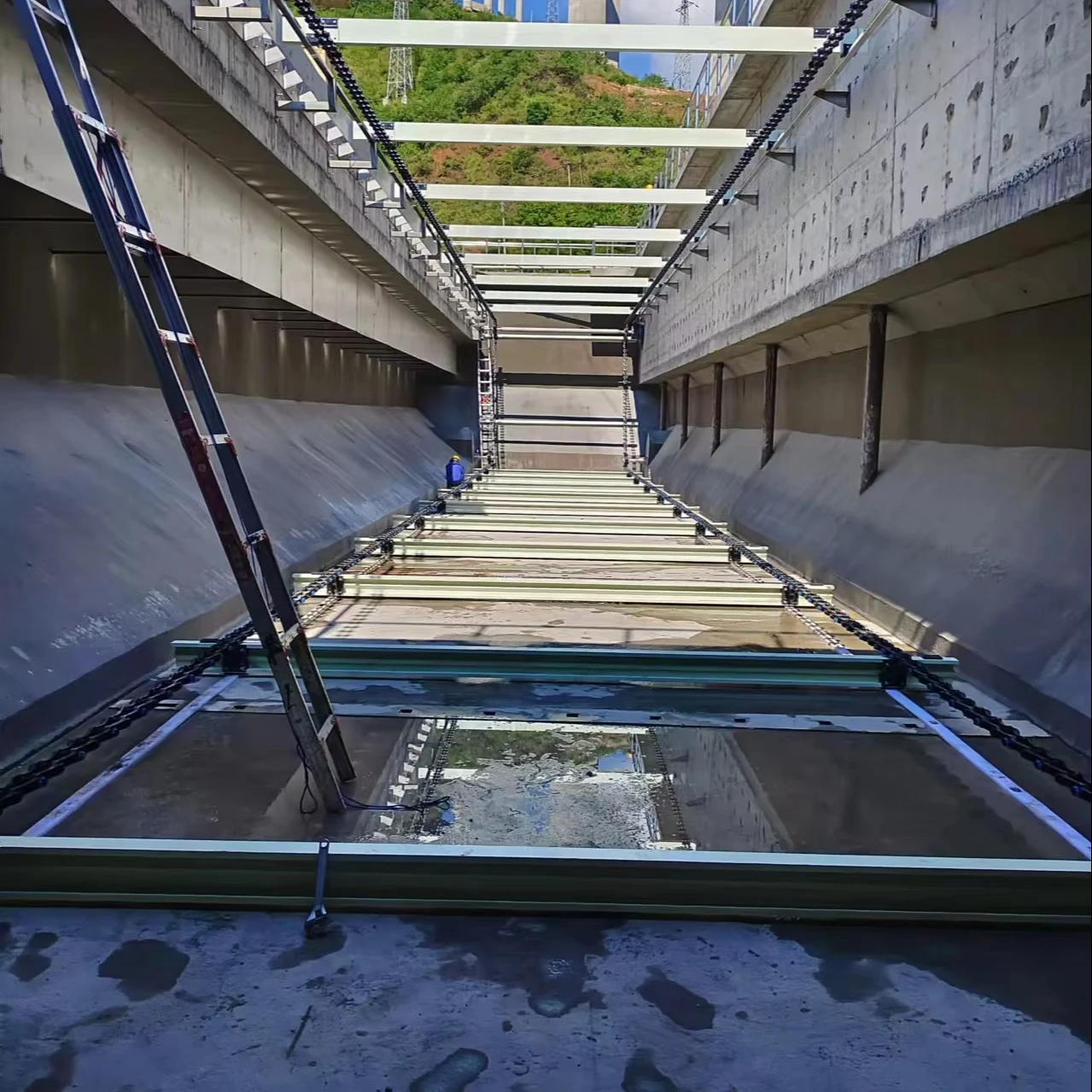
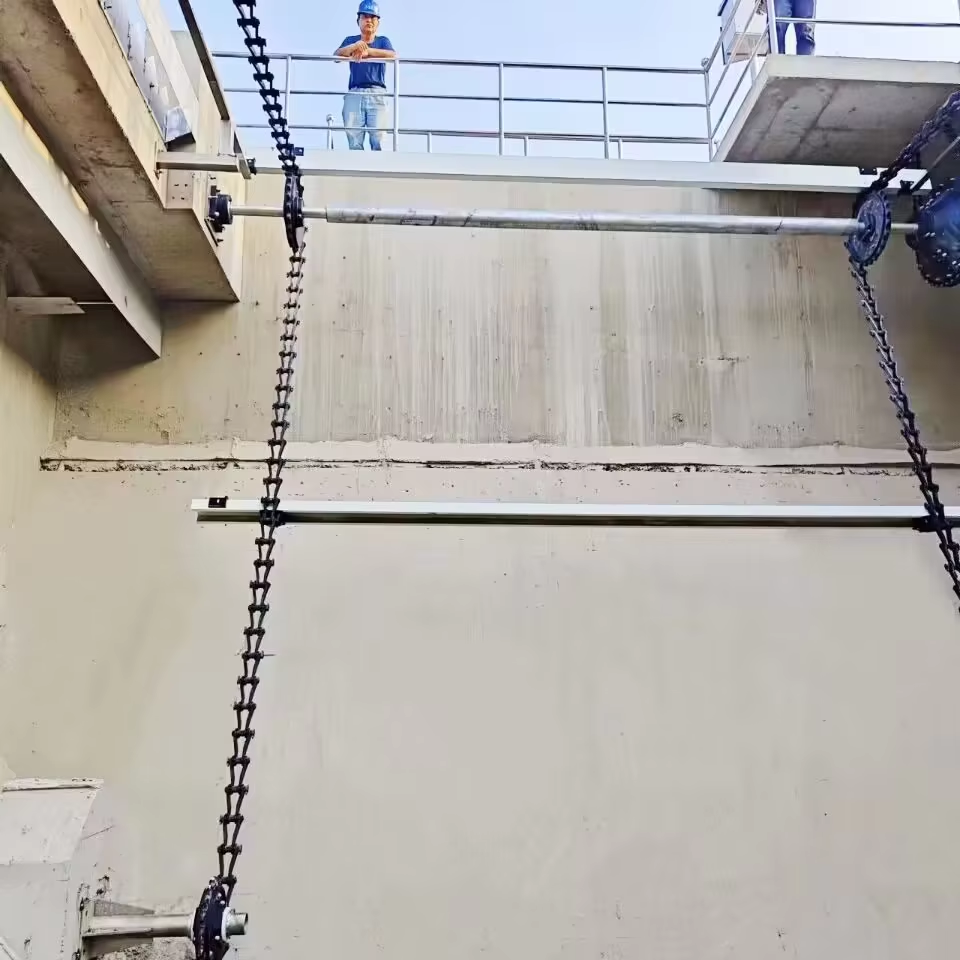
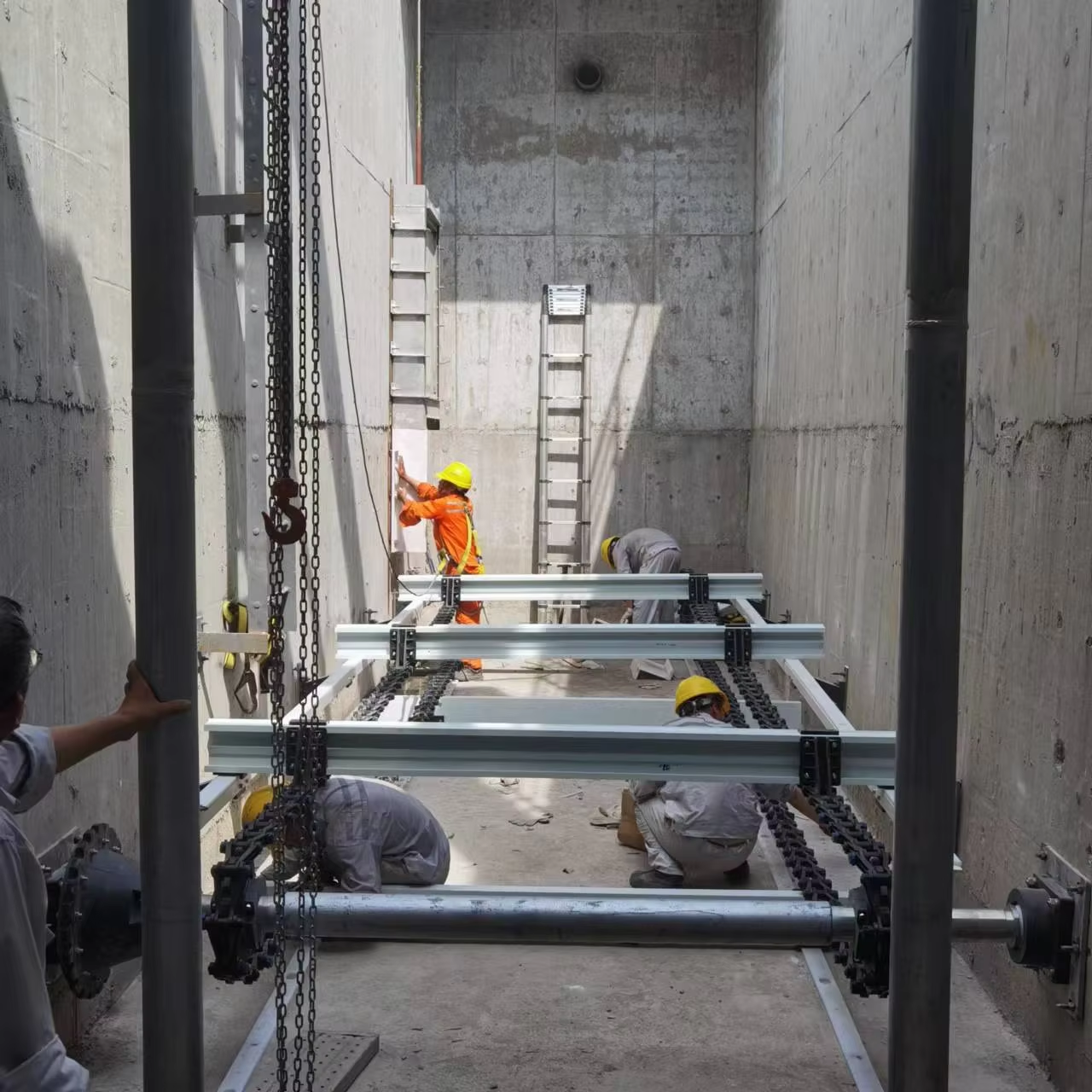
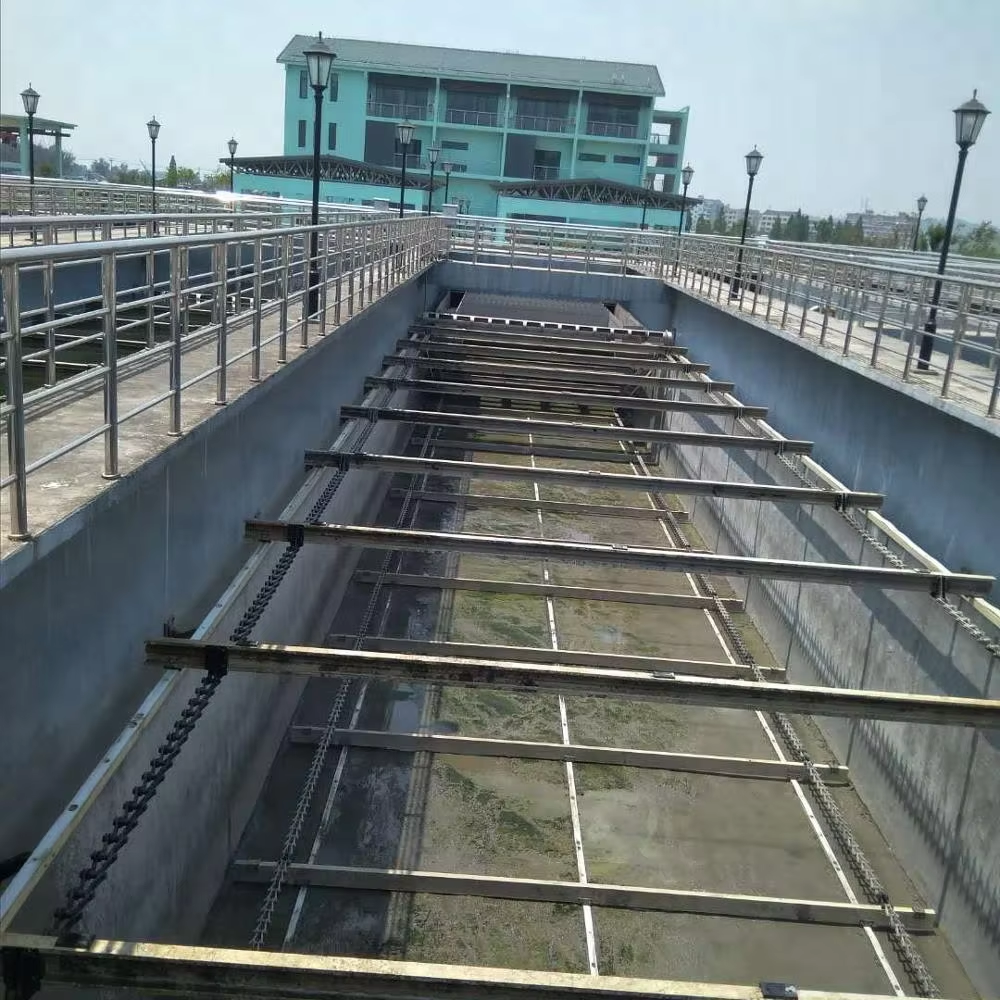
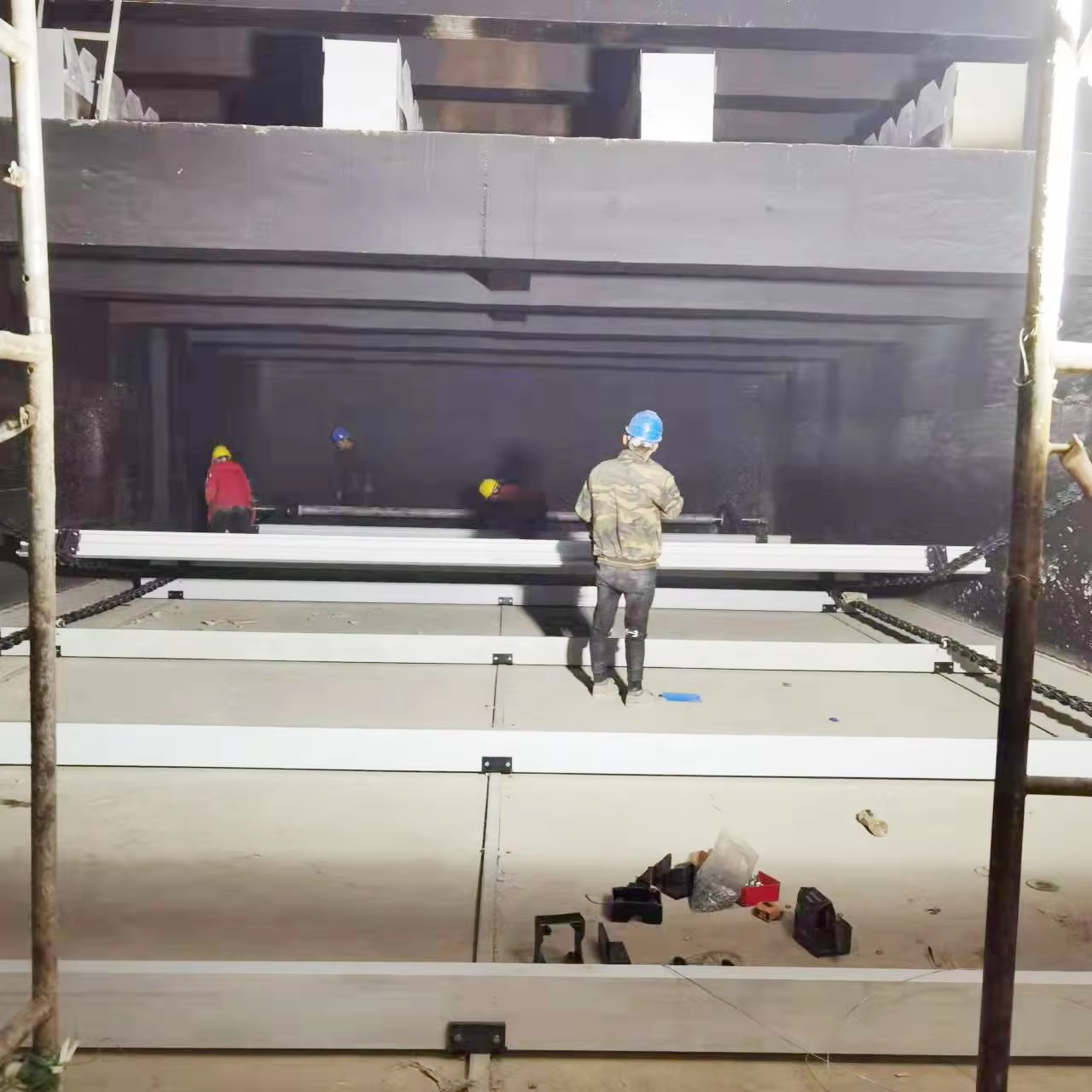
A sewage management system is an integrated framework that encompasses the entire lifecycle of wastewater, from its generation and collection to its treatment, disposal, and potential reuse. It is a complex network that includes physical infrastructure (pipes, pumps, treatment plants), monitoring technology, and management protocols. The system begins with an extensive collection network of sewers that transport wastewater from residential, commercial, and industrial sources to a central treatment facility. Upon arrival, the wastewater undergoes a multi-barrier treatment process. Modern systems increasingly incorporate Supervisory Control and Data Acquisition (SCADA) systems for real-time monitoring of flow rates, pressure, and water quality parameters, allowing for proactive adjustments and rapid response to anomalies like sewer overflows or treatment process upsets. A well-designed sewage management system also includes plans for biosolids management, handling the nutrient-rich sludge derived from the treatment process through methods like anaerobic digestion, composting, or thermal drying. Furthermore, with growing water scarcity, advanced systems are now designed for water reclamation, treating effluent to a high standard for non-potable uses such as irrigation, industrial cooling, or groundwater recharge. The resilience and efficiency of this entire system are crucial for public health, environmental protection, and sustainable urban development. The selection of durable, long-lasting components, such as sedimentation tank scrapers, is a key investment in minimizing maintenance needs and ensuring the continuous operation of the treatment core. For information on how our equipment integrates into and enhances such systems, we encourage you to get in touch with our engineering specialists.