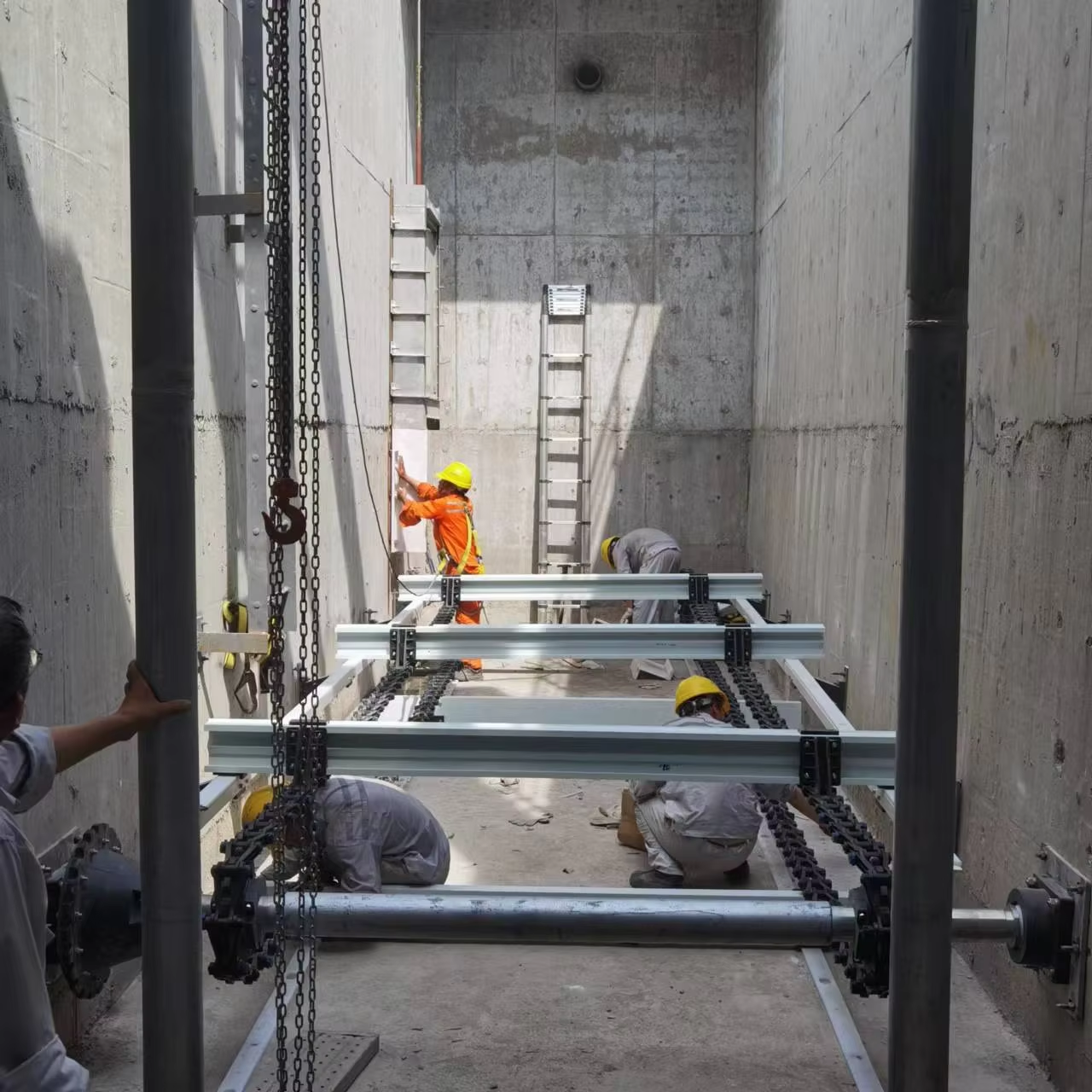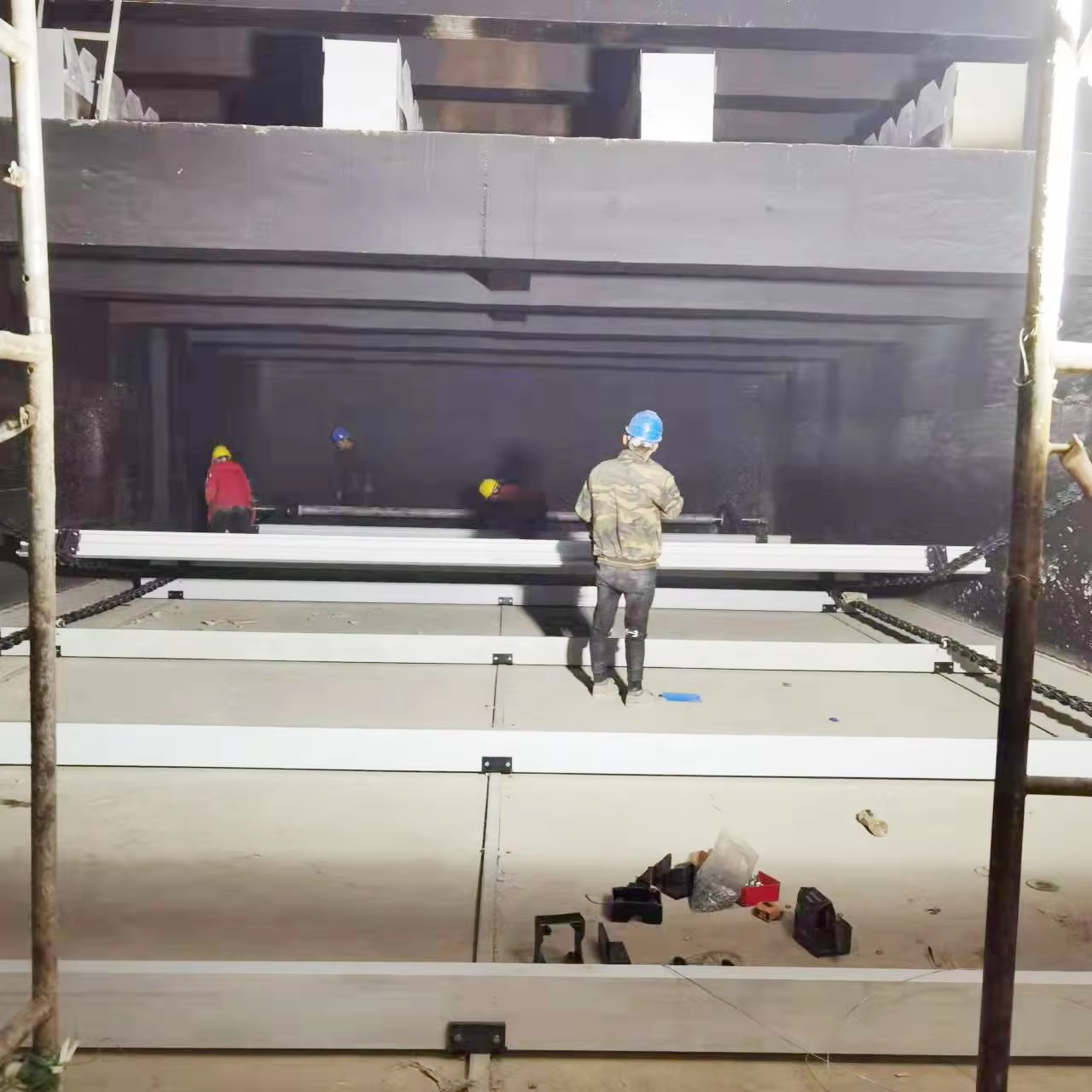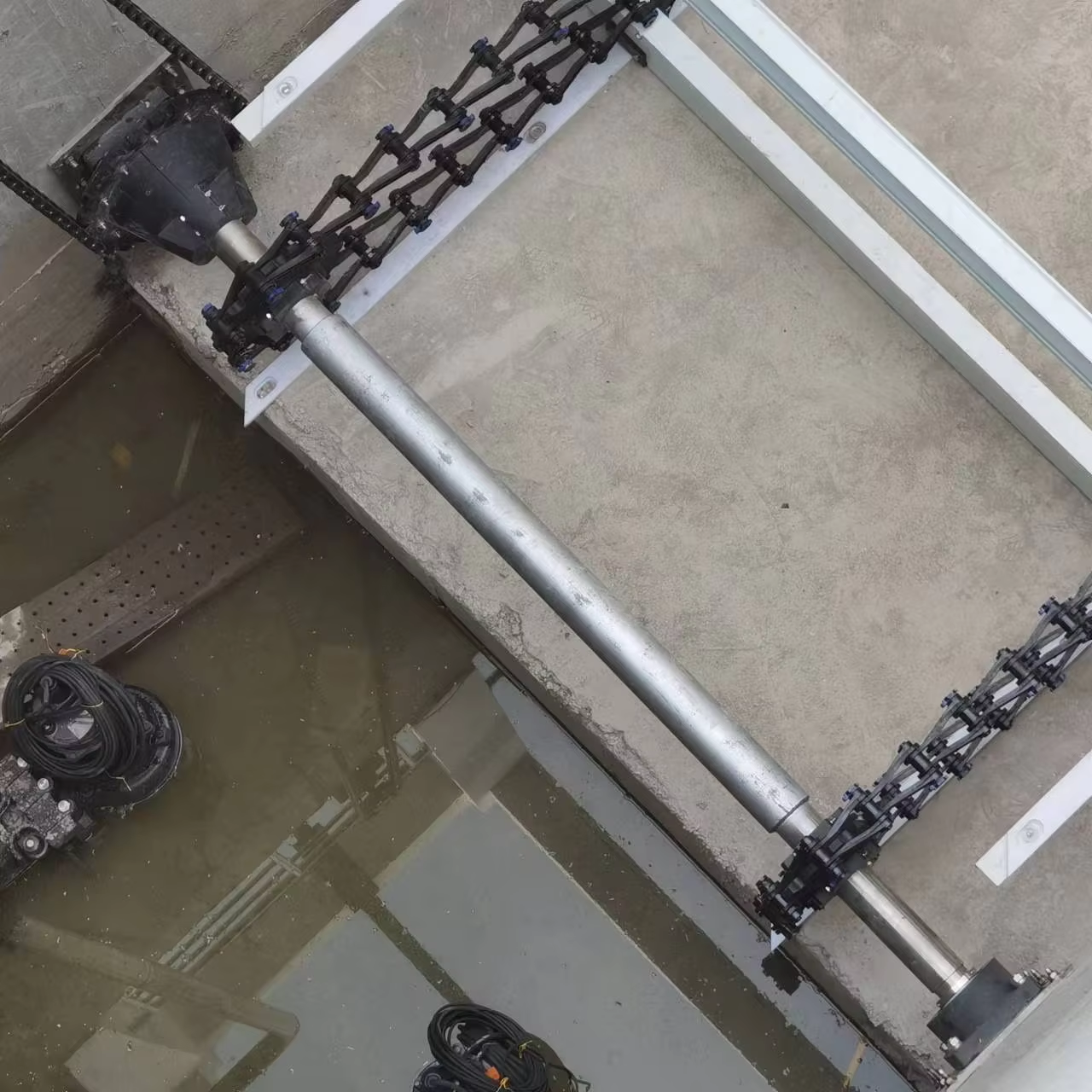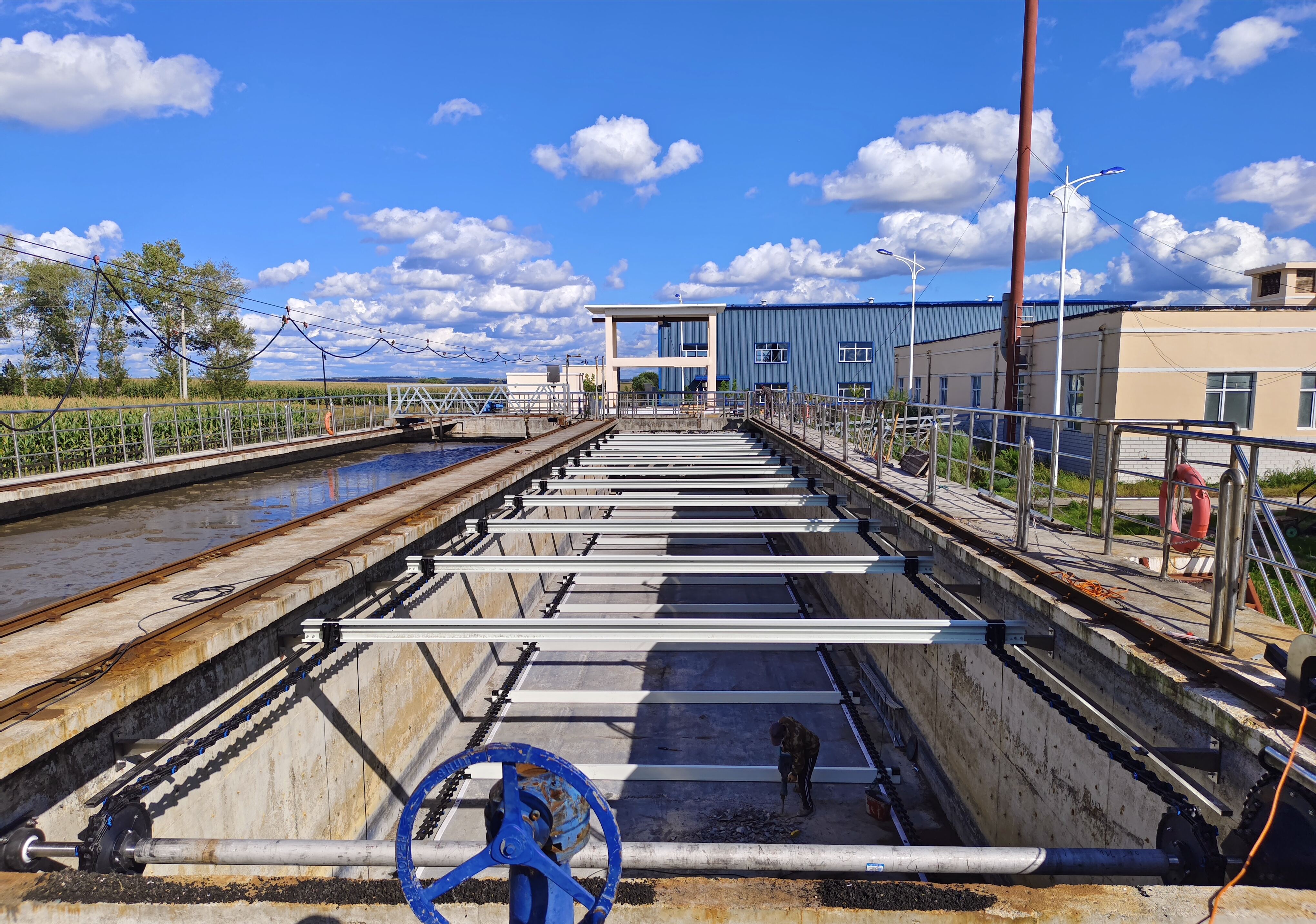
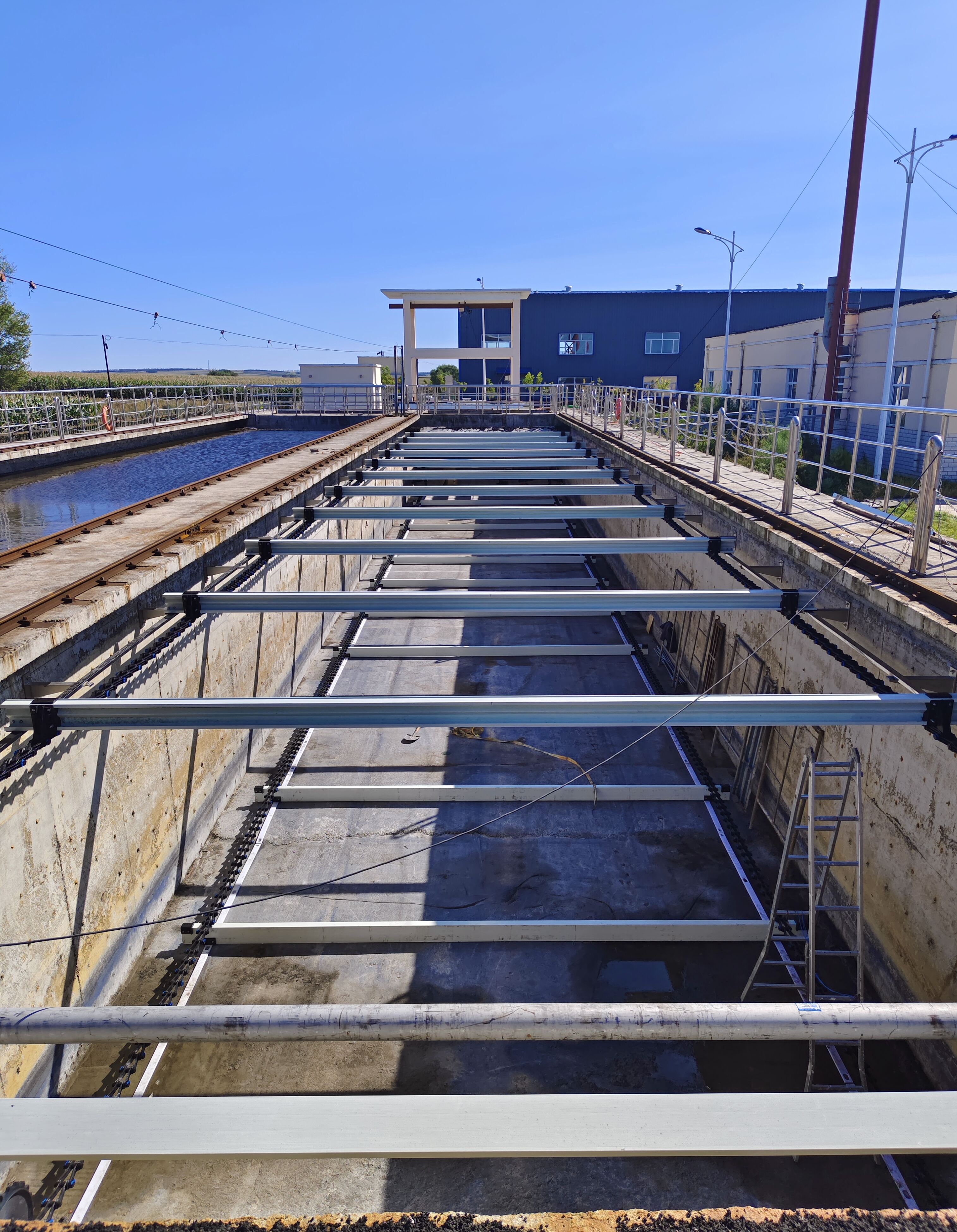
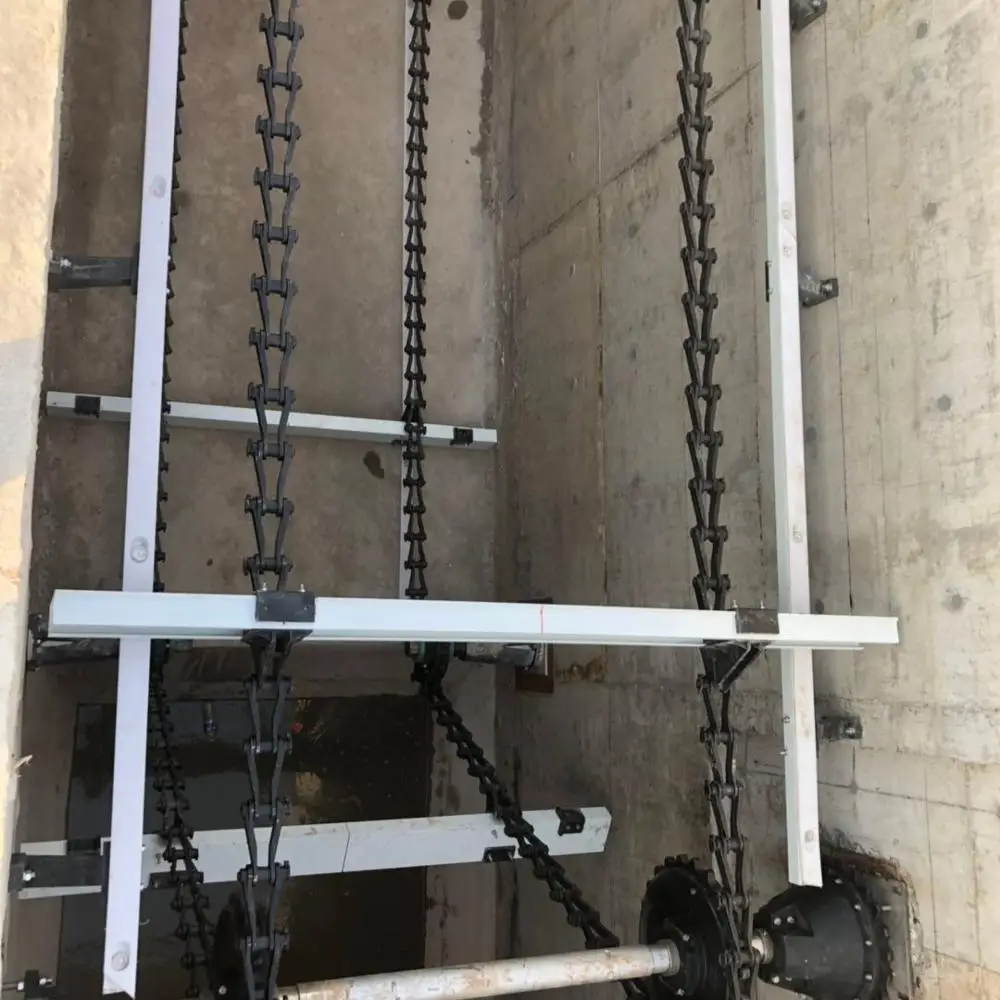
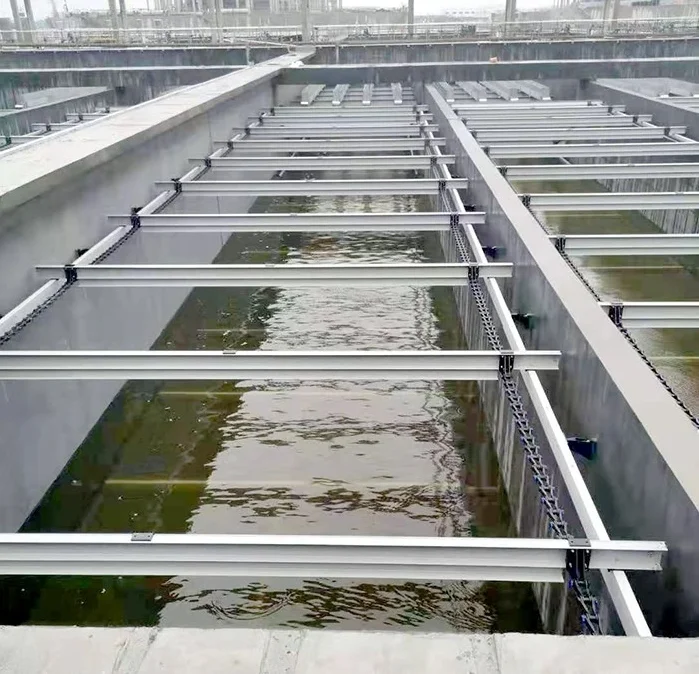
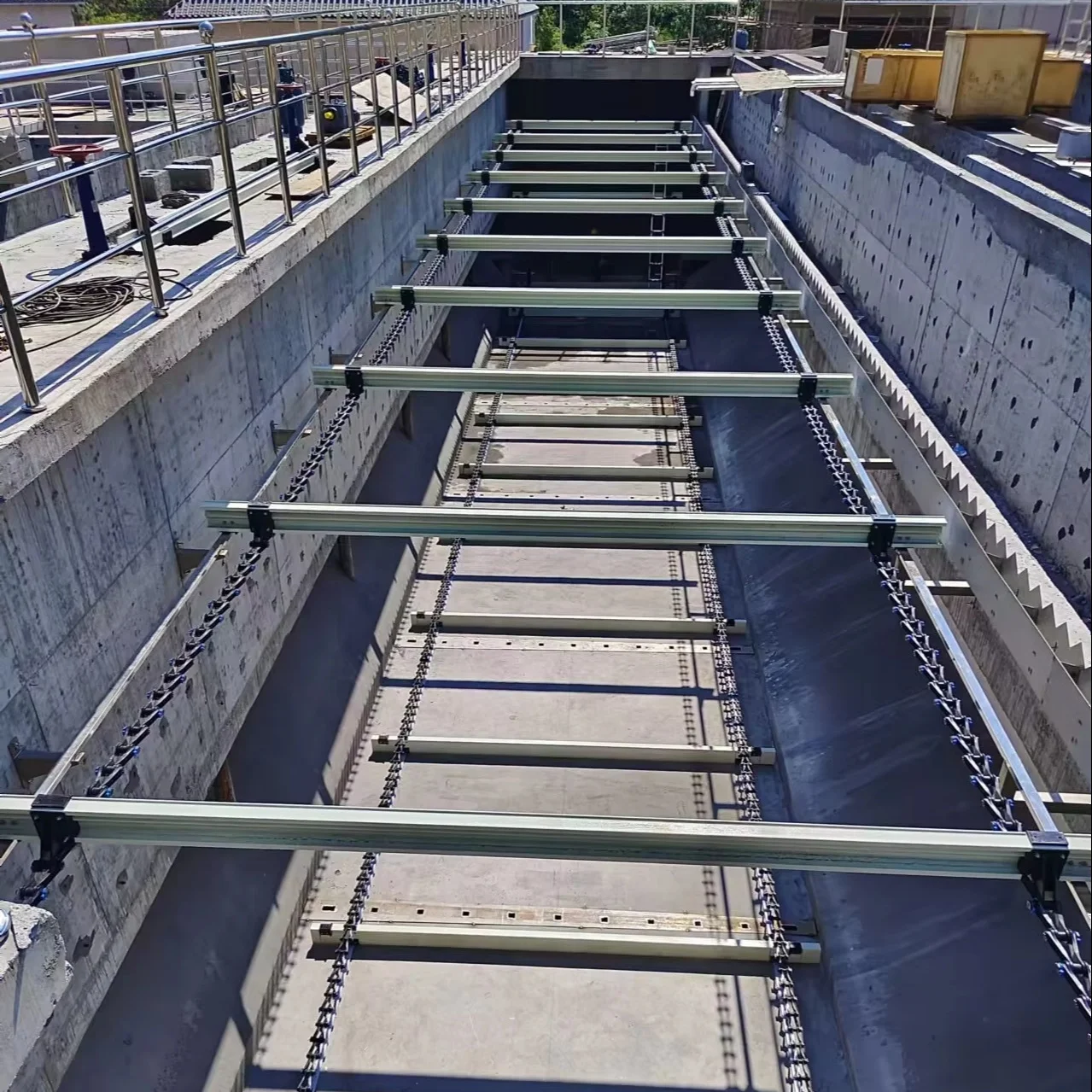
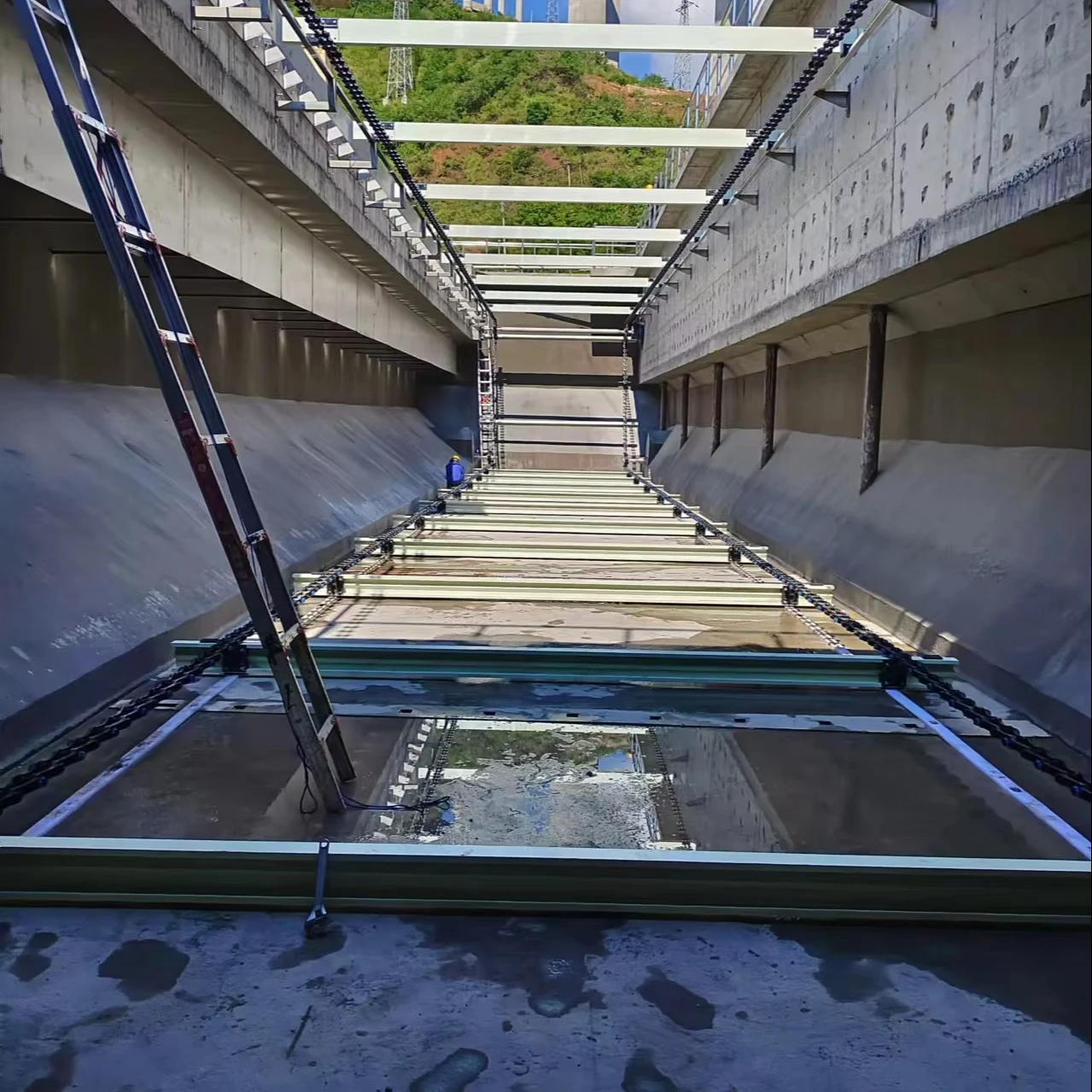
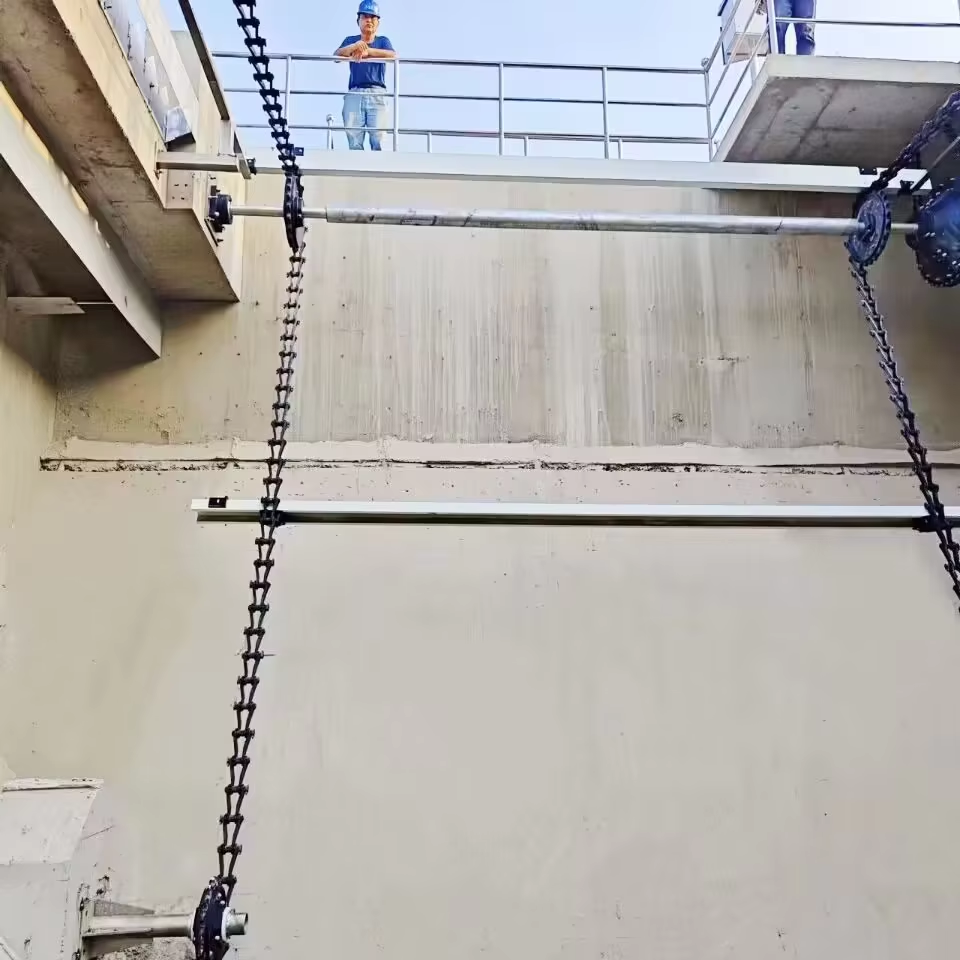
Sewage treatment systems encompass the entire technological framework used to purify wastewater, ranging from massive municipal facilities to small packaged units. These systems are engineered to remove physical, chemical, and biological contaminants through a multi-stage process typically involving preliminary treatment (screening, grit removal), primary treatment (sedimentation), secondary treatment (biological oxidation), and tertiary treatment (filtration, disinfection). The efficiency and reliability of each component within this system dictate the overall performance. A critical yet often overlooked component is the sludge scraper in the primary sedimentation tank. Its consistent operation is vital for effective solid-liquid separation. Huake specializes in enhancing the reliability of this specific subsystem by manufacturing non-metallic sludge scrapers. These scrapers are constructed from advanced composite materials that offer complete immunity to corrosion and superior resistance to abrasive wear. This focus on material science directly addresses the primary point of failure in traditional systems. In any sewage treatment system, from a simple plant to a complex one, the failure of a metallic scraper leads to sludge buildup, reduced treatment capacity, increased load on biological stages, and potential permit violations. By integrating a Huake scraper, system designers and operators secure a foundation of durability and minimal maintenance, ensuring the primary treatment stage functions as intended for decades, thereby optimizing the performance and reducing the long-term operating costs of the entire sewage treatment system.