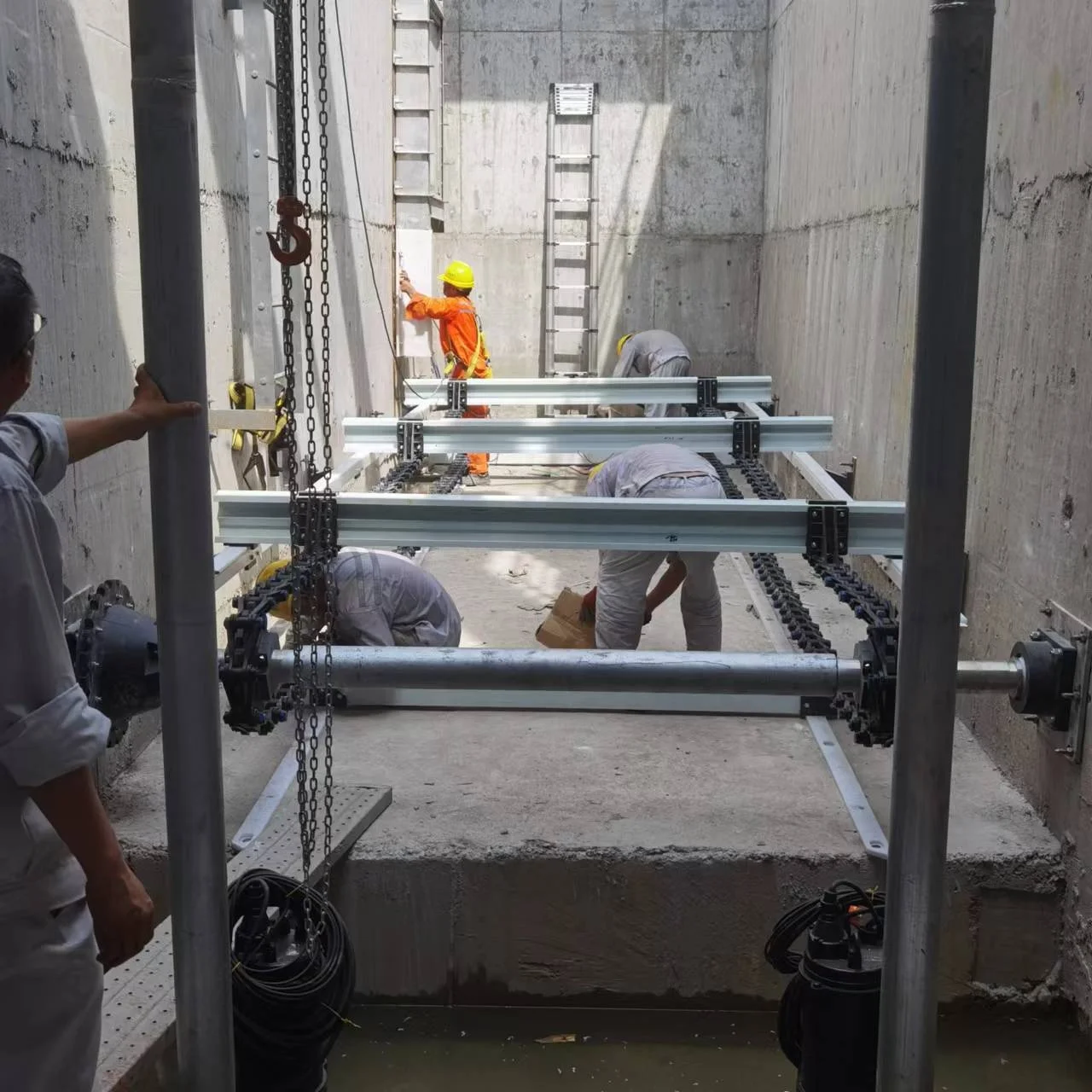
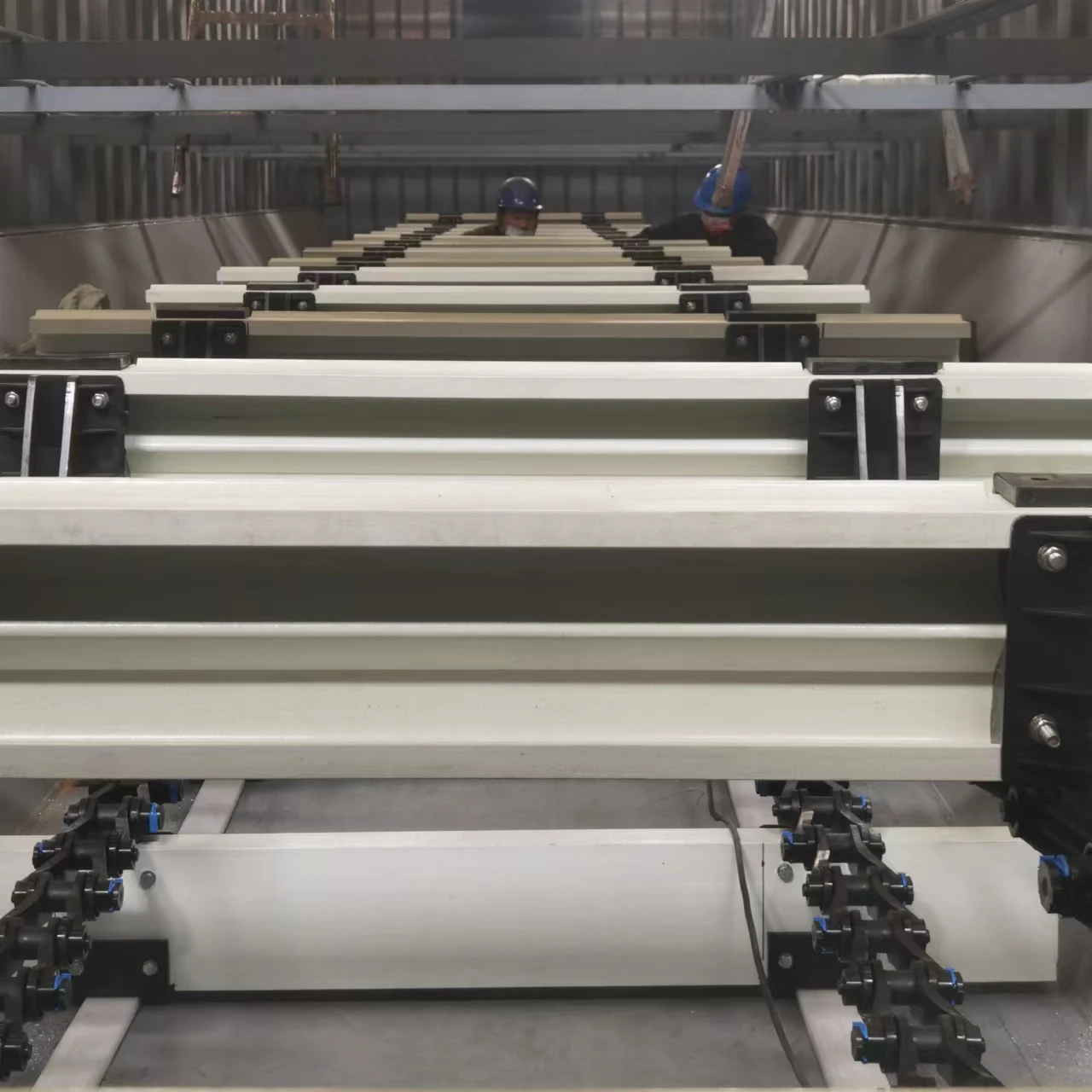
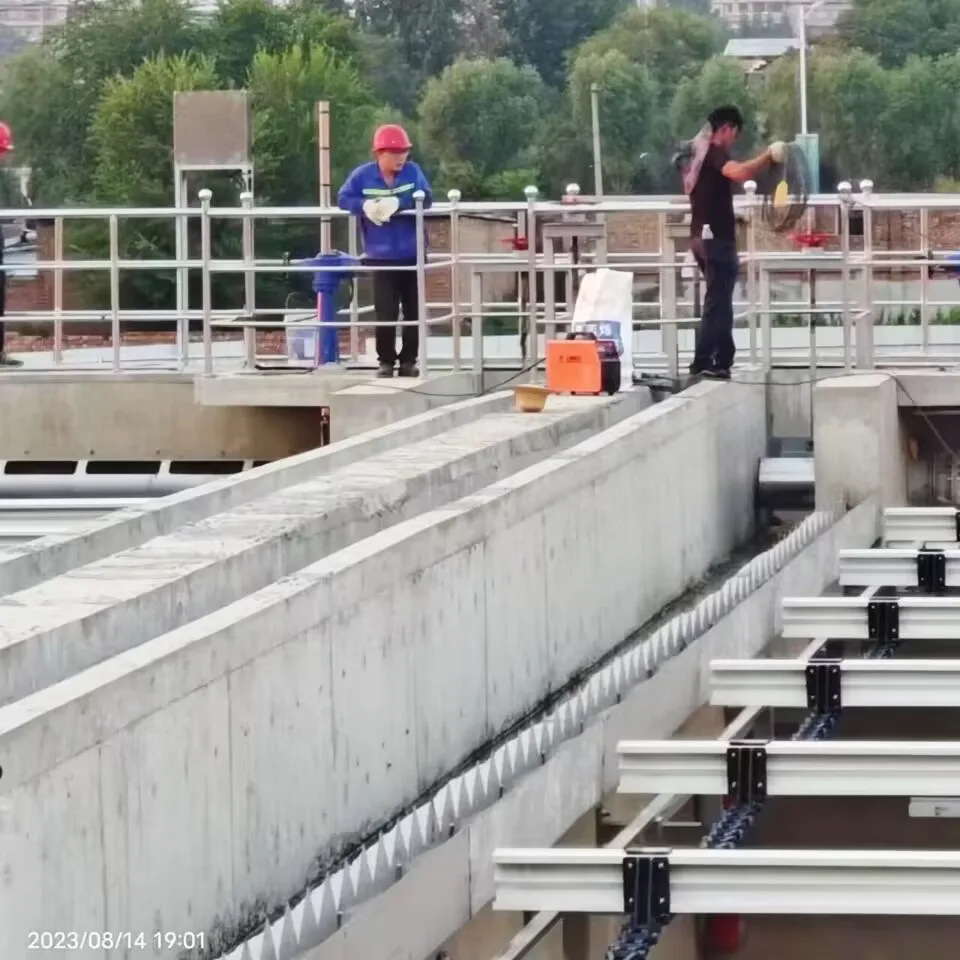
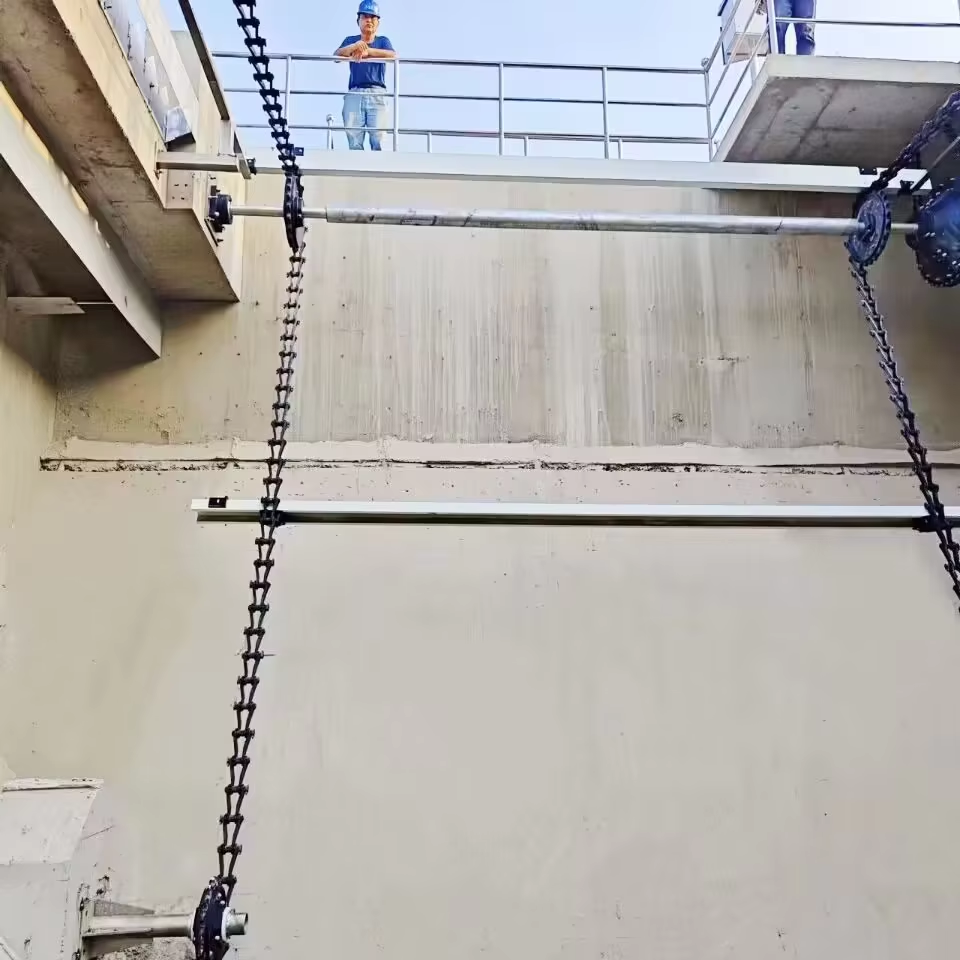
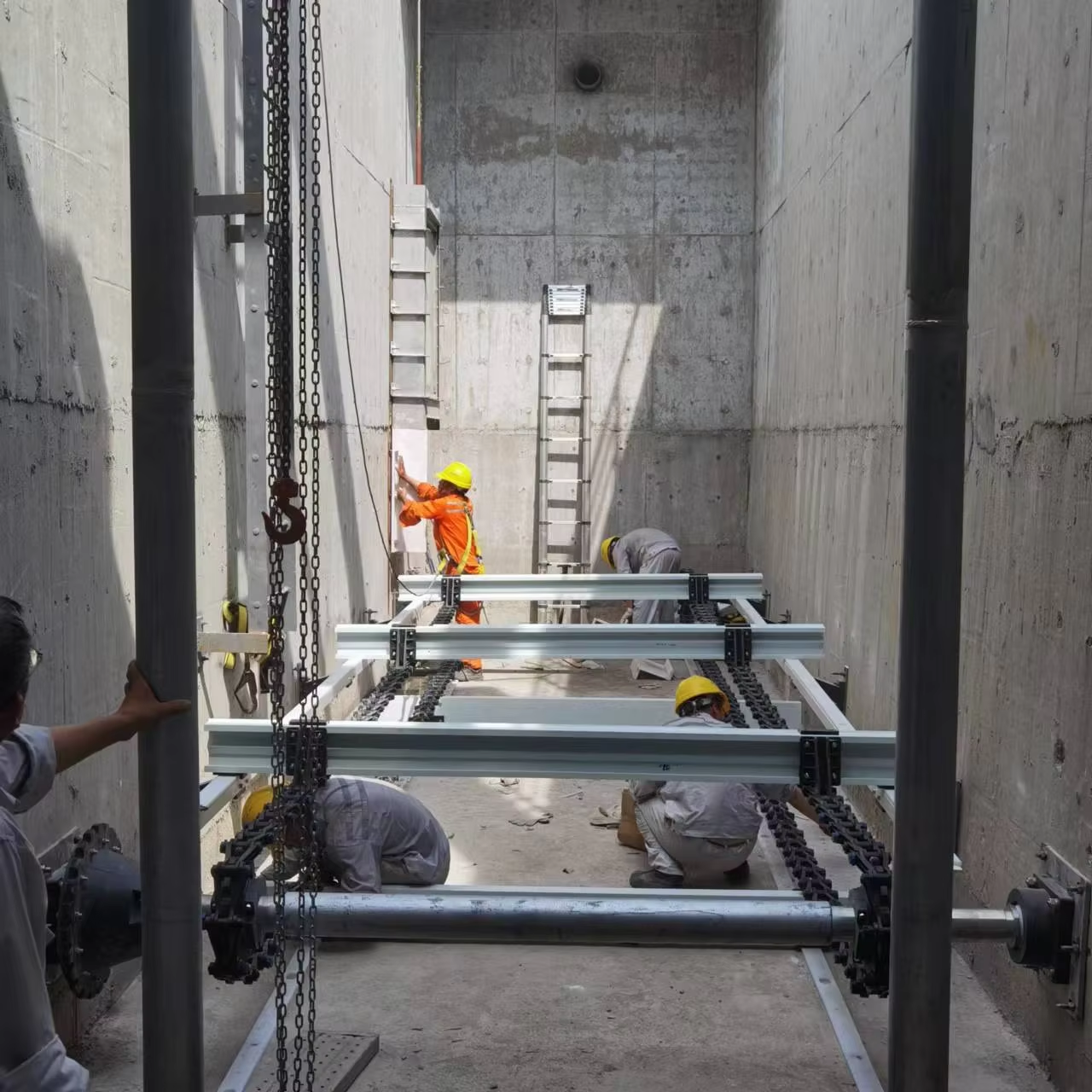
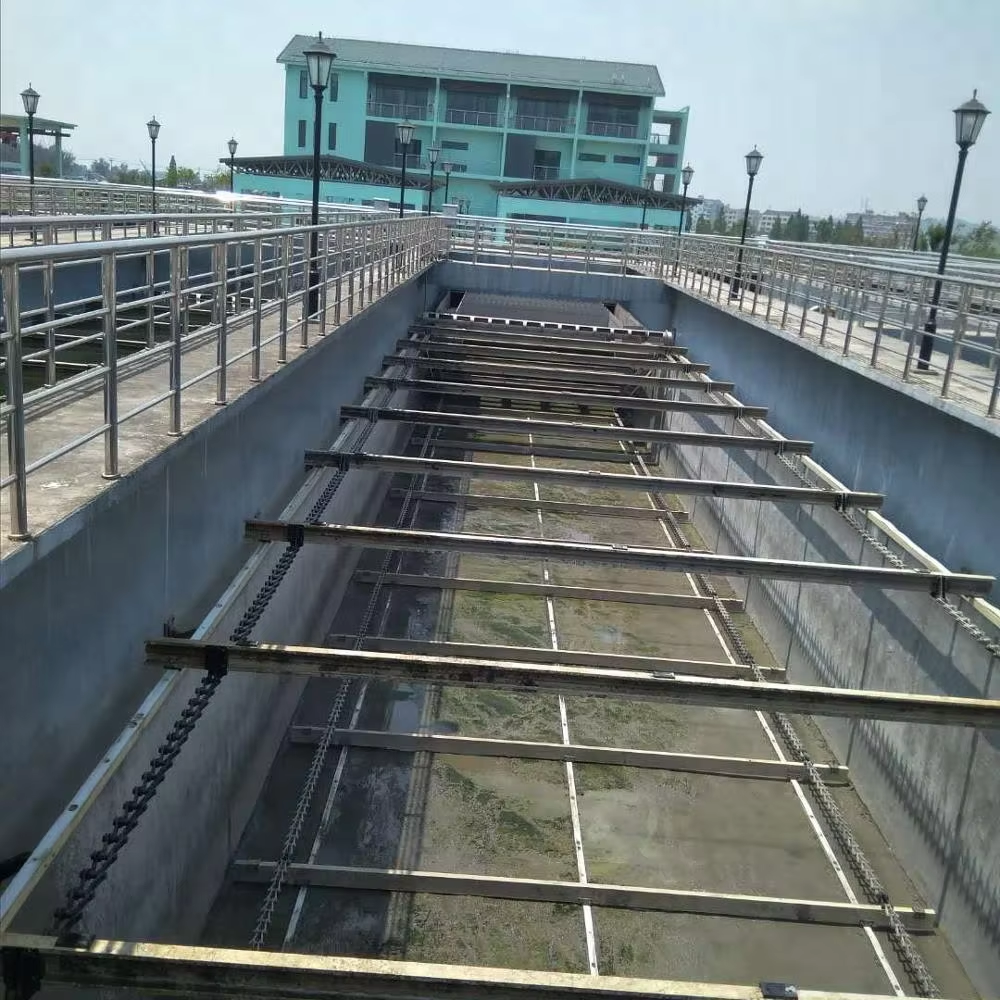
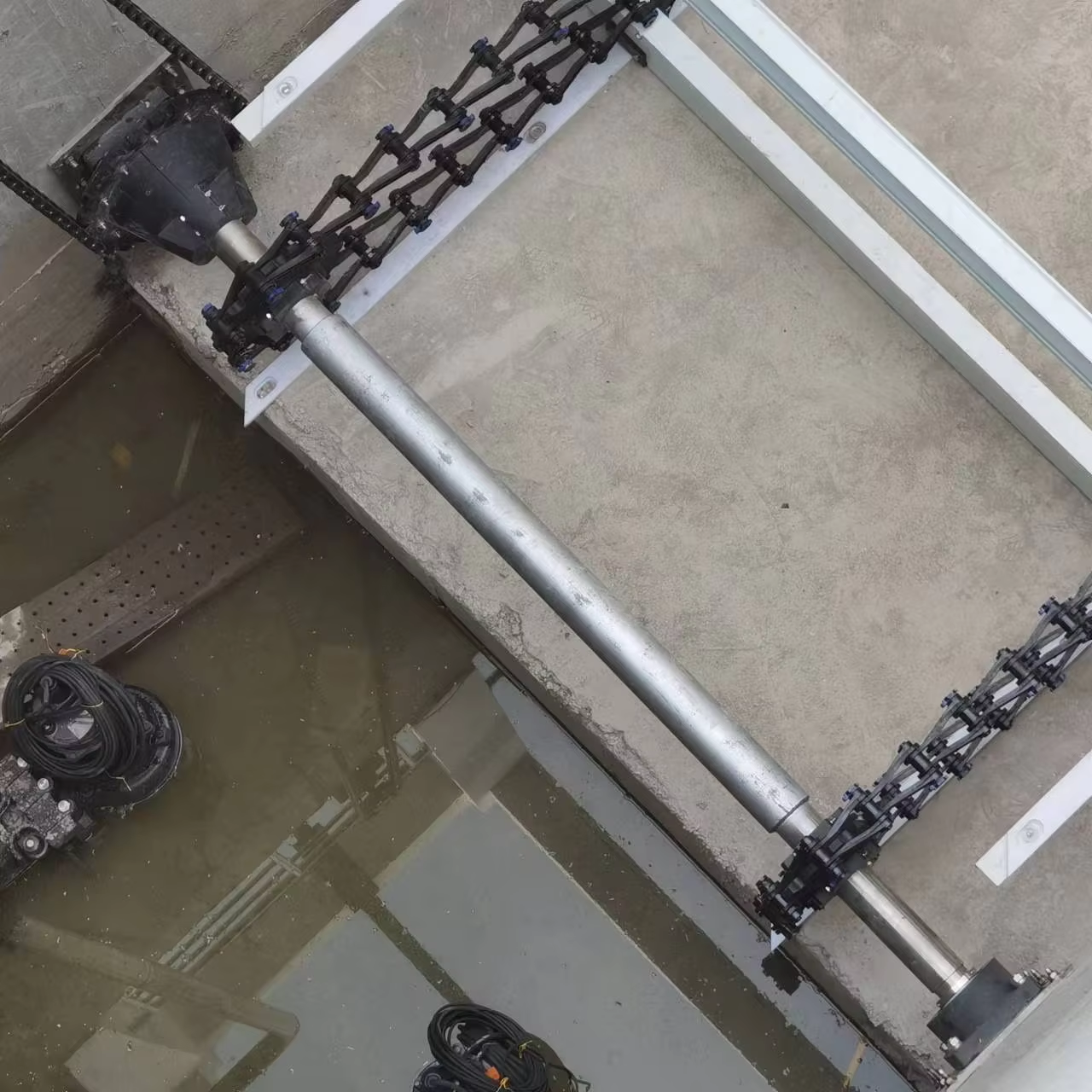
A small sewage treatment plant is a compact, self-contained system designed to treat wastewater from decentralized sources such as rural communities, remote resorts, small industrial facilities, or residential clusters not connected to a municipal sewer network. These plants must achieve effective treatment within a limited footprint while remaining simple to operate and maintain, often by personnel without specialized expertise. The core processes typically include screening, sedimentation, biological treatment (e.g., extended aeration, rotating biological contactors, or sequencing batch reactors), and disinfection. The sedimentation stage is critical for removing settleable solids to protect downstream biological units. In this context, the reliability of the sludge collection equipment within the primary clarifier is paramount. Huake's non-metallic sludge scrapers are exceptionally well-suited for these applications due to their robust, corrosion-proof construction. Their design ensures continuous and efficient removal of settled solids without the risk of failure due to rust or chemical attack, which is a common pitfall in smaller systems that may experience variable loads. This unparalleled reliability translates to minimal maintenance requirements, a crucial factor for remote or unattended sites. By ensuring the primary sedimentation stage functions optimally, Huake's technology provides a stable foundation for the entire treatment process, enabling small plants to consistently meet discharge standards, prevent environmental contamination, and operate with significantly reduced lifecycle costs and operational complexity.